Based on recorded story, mood and style. Your preferences can change the order.
Memory and identity · Family and care
What changes The Dead: ensemble dinner-party structure, conversations and performances and intimate late revelation. Interiors: measured, chamber-like and reflective.
Arthur, a New York attorney, tells his wife Eve that he wants to separate and begin a different life. Their three adult daughters respond in different ways: Renata, a poet, feels caught between sympathy for her mother and concern for her father; Joey struggles with her own direction; and Flyn is often away working as an actress. When Arthur returns from a trip with Pearl, a warm and outgoing woman unlike Eve, the family must confront grief, resentment, and the emotional distance that has long shaped their home.
Based on recorded story, mood and style. Your preferences can change the order.
Memory and identity
What changes The Dead: ensemble dinner-party structure, conversations and performances and intimate late revelation. The Divine Secrets of the Ya-Ya Sisterhood: alternating timelines and character-led.
A playwright's public comments about her childhood deepen a long-running rift with her mother and threaten to disrupt her upcoming wedding. The mother's lifelong friends intervene, bringing the daughter into a shared history that spans girlhood, marriage and painful family choices. The drama uses memories and an ensemble of older women to ask how adult children can understand parents without excusing the harm they experienced.
Based on recorded story, mood and style. Your preferences can change the order.
Family and care
What changes The Dead: ensemble dinner-party structure, conversations and performances and intimate late revelation. Tyrannosaur: deliberate, intense and character-led.
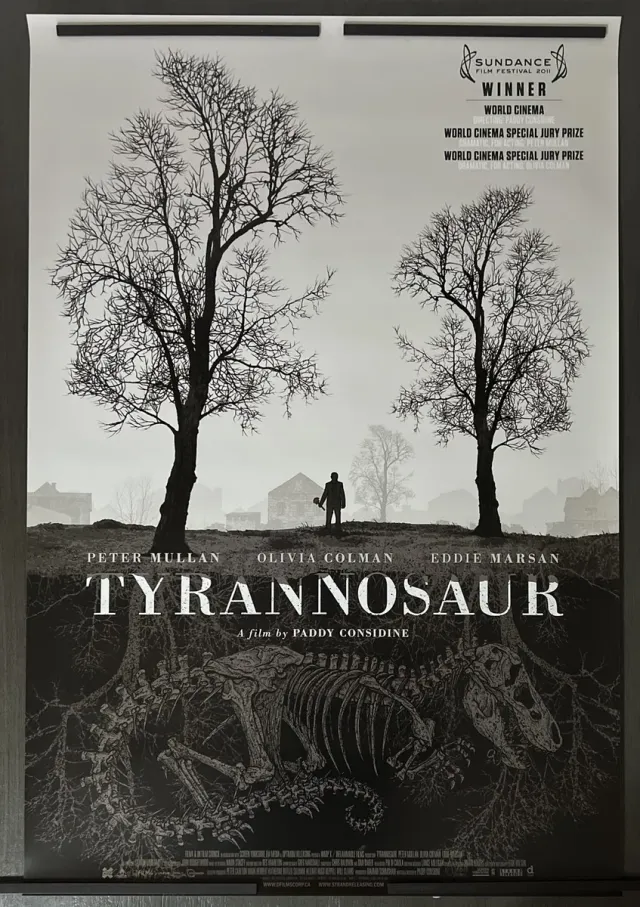
Joseph is a widower in northern England whose anger erupts across his daily life. After meeting Hannah, a charity-shop worker whose kindness initially unsettles him, he begins to return to her shop and accept a measure of help. Hannah’s life behind her public faith is controlled by an abusive husband, and the two form a connection shaped by private violence and shame. Paddy Considine’s drama follows whether compassion can survive when both characters are carrying damage they have struggled to name or escape.
Based on recorded story, mood and style. Your preferences can change the order.
Memory and identity · Romance and intimacy
What changes The Dead: ensemble dinner-party structure, conversations and performances and intimate late revelation. Passing: a chance meeting renews the women’s friendship, clare enters irene’s social world and and shifting loyalties raise the risks of exposure..
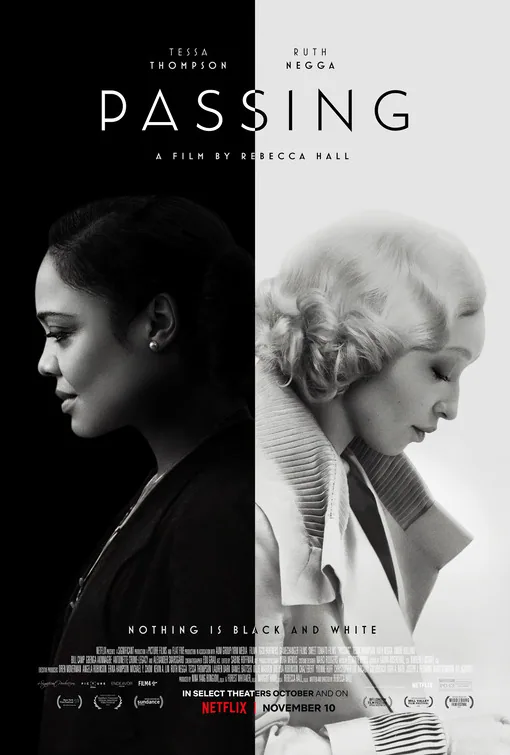
In 1920s New York, Irene Redfield encounters Clare Bellew, a childhood friend who has been living as white. Their renewed connection draws Clare back into Harlem society and into Irene’s household, while Irene becomes increasingly unsettled by Clare’s presence. Rebecca Hall’s adaptation follows the social codes, private desires and racial dangers that shape what each woman can reveal.
Based on recorded story, mood and style. Your preferences can change the order.
Memory and identity · Family and care
What changes The Dead: ensemble dinner-party structure, conversations and performances and intimate late revelation. Yi Yi: interwoven stories follow each family member as separate events reveal overlapping questions about life and perspective.
Over the course of a year in Taipei, the middle-class Jian family faces a wedding, a grandmother’s stroke, business troubles and the strains of ordinary family life. Father NJ reconnects with a former love while negotiating a new business deal; his wife Min-Min leaves for a Buddhist retreat; daughter Ting-Ting navigates adolescent relationships; and young Yang-Yang observes the adults with unusual curiosity. Each family member sees only part of the whole, and the film follows how private choices ripple through the household and its wider community.
Based on recorded story, mood and style. Your preferences can change the order.
Memory and identity · Family and care
What changes The Dead: ensemble dinner-party structure, conversations and performances and intimate late revelation. The Nest: measured domestic episodes, gradual financial revelations, tension accumulates through routine and quiet unresolved aftermath.
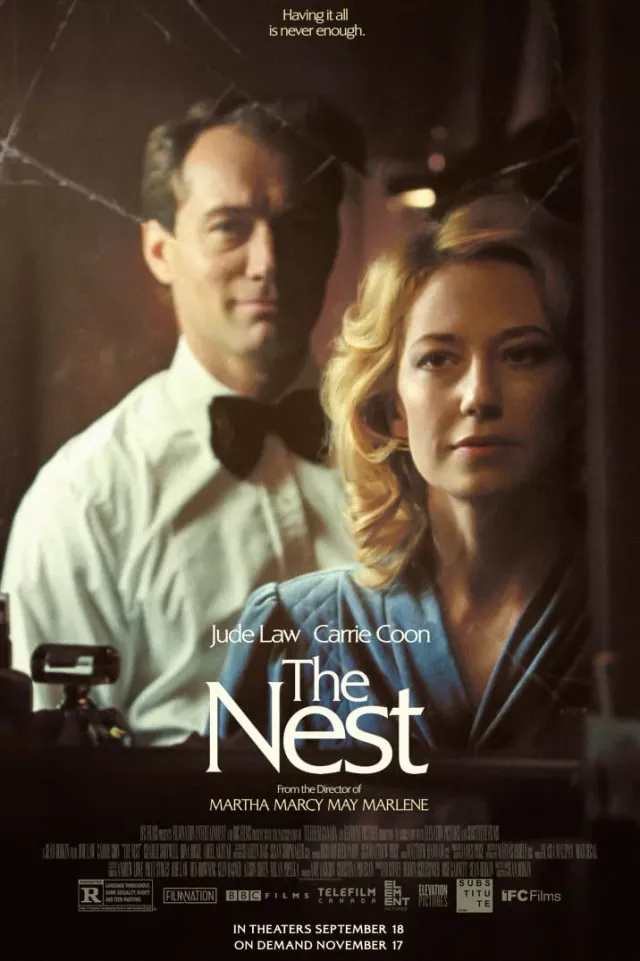
In the late 1980s, trader Rory O’Hara persuades his American family to leave New York for a grand Surrey manor, promising that a return to London will revive his career. His wife Allison tries to build a horse farm and maintain a home for their children, but unpaid bills, stalled renovations, and Rory’s social ambitions expose how precarious their new life is. Sean Durkin’s slow-burn family drama watches a marriage strain under class performance, financial instability, and the gap between appearance and security.
Based on recorded story, mood and style. Your preferences can change the order.
Family and care · Romance and intimacy
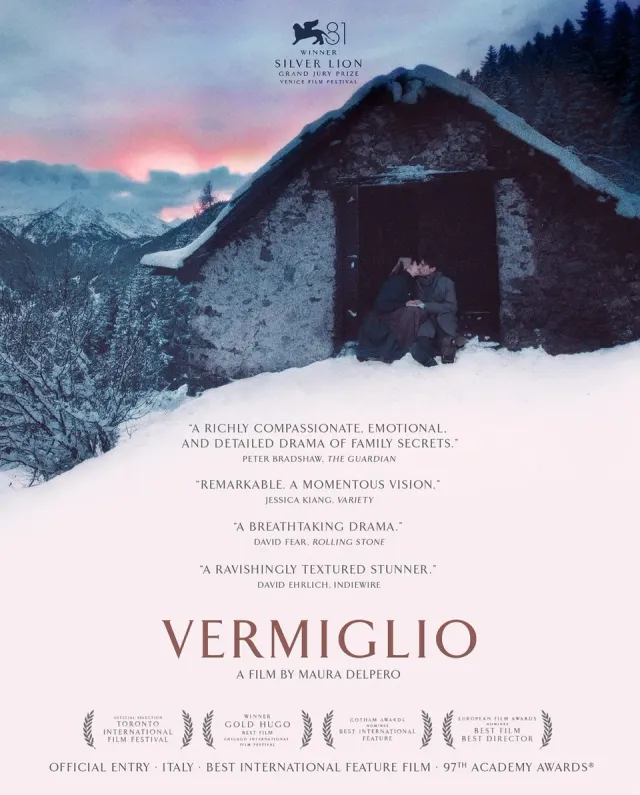
What changes The Dead: ensemble dinner-party structure, conversations and performances and intimate late revelation. Vermiglio: patient, seasonal and ensemble-led.
In the final winter of the Second World War, a Sicilian soldier arrives in the alpine village of Vermiglio and is taken in by a local family. His presence changes the lives of the household's daughters, especially Lucia, and draws private desires into the rhythms of village life. Maura Delpero observes the family across seasons as war, religion, work and social expectations shape what each generation can say aloud and what futures remain possible.
Based on recorded story, mood and style. Your preferences can change the order.
Memory and identity
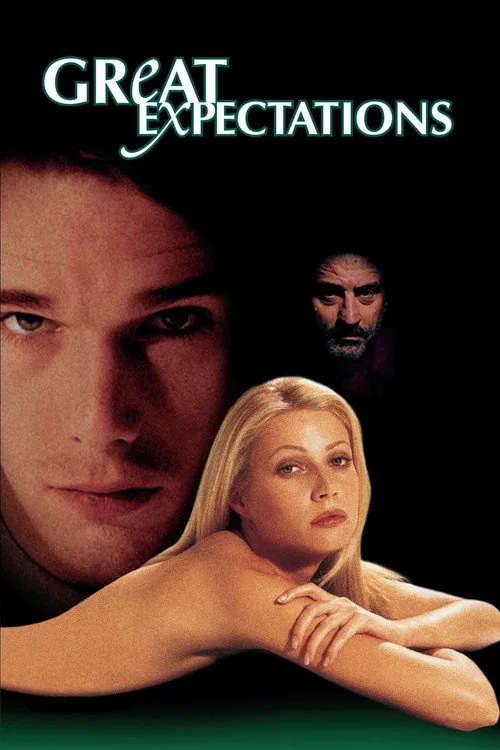
What changes The Dead: ensemble dinner-party structure, conversations and performances and intimate late revelation. Great Expectations: youth-to-adulthood progression, romantic longing and melodramatic revelations.
Young Florida artist Finn Bell helps an escaped convict and later meets Estella, the guarded niece of a wealthy, reclusive woman who invites him to paint. Years later, Finn unexpectedly receives support from an unknown benefactor and moves to New York, where he hopes to reconnect with Estella. Alfonso Cuarón relocates Dickens's story to contemporary settings and frames it through vivid color, youthful longing, and art, asking how ambition and fantasy can distort a person's memory of love.
Based on recorded story, mood and style. Your preferences can change the order.
Memory and identity
What changes The Dead: ensemble dinner-party structure, conversations and performances and intimate late revelation. A Single Man: measured and interior.
In 1960s Los Angeles, a British professor is grieving the sudden death of his partner and tries to move through one day while deciding whether he can continue living alone. Encounters with a friend, a student and strangers alter the emotional texture of that day without undoing his loss. The film turns clothing, color and routine into close expressions of grief, loneliness and the fragile possibility of renewed attention.
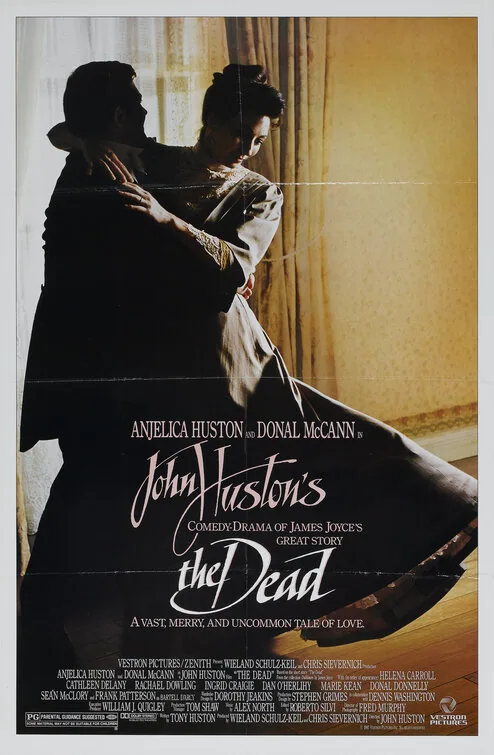
At an annual Epiphany gathering in Dublin in 1904, the Morkan sisters welcome relatives, friends and music students for a dinner party. Gabriel Conroy arrives with his wife Gretta, expecting a familiar evening of speeches, dancing and conversation. The party’s rituals reveal old grievances, class differences, generational change and the guests’ memories of Ireland. Gabriel’s prepared remarks expose his anxieties about belonging and cultural change, but the evening’s most intimate shift occurs later, when Gretta recalls a young man she once loved. Her memory unsettles Gabriel’s sense of their marriage and brings him to a quieter recognition of the lives and losses beyond his own. John Huston adapts James Joyce’s story as a contained, winter-lit drama of social ceremony and private revelation.
What drives the story
Gabriel’s confidence masks a need to be admired and accepted; Gretta’s memory opens a gap between his assumptions and her inner life.
The people at its centre
Family affection and teasing surround a marriage whose shared history is not as complete as Gabriel believes.
What it feels like
The film shifts from convivial social performance to private grief, treating the final snow image as an expansive meditation on mortality.
Worth knowing
A restrained literary drama whose turning point comes through listening rather than external action.
Memory and mortalityIrish identityaging
Mood
Warm · observant · wistful · elegiac
Pacing
Ensemble dinner-party structure · conversations and performances · intimate late revelation
Visual style
Snowy Dublin interiors · candlelight · period costumes · measured camera movement