Both share themes of family and intimacy, plus an observant atmosphere.
Why this matches +
Genres: Drama / Comedy
Shared film traits
Based on recorded story, mood and style. Your preferences can change the order.
Family and care · Memory and identity
What changes Yi Yi: interwoven stories follow each family member as separate events reveal overlapping questions about life and perspective. Eat Drink Man Woman: repeated sunday meals frame separate storylines as each family member makes an unexpected change.
Semi-retired Taipei chef Chu prepares an elaborate Sunday dinner for his three adult daughters, whose lives are moving in different directions. Jia-Jen is a chemistry teacher and Christian; Jia-Chien is an airline executive with a suppressed love of cooking; and Jia-Ning is a college student working at a fast-food restaurant. The family meal gives each woman a place to announce changes, while Chu’s own decisions unsettle the household’s assumptions about him. Across repeated dinners, food becomes both an expression of care and a way to avoid difficult conversation. Ang Lee’s ensemble drama observes how changing relationships can renew a family’s connection.
Based on recorded story, mood and style. Your preferences can change the order.
Family and care · Memory and identity
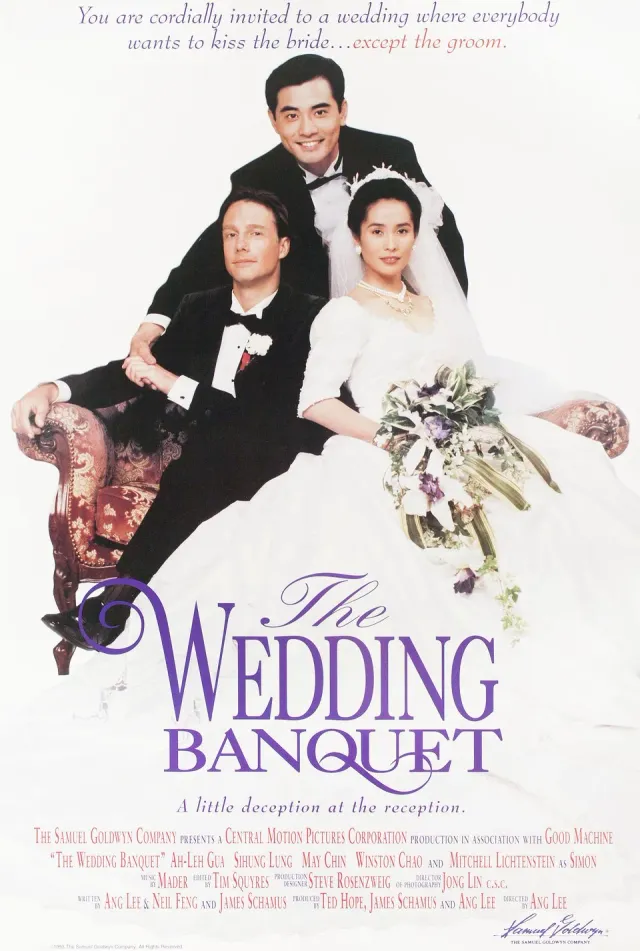
What changes Yi Yi: interwoven stories follow each family member as separate events reveal overlapping questions about life and perspective. The Wedding Banquet: a private arrangement expands into a banquet and a series of comic attempts to keep different truths apart.
Wai-Tung Gao, a Taiwanese immigrant in New York, lives happily with his partner Simon but has not told his traditional parents that he is gay. His parents want him to marry and continue the family line, so he and Simon invent impossible requirements for a bride. When Wei-Wei, a penniless artist renting from Wai-Tung, agrees to a marriage of convenience, the plan seems manageable until his parents travel from Taiwan for a lavish banquet. The visit turns a private arrangement into a comic web of performance and concealment. As the parents’ expectations collide with Simon’s place in Wai-Tung’s life, the family must decide what honesty and care can look like.
Both share themes of family and memory, plus a tender atmosphere.
Why this matches +
Genres: Drama / Science Fiction
Shared film traits
Based on recorded story, mood and style. Your preferences can change the order.
Family and care · Memory and identity
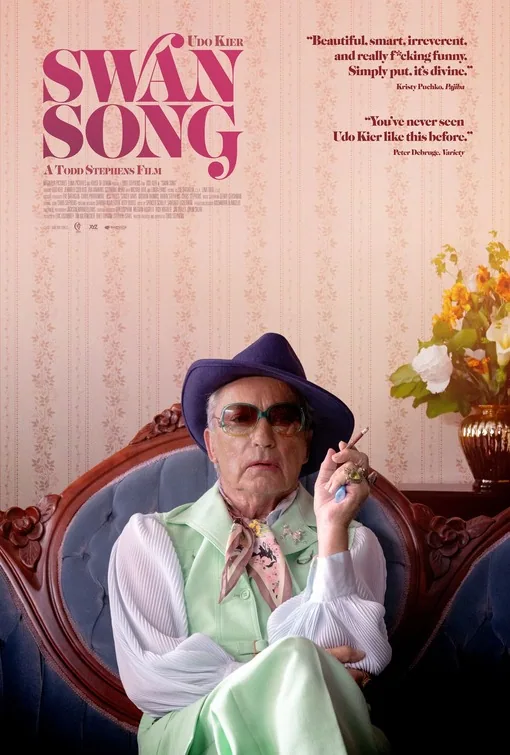
What changes Yi Yi: interwoven stories follow each family member as separate events reveal overlapping questions about life and perspective. Swan Song: cameron considers a secret replacement procedure, meets the version of himself meant to continue his life and and weighs love against honesty..
In a near future, husband and father Cameron Turner is diagnosed with a terminal illness and offered a way to spare his family grief: a clone can take his place without their knowledge. Cameron weighs the promise of continuity against the ethics of replacement and the loss of a final chance to say goodbye. The intimate science-fiction drama makes identity a family decision.
Based on recorded story, mood and style. Your preferences can change the order.
Family and care · Memory and identity
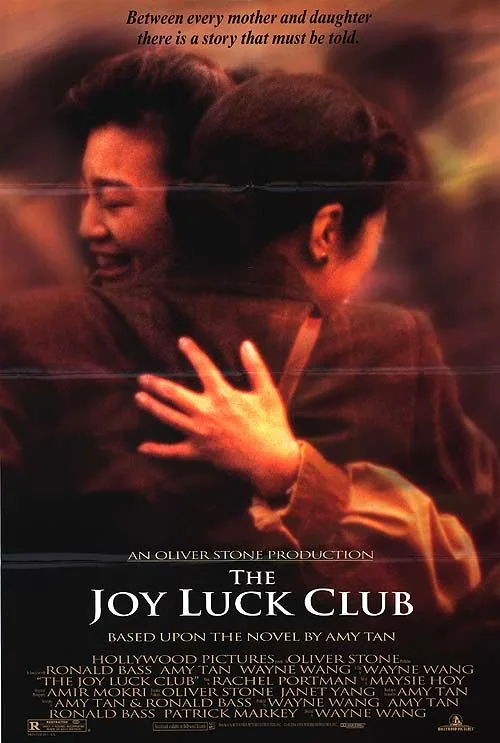
What changes Yi Yi: interwoven stories follow each family member as separate events reveal overlapping questions about life and perspective. The Joy Luck Club: interwoven present-day relationships and memories reveal how each generation misunderstands and protects the other.
The film connects four Chinese immigrant mothers in San Francisco with their Chinese American daughters through family gatherings, stories and memories. After Suyuan Woo dies, her daughter June takes her place at the Joy Luck Club and prepares to travel to China to meet the twin sisters her mother left behind. The mothers’ memories of growing up in China and building new lives in America illuminate the pressures their daughters face in work, love and family. Present-day conflicts are reframed as the women listen to one another, gradually recognizing how old fears and hopes have shaped both generations.
Both share themes of family, plus an observant atmosphere.
Why this matches +
Genres: Drama
Shared film traits
Based on recorded story, mood and style. Your preferences can change the order.
Family and care
What changes Yi Yi: interwoven stories follow each family member as separate events reveal overlapping questions about life and perspective. Nobody Knows: akira’s effort to preserve the hidden household grows more difficult as money and food run out.
A mother moves into a Tokyo apartment with her four children but hides the younger siblings from the landlord, leaving only eldest son Akira visible. When she leaves for months with little money, Akira takes responsibility for rent, food and his brothers’ and sister’s daily needs. The children have been kept out of school and away from public attention, so their shrinking resources make ordinary childhood harder to sustain. The film quietly follows the siblings’ improvised household as its fragile independence gives way to loss.
Based on recorded story, mood and style. Your preferences can change the order.
Family and care · Memory and identity
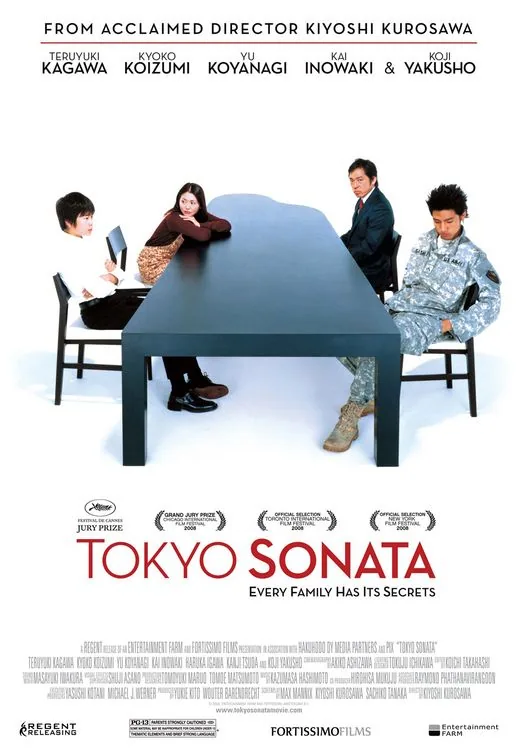
What changes Yi Yi: interwoven stories follow each family member as separate events reveal overlapping questions about life and perspective. Tokyo Sonata: measured, gradually escalating and quietly suspenseful.
When office worker Ryūhei loses his position during a corporate restructuring, he conceals the dismissal from his wife and sons and keeps returning each day as if he still has a job. His teenage son Takashi announces a plan that takes him far from home, while younger Kenji secretly studies piano against his father’s wishes. Megumi, the family’s mother, is left managing a household whose members share meals but hide their fears. As their deceptions unravel, this restrained Tokyo drama follows economic insecurity into the private life of a family.
Based on recorded story, mood and style. Your preferences can change the order.
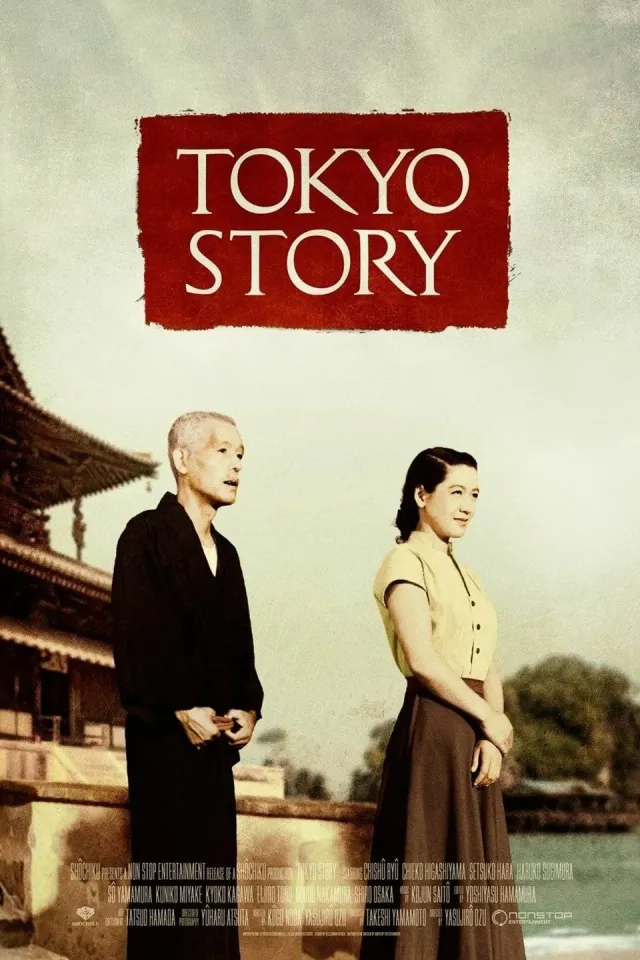
What changes Yi Yi: interwoven stories follow each family member as separate events reveal overlapping questions about life and perspective. Tokyo Story: slow and everyday episodes.
An aging couple, Shukichi and Tomi Hirayama, travel from their coastal town to Tokyo to visit their adult children and grandchildren. Their son and daughter are busy with work and family, and arrange a brief trip to a seaside resort rather than spending much time with them. Noriko, the widow of their deceased son, treats the couple with particular kindness despite her own modest life. When Tomi becomes ill, the family’s attentions reveal different forms of affection, duty and regret. Ozu follows these changes through small domestic gestures rather than dramatic confrontations. The visit’s short duration turns small family accommodations into signs of affection, impatience and regret.
Based on recorded story, mood and style. Your preferences can change the order.
Memory and identity
What changes Yi Yi: interwoven stories follow each family member as separate events reveal overlapping questions about life and perspective. A Single Man: measured and interior.
In 1960s Los Angeles, a British professor is grieving the sudden death of his partner and tries to move through one day while deciding whether he can continue living alone. Encounters with a friend, a student and strangers alter the emotional texture of that day without undoing his loss. The film turns clothing, color and routine into close expressions of grief, loneliness and the fragile possibility of renewed attention.
Based on recorded story, mood and style. Your preferences can change the order.
Family and care · Memory and identity
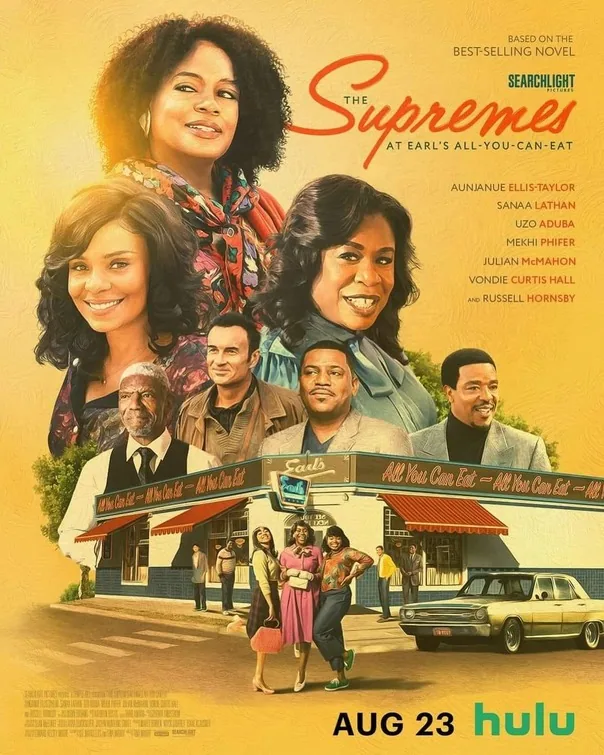
What changes Yi Yi: interwoven stories follow each family member as separate events reveal overlapping questions about life and perspective. The Supremes At Earl's All-You-Can-Eat: decade-spanning, reflective and episodic.
Odette, Barbara Jean and Clarice have been close friends since their youth, calling themselves the Supremes after the Motown group. Across decades, they share marriage, children, work and loss, meeting regularly at Earl's All-You-Can-Eat. When illness and personal crises bring painful memories back to the surface, the friends must decide how to support one another while acknowledging old wounds. Tina Mabry's ensemble drama centers Black female friendship as a durable source of joy and care.
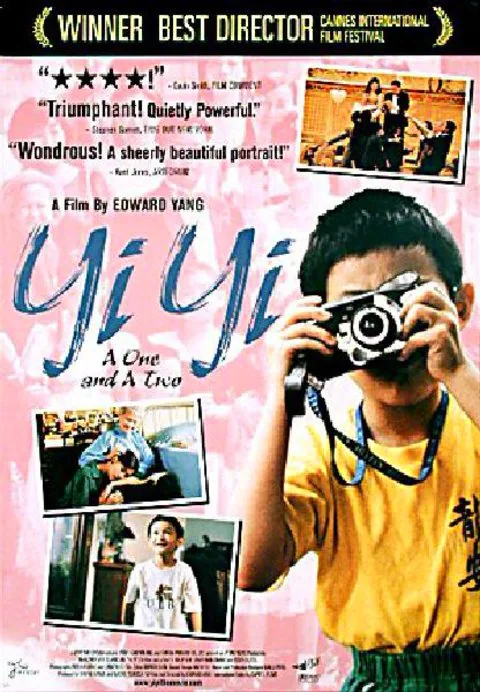
Over the course of a year in Taipei, the middle-class Jian family faces a wedding, a grandmother’s stroke, business troubles and the strains of ordinary family life. Father NJ reconnects with a former love while negotiating a new business deal; his wife Min-Min leaves for a Buddhist retreat; daughter Ting-Ting navigates adolescent relationships; and young Yang-Yang observes the adults with unusual curiosity. Each family member sees only part of the whole, and the film follows how private choices ripple through the household and its wider community.
What drives the story
NJ’s attempt to revisit a decision from his youth unfolds alongside the demands of his present family.
The people at its centre
Yang-Yang’s habit of showing people what they cannot see about themselves echoes the film’s interest in perspective.
What it feels like
The expansive ensemble structure finds emotional weight in family routines rather than a single dramatic crisis.
Worth knowing
A wedding and a family illness open into a year-long portrait of how each generation sees the same world differently.
familymemoryintimacy
Mood
patient · tender · observant · quietly humorous
Pacing
Interwoven stories follow each family member as separate events reveal overlapping questions about life and perspective
Visual style
Long · composed images and recurring city views give everyday interactions room to unfold
Storytelling
A Taipei family moves through a year of weddings · illness · work pressures and changing relationships