A visit by elderly parents exposes the distance between generations as their adult children balance affection with urban routines and obligations.
Why this matches +
Economic and family routines conceal emotional distance, lost status and the difficulty of admitting dependence.
Genres: Drama
Shared film traits
Based on recorded story, mood and style. Your preferences can change the order.
What changes Tokyo Sonata: measured, gradually escalating and quietly suspenseful. Tokyo Story: slow and everyday episodes.
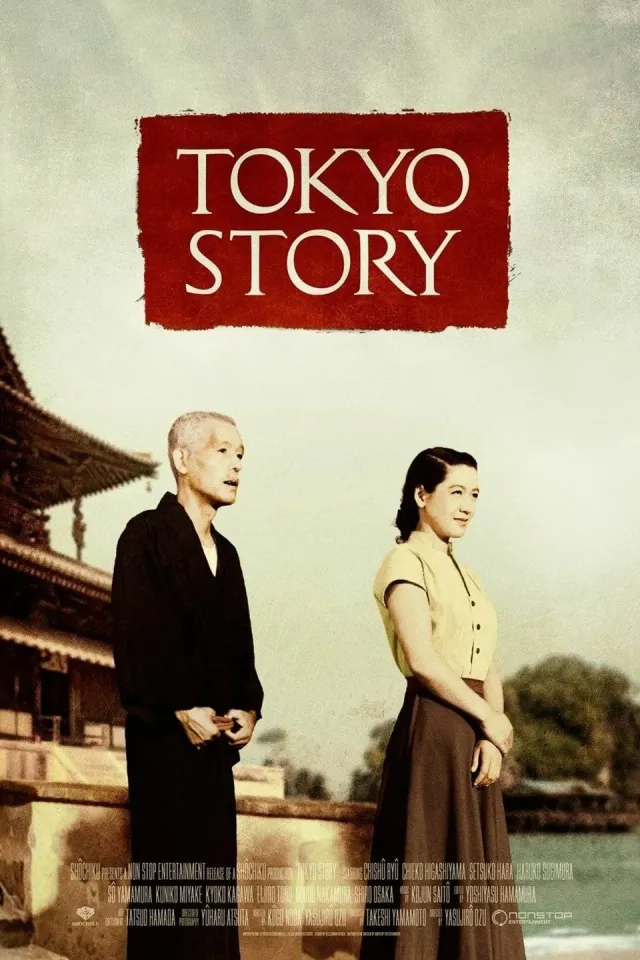
An aging couple, Shukichi and Tomi Hirayama, travel from their coastal town to Tokyo to visit their adult children and grandchildren. Their son and daughter are busy with work and family, and arrange a brief trip to a seaside resort rather than spending much time with them. Noriko, the widow of their deceased son, treats the couple with particular kindness despite her own modest life. When Tomi becomes ill, the family’s attentions reveal different forms of affection, duty and regret. Ozu follows these changes through small domestic gestures rather than dramatic confrontations. The visit’s short duration turns small family accommodations into signs of affection, impatience and regret.
Akira is pushed into an adult role without support, while the younger children depend on his decisions.
Why this matches +
Economic and family routines conceal emotional distance, lost status and the difficulty of admitting dependence.
Genres: Drama
Shared film traits
Based on recorded story, mood and style. Your preferences can change the order.
Family and care
What changes Tokyo Sonata: measured, gradually escalating and quietly suspenseful. Nobody Knows: akira’s effort to preserve the hidden household grows more difficult as money and food run out.
A mother moves into a Tokyo apartment with her four children but hides the younger siblings from the landlord, leaving only eldest son Akira visible. When she leaves for months with little money, Akira takes responsibility for rent, food and his brothers’ and sister’s daily needs. The children have been kept out of school and away from public attention, so their shrinking resources make ordinary childhood harder to sustain. The film quietly follows the siblings’ improvised household as its fragile independence gives way to loss.
A precarious household takes in a neglected child and forms a family through care and theft.
Why this matches +
Economic and family routines conceal emotional distance, lost status and the difficulty of admitting dependence.
Genres: Drama / Crime
Shared film traits
Based on recorded story, mood and style. Your preferences can change the order.
Memory and identity
What changes Tokyo Sonata: measured, gradually escalating and quietly suspenseful. Shoplifters: observational and gradually revealing.
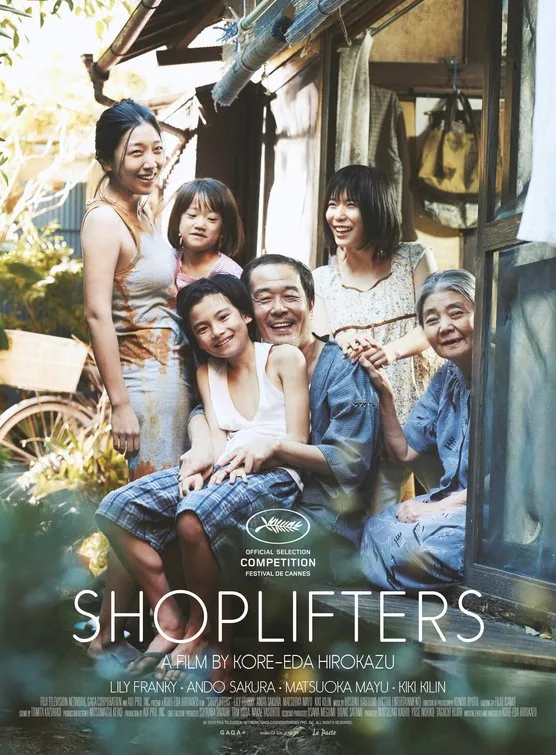
A poor Tokyo household survives through a mix of informal work and petty theft, with adults Osamu and Nobuyo caring for children who have limited security elsewhere. When the family brings a neglected young girl into their home, ordinary routines deepen into attachment and questions about who counts as family. Hirokazu Kore-eda's drama observes tenderness alongside ethical uncertainty, gradually revealing the histories and choices that hold the household together.
A domestic arrangement produces a disputed incident whose interpretation threatens two families' futures.
Why this matches +
Economic and family routines conceal emotional distance, lost status and the difficulty of admitting dependence.
Genres: Drama
Shared film traits
Based on recorded story, mood and style. Your preferences can change the order.
What changes Tokyo Sonata: measured, gradually escalating and quietly suspenseful. A Separation: measured and escalating.
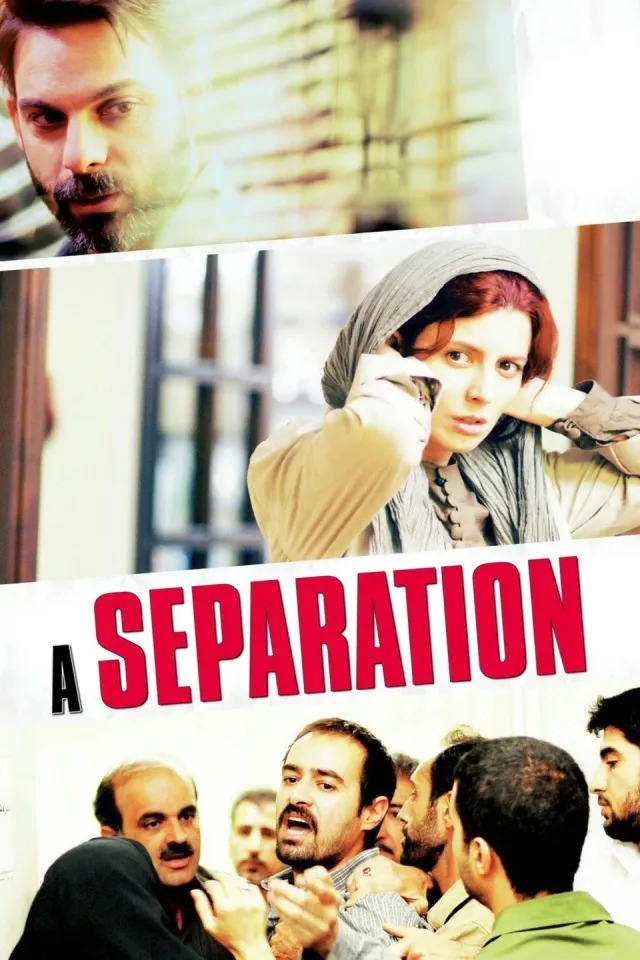
A couple's disagreement about leaving Iran leads to a household separation and the hiring of a caregiver for an elderly father. An incident between the caregiver and the husband produces accusations whose consequences reach both families. Class, religious obligation and partial knowledge complicate every account, while a daughter is pressed to navigate loyalties that the adults cannot reconcile.
A worker has one weekend to persuade colleagues to give up a bonus so she can keep her job.
Why this matches +
Economic and family routines conceal emotional distance, lost status and the difficulty of admitting dependence.
Genres: Drama
Shared film traits
Based on recorded story, mood and style. Your preferences can change the order.
What changes Tokyo Sonata: measured, gradually escalating and quietly suspenseful. Two Days, One Night: compressed and steady.
Sandra learns that her factory colleagues have been offered a bonus in exchange for voting to eliminate her job. With only a weekend to change their minds, she visits each coworker and asks them to reconsider, while managing illness and fragile confidence. Jean-Pierre and Luc Dardenne's drama turns a workplace vote into an intimate portrait of solidarity, pressure and the value attached to one person's labour.
A contradictory eligibility decision traps a sick worker between systems, making survival depend on navigating tasks whose completion does not produce timely support.
Why this matches +
Economic and family routines conceal emotional distance, lost status and the difficulty of admitting dependence.
Genres: Drama
Shared film traits
Based on recorded story, mood and style. Your preferences can change the order.
What changes Tokyo Sonata: measured, gradually escalating and quietly suspenseful. I, Daniel Blake: measured.
A widowed carpenter unable to resume work after a heart attack is declared fit by a benefits assessment and pushed into requirements that contradict his doctor's advice. Seeking an appeal demands computer skills, repeated explanations and performances of job-seeking that do little to meet his immediate needs. Friendship with a single mother creates a small network of practical care within the same system's failures. The social drama makes administrative delay materially consequential, contrasting ordinary competence and solidarity with procedures that refuse to recognize either.
A risky farming venture turns competing ideas of security and success into daily disputes over money, care and where the family should live.
Why this matches +
Economic and family routines conceal emotional distance, lost status and the difficulty of admitting dependence.
Genres: Drama
Shared film traits
Based on recorded story, mood and style. Your preferences can change the order.
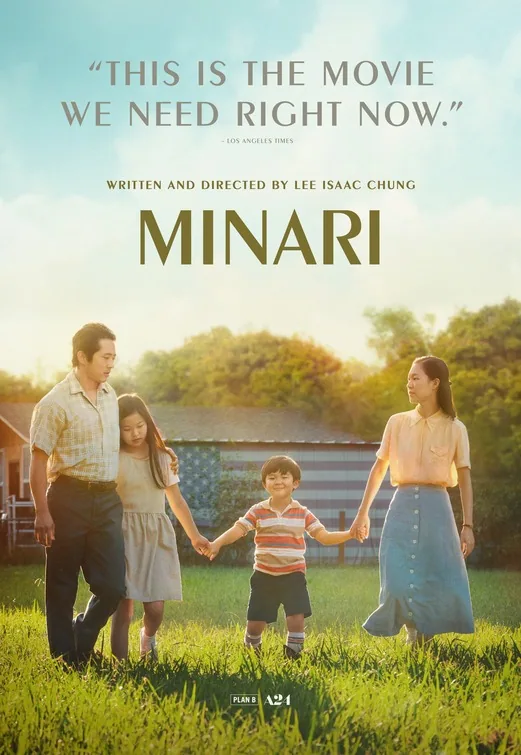
What changes Tokyo Sonata: measured, gradually escalating and quietly suspenseful. Minari: measured.
A Korean immigrant family moves to rural Arkansas, where the father hopes to build a farm supplying vegetables to other Korean households. His confidence in the land creates new strains for a marriage already stretched by insecure work, distance from familiar support and their son's health needs. The arrival of the children's grandmother offers another form of continuity, making the family's effort to put down roots both practical and deeply personal.
A stolen work tool turns an ordinary first day into a search whose failure threatens a family's fragile income and the father's self-respect.
Why this matches +
Economic and family routines conceal emotional distance, lost status and the difficulty of admitting dependence.
Genres: Drama / Art
Shared film traits
Based on recorded story, mood and style. Your preferences can change the order.
What changes Tokyo Sonata: measured, gradually escalating and quietly suspenseful. Bicycle Thieves: measured.
A father in postwar Rome finally obtains work that depends on owning a bicycle, only to have it stolen at the beginning of the job. Searching the city with his young son reveals how little protection formal authority and community can offer against material desperation. Each failed lead narrows his options, exposing the pressure poverty places on the identity he hopes to maintain in front of a child who still depends on him.
The westward trip promises a fresh start, but each labour camp reveals another way that economic hardship and unequal power constrain the family.
Why this matches +
Economic and family routines conceal emotional distance, lost status and the difficulty of admitting dependence.
Genres: Drama
Shared film traits
Based on recorded story, mood and style. Your preferences can change the order.
What changes Tokyo Sonata: measured, gradually escalating and quietly suspenseful. The Grapes of Wrath: road journey and economic hardship.
After drought and eviction drive the Joad family from their Oklahoma farm, Tom returns home from prison and travels with them toward California in search of work. The promised jobs prove uncertain, and the family encounters low wages, hostility and camps where migrant workers try to survive together. John Ford’s adaptation focuses on the family’s movement through a system that treats displaced people as disposable, while Ma Joad holds the group together as its circumstances worsen. The 1940 film is its own adaptation, with a more consoling ending than John Steinbeck’s novel.
Episodic childhood play gradually reveals an unstable household whose economic pressures are approaching consequences the child cannot control.
Why this matches +
Economic and family routines conceal emotional distance, lost status and the difficulty of admitting dependence.
Genres: Drama
Shared film traits
Based on recorded story, mood and style. Your preferences can change the order.
What changes Tokyo Sonata: measured, gradually escalating and quietly suspenseful. The Florida Project: measured.
A young girl spends a summer roaming the budget motels and improvised play spaces near a major Florida tourist resort. Her mother's precarious work and escalating conflicts remain only partly visible through the child's adventures, while a motel manager repeatedly balances compassion against practical limits. The pleasures of unsupervised friendship unfold beside the risk of losing a fragile home, exposing a gap between childhood imagination and the adult systems shaping it.
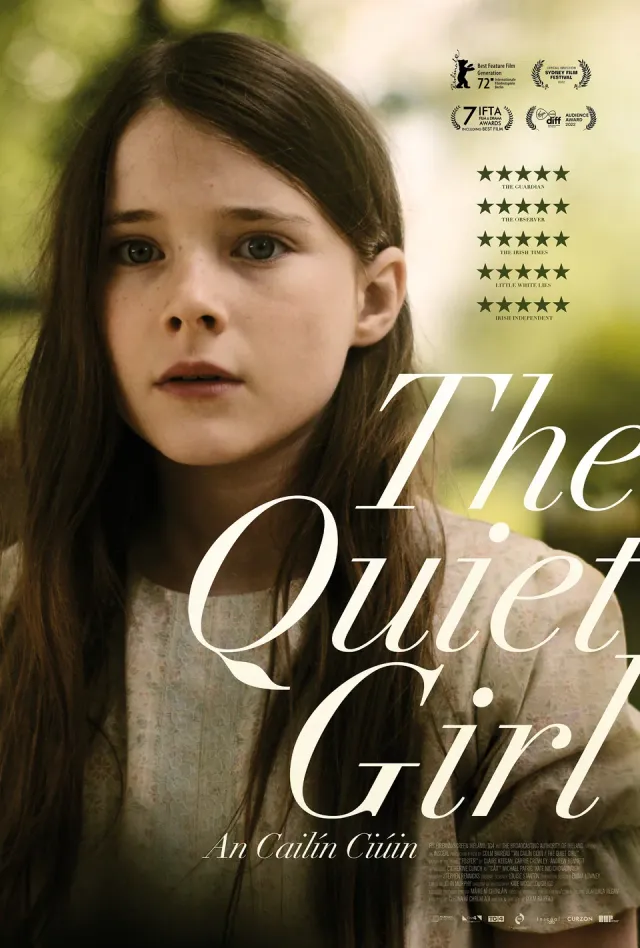
Cáit moves into a relative’s home for the summer, where daily chores and careful attention reveal a different model of family life.
Why this matches +
An adult's damaged self-image makes practical care harder to accept than an abstract wish for reconciliation.
An adjacent discovery: a related idea with a different viewing experience.
Genres: Drama
Shared film traits
Based on recorded story, mood and style. Your preferences can change the order.
Family and care · Memory and identity
Expect gentle and restrained, with measured and minimal pacing.
Nine-year-old Cáit is sent from her crowded home to stay with distant relatives in rural Ireland for the summer. Eibhlín welcomes her with patient care, while the more reserved Seán gradually makes room for the child in the routines of the farm. As Cáit learns the household’s silences and small acts of kindness, she discovers how attention can make a neglected child feel safe and how grief can remain present without being explained.
An unexpected guardianship forces a grieving man to revisit the place and history he has been unable to re-enter.
Why this matches +
An adult's damaged self-image makes practical care harder to accept than an abstract wish for reconciliation.
An adjacent discovery: a related idea with a different viewing experience.
Genres: Drama
Shared film traits
Based on recorded story, mood and style. Your preferences can change the order.
Memory and identity
What changes Tokyo Sonata: measured, gradually escalating and quietly suspenseful. Manchester by the Sea: measured.
After his brother Joe dies, Lee Chandler returns to the Massachusetts town he left and learns that he has been named guardian of Joe's teenage son, Patrick. The practical arrangements bring him face to face with an earlier catastrophe: a house fire accidentally killed Lee's three children, and he could not remain in the community afterward. Patrick wants to stay with friends and his band, while Lee cannot imagine rebuilding a life there. The two negotiate care without a consoling cure, settling on a future that preserves a relationship Lee can bear.
A terminal diagnosis redirects a passive official toward one neglected civic project, then a posthumous inquiry asks whether colleagues can maintain the change he began. Building the playground is a modest civic achievement whose meaning changes after Watanabe can no longer explain it.
Why this matches +
An adult's damaged self-image makes practical care harder to accept than an abstract wish for reconciliation.
An adjacent discovery: a related idea with a different viewing experience.
Genres: Drama
Shared film traits
Based on recorded story, mood and style. Your preferences can change the order.
What changes Tokyo Sonata: measured, gradually escalating and quietly suspenseful. Ikiru: measured and nonlinear.
Municipal clerk Kanji Watanabe learns that he is dying after decades of routine work and first tries to use nightlife to fill the time he has left. A younger colleague’s vitality shows him what he has been missing, but purpose takes practical form when he presses the city to build a playground requested by neighborhood residents. After his death, the film shifts to coworkers reconstructing his actions and gradually losing resolve to change their own habits. This two-part structure makes the project meaningful without promising institutional reform: what Watanabe achieved can be acknowledged, misunderstood and absorbed by the bureaucracy he briefly moved.
Retirement and bereavement strip away familiar roles, turning a wedding journey and written self-account into an uneasy search for evidence that one life has mattered.
Why this matches +
An adult's damaged self-image makes practical care harder to accept than an abstract wish for reconciliation.
An adjacent discovery: a related idea with a different viewing experience.
Genres: Drama / Comedy
Shared film traits
Based on recorded story, mood and style. Your preferences can change the order.
What changes Tokyo Sonata: measured, gradually escalating and quietly suspenseful. About Schmidt: measured.
A newly retired insurance employee loses his wife and begins questioning what his work and marriage have actually meant. Traveling toward his daughter's wedding gives him a chance to interfere with her plans while presenting his life to a distant sponsored child through letters. The gap between his self-description and the encounters around him exposes grief, resentment, and a need for significance he struggles to express generously.
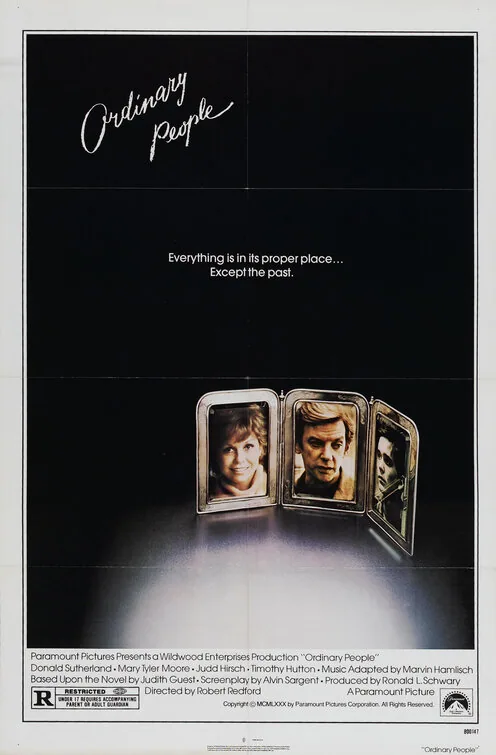
The film’s central action is Conrad’s attempt to live with grief, while the family’s outward order repeatedly blocks honest mourning.
Why this matches +
An adult's damaged self-image makes practical care harder to accept than an abstract wish for reconciliation.
An adjacent discovery: a related idea with a different viewing experience.
Genres: Drama
Shared film traits
Based on recorded story, mood and style. Your preferences can change the order.
Memory and identity
What changes Tokyo Sonata: measured, gradually escalating and quietly suspenseful. Ordinary People: measured and steady.
After the accidental drowning death of their eldest son Buck, the affluent Jarrett family tries to resume ordinary routines. Younger son Conrad returns home after a suicide attempt and psychiatric hospitalization, struggling with guilt and the belief that he should have died instead. Therapy with Dr. Berger helps him name grief and anger, while his father Calvin tries to reconnect with both sons’ absence. His mother Beth maintains control through social appearances and finds Conrad’s vulnerability intolerable. Their conflict forces Calvin to recognize that family recovery may not mean preserving the household intact.
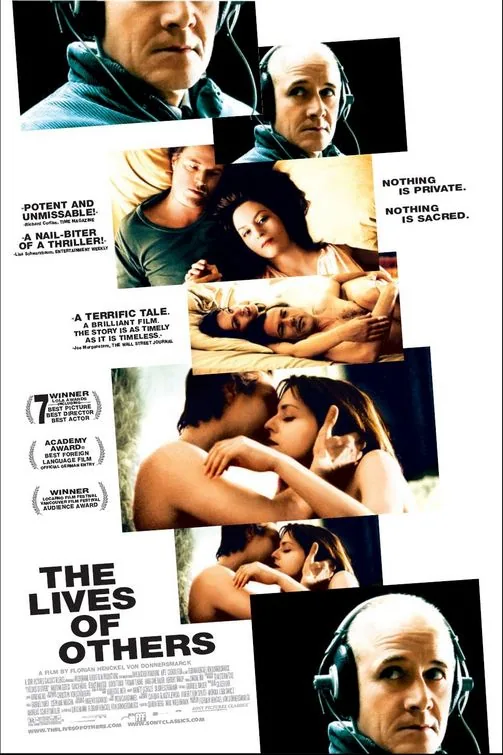
A politically motivated surveillance assignment turns a loyal operative's access to private evidence into a conflict between bureaucratic obedience and covert protection.
Why this matches +
An adult's damaged self-image makes practical care harder to accept than an abstract wish for reconciliation.
An adjacent discovery: a related idea with a different viewing experience.
Genres: Drama / Thriller
Shared film traits
Based on recorded story, mood and style. Your preferences can change the order.
What changes Tokyo Sonata: measured, gradually escalating and quietly suspenseful. The Lives of Others: slow burn.
An East German surveillance officer is assigned to monitor a celebrated playwright and his partner, ostensibly for national security. Listening to their private life reveals artistic friendships, fear and a senior official's exploitative motive behind the operation. The officer's identification with people he is meant to expose creates small opportunities to intervene, but every altered report risks his position within an institution that treats conscience as disloyalty.
Matt's search for his wife's lover runs alongside a decision about land that belongs to his wider family; neither question can be settled without facing inherited obligations.
Why this matches +
An adult's damaged self-image makes practical care harder to accept than an abstract wish for reconciliation.
An adjacent discovery: a related idea with a different viewing experience.
Genres: Drama / Comedy
Shared film traits
Based on recorded story, mood and style. Your preferences can change the order.
What changes Tokyo Sonata: measured, gradually escalating and quietly suspenseful. The Descendants: reflective family drama and road-trip conversations.
Honolulu attorney Matt King faces a family crisis when a boating accident leaves his wife Elizabeth irreversibly comatose. Their older daughter Alex tells him Elizabeth was having an affair, and Matt brings both girls on a trip to find the other man. At the same time, Matt must decide whether to sell his extended family's ancestral land on Kauai before the trust expires. His daughters' grief, the affair and pressure from relatives turn a private loss into a reckoning with what the family wants to preserve.
the aftermath making grief and justice hard to separate. This pressure determines what the protagonist must do next and which risks become unavoidable.
Why this matches +
An adult's damaged self-image makes practical care harder to accept than an abstract wish for reconciliation.
An adjacent discovery: a related idea with a different viewing experience.
Genres: Crime / Drama
Shared film traits
Based on recorded story, mood and style. Your preferences can change the order.
What changes Tokyo Sonata: measured, gradually escalating and quietly suspenseful. In the Bedroom: slow-burning and measured.
In coastal Maine, a family’s quiet routines are unsettled by their adult son’s relationship with a woman whose former partner is volatile. A sudden act of violence leaves his parents navigating grief, anger and the limits of justice. This drama observes a marriage under private strain, finding tension in restraint, familiar rooms and the silence after a family’s attempt to keep living.
A ceremonial journey becomes a retrospective moral encounter as ordinary companions and remembered places unsettle the traveller's account of his own life.
Why this matches +
An adult's damaged self-image makes practical care harder to accept than an abstract wish for reconciliation.
An adjacent discovery: a related idea with a different viewing experience.
Genres: Drama / Flashback
Shared film traits
Based on recorded story, mood and style. Your preferences can change the order.
What changes Tokyo Sonata: measured, gradually escalating and quietly suspenseful. Wild Strawberries: meditative.
An elderly physician travels by car to receive an academic honour, accompanied by a daughter-in-law whose strained marriage exposes the emotional habits he would prefer not to examine. Encounters with hitchhikers, family and places from his youth interrupt the outward journey with memories and unsettling dreams. Public recognition becomes less significant than the possibility of acknowledging how distance and self-protection have passed through generations of his household.
A friendship's changed practical arrangements expose a precarious creative career, turning repeated moves into a test of whether adaptation can occur without interpreting every change as abandonment.
Why this matches +
An adult's damaged self-image makes practical care harder to accept than an abstract wish for reconciliation.
An adjacent discovery: a related idea with a different viewing experience.
Genres: Drama / Comedy
Shared film traits
Based on recorded story, mood and style. Your preferences can change the order.
What changes Tokyo Sonata: measured, gradually escalating and quietly suspenseful. Frances Ha: episodic.
A dancer in New York assumes that the life she shares with her closest friend can continue while each moves toward a creative future. Changes in housing, money and the friend's relationship expose how much stability that imagined partnership has supplied. Drifting through temporary rooms and impractical gestures, Frances must distinguish preserving an attachment from requiring it to keep confirming an identity her working life no longer supports in the same way.
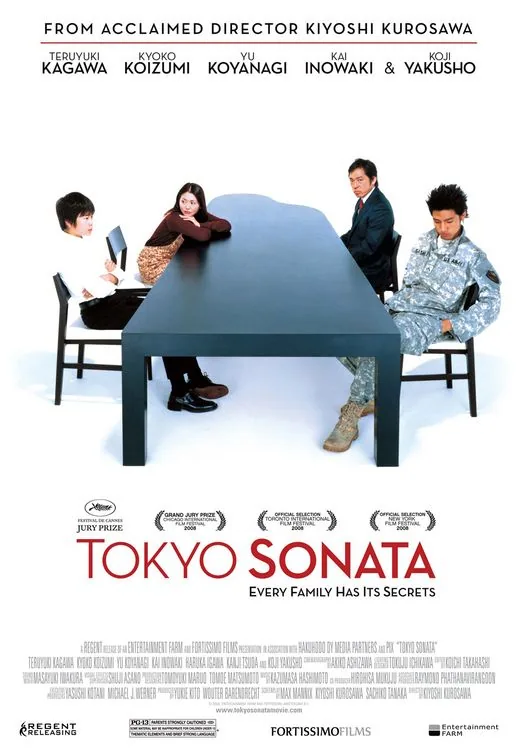
When office worker Ryūhei loses his position during a corporate restructuring, he conceals the dismissal from his wife and sons and keeps returning each day as if he still has a job. His teenage son Takashi announces a plan that takes him far from home, while younger Kenji secretly studies piano against his father’s wishes. Megumi, the family’s mother, is left managing a household whose members share meals but hide their fears. As their deceptions unravel, this restrained Tokyo drama follows economic insecurity into the private life of a family.
What drives the story
The family’s separate secrets accumulate until job loss, a son’s departure and a hidden piano education force the household toward crisis.
The people at its centre
Ryūhei’s need to preserve his authority strains his marriage and his sons, while Megumi and Kenji seek forms of agency the household cannot comfortably acknowledge.
What it feels like
An understated family drama lets awkward silences and ordinary routines gather the pressure of a social and emotional breakdown.
Worth knowing
Its domestic realism turns on disguised unemployment and musical self-expression, then edges into unsettling fable without becoming a conventional ghost story.