Both share themes of care and belonging, plus a tender atmosphere.
Why this matches +
Genres: Drama
Shared film traits
Based on recorded story, mood and style. Your preferences can change the order.
Coming of age · Family and care
Expect tender and restless, with brisk and observational pacing.
Twelve-year-old Cyril lives in a children’s home in Liège and keeps trying to reach his father, who has left him behind. After a chance encounter, hairdresser Samantha agrees to take him on weekends and returns his bicycle. Cyril remains determined to win his father’s attention, and the disappointment leads him toward a local gang leader despite Samantha’s care. The Dardenne brothers follow the boy’s impulsive search for belonging through fragile trust, rejection and the possibility of choosing another path.
Based on recorded story, mood and style. Your preferences can change the order.
Coming of age · Family and care
What changes The Quiet Girl: measured, minimal, patient and emotionally cumulative. Nobody Knows: akira’s effort to preserve the hidden household grows more difficult as money and food run out.
A mother moves into a Tokyo apartment with her four children but hides the younger siblings from the landlord, leaving only eldest son Akira visible. When she leaves for months with little money, Akira takes responsibility for rent, food and his brothers’ and sister’s daily needs. The children have been kept out of school and away from public attention, so their shrinking resources make ordinary childhood harder to sustain. The film quietly follows the siblings’ improvised household as its fragile independence gives way to loss.
Both share themes of grief and belonging, plus a restrained and tender atmosphere.
Why this matches +
Genres: Drama
Shared film traits
Based on recorded story, mood and style. Your preferences can change the order.
Coming of age · Family and care
Expect tender and observant, with quiet and patient pacing.
Léo and Rémi share a close friendship through childhood games, sleepovers and summers at a flower farm in rural Belgium. When classmates begin labeling their intimacy, Léo becomes more guarded and turns toward new peers and ice hockey, leaving Rémi to make sense of the distance. A sudden loss changes the story into an intimate portrait of grief, guilt and the ways a boy tries to understand feelings he has been taught to conceal.
Based on recorded story, mood and style. Your preferences can change the order.
Family and care
What changes The Quiet Girl: measured, minimal, patient and emotionally cumulative. System Crasher: intense episodes, escalating crises and open-ended pressure.
Nine-year-old Bernadette, known as Benni, has intense outbursts that make school and foster placements difficult to sustain. She wants to live with her mother, but the family and child-welfare system cannot find a stable arrangement that keeps everyone safe. Social worker Michael tries a range of placements and support plans, while Benni’s need for closeness and the adults’ limited options pull them toward another crisis.
Based on recorded story, mood and style. Your preferences can change the order.
Memory and identity
What changes The Quiet Girl: measured, minimal, patient and emotionally cumulative. Pieces of a Woman: long immersive opening, quiet aftermath and emotionally gradual resolution.
Martha and Sean prepare for their first child, but a home birth ends in a devastating loss that alters their relationship and draws Martha's wealthy mother Elizabeth into an already fragile household. While Sean seeks ways to move forward and Elizabeth presses for accountability, Martha struggles to process grief in her own time. The film follows several months of private rupture and public judgment, using a long childbirth sequence and restrained domestic scenes to examine mourning that cannot be neatly resolved.
Based on recorded story, mood and style. Your preferences can change the order.
Coming of age
What changes The Quiet Girl: measured, minimal, patient and emotionally cumulative. This Is England: a summer of social discovery gradually shifts into moral conflict.
In 1983, twelve-year-old Shaun Fields is lonely after his father’s death in the Falklands War and begins spending time with a local group of skinheads. Their welcoming friendship changes when Combo, an older member newly released from prison, returns and introduces racist nationalist politics into the group. Shane Meadows’s drama follows Shaun’s search for belonging as affection, identity, and ideology become entangled, keeping the consequences close to a child still learning how adults shape his world.
Both share themes of grief, plus a restrained atmosphere.
Why this matches +
Genres: Drama / Mystery
Shared film traits
Based on recorded story, mood and style. Your preferences can change the order.
Family and care · Memory and identity
What changes The Quiet Girl: measured, minimal, patient and emotionally cumulative. Birth: the child’s claims draw the family into a debate about reincarnation and grief and anna’s future with joseph.
Ten years after her husband Sean dies, Anna lives in New York and is preparing to marry Joseph. At a family gathering, a boy who has taken Sean’s name appears and claims to be her reincarnated husband. Anna is unsettled by his knowledge of private details, while Joseph and Sean’s family look for explanations and question what the child’s presence means. As the boy’s claim changes the adults’ relationships, Anna must distinguish grief and longing from the life she is building in the present.
Based on recorded story, mood and style. Your preferences can change the order.
Coming of age · Family and care
What changes The Quiet Girl: measured, minimal, patient and emotionally cumulative. Never Rarely Sometimes Always: quiet observational scenes, day-by-day appointment structure, deliberate pauses and low-key emotional turning points.
Seventeen-year-old Autumn discovers she is pregnant and learns that her rural Pennsylvania clinic will not provide the care she wants without parental consent. She travels to New York City with her cousin Skylar, where the two navigate appointments, transport, money, and the strain of keeping their trip private. Eliza Hittman’s restrained drama follows their practical decisions and quiet moments of support, giving close attention to the obstacles Autumn faces and the trust that sustains the cousins through an unfamiliar city.
Based on recorded story, mood and style. Your preferences can change the order.
Memory and identity
What changes The Quiet Girl: measured, minimal, patient and emotionally cumulative. The Divine Secrets of the Ya-Ya Sisterhood: alternating timelines and character-led.
A playwright's public comments about her childhood deepen a long-running rift with her mother and threaten to disrupt her upcoming wedding. The mother's lifelong friends intervene, bringing the daughter into a shared history that spans girlhood, marriage and painful family choices. The drama uses memories and an ensemble of older women to ask how adult children can understand parents without excusing the harm they experienced.
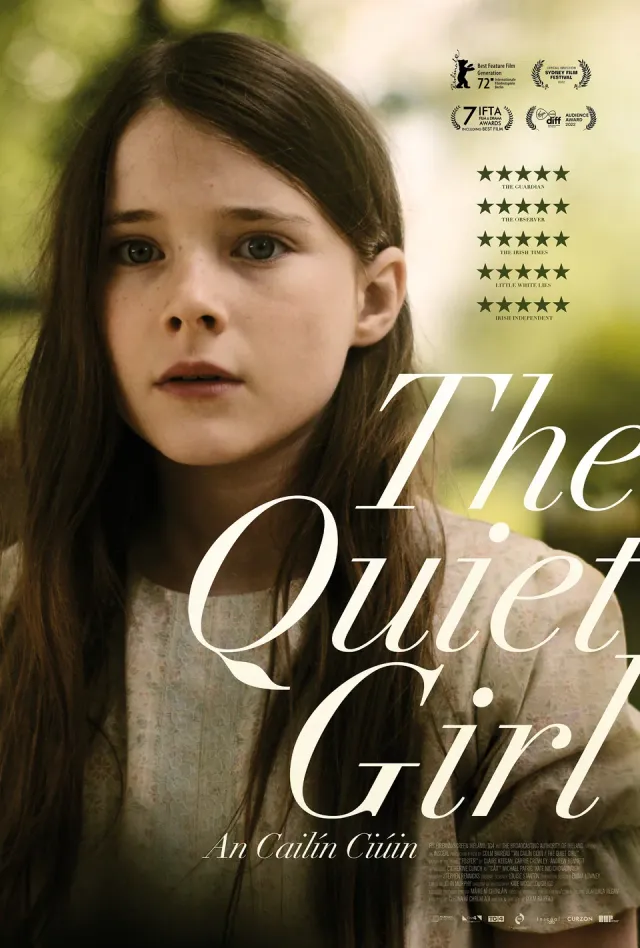
Nine-year-old Cáit is sent from her crowded home to stay with distant relatives in rural Ireland for the summer. Eibhlín welcomes her with patient care, while the more reserved Seán gradually makes room for the child in the routines of the farm. As Cáit learns the household’s silences and small acts of kindness, she discovers how attention can make a neglected child feel safe and how grief can remain present without being explained.
What drives the story
Cáit moves into a relative’s home for the summer, where daily chores and careful attention reveal a different model of family life.
The people at its centre
Cáit grows more confident as she receives dependable care, while Eibhlín and Seán express affection through distinct everyday gestures.
What it feels like
Sparse dialogue and a child-centered viewpoint make household sounds, clothing and routines carry the story’s emotional meaning.
Worth knowing
A quiet, carefully observed family drama whose discoveries come through behavior and atmosphere rather than plot twists.