Both share a mysterious and unsettling atmosphere.
Why this matches +
Genres: Thriller / Mystery
Shared film traits
Based on recorded story, mood and style. Your preferences can change the order.
Memory and identity
What changes Birth: the child’s claims draw the family into a debate about reincarnation and grief and anna’s future with joseph. Forgotten: clue-driven escalation, shifting perspective and twist-oriented suspense.
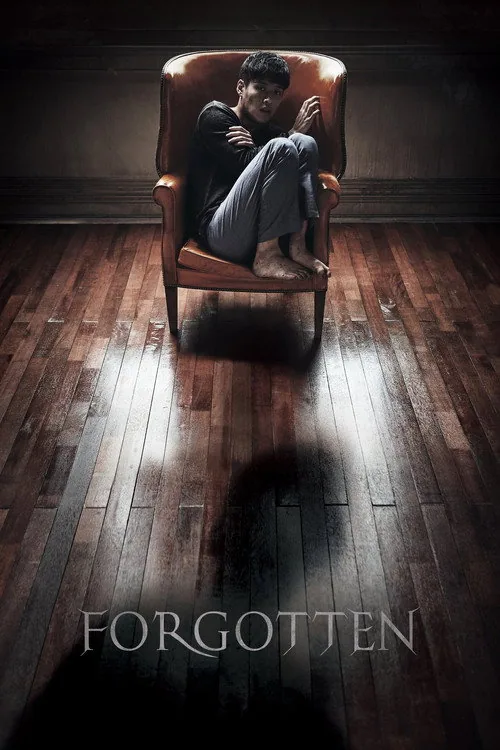
Jin-seok moves with his family into a new home and shares a room nearby with his older brother Yoo-seok, whom he deeply admires. When Yoo-seok is abducted and returns nineteen days later with no memory of the event, Jin-seok notices changes that make the family's reassuring explanations hard to accept. His investigation becomes a psychological thriller about memory, identity, and the reliability of familiar relationships. The Korean film uses escalating clues and an unstable point of view to keep both the protagonist and the audience questioning what has actually happened.
Based on recorded story, mood and style. Your preferences can change the order.
Memory and identity
What changes Birth: the child’s claims draw the family into a debate about reincarnation and grief and anna’s future with joseph. All Good Things: decades-spanning structure, slow-burn investigation and relationship deterioration.
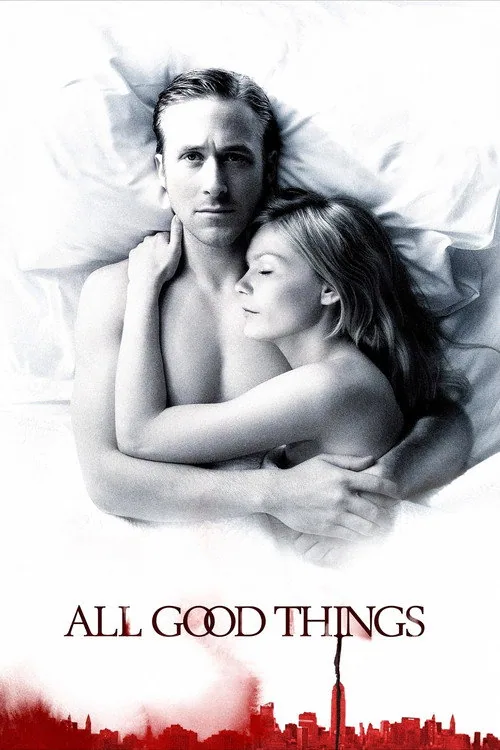
In 1970s New York, wealthy real-estate heir David Marks marries Katie, a working-class student, and the couple briefly tries to build a life outside his family’s influence. David's father draws him back into the family business, and the relationship becomes increasingly strained as Katie seeks independence and a future of her own. When she disappears, the story follows the investigation and the uncertainty surrounding David's account. Inspired by a real case, the drama is structured as a decades-spanning relationship and mystery about power, control, and what remains hidden inside a privileged family.
Based on recorded story, mood and style. Your preferences can change the order.
Memory and identity · Family and care
What changes Birth: the child’s claims draw the family into a debate about reincarnation and grief and anna’s future with joseph. Wonderstruck: interwoven timelines, quest-driven and revelatory.
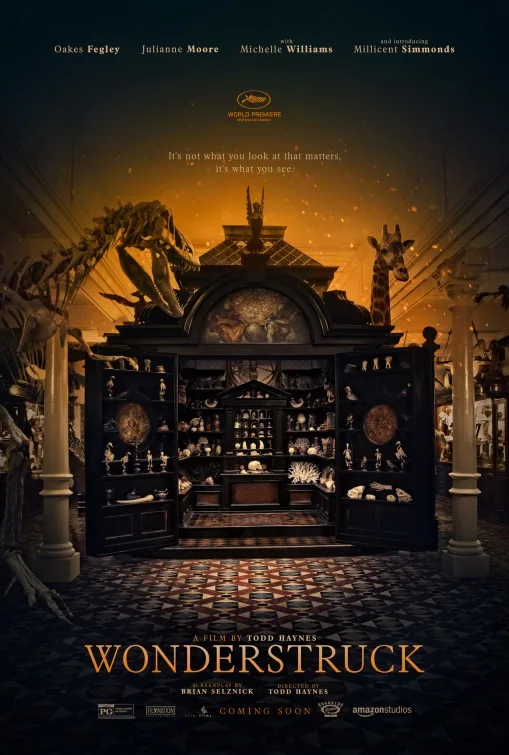
In 1927, deaf girl Rose leaves New Jersey for New York City to find the actress whose life she has followed. Fifty years later, Ben loses his hearing after an accident and sets out from Minnesota after discovering a clue about his father. The children’s journeys converge around the American Museum of Natural History, where objects, family histories and the city’s changes connect their stories. Todd Haynes presents the two timelines with distinct visual and sound approaches.
Based on recorded story, mood and style. Your preferences can change the order.
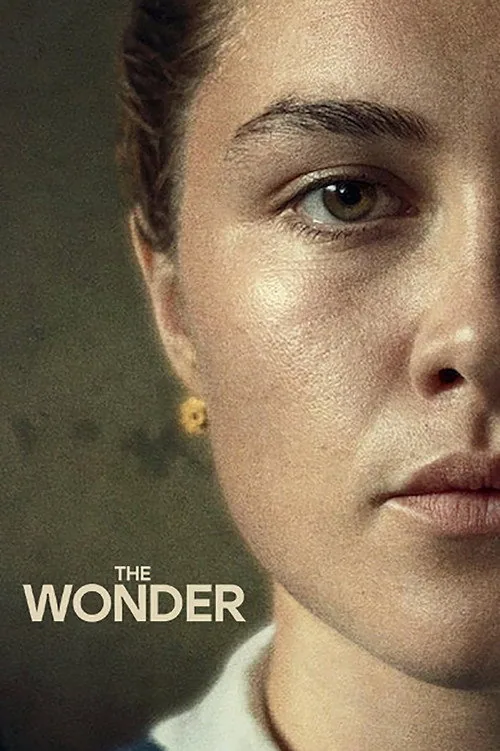
What changes Birth: the child’s claims draw the family into a debate about reincarnation and grief and anna’s future with joseph. The Wonder: observation begins as a formal assignment, evidence and attachment complicate judgment and a crisis forces lib to intervene.
In 1862, English nurse Lib Wright travels to a remote Irish village to observe Anna O'Donnell, a girl whose family says she has survived for months without food. The local committee hires Lib and a nun to watch Anna in shifts and report whether the claim is genuine. As Lib questions the household and bonds with the child, the inquiry becomes a struggle over belief, hunger, family loyalty, and the community's need for a miracle after famine and conflict.
Both share themes of grief, plus a restrained atmosphere.
Why this matches +
Genres: Drama
Shared film traits
Based on recorded story, mood and style. Your preferences can change the order.
Memory and identity · Family and care
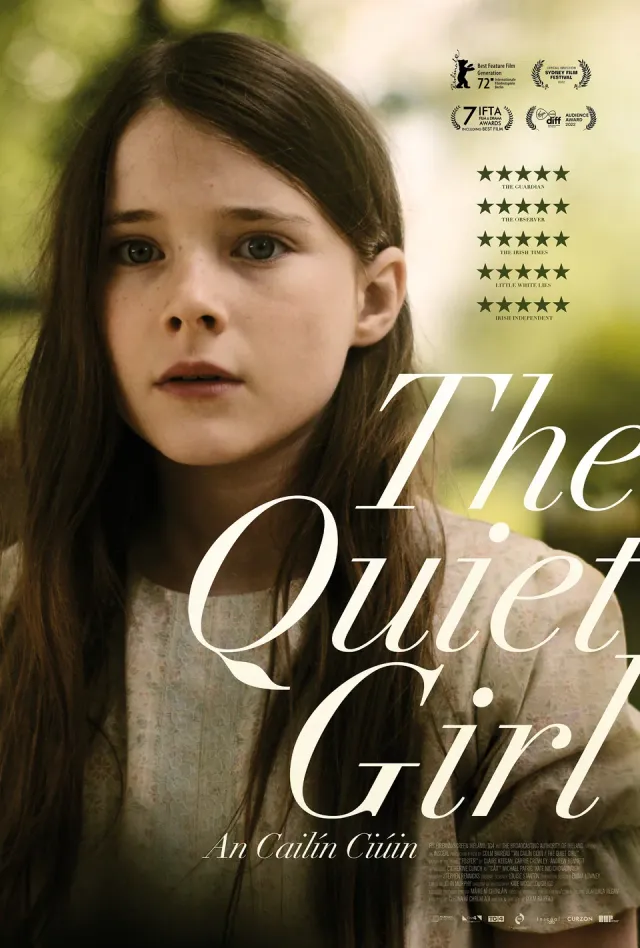
What changes Birth: the child’s claims draw the family into a debate about reincarnation and grief and anna’s future with joseph. The Quiet Girl: measured, minimal, patient and emotionally cumulative.
Nine-year-old Cáit is sent from her crowded home to stay with distant relatives in rural Ireland for the summer. Eibhlín welcomes her with patient care, while the more reserved Seán gradually makes room for the child in the routines of the farm. As Cáit learns the household’s silences and small acts of kindness, she discovers how attention can make a neglected child feel safe and how grief can remain present without being explained.
Based on recorded story, mood and style. Your preferences can change the order.
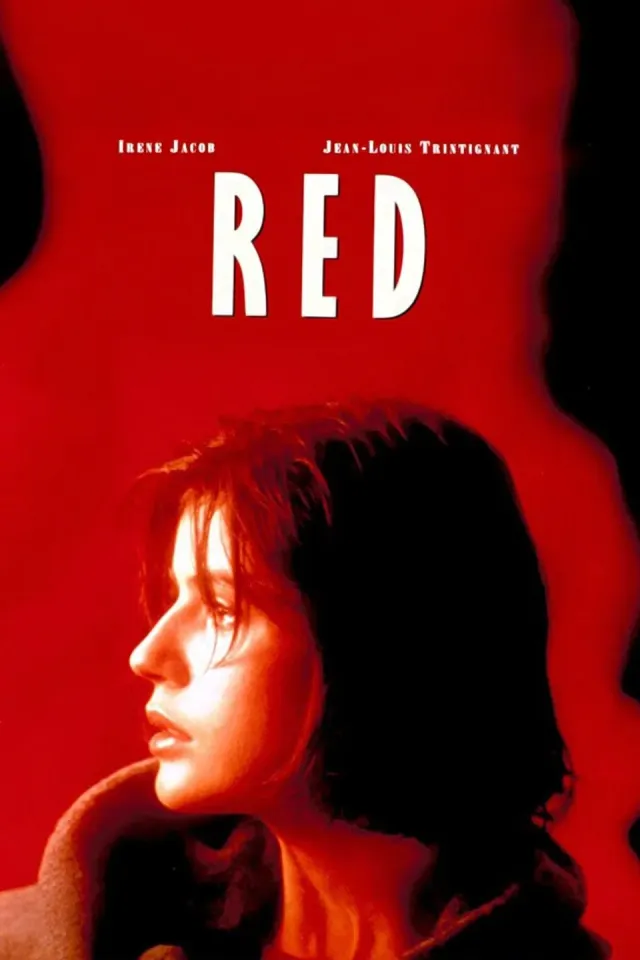
What changes Birth: the child’s claims draw the family into a debate about reincarnation and grief and anna’s future with joseph. Three Colours: Red: measured and interwoven.
In Geneva, model Valentine accidentally hits a dog and follows its address to the home of retired judge Joseph Kern. She discovers that he has been listening to his neighbors’ telephone calls, and their conversations gradually become a debate about privacy, responsibility and whether observation can substitute for involvement. Valentine’s own relationship with a distant boyfriend and the life of her neighbor Auguste develop in parallel, creating coincidences that the film leaves partly open to interpretation. The third film in Kieślowski’s trilogy connects chance encounters to a question of how people choose to treat one another. Kern’s listening has damaged his neighbors’ privacy, but telling Valentine what he did does not undo the breach.
Based on recorded story, mood and style. Your preferences can change the order.
Memory and identity
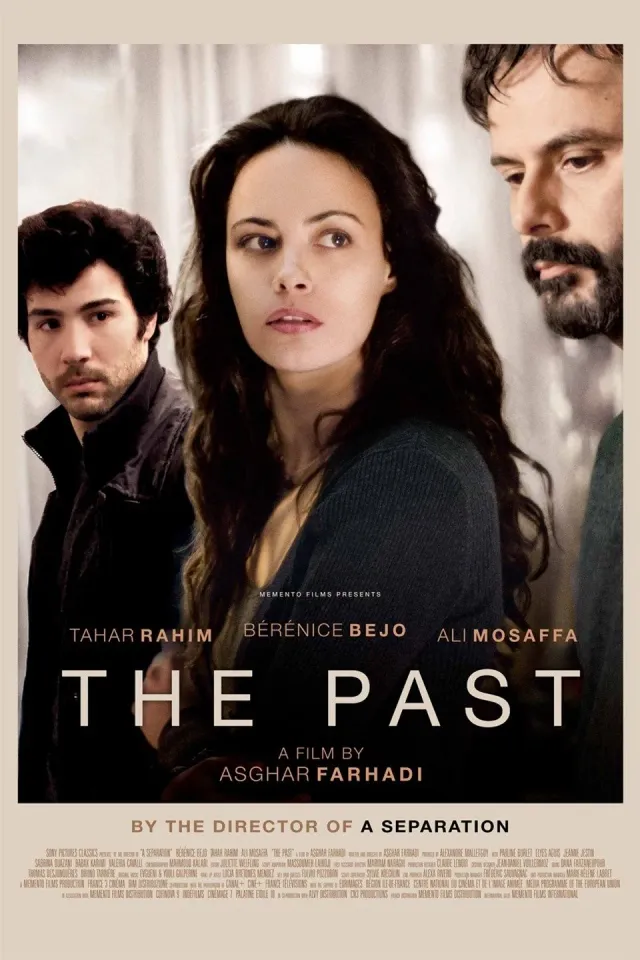
What changes Birth: the child’s claims draw the family into a debate about reincarnation and grief and anna’s future with joseph. The Past: a domestic investigation gradually reveals overlapping histories and motives.
Ahmad returns to France from Iran to complete his divorce from Marie and finds himself drawn into the tensions of her current household. Her teenage daughter Lucie is troubled by the new relationship with Samir, while adults struggle to understand what the children know and what they have hidden. The family drama shows how prior relationships remain active in the present, turning silence and partial knowledge into sources of conflict.
Based on recorded story, mood and style. Your preferences can change the order.
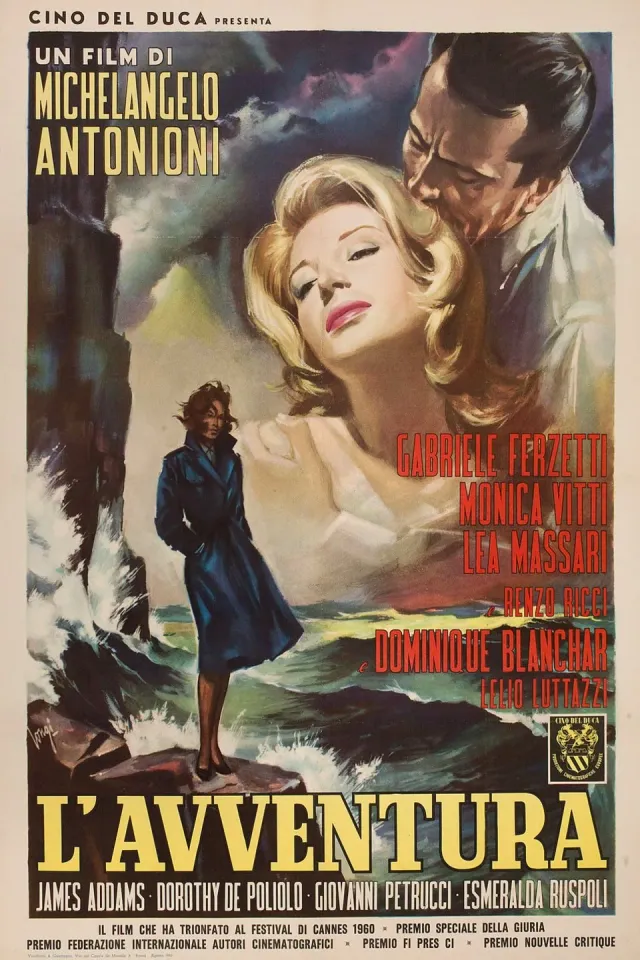
What changes Birth: the child’s claims draw the family into a debate about reincarnation and grief and anna’s future with joseph. L’avventura: measured and elliptical.
Anna joins her lover Sandro, her close friend Claudia and a group of wealthy acquaintances on a boating trip among rocky Mediterranean islands. When Anna disappears, the others begin to search, but certainty proves elusive. Claudia and Sandro grow closer as the investigation continues, leaving their attraction entangled with guilt, Anna’s absence and the fragile loyalties of their social circle.
Shared characteristics
Genre: Mystery
Genre: Drama
Poster: Film rights holders; original film promotional poster from the identified source · Image source
Based on recorded story, mood and style. Your preferences can change the order.
Memory and identity
What changes Birth: the child’s claims draw the family into a debate about reincarnation and grief and anna’s future with joseph. Murder Mystery: clue-led episodes with comic detours.
After Audrey challenges her husband Nick to honor a long-promised European trip, the couple meet a billionaire who invites them onto his family yacht. A murder turns the vacation into a private investigation, and the spouses become both amateur detectives and suspects. The comedy mystery uses their mismatched assumptions and Nick’s police experience to move through a parade of wealthy relatives, red herrings, and travel set pieces.
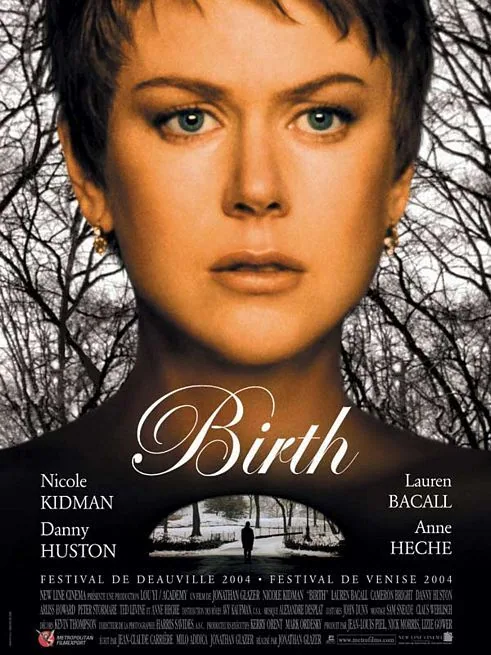
Ten years after her husband Sean dies, Anna lives in New York and is preparing to marry Joseph. At a family gathering, a boy who has taken Sean’s name appears and claims to be her reincarnated husband. Anna is unsettled by his knowledge of private details, while Joseph and Sean’s family look for explanations and question what the child’s presence means. As the boy’s claim changes the adults’ relationships, Anna must distinguish grief and longing from the life she is building in the present.
What drives the story
Anna’s longing for Sean conflicts with the commitment she has begun making to Joseph.
The people at its centre
The boy’s presence affects each relative differently, bringing old memories and private doubts into view.
What it feels like
The film keeps supernatural possibility and psychological explanation in tension rather than resolving them quickly.
Worth knowing
A ten-year-old boy enters a widow’s life claiming to be her late husband, unsettling an impending marriage.
griefbeliefidentity
Mood
mysterious · restrained · unsettling · romantic
Pacing
The child’s claims draw the family into a debate about reincarnation · grief and Anna’s future with Joseph
Visual style
Formal compositions and quiet interiors sustain an atmosphere where uncertainty is never fully settled
Storytelling
A widow’s engagement is shaken when a boy claims to be her dead husband returned in another body