Explore films connected to The Wonder through faith and evidence, care and neglect, community after trauma. Choose the qualities you want to carry into your next watch.
What should feel similar?
Find your next favourite
9 films · Closest overall matches
Hide films you’ve seen or don’t want. Saved on this device.
No matches for this combination yet.
Try another option or reset your choices to see more films.
Based on recorded story, mood and style. Your preferences can change the order.
Investigation
What changes The Wonder: observation begins as a formal assignment, evidence and attachment complicate judgment and a crisis forces lib to intervene. The Good Nurse: slow-building, procedural and quietly suspenseful.
Amy Loughren is an intensive-care nurse and single mother whose heart condition and lack of insurance make steady work essential. She befriends new colleague Charles Cullen, an experienced nurse who supports her on night shifts, but unexplained patient deaths lead investigators to suspect deliberate harm. Amy becomes a crucial source of information while facing the personal danger and professional pressure of cooperating. Tobias Lindholm’s true-crime drama focuses on the difficult process of recognizing and proving abuse inside a hospital.
Based on recorded story, mood and style. Your preferences can change the order.
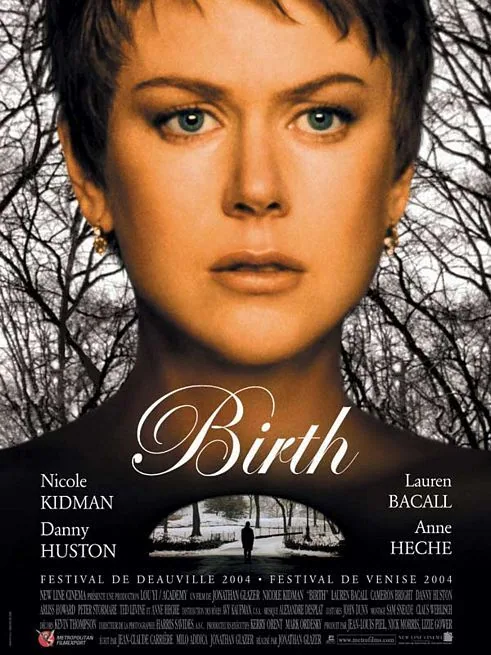
What changes The Wonder: observation begins as a formal assignment, evidence and attachment complicate judgment and a crisis forces lib to intervene. Birth: the child’s claims draw the family into a debate about reincarnation and grief and anna’s future with joseph.
Ten years after her husband Sean dies, Anna lives in New York and is preparing to marry Joseph. At a family gathering, a boy who has taken Sean’s name appears and claims to be her reincarnated husband. Anna is unsettled by his knowledge of private details, while Joseph and Sean’s family look for explanations and question what the child’s presence means. As the boy’s claim changes the adults’ relationships, Anna must distinguish grief and longing from the life she is building in the present.
Based on recorded story, mood and style. Your preferences can change the order.
Investigation
What changes The Wonder: observation begins as a formal assignment, evidence and attachment complicate judgment and a crisis forces lib to intervene. Dark Places: club's theory reopens the case, investigation uncovers conflicting recollections and reconstruction leads to a family revelation.
As a child, Libby Day survived the murder of her mother and sisters and identified her teenage brother Ben as the killer. Years later, short of money, she agrees to meet members of a true-crime club who believe Ben may be innocent. Their questions send her back through the events of that night and into contact with people who knew her family. The mystery shifts between past and present as Libby reconsiders testimony shaped by trauma and incomplete memory.
Based on recorded story, mood and style. Your preferences can change the order.
Investigation
What changes The Wonder: observation begins as a formal assignment, evidence and attachment complicate judgment and a crisis forces lib to intervene. The Tall Man: slow-burn, revelation-driven and unevenly tense.
Julia Denning, a nurse in the economically struggling town of Cold Rock, is drawn into a frightening search after local children disappear. Residents blame a figure from a familiar legend known as the Tall Man, and the mystery becomes tied to the town’s grief, poverty and competing explanations for what is happening. Pascal Laugier’s thriller shifts its perspective as Julia tries to understand the abductions and the people whose lives have been shaped by them.
Based on recorded story, mood and style. Your preferences can change the order.
Investigation
What changes The Wonder: observation begins as a formal assignment, evidence and attachment complicate judgment and a crisis forces lib to intervene. Stillwater: measured investigation, character-focused interludes and gradual moral complication.
Bill Baker, an unemployed oil worker from Oklahoma, travels to Marseille to visit his daughter Allison, imprisoned for killing her roommate. When she gives him information that may identify another suspect, Bill tries to reopen the case despite a lawyer's doubts and barriers he cannot easily navigate. A local woman, Virginie, helps him understand the city, and her young daughter becomes part of his daily life. The drama shifts between investigation, family obligation, and the difficult consequences of taking justice into one's own hands.
Based on recorded story, mood and style. Your preferences can change the order.
Investigation
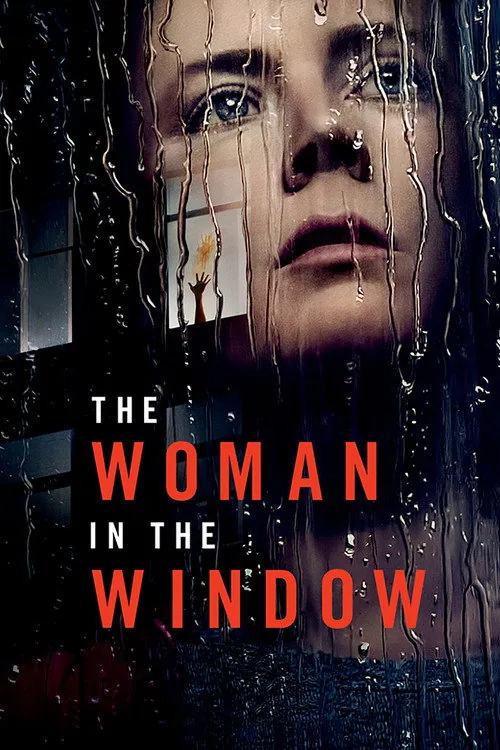
What changes The Wonder: observation begins as a formal assignment, evidence and attachment complicate judgment and a crisis forces lib to intervene. The Woman in the Window: mystery-led, slow-building and twist-heavy.
Child psychologist Anna Fox lives alone in a Manhattan brownstone and watches her neighbors while agoraphobia keeps her indoors. After befriending members of the Russell family, she believes she witnesses a murder across the street, but police and neighbors challenge her account. Medication, alcohol, grief, and isolation make it difficult to distinguish observation from hallucination as Anna investigates. Joe Wright’s adaptation of A. J. Finn’s novel uses the confined home and unreliable perspective to shape a psychological mystery about trauma and trust.
Based on recorded story, mood and style. Your preferences can change the order.
Survival
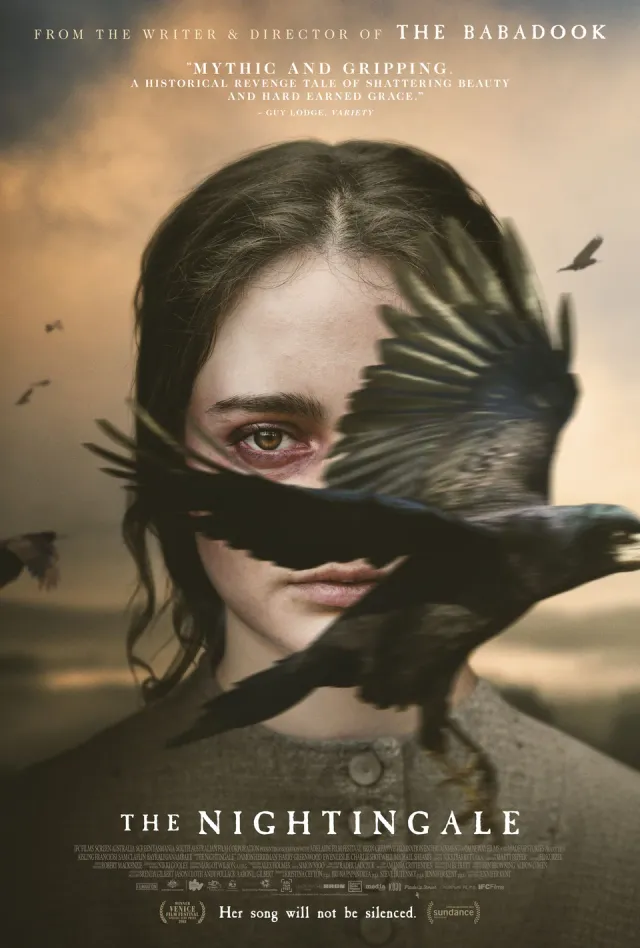
What changes The Wonder: observation begins as a formal assignment, evidence and attachment complicate judgment and a crisis forces lib to intervene. The Nightingale: slow-burn pursuit, journey episodes and intense confrontations.
In 1825 colonial Tasmania, Clare is an Irish convict seeking release from service under a British officer whose unit controls her future. When violence destroys what she hoped to build, she sets out after the men responsible and hires Billy, an Aboriginal tracker, to guide her through the wilderness. Their journey becomes an uneasy partnership shaped by grief, colonial power, racial violence, and the different histories each carries.
Based on recorded story, mood and style. Your preferences can change the order.
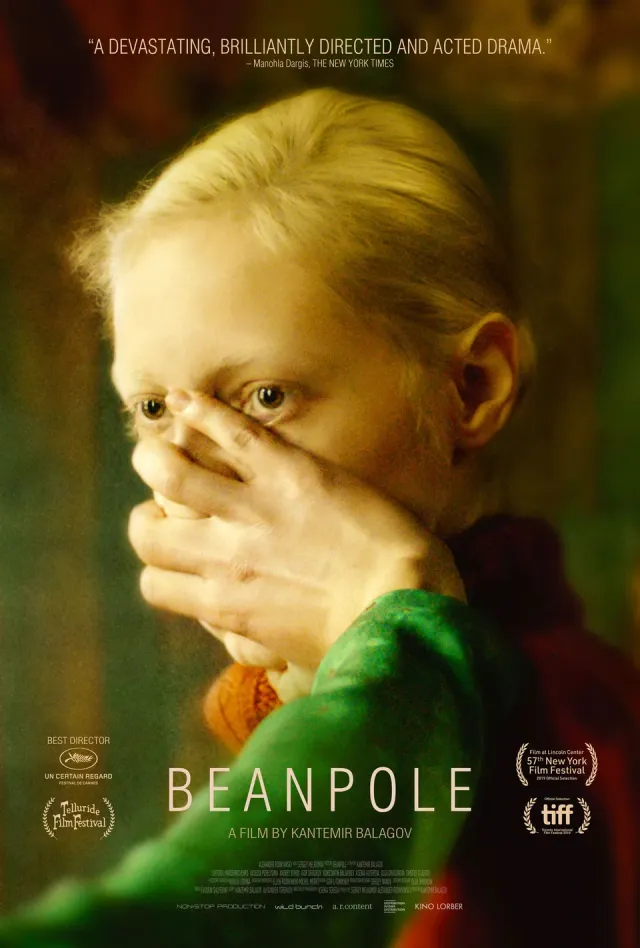
What changes The Wonder: observation begins as a formal assignment, evidence and attachment complicate judgment and a crisis forces lib to intervene. Beanpole: character-driven, quiet tension and emotional ruptures.
In the aftermath of the Second World War, nurse Iya works in a crowded Leningrad hospital while coping with episodes that temporarily immobilize her. Masha returns from the front and resumes a complicated relationship with Iya, whose life has become entangled with the cost of war. As the women try to imagine a future in a damaged city, their bond is shaped by trauma, dependence, desire, and conflicting ideas about motherhood.
Based on recorded story, mood and style. Your preferences can change the order.
Investigation
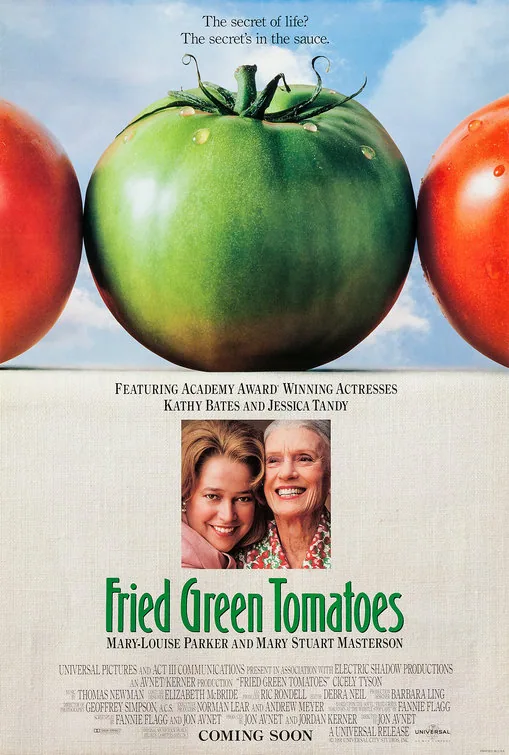
What changes The Wonder: observation begins as a formal assignment, evidence and attachment complicate judgment and a crisis forces lib to intervene. Fried Green Tomatoes: unhurried and interwoven timelines.
In 1980s Alabama, Evelyn Couch visits an older woman named Ninny Threadgoode in a nursing home and hears stories about the people of Whistle Stop. Ninny's memories center on the friendship between Idgie Threadgoode and Ruth Jamison, whose lives are shaped by love, violence, and a close-knit community. The interwoven timelines let Evelyn's quiet present be changed by the courage and loyalty she discovers in the past.
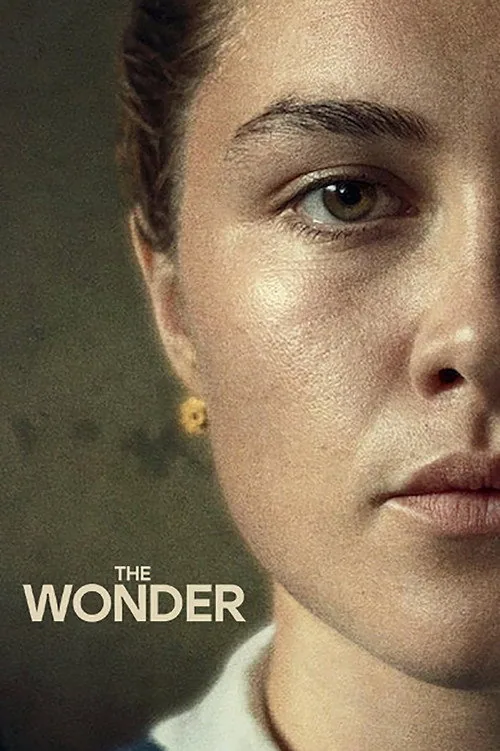
In 1862, English nurse Lib Wright travels to a remote Irish village to observe Anna O'Donnell, a girl whose family says she has survived for months without food. The local committee hires Lib and a nun to watch Anna in shifts and report whether the claim is genuine. As Lib questions the household and bonds with the child, the inquiry becomes a struggle over belief, hunger, family loyalty, and the community's need for a miracle after famine and conflict.
What drives the story
Lib must determine how Anna has survived without food and decide whether the village's vigil is helping or harming her.
The people at its centre
Lib's professional skepticism gives way to protective attachment, while Anna's family and the committee defend competing beliefs.
What it feels like
A restrained period mystery builds unease through long observation, rural austerity, and an increasingly urgent ethical question.
Worth knowing
Its mystery concerns a supposedly miraculous fasting child and the community that sustains the story, not a conventional crime.
faith and evidencecare and neglectcommunity after trauma
Mood
austere · mysterious · somber
Pacing
observation begins as a formal assignment · evidence and attachment complicate judgment · a crisis forces Lib to intervene
Visual style
muted rural landscapes · candlelit interiors and period textures · deliberate framing that emphasizes observation
Storytelling
nurse investigates a fasting child's claim · committee observes the household · religious conviction conflicts with medical care