A search for food turns into a test of conscience when two partisans are captured and forced to choose under pressure.
Why this matches +
These films share important themes, atmosphere or storytelling interests with this selection.
Genres: Drama / War
Shared film traits
Based on recorded story, mood and style. Your preferences can change the order.
War and civilian life
What changes Its own story: A search for food turns into a test of conscience when two partisans are captured and forced to choose under pressure.
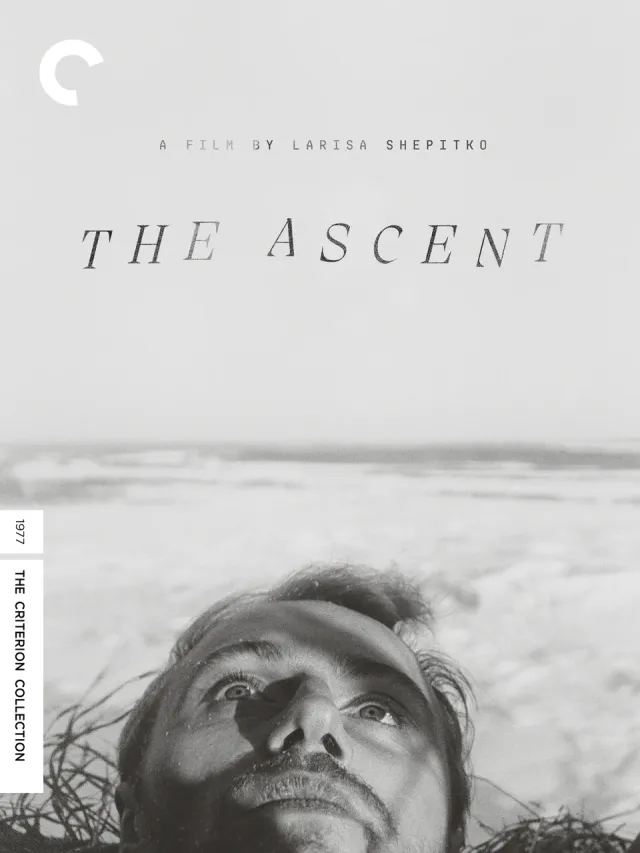
During the Second World War, Soviet partisans Sotnikov and Rybak leave their unit to find food for their comrades. A German patrol wounds Sotnikov, and the men seek shelter in a village home before they are discovered and captured with its owner, Demchikha. Under interrogation by a local collaborator, Sotnikov refuses to betray others and endures torture. Rybak faces a different test as fear and the promise of survival press him toward a decision that will define his moral relationship to his companion.
The war repeatedly removes the people and places Veronika relies on; her waiting becomes a private struggle against both bereavement and the family's judgment.
Why this matches +
These films share important themes, atmosphere or storytelling interests with this selection.
Genres: Drama / Romance
Shared film traits
Based on recorded story, mood and style. Your preferences can change the order.
War and civilian life
What changes Its own story: The war repeatedly removes the people and places Veronika relies on; her waiting becomes a private struggle against both bereavement and the family's judgment.
As Germany invades the Soviet Union, Veronika and Boris are separated when he volunteers for the army. A bombing kills Veronika's parents, and she moves in with Boris's family while waiting for him to return. His cousin Mark exploits her isolation and rapes her; the family later treats her as if she chose betrayal. At the front, Boris is sent on a dangerous mission and dies before he can come home. The film follows Veronika through grief, blame and wartime survival toward the moment when she can acknowledge the soldiers who will not return.
A pre-vow family visit becomes a search for concealed wartime deaths, unsettling two women’s different ways of living with history and choosing a future. Wanda’s investigation and Ida’s vocation meet at family graves but lead to different future choices.
Why this matches +
These films share important themes, atmosphere or storytelling interests with this selection.
Genres: Drama
Shared film traits
Based on recorded story, mood and style. Your preferences can change the order.
Memory and identity
What changes Its own story: A pre-vow family visit becomes a search for concealed wartime deaths, unsettling two women’s different ways of living with history and choosing a future. Wanda’s investigation and Ida’s vocation meet at family graves but lead to different future choices.
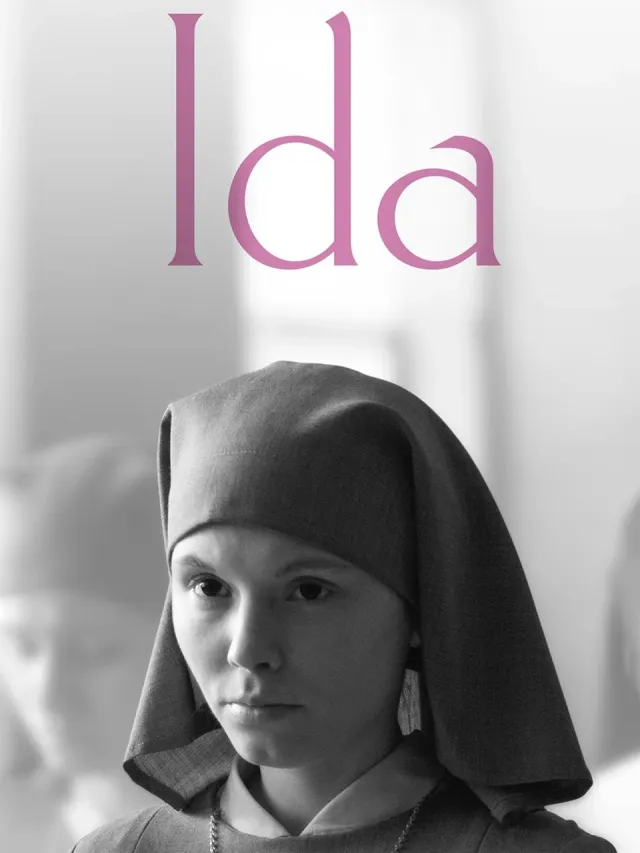
Before taking religious vows, novice Anna visits her only surviving relative, Wanda, and learns that she was born Jewish and given a different name. Their journey to locate the remains of family members killed during the occupation leads to difficult questions about local violence, survival and what can be recovered from silence. Wanda’s political past and grief shape one response; Ida’s quiet discipline and uncertainty shape another. Their discoveries do not produce a simple replacement identity or a single verdict on Poland. The film’s black-and-white, nearly square compositions make its sparse spaces and withheld information part of the historical tension, not merely an elegant style.
A family’s response to Mabel’s behavior leads to psychiatric treatment and a tense attempt to rebuild life at home.
Why this matches +
These films share important themes, atmosphere or storytelling interests with this selection.
Genres: Drama
Shared film traits
Based on recorded story, mood and style. Your preferences can change the order.
What changes Its own story: A family’s response to Mabel’s behavior leads to psychiatric treatment and a tense attempt to rebuild life at home.
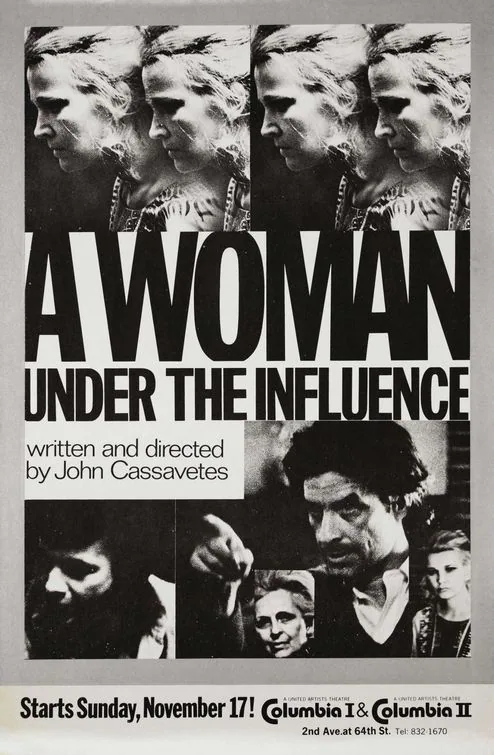
Mabel Longhetti is devoted to her children and husband Nick, but her unpredictable behavior alarms the people around her. Nick struggles to reconcile love for her with the expectations of their family and community, eventually agreeing to psychiatric treatment. When Mabel returns home, both face the difficult question of whether the household can welcome her without demanding that she become someone else.
Autumn and Skylar travel from Pennsylvania to New York as they seek care and manage each step with limited money and privacy.
Why this matches +
These films share important themes, atmosphere or storytelling interests with this selection.
Genres: Drama
Shared film traits
Based on recorded story, mood and style. Your preferences can change the order.
Family and care
What changes Its own story: Autumn and Skylar travel from Pennsylvania to New York as they seek care and manage each step with limited money and privacy.
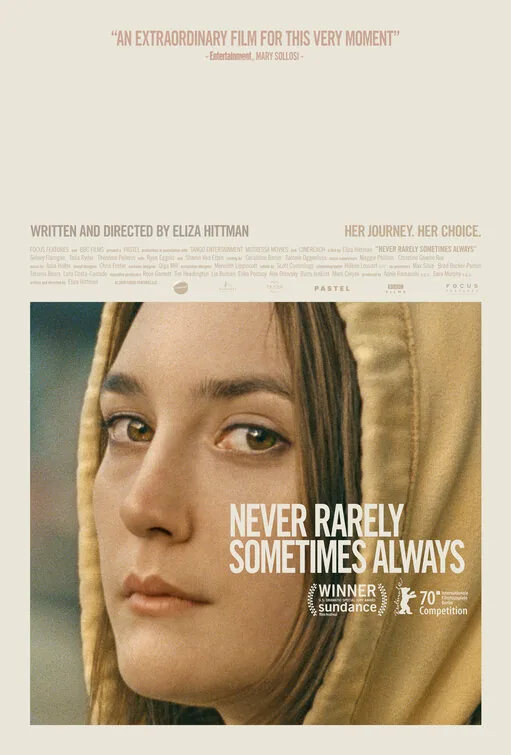
Seventeen-year-old Autumn discovers she is pregnant and learns that her rural Pennsylvania clinic will not provide the care she wants without parental consent. She travels to New York City with her cousin Skylar, where the two navigate appointments, transport, money, and the strain of keeping their trip private. Eliza Hittman’s restrained drama follows their practical decisions and quiet moments of support, giving close attention to the obstacles Autumn faces and the trust that sustains the cousins through an unfamiliar city.
An encounter with a young family activates memories that make Leda reassess her choices and what she has hidden from herself.
Why this matches +
These films share important themes, atmosphere or storytelling interests with this selection.
Genres: Drama / Psychological thriller
Shared film traits
Based on recorded story, mood and style. Your preferences can change the order.
Memory and identity
What changes Its own story: An encounter with a young family activates memories that make Leda reassess her choices and what she has hidden from herself.
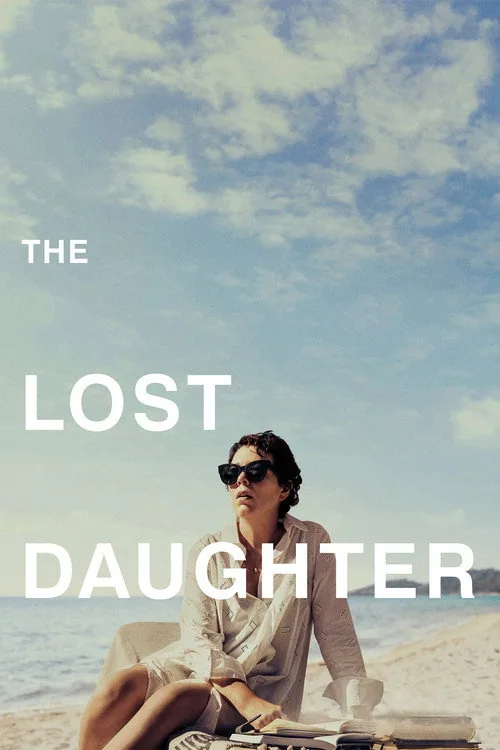
On a Greek island holiday, professor and translator Leda Caruso observes a young mother, Nina, struggling with the demands of caring for her daughter. A missing doll becomes an unsettling focus for Leda, while memories of her own years as a mother return through flashbacks. As Leda and Nina speak, the film explores choices, resentment, desire, and the parts of motherhood people rarely admit aloud. Maggie Gyllenhaal’s adaptation of Elena Ferrante’s novel is a psychological character study with a deliberately uneasy view of intimacy and maternal identity.
A boy seeking to join the resistance is pulled into civilian extermination and the devastation of occupied Belarus, where each encounter removes another layer of childhood expectation. Flyora's changing face registers damage more than a conventional victory arc.
Why this matches +
These films explore a related idea in a different setting, genre or style.
An adjacent discovery: a related idea with a different viewing experience.
Genres: War / Drama
Shared film traits
Based on recorded story, mood and style. Your preferences can change the order.
War and civilian life
What changes Its own story: A boy seeking to join the resistance is pulled into civilian extermination and the devastation of occupied Belarus, where each encounter removes another layer of childhood expectation. Flyora's changing face registers damage more than a conventional victory arc.
Teenager Flyora joins partisans in Nazi-occupied Belarus, expecting resistance to be a path into action. Instead, the film follows a child through the destruction of villages and the murder of civilians, making atrocity a lived sensory experience rather than an abstract lesson about war. His face, sound and shifting perception carry the cost of witnessing; the historical specificity of occupation and extermination should not be flattened into a claim that every conflict is equivalent. This is an exceptionally intense film, not a conventional battlefield adventure. The film's closing newsreel montage runs backward, refusing a comforting return to innocence.
Two children attempt to survive material deprivation without dependable adult protection.
Why this matches +
These films explore a related idea in a different setting, genre or style.
An adjacent discovery: a related idea with a different viewing experience.
Genres: Animation / Drama
Shared film traits
Based on recorded story, mood and style. Your preferences can change the order.
War and civilian life
What changes Its own story: Two children attempt to survive material deprivation without dependable adult protection.
A teenage boy and his younger sister lose their mother during wartime bombing and struggle to secure food and shelter. Tensions with relatives lead them to attempt an independent household as deprivation worsens around them. The older child's determination to protect his sister is constrained by pride, limited resources and a society whose ordinary supports have been broken by war.
Saul’s burial mission is a small, concrete act of care inside a system designed to erase both personhood and mourning.
Why this matches +
These films explore a related idea in a different setting, genre or style.
An adjacent discovery: a related idea with a different viewing experience.
Genres: Historical drama / war drama
Shared film traits
Based on recorded story, mood and style. Your preferences can change the order.
War and civilian life
What changes Its own story: Saul’s burial mission is a small, concrete act of care inside a system designed to erase both personhood and mourning.
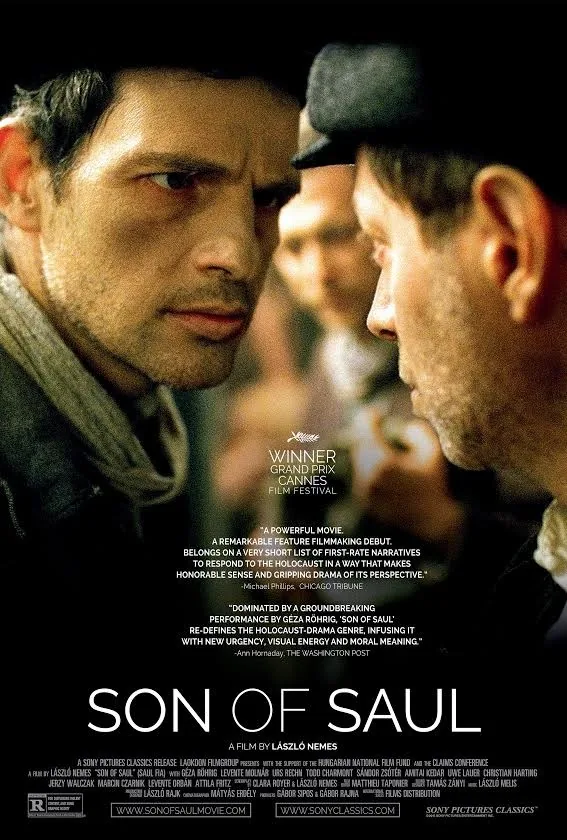
In Auschwitz in 1944, Sonderkommando prisoner Saul finds a boy still alive after a gassing and becomes fixated on securing a proper burial before the body is taken for autopsy and cremation. His search for a rabbi and ritual unfolds while fellow prisoners plan an uprising and try to document the camp’s atrocities. Saul offers help to the resistance, but his pursuit of a private act of dignity repeatedly interferes with their larger plan. The film keeps the violence at the edges of the frame, following his narrow field of attention through an almost unbearable environment.
Escalating persecution reduces a musician's social world to unstable shelters and practical survival, with each reprieve exposing dependence on another person's risk or restraint.
Why this matches +
These films explore a related idea in a different setting, genre or style.
An adjacent discovery: a related idea with a different viewing experience.
Genres: Drama / Biography
Shared film traits
Based on recorded story, mood and style. Your preferences can change the order.
War and civilian life
What changes Its own story: Escalating persecution reduces a musician's social world to unstable shelters and practical survival, with each reprieve exposing dependence on another person's risk or restraint.
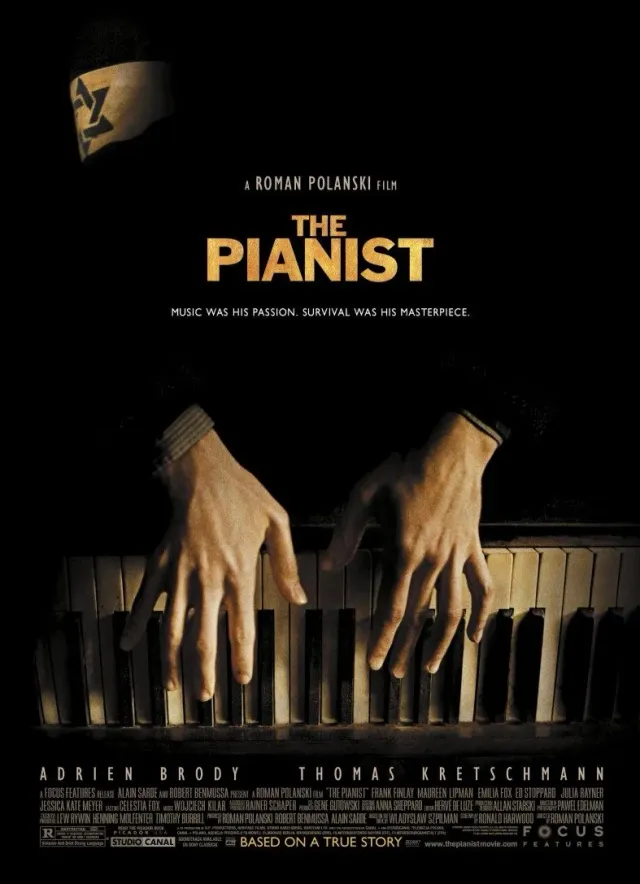
Polish Jewish musician Władysław Szpilman watches the Nazi occupation of Warsaw progressively strip his family of livelihood, movement and safety. Separated from them during deportation, he survives through forced labour, help from acquaintances and prolonged hiding in a city being destroyed around him. Music remains part of his identity, but endurance depends on contingent aid and temporary shelter rather than the protection professional distinction might once have promised.
Criminalization and the pregnancy's concealed stage give the provider leverage to demand sex rather than accept payment, turning practical help into an ordeal that the helping friend must manage herself.
Why this matches +
These films explore a related idea in a different setting, genre or style.
An adjacent discovery: a related idea with a different viewing experience.
Genres: Drama
Shared film traits
Based on recorded story, mood and style. Your preferences can change the order.
What changes Its own story: Criminalization and the pregnancy's concealed stage give the provider leverage to demand sex rather than accept payment, turning practical help into an ordeal that the helping friend must manage herself.
In late communist Romania, Otilia helps her roommate arrange an illegal abortion while carrying most of the work of finding money, a room and a provider. Inaccurate information narrows their options, allowing the man they depend on to impose increasingly coercive terms. Moving between the hotel, public transport and an ordinary family dinner, Otilia must absorb a private emergency that the surrounding social world either exploits or barely notices, straining solidarity without making abandonment an easy choice.
A string of unexplained injuries and acts of damage exposes a village where adult authority depends on fear and punishment.
Why this matches +
These films explore a related idea in a different setting, genre or style.
An adjacent discovery: a related idea with a different viewing experience.
Genres: Drama / Historical
Shared film traits
Based on recorded story, mood and style. Your preferences can change the order.
What changes Its own story: A string of unexplained injuries and acts of damage exposes a village where adult authority depends on fear and punishment.
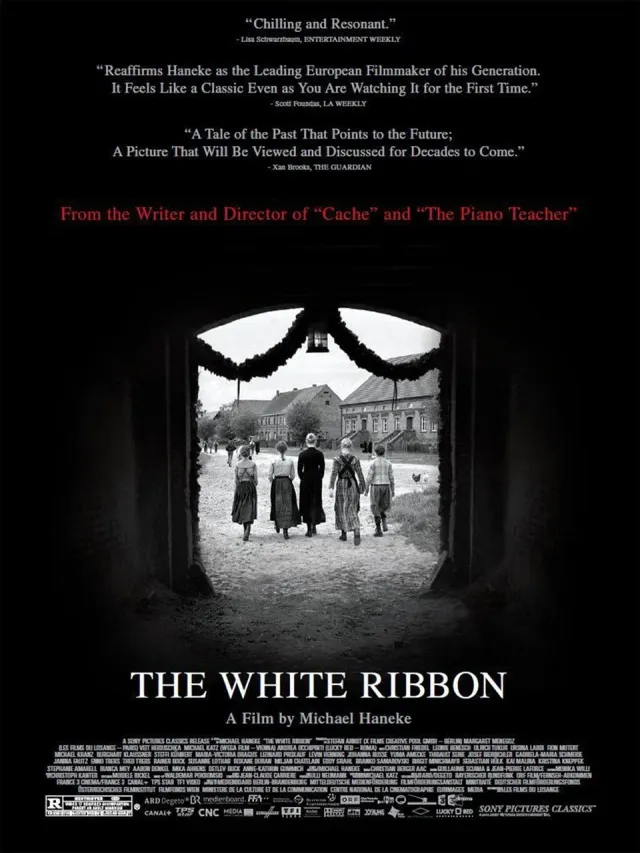
In a Protestant village in northern Germany shortly before World War I, a doctor is injured when his horse trips over a wire, and a series of other disturbing incidents unsettles the community. The schoolteacher narrates events as he remembers them, including the abuse and rigid discipline imposed by adults, the baron’s household and the children’s choral group. Suspicion moves through the village, but the events are never conclusively assigned to a single culprit. The film connects private cruelty with social authority while preserving the limits of what its older narrator can know. The adults’ punishments are visible, while the identities and motives behind the attacks remain uncertain.
A folk ensemble becomes the starting point for a relationship repeatedly reshaped by political borders, artistic compromise and different opportunities to leave.
Why this matches +
These films explore a related idea in a different setting, genre or style.
An adjacent discovery: a related idea with a different viewing experience.
Genres: Drama / Romance
Shared film traits
Based on recorded story, mood and style. Your preferences can change the order.
What changes Its own story: A folk ensemble becomes the starting point for a relationship repeatedly reshaped by political borders, artistic compromise and different opportunities to leave.
After World War II, composer and pianist Wiktor and singer Zula meet in a Polish folk ensemble shaped by state cultural policy. Their love carries them across years and borders, but exile, language and performance alter what each can make of artistic freedom. Western life offers Wiktor another possibility without giving Zula the same route or resolving their unequal choices. The film's elliptical jumps and shifting songs make the relationship feel both enduring and repeatedly remade, resisting the idea that suffering alone proves a perfect romance.
Stephens’s search for damages is tangled with his inability to repair his relationship with his daughter.
Why this matches +
These films explore a related idea in a different setting, genre or style.
An adjacent discovery: a related idea with a different viewing experience.
Genres: Drama
Shared film traits
Based on recorded story, mood and style. Your preferences can change the order.
Family and care · Memory and identity
What changes Its own story: Stephens’s search for damages is tangled with his inability to repair his relationship with his daughter.
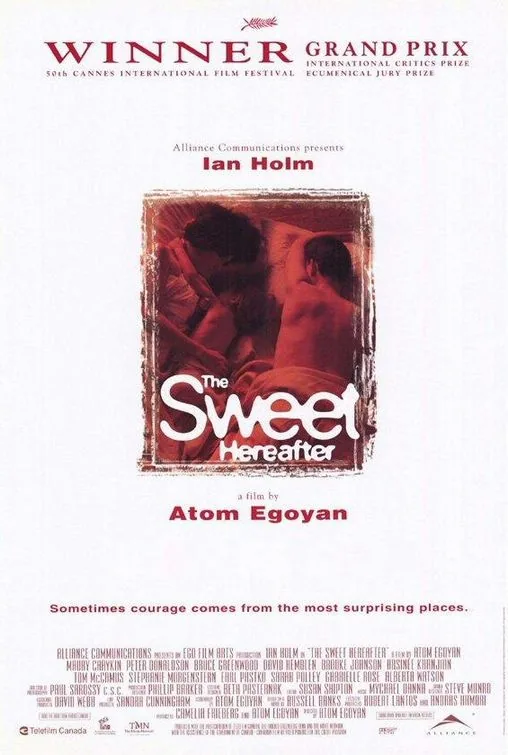
A school bus crash kills fourteen children in the small British Columbia town of Sam Dent. Lawyer Mitchell Stephens arrives to organize a lawsuit, carrying private grief over his estranged daughter’s addiction. The case depends on testimony from survivors and the bus driver, and Stephens tries to shape what the witnesses will say about the crash. Nicole Burnell, a teenager who survived with a serious injury, makes a choice at her deposition that stops the suit. Her decision leaves the community to live with grief outside the promise of legal compensation.
An unexpected guardianship forces a grieving man to revisit the place and history he has been unable to re-enter.
Why this matches +
These films explore a related idea in a different setting, genre or style.
An adjacent discovery: a related idea with a different viewing experience.
Genres: Drama
Shared film traits
Based on recorded story, mood and style. Your preferences can change the order.
Memory and identity
What changes Its own story: An unexpected guardianship forces a grieving man to revisit the place and history he has been unable to re-enter.
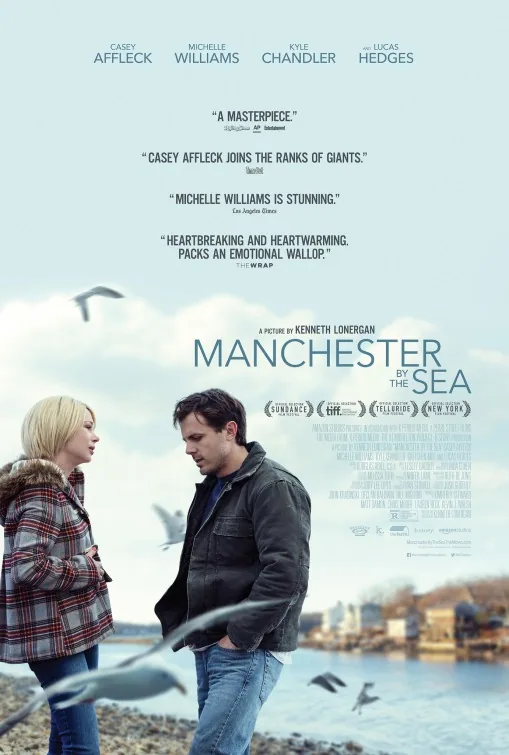
After his brother Joe dies, Lee Chandler returns to the Massachusetts town he left and learns that he has been named guardian of Joe's teenage son, Patrick. The practical arrangements bring him face to face with an earlier catastrophe: a house fire accidentally killed Lee's three children, and he could not remain in the community afterward. Patrick wants to stay with friends and his band, while Lee cannot imagine rebuilding a life there. The two negotiate care without a consoling cure, settling on a future that preserves a relationship Lee can bear.
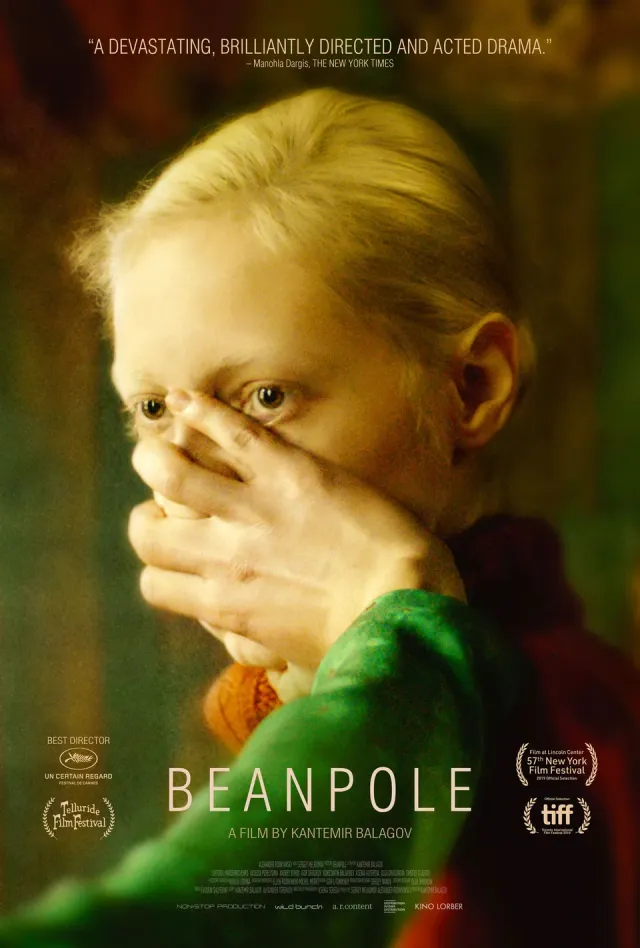
In the aftermath of the Second World War, nurse Iya works in a crowded Leningrad hospital while coping with episodes that temporarily immobilize her. Masha returns from the front and resumes a complicated relationship with Iya, whose life has become entangled with the cost of war. As the women try to imagine a future in a damaged city, their bond is shaped by trauma, dependence, desire, and conflicting ideas about motherhood.
What drives the story
Iya and Masha try to rebuild their lives and imagine a family in a city still shaped by war.
The people at its centre
The women rely on one another while their different needs and private histories make the relationship unstable.
What it feels like
A restrained postwar drama uses physical stillness and close observation to examine survival after collective trauma.
Worth knowing
Its scope is an intimate bond between two women in a damaged city, rather than a battlefield or military campaign.