Based on recorded story, mood and style. Your preferences can change the order.
Expect emotional and intimate, with measured pacing.
A boy who helped bully a deaf classmate later becomes socially isolated himself and approaches her years afterward hoping to make amends. Attempts to rebuild contact draw former classmates back together, exposing competing memories of who participated, who watched and who accepted blame. Friendship is difficult to sustain while guilt and self-hatred make both reassurance and ordinary communication feel unreliable, so reconciliation depends on more than a single apology.
Based on recorded story, mood and style. Your preferences can change the order.
Survival · War and civilian life
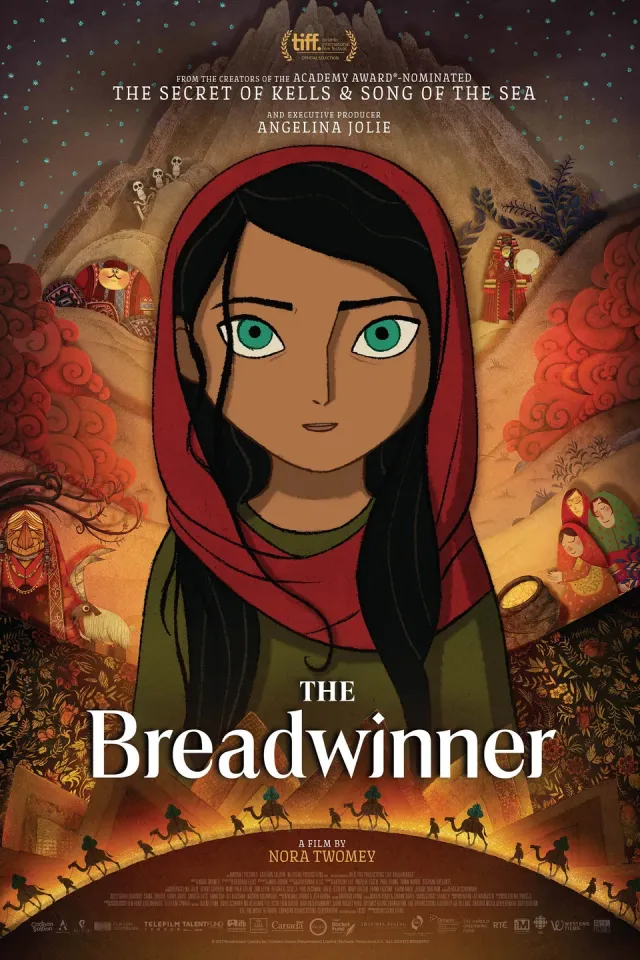
What changes Grave of the Fireflies: measured. The Breadwinner: alternating realism and fable, quest-driven and gradual suspense.
In Taliban-controlled Kabul, eleven-year-old Parvana helps her family by accompanying her father to market and reading for him. When he is arrested, the household loses its main source of income and movement is restricted for women and girls. Parvana cuts her hair and dresses as a boy so she can work, buy food and search for news of her father. She tells an imaginative story about a boy on a dangerous quest, which gives the family another way to hold on to hope.
Both share a framed narrative, plus themes of loss.
Why this matches +
Genres: Animation / Fantasy
Shared film traits
Based on recorded story, mood and style. Your preferences can change the order.
What changes Grave of the Fireflies is tagged devastating and intimate; The Little Prince is tagged tender and whimsical.
A girl living under an intensely scheduled plan for achievement befriends an elderly aviator who recounts his meeting with a boy from a distant asteroid. His stories introduce worlds organised around peculiar adult priorities, prompting her to question the life being prepared for her. As their friendship faces change, imagination becomes a way to approach attachment, loss and the parts of childhood that adulthood can erase.
Based on recorded story, mood and style. Your preferences can change the order.
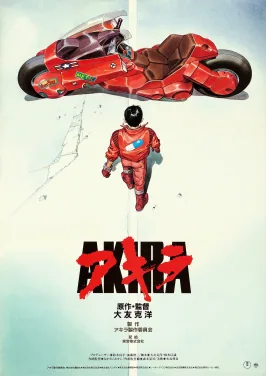
What changes Grave of the Fireflies is tagged devastating and intimate; Akira is tagged intense and unsettling.
In a rebuilt Tokyo marked by unrest, a teenage biker's encounter with a secret military project awakens extraordinary powers. His growing abilities intensify resentment towards the friend who has long protected him, while activists and authorities pursue competing plans for the force they have released. Personal insecurity expands into a crisis capable of consuming an already unstable city.
Based on recorded story, mood and style. Your preferences can change the order.
War and civilian life
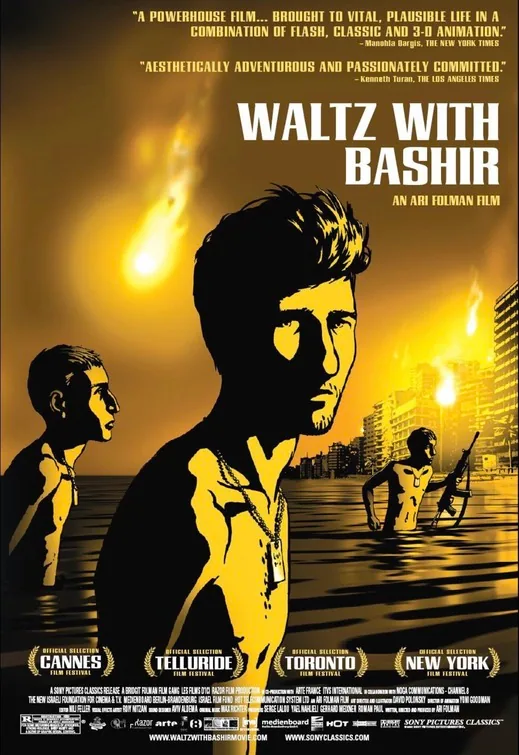
What changes Grave of the Fireflies: measured. Waltz with Bashir: associative and revelatory.
An Israeli veteran tries to recover memories of his service during the 1982 Lebanon War after a former comrade describes a recurring nightmare. Conversations with other veterans lead toward the events surrounding the Sabra and Shatila massacre and the narrator’s own missing recollections. The animated documentary combines testimony, dream imagery and uncertain memory to explore responsibility, trauma and the difficulty of witnessing violence one has helped enable.
Based on recorded story, mood and style. Your preferences can change the order.
War and civilian life
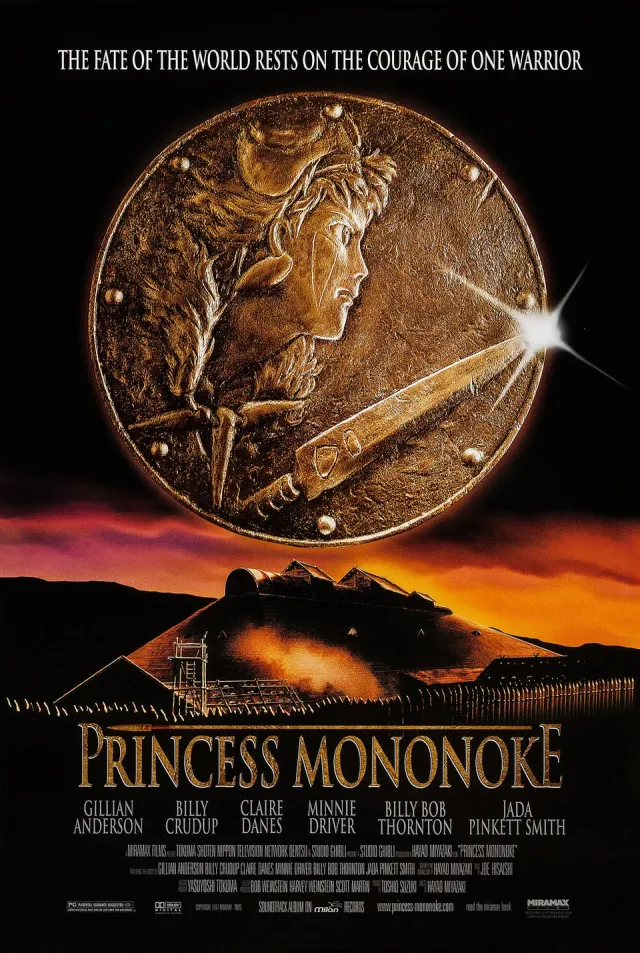
What changes Grave of the Fireflies: measured. Princess Mononoke: epic.
A young warrior wounded by a corrupted animal spirit travels west in search of understanding and encounters conflict between a mining settlement and the forest beings it displaces. A woman raised by wolves fights for the forest, while the settlement's leader protects people excluded elsewhere and seeks expansion at nature's expense. Attempts to mediate expose real needs on opposing sides without making the violence between them less destructive.
Based on recorded story, mood and style. Your preferences can change the order.
Both directed by Isao Takahata.
What changes Grave of the Fireflies is tagged devastating and intimate; Only Yesterday is tagged contemplative and gentle.
A Tokyo office worker takes a holiday helping with a rural harvest and finds memories of her ten-year-old self repeatedly surfacing. Small childhood experiences of school, family and embarrassment acquire new significance as she considers what she wants from adult life. Conversations with a young farmer create an alternative to familiar expectations without turning the countryside into a simple escape from difficulty.
Based on recorded story, mood and style. Your preferences can change the order.
Survival
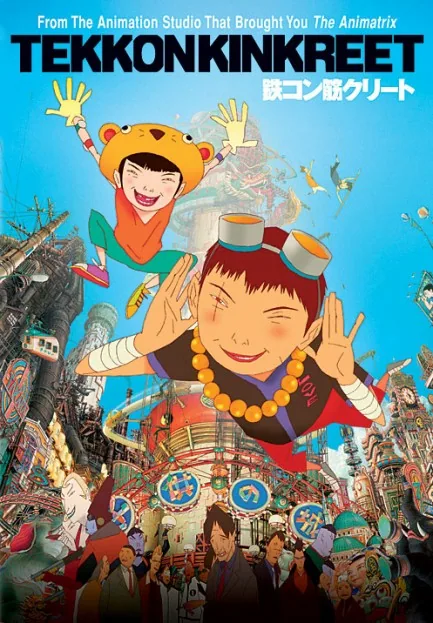
What changes Grave of the Fireflies: measured. Tekkonkinkreet: an attack separates black and white and sending black toward a violent alter ego before their reunion.
In Treasure Town, orphaned street kids Black and White survive through different strengths: Black is a fierce fighter, while White sees the world with childlike imagination. Their bond is threatened when a real-estate developer plans to replace the neighborhood with a theme park and sends enforcers after the children. When White is taken away for protection, Black is left alone with his anger and begins to lose himself to violence. The two must face what change is doing to their city and to the complementary friendship that has kept them alive.
Based on recorded story, mood and style. Your preferences can change the order.
War and civilian life
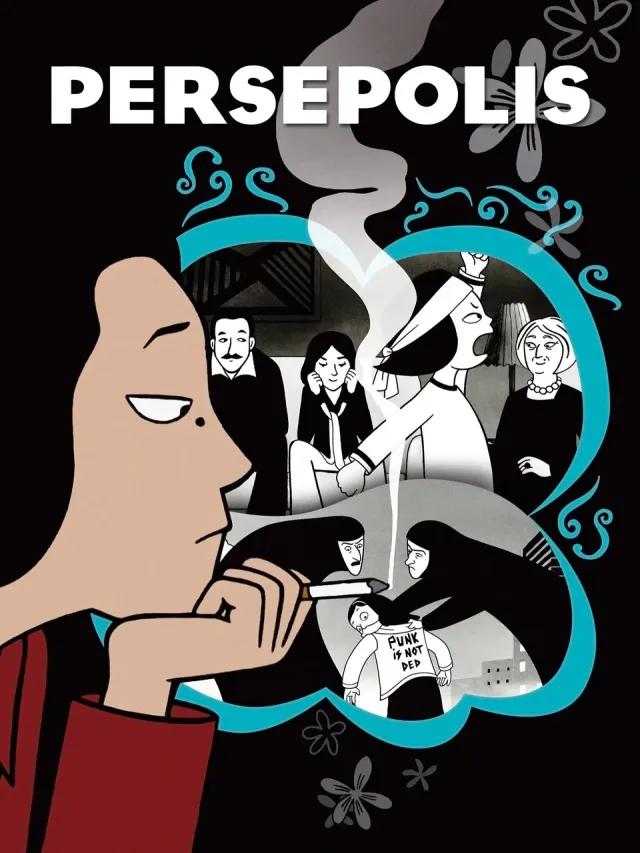
What changes Grave of the Fireflies is tagged devastating and intimate; Persepolis is tagged defiant and humorous.
An Iranian girl grows up amid revolution, political repression and war, absorbing both family dissent and official restrictions. Education abroad offers distance but also loneliness, prejudice and uncertainty about belonging. Recounting her passage into adulthood, she connects intimate embarrassment and rebellion with the political forces that repeatedly determine where and how she can live.
A teenage boy and his younger sister lose their mother during wartime bombing and struggle to secure food and shelter. Tensions with relatives lead them to attempt an independent household as deprivation worsens around them. The older child's determination to protect his sister is constrained by pride, limited resources and a society whose ordinary supports have been broken by war.
What drives the story
Two children attempt to survive material deprivation without dependable adult protection.
The people at its centre
An older brother's loving guardianship cannot compensate for his youth and the collapse of social support.
What it feels like
Quiet domestic details and fleeting moments of play make the surrounding suffering especially painful.
Worth knowing
The child protagonists and animation should not imply a comforting family adventure; wartime loss defines the experience.