A sensitive animated teen drama follows a former bully trying to repair harm, with deafness, isolation and shame shaping who is heard and who can rejoin a group.
What should feel similar?
Find your next favourite
4 films · Closest overall matches
Hide films you’ve seen or don’t want. Saved on this device.
No matches for this combination yet.
Try another option or reset your choices to see more films.
A long-distance correspondence becomes a lasting relationship whose misunderstandings carry real emotional consequences.
Why this matches +
Pair notes distinguish tone, narrative and relationships.
An adjacent discovery: a related idea with a different viewing experience.
Genres: Animation / Drama
Shared film traits
Based on recorded story, mood and style. Your preferences can change the order.
What changes Stop-motion dark humor and a long-distance correspondence across ages are more adult and less school-centered.
A lonely Australian girl selects an American stranger from a telephone directory and begins a correspondence that continues across years. Their letters create companionship through misunderstandings, family difficulties and frank questions about the world. As the child grows and attempts to interpret her friend's life, affection is tested by the difference between accepting another person and believing one has explained or repaired them.
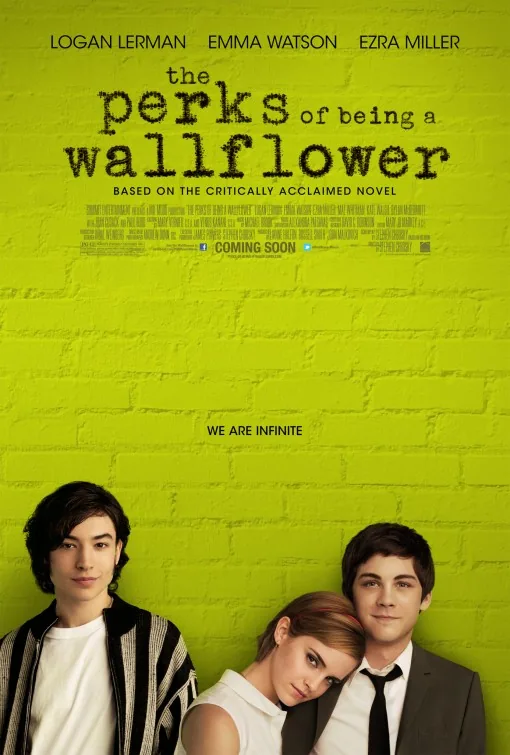
A shy student's new friendships help him participate in high school life, while buried trauma makes his apparent progress less straightforward than it seems.
Why this matches +
Pair notes distinguish tone, narrative and relationships.
An adjacent discovery: a related idea with a different viewing experience.
Genres: Drama / Romance
Shared film traits
Based on recorded story, mood and style. Your preferences can change the order.
Coming of age
What changes Live-action coming-of-age centers trauma and finding peers rather than a former bully making amends.
After a stay in psychiatric care, freshman Charlie begins high school unsure how to connect with anyone beyond his English teacher. Seniors Patrick and Sam invite him into their circle, giving him friends, music, parties and a first experience of belonging. Charlie also witnesses Patrick's secret relationship with closeted classmate Brad, and the group's closeness does not protect it from family pressures, grief, dating and substance use. The film is told through Charlie's letters to an unnamed recipient, so ordinary teenage events arrive through his earnest but incomplete perspective. As his friends prepare to move on, Charlie's suppressed trauma begins to surface, shifting the story from a warm outsider's coming-of-age toward a serious account of memory and mental health.
A new school year makes social belonging a daily test, while multiple viewpoints show that kindness and exclusion affect an entire community.
Why this matches +
Pair notes distinguish tone, narrative and relationships.
An adjacent discovery: a related idea with a different viewing experience.
Genres: Drama
Shared film traits
Based on recorded story, mood and style. Your preferences can change the order.
Coming of age
What changes A younger family drama emphasizes acceptance and appearance rather than remorse and suicide risk.
After years of homeschooling and medical treatment, fifth-grader August Pullman begins attending a mainstream school. His facial difference affects how classmates respond to him, but the film also follows his sister Via, friends and school community, showing how his arrival changes their relationships. Auggie faces bullying and loneliness while finding allies and moments of humor; the story does not treat kindness as an instant solution to social pressure. Stephen Chbosky adapts R. J. Palacio’s novel through several characters’ points of view. Via's and the friends' viewpoints broaden the question from who welcomes Auggie to how the community behaves. School incidents affect siblings and classmates, not only the new student.
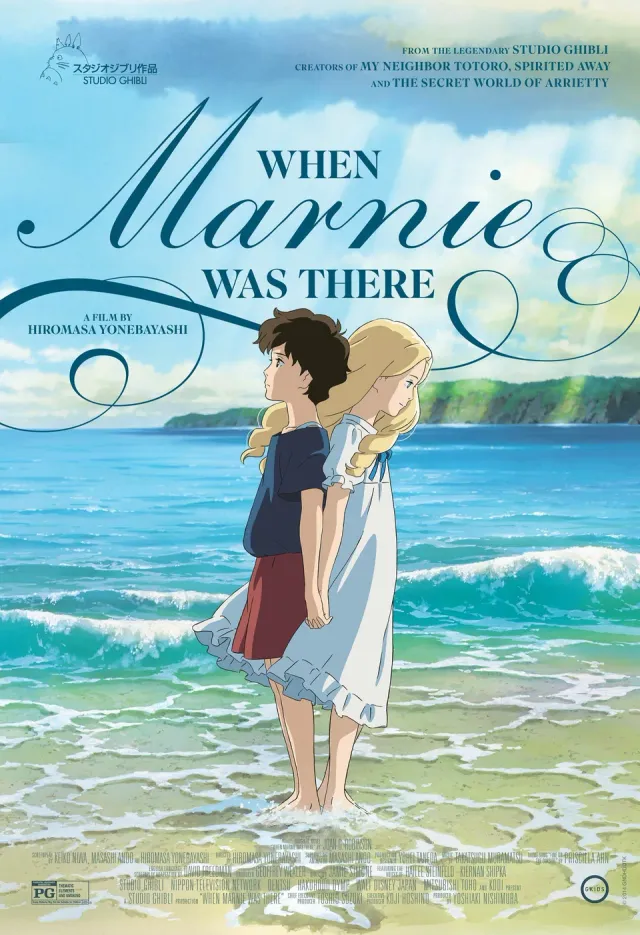
A lonely girl forms a bond at a marshside mansion that opens onto buried family history.
Why this matches +
Pair notes distinguish tone, narrative and relationships.
An adjacent discovery: a related idea with a different viewing experience.
Genres: Animation / Drama
Shared film traits
Based on recorded story, mood and style. Your preferences can change the order.
What changes A quiet uncanny friendship replaces disability, bullying and direct accountability.
Sent to a seaside town for her health, Anna befriends Marnie, a girl who appears to live in an old mansion across the marsh. Their closeness helps Anna face loneliness and questions about her family, even as the boundaries between memory, history and the present become less certain. Hiromasa Yonebayashi's animated mystery gives its emotional discoveries the pace of a summer recollection.
A boy who helped bully a deaf classmate later becomes socially isolated himself and approaches her years afterward hoping to make amends. Attempts to rebuild contact draw former classmates back together, exposing competing memories of who participated, who watched and who accepted blame. Friendship is difficult to sustain while guilt and self-hatred make both reassurance and ordinary communication feel unreliable, so reconciliation depends on more than a single apology.
What drives the story
A former bully's attempt at restitution reveals unresolved group responsibility and a pattern of shame that repeatedly undermines renewed relationships.
The people at its centre
The two central teenagers struggle with different forms of exclusion, while friends' defensive accounts of childhood complicate the possibility of mutual recognition.
What it feels like
Subjective visual barriers and quiet encounters alternate with severe emotional crises, placing everyday gestures of listening beside profound distress.
Worth knowing
Its movement toward connection does not equate the participants' responsibility or make friendship a simple cure for suicidal despair and longstanding exclusion.