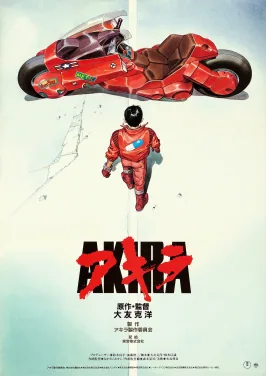
In politically unstable Neo-Tokyo, a biker gang member acquires terrifying psychic powers in a military experiment, turning his friendship and resentment into an escalating urban catastrophe.
What should feel similar?
Find your next favourite
6 films · Closest overall matches
Hide films you’ve seen or don’t want. Saved on this device.
No matches for this combination yet.
Try another option or reset your choices to see more films.
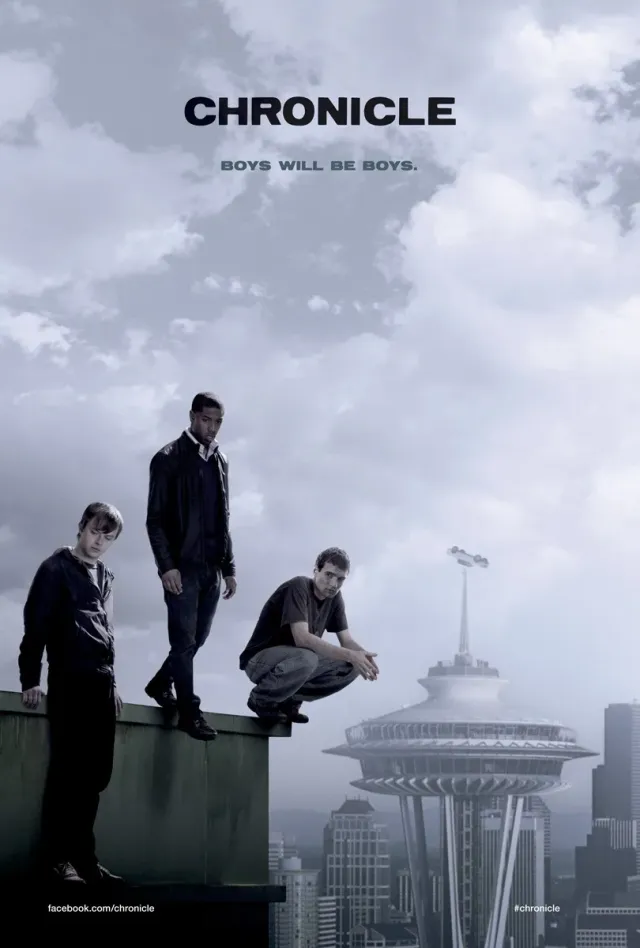
A new ability begins as a private experiment and becomes a threat when the friends lose control of its limits.
Why this matches +
In politically unstable Neo-Tokyo, a biker gang member acquires terrifying psychic powers in a military experiment, turning his friendship and resentment into an escalating urban catastrophe.
Genres: Fantasy / Drama
Shared film traits
Based on recorded story, mood and style. Your preferences can change the order.
What changes Found-footage live action follows American students and has no sprawling military experiment or animated Neo-Tokyo.
Three Seattle high-school students discover a mysterious underground object and begin developing telekinetic abilities. Andrew, who has been filming his life, records their experiments as the powers grow from party tricks into dangerous tests of control. The found-footage perspective keeps the story close to his isolation and the friends' changing loyalties as the boys disagree over how far their abilities should be used.
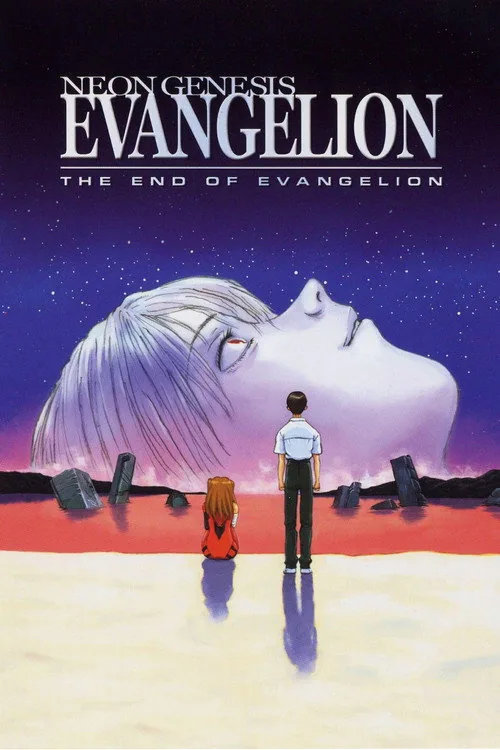
SEELE’s assault and Instrumentality converge as Misato tries to reach Shinji and the pilots face an existential threat.
Why this matches +
Individual pair notes identify differences in story, format, intensity and tone.
An adjacent discovery: a related idea with a different viewing experience.
Genres: Animation / Science fiction
Shared film traits
Based on recorded story, mood and style. Your preferences can change the order.
What changes It concludes an existing television story with giant mecha and dense prior continuity rather than a biker friendship.
As the secret organization SEELE launches an assault on NERV, operations director Misato searches for Shinji Ikari while the teenage pilots confront the collapse of their world. SEELE intends to trigger Human Instrumentality, a process that would merge human consciousness, while Shinji’s emotional crisis shapes what happens next. Hideaki Anno’s animated film provides a feature-length ending to the television series, expanding its final events into apocalyptic action and intensely subjective imagery. It assumes familiarity with the series and contains disturbing violence and psychological distress.
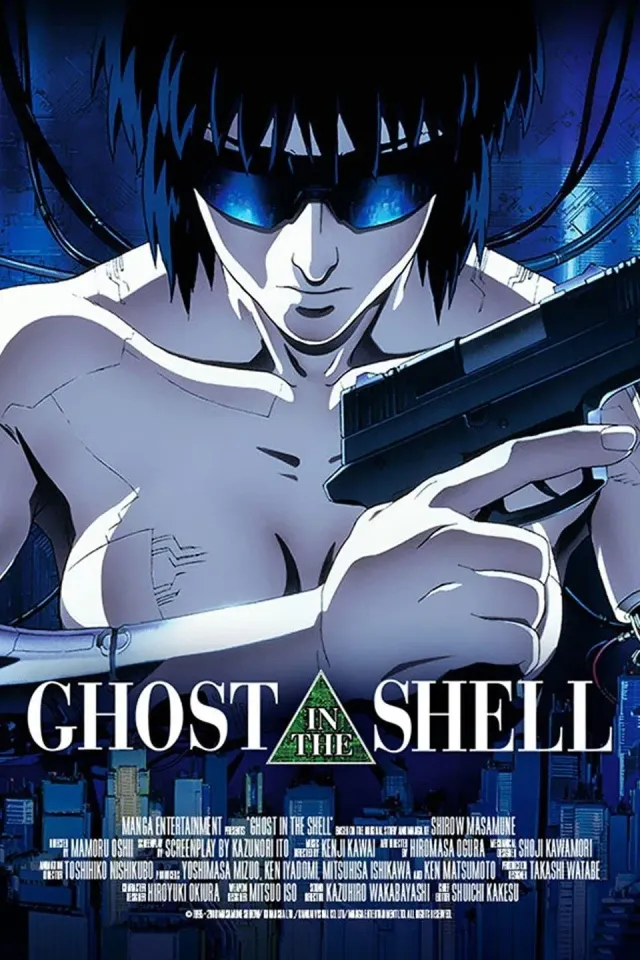
A security investigation becomes a challenge to the boundary between an individual mind and a networked intelligence.
Why this matches +
Individual pair notes identify differences in story, format, intensity and tone.
An adjacent discovery: a related idea with a different viewing experience.
Genres: Animation / Science fiction
Shared film traits
Based on recorded story, mood and style. Your preferences can change the order.
What changes A contemplative cybercrime investigation into artificial consciousness replaces teenage psychic rivalry and explosive body horror.
A cybernetic security officer investigates a hacker capable of intruding into human memories and machine bodies. The case crosses government interests while prompting her to question what continuity of self remains when almost every physical component can be replaced. Pursuit of the elusive suspect becomes an encounter with an intelligence whose existence unsettles the categories her institution uses to define a person.
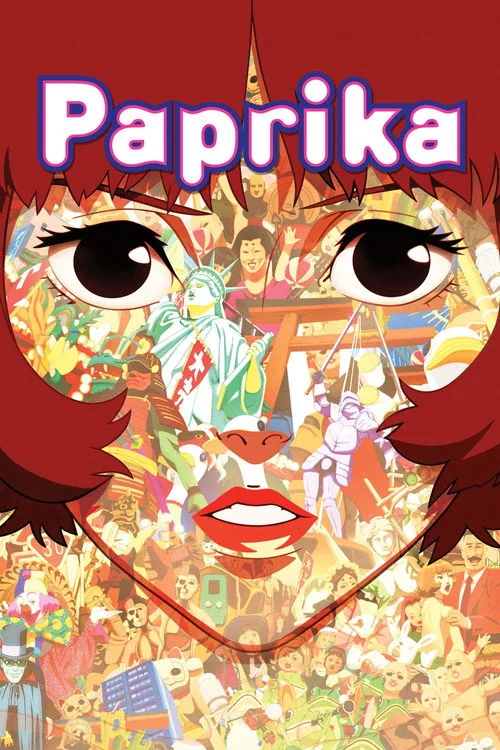
Atsuko and her colleagues search for whoever is using the DC Mini to invade and alter dreams.
Why this matches +
Individual pair notes identify differences in story, format, intensity and tone.
An adjacent discovery: a related idea with a different viewing experience.
Genres: Animation / Science fiction
Shared film traits
Based on recorded story, mood and style. Your preferences can change the order.
What changes Dream therapy and playful surreal investigation replace the violent biker rivalry and telekinetic destruction.
Psychiatrist Atsuko Chiba secretly uses the DC Mini, a device that lets her enter patients’ dreams as the detective Paprika. When prototypes are stolen and dream imagery begins spilling into the waking world, she and her colleagues trace the damage through a series of strange psychological cases. Satoshi Kon’s animated thriller treats dreams as both a clinical tool and a vulnerable shared space, cutting between identities and realities with fluid visual transformations. A detective’s recurring dream connects the technological investigation to a buried personal memory.
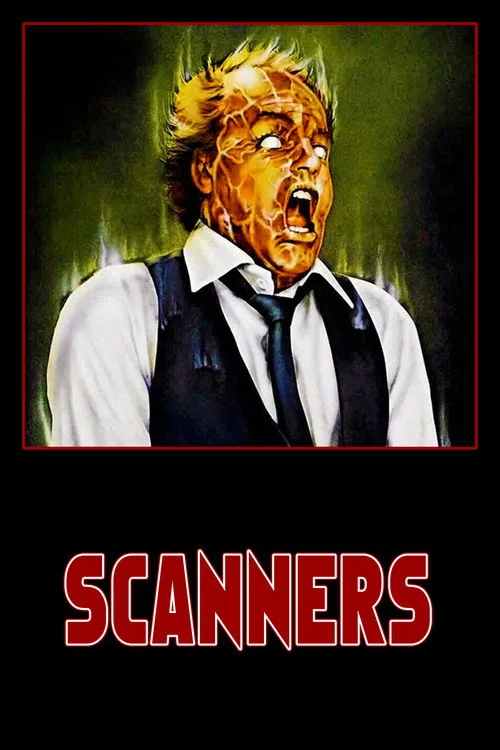
Vale uncovers the source of scanner abilities while trying to prevent Revok from using those powers against others.
Why this matches +
Individual pair notes identify differences in story, format, intensity and tone.
An adjacent discovery: a related idea with a different viewing experience.
Genres: Science Fiction / Horror
Shared film traits
Based on recorded story, mood and style. Your preferences can change the order.
What changes An adult corporate conspiracy unfolds as restrained live-action horror rather than a youth-led animated urban epic.
People known as scanners possess powerful telepathic abilities that can invade or overwhelm another person’s mind. When a corporate security organization discovers that a scanner named Cameron Vale may be useful against renegade leader Darryl Revok, it recruits him into a covert investigation. Vale learns about the origins of the abilities while pursuing Revok and the movement he is building. David Cronenberg’s science-fiction horror film combines bodily shock, paranoia, and a conflict between telepathic factions, placing questions about control and human identity inside a corporate thriller.
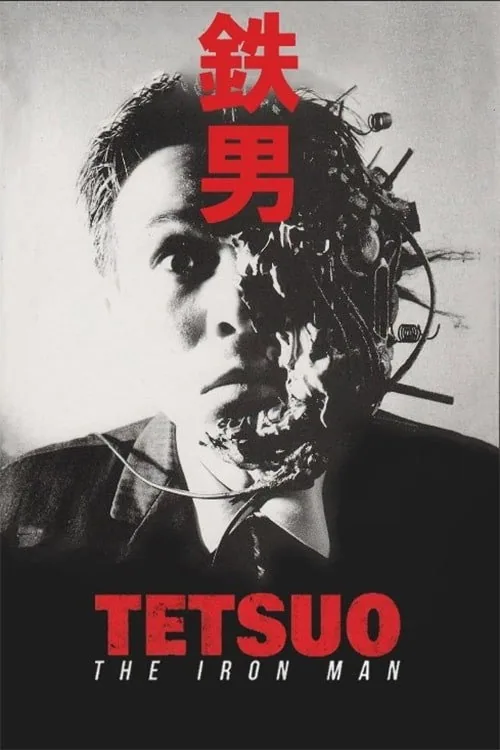
The salaryman loses control of the body and role that once defined him; the fetishist becomes both pursuer and counterpart.
Why this matches +
Individual pair notes identify differences in story, format, intensity and tone.
An adjacent discovery: a related idea with a different viewing experience.
Genres: Science Fiction / Body Horror
Shared film traits
Based on recorded story, mood and style. Your preferences can change the order.
What changes Its experimental black-and-white live-action imagery and intimate industrial nightmare differ from Akira’s expansive animated political narrative.
After a metal fetishist is struck by a car, the driver begins to discover metal growing through his own body. A series of grotesque transformations carries the salaryman from private bodily panic into violent conflict with the fetishist, whose memories and powers seem to reshape what is real. The film offers no conventional stable explanation for the transformations; its fragmented images and industrial noise make body, machine and city appear to collapse into one another. Their struggle culminates in a fusion that promises a vast metallic future, turning an accident into an apocalyptic body-horror vision.
In a rebuilt Tokyo marked by unrest, a teenage biker's encounter with a secret military project awakens extraordinary powers. His growing abilities intensify resentment towards the friend who has long protected him, while activists and authorities pursue competing plans for the force they have released. Personal insecurity expands into a crisis capable of consuming an already unstable city.
What drives the story
A marginalised teenager's uncontrolled power destabilises both an old friendship and an authoritarian urban order.
The people at its centre
A protective gang leader struggles to reach a friend who experiences protection as humiliation.
What it feels like
Dense city imagery, violent motion and bodily transformation produce overwhelming speculative spectacle.
Worth knowing
Its graphic violence and psychological breakdown make it far removed from a reassuring superpower coming-of-age story.
PowerAlienationControl
Mood
Intense · Unsettling · Apocalyptic
Pacing
Measured · Escalating
Visual style
Hand-drawn · Cyberpunk · Body horror
Storytelling
Transformation · Military conspiracy · Friendship fracture