Explore films connected to Tetsuo: The Iron Man through Body and technology, urban alienation, transformation. Choose the qualities you want to carry into your next watch.
What should feel similar?
Find your next favourite
9 films · Closest overall matches
Hide films you’ve seen or don’t want. Saved on this device.
No matches for this combination yet.
Try another option or reset your choices to see more films.
There is little recorded overlap with your starting film.
Why this matches +
Genres: Drama / Science fiction
Shared film traits
Based on recorded story, mood and style. Your preferences can change the order.
Artificial life · Memory and identity
What changes Tetsuo: The Iron Man: fragmented dream logic and bodily metamorphosis and escalating collision toward fusion. Upstream Color: elliptical, patient and associative.
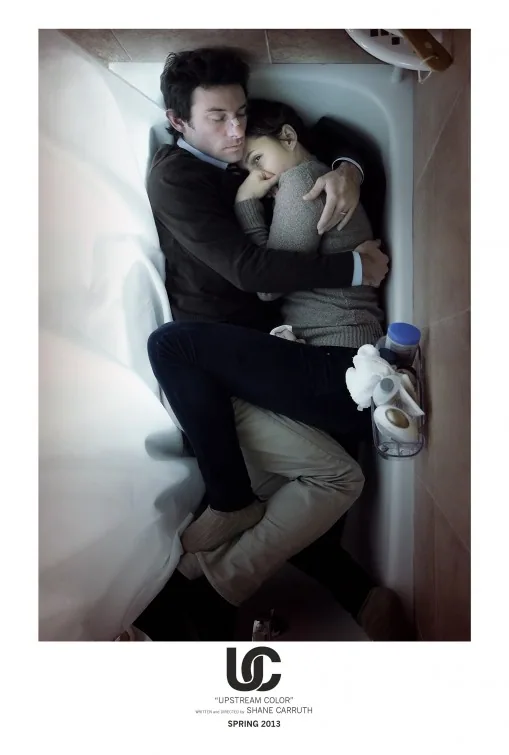
Kris is abducted by a thief who uses an organism to place her in a highly suggestible state and strip away control over her life. After the experience, she struggles to reconstruct her identity and forms a connection with Jeff, a man whose past carries a related rupture. Their lives intersect with a farmer and a cycle involving pigs, plants and people. Shane Carruth’s film presents its relationships and events through an elliptical, sensory structure.
There is little recorded overlap with your starting film.
Why this matches +
Genres: Comedy
Shared film traits
Based on recorded story, mood and style. Your preferences can change the order.
Constructed reality
What changes Tetsuo: The Iron Man: fragmented dream logic and bodily metamorphosis and escalating collision toward fusion. Disaster Movie: a group searches for a crystal skull while the world fills with parodies of recent movies and celebrities..
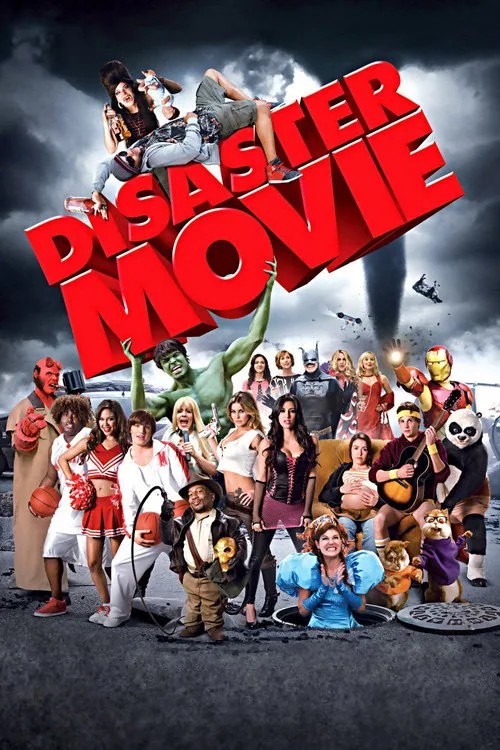
Will wakes from a prehistoric disaster dream on the day of his twenty-fifth birthday and tries to reunite with his girlfriend Amy. A string of exaggerated catastrophes and celebrity encounters interrupts the group as they search for a crystal skull said to be connected to the world’s end. Jason Friedberg and Aaron Seltzer’s parody comedy uses a loose journey narrative to spoof recent disaster, fantasy, superhero, and pop-culture films. Its rapid references and intentionally broad sketches are the main attraction, rather than a coherent disaster plot.
There is little recorded overlap with your starting film.
Why this matches +
Genres: Thriller / Drama
Shared film traits
Based on recorded story, mood and style. Your preferences can change the order.
Memory and identity · Constructed reality
What changes Tetsuo: The Iron Man: fragmented dream logic and bodily metamorphosis and escalating collision toward fusion. Premonition: nonlinear and escalating.
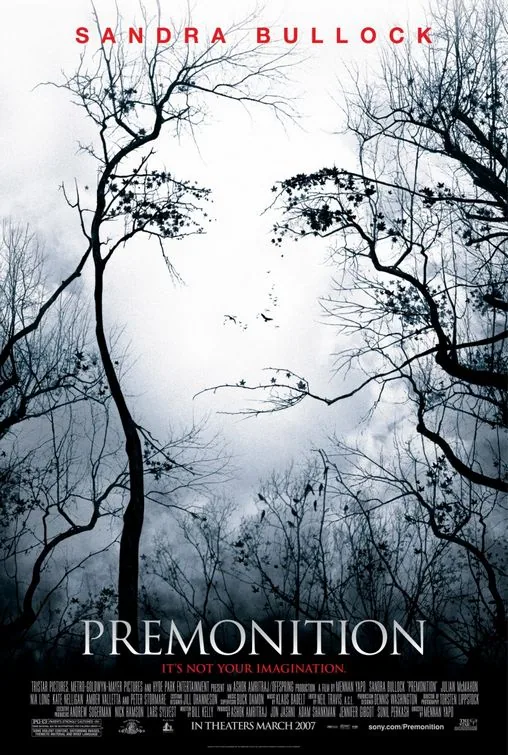
A woman’s sense of time fractures after she is told that her husband has died, then wakes to find him alive and experiences the days around the event out of sequence. She tries to understand the pattern and prevent a loss that seems both certain and changeable. The thriller ties a temporal puzzle to marital strain and family responsibility, asking how foreknowledge affects the choices people make under emotional pressure.
There is little recorded overlap with your starting film.
Why this matches +
Genres: Experimental / Slasher
Shared film traits
Based on recorded story, mood and style. Your preferences can change the order.
Survival · Constructed reality
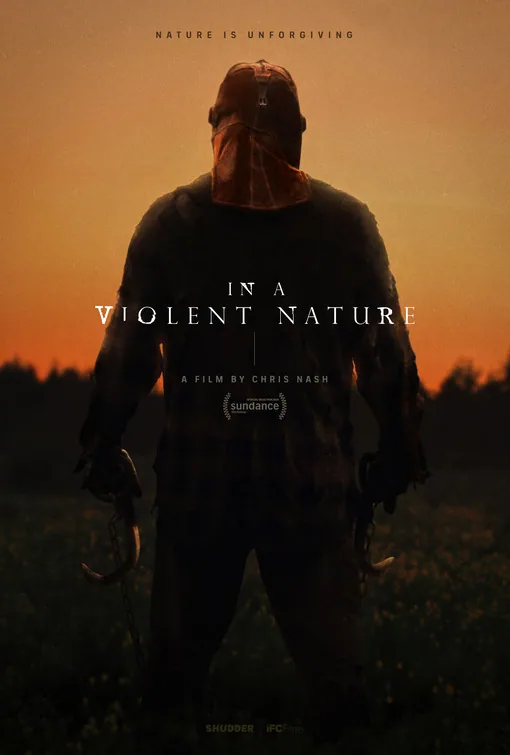
What changes Tetsuo: The Iron Man: fragmented dream logic and bodily metamorphosis and escalating collision toward fusion. In a Violent Nature: slow, observational and punctuated by sudden violence.
A group of young people disturbs a remote fire tower and removes a locket connected to a long-dead killer. The corpse of Johnny rises and moves through the surrounding forest in pursuit of it, while hikers, locals and authorities cross his path. Chris Nash keeps the camera close to the killer's slow progress, letting stretches of landscape and silence interrupt sudden violence and reworking the slasher film through an unusually patient point of view.
There is little recorded overlap with your starting film.
Why this matches +
Genres: Science fiction / Comedy
Shared film traits
Based on recorded story, mood and style. Your preferences can change the order.
Artificial life · Constructed reality
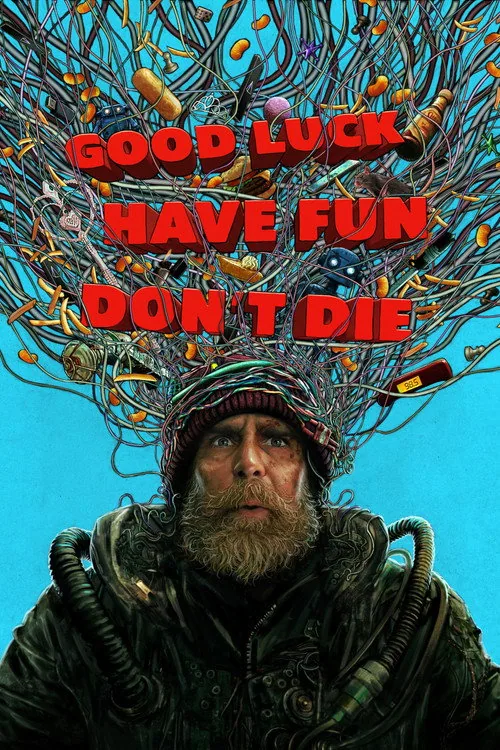
What changes Tetsuo: The Iron Man: fragmented dream logic and bodily metamorphosis and escalating collision toward fusion. Good Luck, Have Fun, Don't Die: rapid, episodic backstories and quest-driven.
A disheveled stranger arrives at a Los Angeles diner claiming to be from a future destroyed by artificial intelligence. He recruits a group of customers for what he says is one more attempt to prevent the catastrophe, though this is already his 117th trip. As the group escapes the diner and encounters technology-saturated dangers, each member’s personal history becomes part of the mission. Gore Verbinski’s science-fiction comedy mixes an ensemble quest with anxious satire about phones, virtual reality, artificial intelligence, and the systems people build around convenience.
There is little recorded overlap with your starting film.
Why this matches +
Genres: Drama / Science fiction
Shared film traits
Based on recorded story, mood and style. Your preferences can change the order.
Survival · Constructed reality
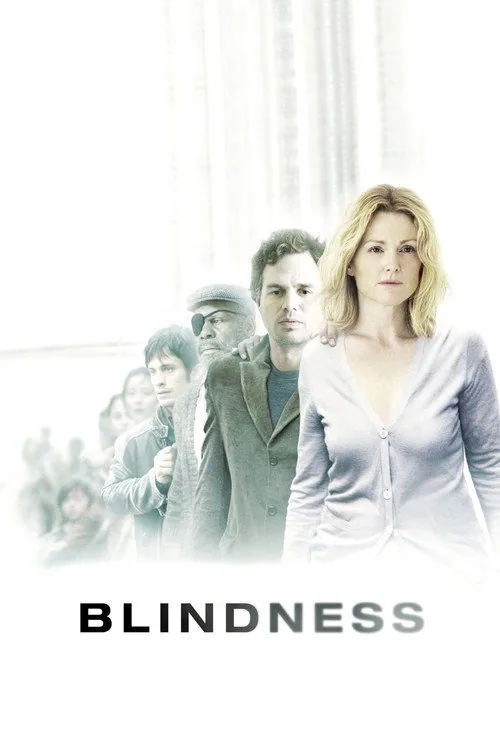
What changes Tetsuo: The Iron Man: fragmented dream logic and bodily metamorphosis and escalating collision toward fusion. Blindness: crisis escalation, enclosed ensemble drama and survival-focused.
An unexplained epidemic of sudden blindness spreads through a city, and authorities confine the first affected people in an abandoned hospital. One woman remains sighted but hides that fact to stay with her husband and protect herself. Inside the quarantine, fear and scarcity erode social order while the group searches for food and a way out. Fernando Meirelles adapts José Saramago’s novel as an allegorical disaster drama about human behavior under pressure. The film includes sexual violence and disturbing depictions of disability.
There is little recorded overlap with your starting film.
Why this matches +
Genres: Crime / Drama
Shared film traits
Based on recorded story, mood and style. Your preferences can change the order.
Constructed reality
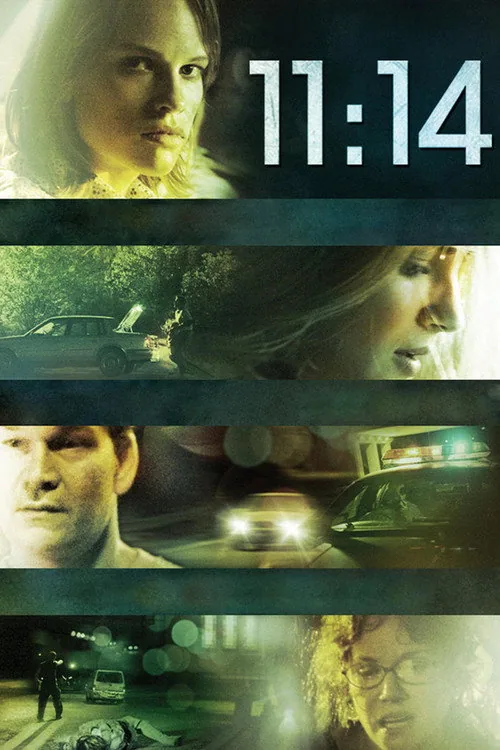
What changes Tetsuo: The Iron Man: fragmented dream logic and bodily metamorphosis and escalating collision toward fusion. 11:14: mystery opening, short interlocking chapters and reveal-driven convergence.
At 11:14 p.m. in a small town, a car strikes a body and a sequence of seemingly unrelated events begins to unravel. The film rewinds through overlapping stories involving teenagers, a night-shift worker, a family, and a group of young criminals, with each section exposing what happened a few minutes earlier. As the accounts fold back toward the same pair of accidents, ordinary lies and impulsive choices explain how the night reached its grisly turning point.
There is little recorded overlap with your starting film.
Why this matches +
Genres: Thriller / Science fiction
Shared film traits
Based on recorded story, mood and style. Your preferences can change the order.
Memory and identity · Constructed reality
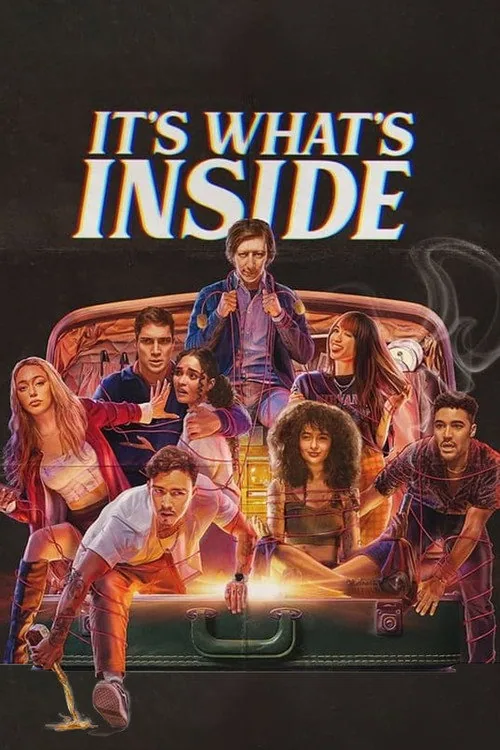
What changes Tetsuo: The Iron Man: fragmented dream logic and bodily metamorphosis and escalating collision toward fusion. It’s What’s Inside: reunion and device setup, rounds of social deception and twist-driven reveal.
A group of college friends reunites at a mansion before a wedding, where an estranged former friend arrives with a mysterious device. The gadget allows them to swap bodies, turning a party game into a volatile test of identity, envy, and old grievances. As the friends try to determine who occupies which body and what everyone wants, the night spirals into deception and danger. The science-fiction thriller uses a contained social gathering and shifting perspectives to question how well friends know one another—or themselves.
There is little recorded overlap with your starting film.
Why this matches +
Genres: Documentary / Experimental
Shared film traits
Based on recorded story, mood and style. Your preferences can change the order.
Constructed reality
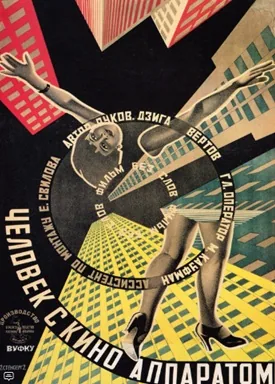
What changes Tetsuo: The Iron Man: fragmented dream logic and bodily metamorphosis and escalating collision toward fusion. Man with a Movie Camera: variable.
Across a day in several Soviet cities, a cameraman records streets, factories, transport, leisure and public events while an editor assembles the footage into a dynamic portrait of modern urban life. The film repeatedly shows the camera operator at work and the editor arranging the very images the audience sees, making production part of its subject. There is no conventional cast or dialogue-driven plot: visual associations, superimpositions and changes in speed turn ordinary labor and motion into an experiment in what cinema can reveal and construct.
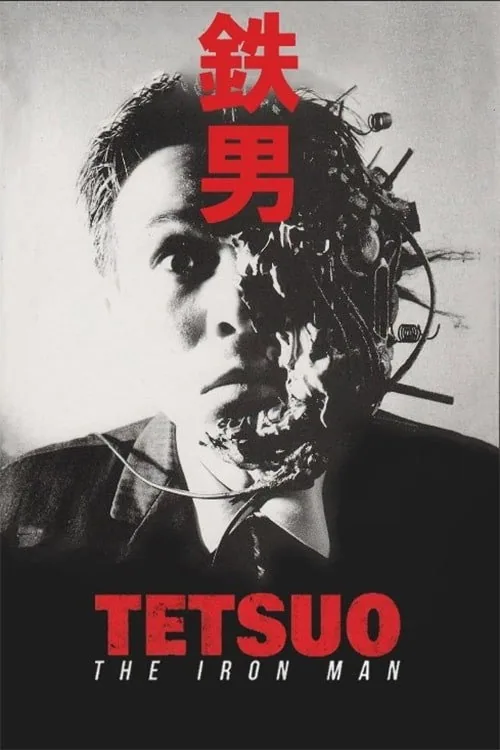
After a metal fetishist is struck by a car, the driver begins to discover metal growing through his own body. A series of grotesque transformations carries the salaryman from private bodily panic into violent conflict with the fetishist, whose memories and powers seem to reshape what is real. The film offers no conventional stable explanation for the transformations; its fragmented images and industrial noise make body, machine and city appear to collapse into one another. Their struggle culminates in a fusion that promises a vast metallic future, turning an accident into an apocalyptic body-horror vision.
What drives the story
The salaryman loses control of the body and role that once defined him; the fetishist becomes both pursuer and counterpart.
The people at its centre
The driver’s relationship with his girlfriend becomes a site of fear and violence as his transformation escalates.
What it feels like
The film treats technology as a bodily invasion rather than a separate tool, using rough form to erode distinctions between self and machine.
Worth knowing
An experimental cyberpunk body-horror film about urban life becoming mechanically and physically unstable.