Both share themes of identity and memory, plus a disorienting atmosphere.
Why this matches +
Genres: Science fiction / Thriller
Shared film traits
Based on recorded story, mood and style. Your preferences can change the order.
Constructed reality · Memory and identity
What changes Upstream Color: elliptical, patient and associative. Total Recall: fast and chase-driven.
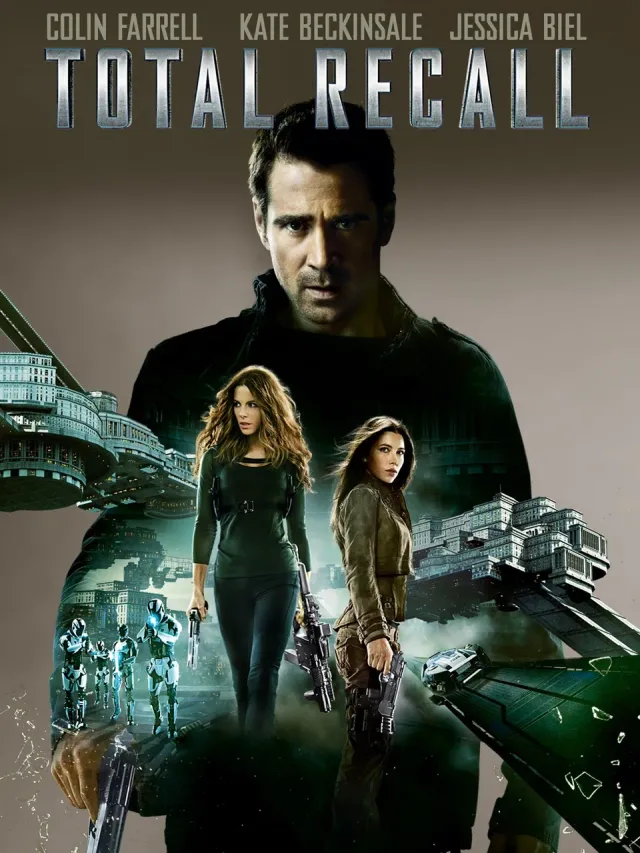
In a crowded future divided between the United Federation of Britain and the Colony, factory worker Douglas Quaid visits Rekall to experience an implanted memory of a more exciting life. The procedure goes wrong when staff believe he may already have real covert memories, and armed agents arrive to capture him. Quaid escapes with Melina, a woman who may be connected to his past, while trying to determine whether he is a spy or an ordinary man caught in a manufactured identity. The remake relocates the premise from Mars to an Earth divided by political control. Whether the Rekall events are remembered, implanted or lived remains intentionally uncertain at the film’s close.
Based on recorded story, mood and style. Your preferences can change the order.
Constructed reality · Memory and identity
What changes Upstream Color: elliptical, patient and associative. I'm Thinking of Ending Things: a trip to meet a boyfriend’s parents gradually reveals mismatches in memory and point of view..
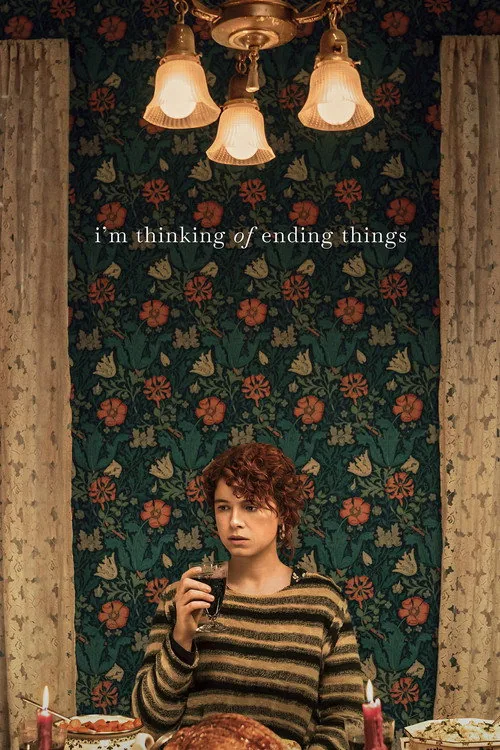
A young woman travels with her boyfriend Jake to meet his parents at their remote farmhouse, while an elderly school janitor’s workday is shown in parallel. The woman’s name, past, and account of how she met Jake shift, and the visit grows stranger as his parents change age and the couple’s drive home moves into a snowstorm. Charlie Kaufman’s adaptation of Iain Reid’s novel links the trip to the janitor’s memories and fantasies, using theatre, poetry, and film references to leave the story’s reality open to interpretation.
Based on recorded story, mood and style. Your preferences can change the order.
Artificial life · Memory and identity
What changes Upstream Color: elliptical, patient and associative. Self/less: a wealthy man’s new body carries memories that reveal another family’s sacrifice..
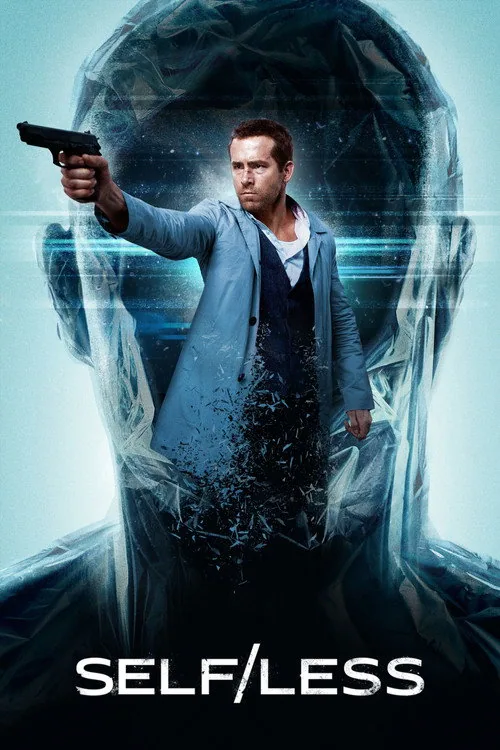
Wealthy New Yorker Damian Hale receives a terminal cancer diagnosis and agrees to a procedure called “shedding,” which transfers his consciousness into a younger body. Living under the assumed identity Edward Kidner in New Orleans, he begins experiencing vivid memories of a woman and child who belong to the body’s original owner. When he tracks down Madeline and her daughter, he discovers the procedure’s real cost and the company’s effort to erase the prior personality. Tarsem Singh’s science-fiction thriller builds an action plot around identity transfer, consent, and the ownership of a body.
Based on recorded story, mood and style. Your preferences can change the order.
Constructed reality
What changes Upstream Color: elliptical, patient and associative. Blindness: crisis escalation, enclosed ensemble drama and survival-focused.
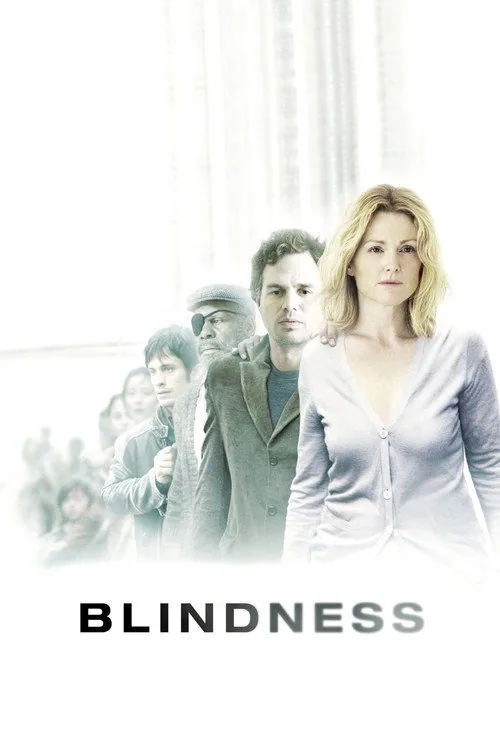
An unexplained epidemic of sudden blindness spreads through a city, and authorities confine the first affected people in an abandoned hospital. One woman remains sighted but hides that fact to stay with her husband and protect herself. Inside the quarantine, fear and scarcity erode social order while the group searches for food and a way out. Fernando Meirelles adapts José Saramago’s novel as an allegorical disaster drama about human behavior under pressure. The film includes sexual violence and disturbing depictions of disability.
Based on recorded story, mood and style. Your preferences can change the order.
Constructed reality · Memory and identity
What changes Upstream Color: elliptical, patient and associative. It’s What’s Inside: reunion and device setup, rounds of social deception and twist-driven reveal.
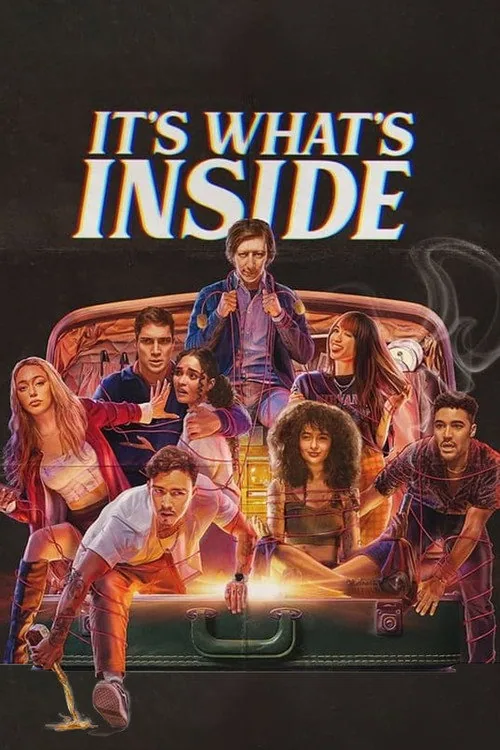
A group of college friends reunites at a mansion before a wedding, where an estranged former friend arrives with a mysterious device. The gadget allows them to swap bodies, turning a party game into a volatile test of identity, envy, and old grievances. As the friends try to determine who occupies which body and what everyone wants, the night spirals into deception and danger. The science-fiction thriller uses a contained social gathering and shifting perspectives to question how well friends know one another—or themselves.
Based on recorded story, mood and style. Your preferences can change the order.
Constructed reality
What changes Upstream Color: elliptical, patient and associative. Skinamarink: extremely slow and fragmented.
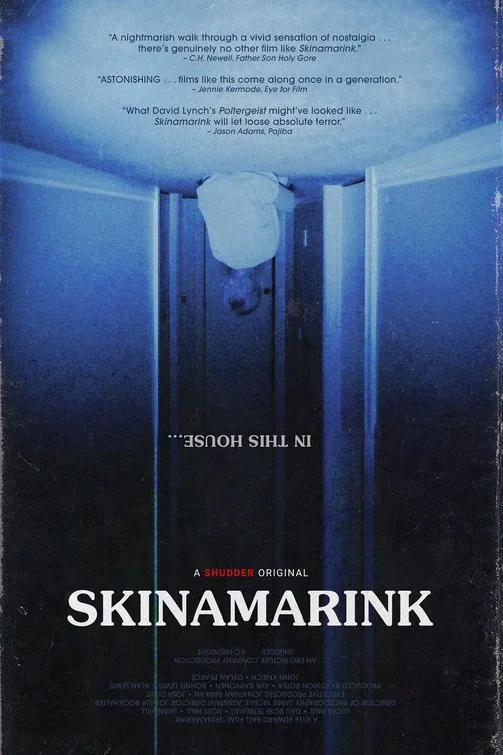
One night, young siblings Kevin and Kaylee wake to find their father gone, the doors and windows missing, and ordinary objects vanishing from their home. They try to wait out the darkness together, using cartoons and small routines to make sense of the house, but voices and impossible events begin to separate them. The film offers little explanation for the presence or the children’s situation, keeping the threat at the edge of what can be seen. Its story is deliberately fragmentary and experienced at the children’s low, uncertain scale.
Based on recorded story, mood and style. Your preferences can change the order.
Constructed reality · Memory and identity
What changes Upstream Color: elliptical, patient and associative. Hypnotic: rapid, twist-heavy, action-driven and revelatory.
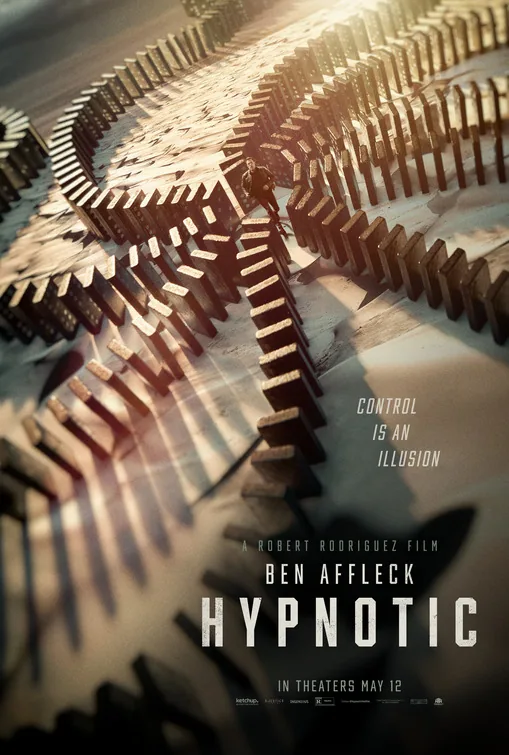
Austin detective Danny Rourke is still searching for his missing daughter when a bank robbery leads him to a mysterious man capable of making people obey imagined realities. A fortune-teller and fellow hypnotic, Diana Cruz, helps Danny understand the hidden program behind the crimes, while he discovers an unusual resistance to the manipulation. Robert Rodriguez’s thriller turns the police investigation into an action story where perception and memory can be redesigned.
Based on recorded story, mood and style. Your preferences can change the order.
Constructed reality
What changes Upstream Color: elliptical, patient and associative. Sharper: chaptered, revelatory, precise and twist-driven.
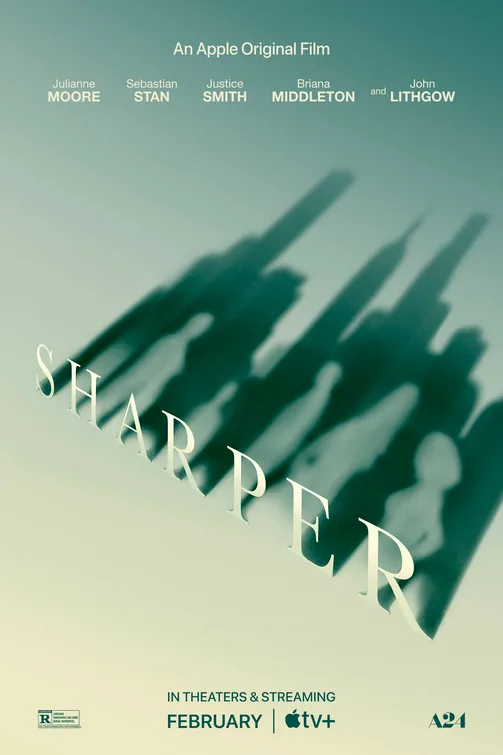
In New York, a woman named Sandra enters the life of bookstore owner Tom, but their apparent romance becomes the opening move in a layered con. Benjamin Caron’s thriller shifts perspective between Tom, Sandy, wealthy heir Max, his mother Madeline and the people drawn into their schemes. Each new chapter changes how earlier events look, turning the city’s polished interiors and family money into a landscape of performance and deception.
Based on recorded story, mood and style. Your preferences can change the order.
What changes Upstream Color: elliptical, patient and associative. How It Ends: road-trip progression, episodic obstacles and apocalyptic escalation.
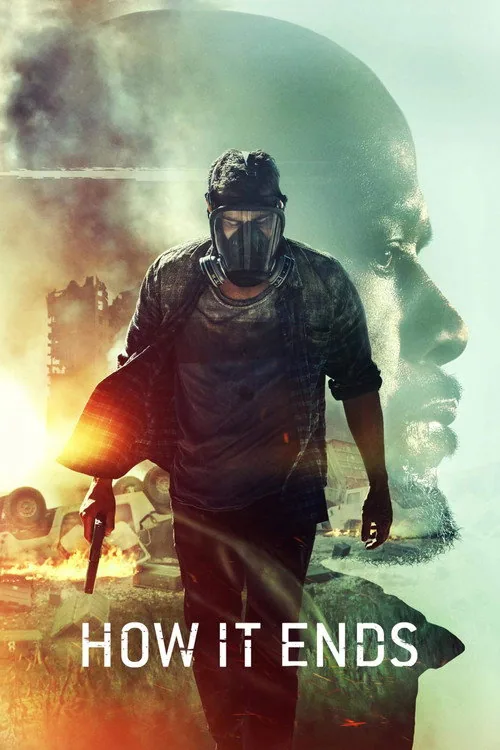
When a mysterious seismic event disables power and communication across the United States, Will learns that his pregnant partner Sam is stranded in Seattle. He teams up with her father Tom, with whom he has a tense relationship, and drives west through disrupted highways and growing civil disorder. The journey forces the two men to depend on each other as resources thin and the cause of the disaster remains unclear. This post-apocalyptic action thriller treats the road trip as both a search for Sam and a test of whether Will can become part of her family.
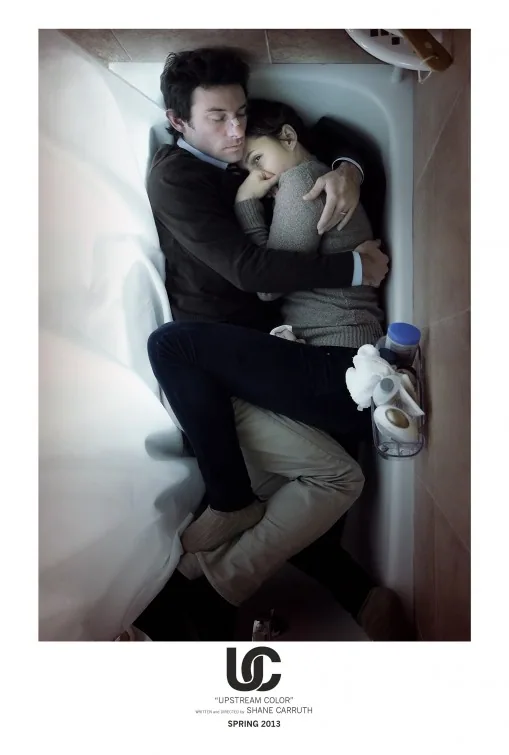
Kris is abducted by a thief who uses an organism to place her in a highly suggestible state and strip away control over her life. After the experience, she struggles to reconstruct her identity and forms a connection with Jeff, a man whose past carries a related rupture. Their lives intersect with a farmer and a cycle involving pigs, plants and people. Shane Carruth’s film presents its relationships and events through an elliptical, sensory structure.
What drives the story
Kris and Jeff try to rebuild a shared sense of self while clues connect their losses to an unusual biological process.
The people at its centre
The pair recognize echoes of their experiences in each other, forming a bond through uncertainty rather than a simple account of what happened.
What it feels like
Sparse explanation, recurring images and sound invite viewers to assemble emotional connections across an intentionally fragmented narrative.
Worth knowing
Its biological premise is filtered through a poetic, nonlinear structure, making it an intimate sensory puzzle rather than a conventional alien or infection thriller.