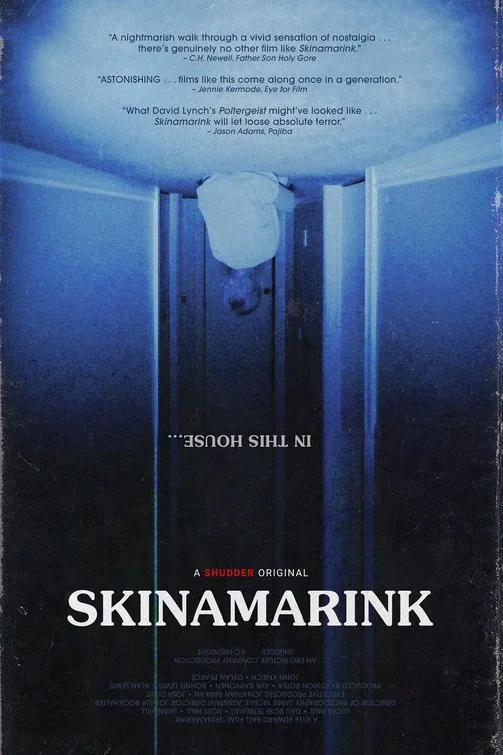
An experimental supernatural horror film for viewers who enjoy patient abstraction. Two children lose access to the outside world in their own home. Barely legible frames, looping cartoons, uncanny sound and the child's viewpoint convey the sense of being trapped inside a childhood nightmare.
What should feel similar?
Find your next favourite
6 films · Closest overall matches
Hide films you’ve seen or don’t want. Saved on this device.
No matches for this combination yet.
Try another option or reset your choices to see more films.
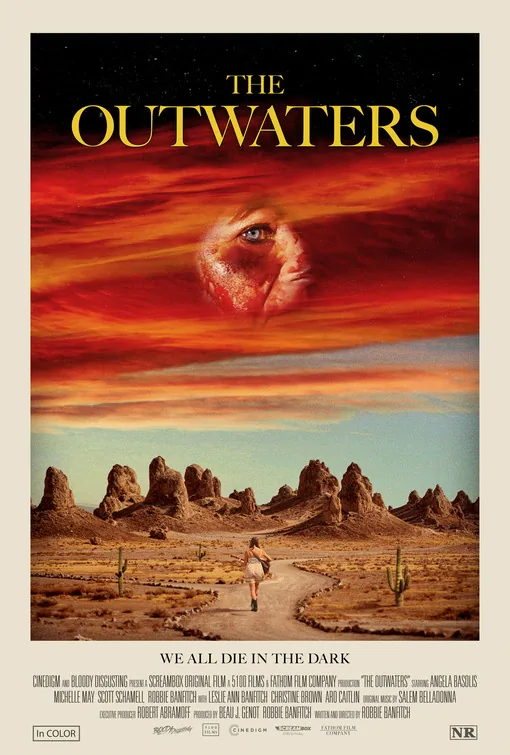
Recovered footage tracks a music-video trip as the group’s desert journey is overtaken by unexplained disturbances and disappearance.
Why this matches +
An experimental supernatural horror film for viewers who enjoy patient abstraction. Two children lose access to the outside world in their own home. Barely legible frames, looping cartoons, uncanny sound and the child's viewpoint convey the sense of being trapped inside a childhood nightmare.
Genres: Horror
Shared film traits
Based on recorded story, mood and style. Your preferences can change the order.
Survival · Constructed reality
What changes A desert trip, adult group and more explicit violence replace an enclosed childhood nightmare.
Filmmaker Robbie travels into the Mojave Desert with his brother Scott and friends Angela and Michelle to shoot a music video. Footage recovered from memory cards first frames the trip as a disappearance case, then records earthquakes, strange lights and increasingly impossible events that fracture the group’s sense of time and safety. Robbie Banfitch’s experimental found-footage horror uses rough image and sound to make the desert itself feel hostile and unknowable.
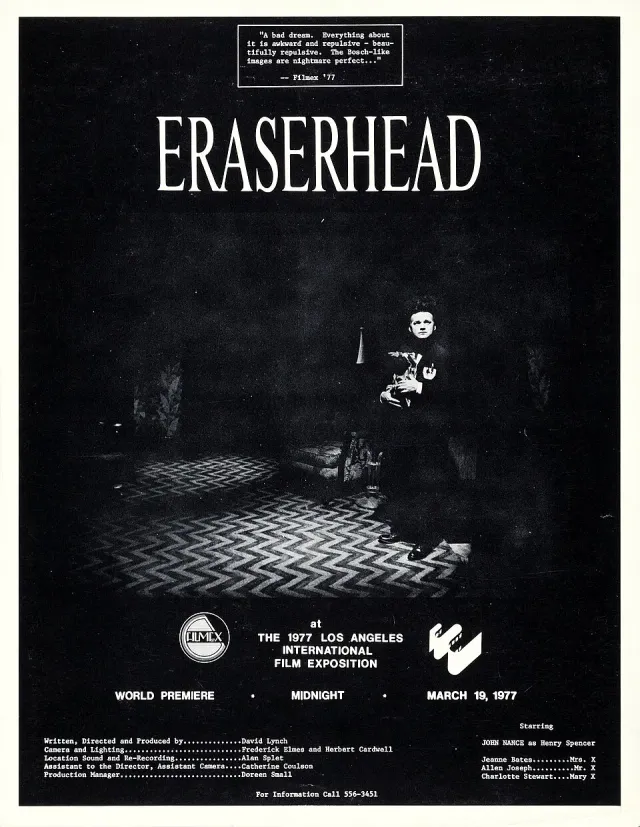
An imposed domestic responsibility produces a sequence of failed attempts at comfort or escape, while recurring images transform ordinary parenthood into an unstable bodily and psychological ordeal. Henry’s strained domestic arrangement becomes a sequence of attempted escapes whose logic shifts with his perception.
Why this matches +
An experimental supernatural horror film for viewers who enjoy patient abstraction. Two children lose access to the outside world in their own home. Barely legible frames, looping cartoons, uncanny sound and the child's viewpoint convey the sense of being trapped inside a childhood nightmare.
Genres: Horror / Drama
Shared film traits
Based on recorded story, mood and style. Your preferences can change the order.
What changes Adult anxiety about parenthood replaces children left alone inside a changed house.
A young man's awkward encounter with his girlfriend's family leads to a household organized around an infant whose needs and bodily form he cannot comfortably understand. Sleeplessness, industrial surroundings and recurring visions make intimacy and reproduction feel inseparable from dread. Attempts to distinguish escape, desire and responsibility become less secure as the film changes the boundaries between perception and event, keeping the domestic situation distressingly immediate without supplying one stable explanatory key. The film makes domestic responsibility feel material and inescapable while refusing to stabilize the events as literal realism.
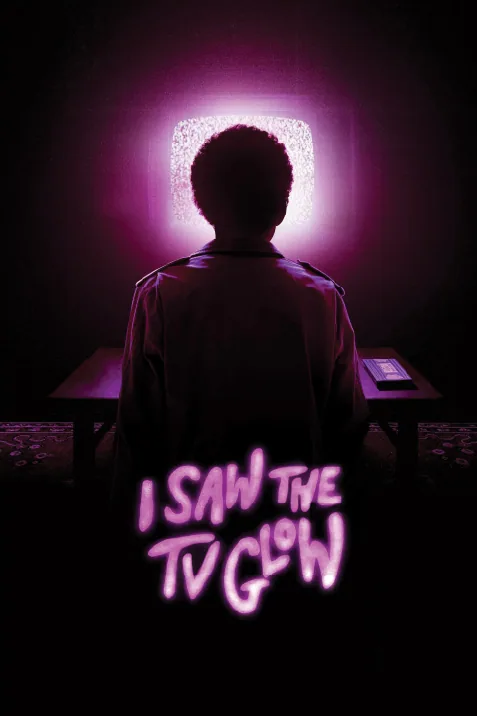
A shared television obsession becomes a challenge to Owen’s assumed identity, and his refusal to risk rupture lets routine harden into accumulating dread. Maddy’s return makes explicit the recognition Owen has been trying not to act on.
Why this matches +
Specific departures in the pair notes.
An adjacent discovery: a related idea with a different viewing experience.
Genres: Horror / Drama
Shared film traits
Based on recorded story, mood and style. Your preferences can change the order.
Constructed reality
What changes Adolescent friendship and identity unfold across years rather than an almost wordless night at home.
Two isolated classmates, Owen and Maddy, bond over a late-night television series that seems to offer a world more meaningful than their suburban routines. Maddy disappears after insisting that the show reveals something true about their identities; years later, she returns with a frightening explanation that Owen cannot bring himself to accept. Their unequal readiness to act turns time, memory and ordinary adulthood into sources of horror. The film’s trans allegory is closely tied to repression and recognition, while its unstable reality resists a tidy supernatural solution. Its ending is disturbing because Owen’s continued deferral has visible costs, not because it offers instructions for a viewer’s safety or identity.
Micah’s attempt to control the haunting by filming it becomes part of the escalation, while Katie’s prior knowledge is repeatedly discounted.
Why this matches +
Specific departures in the pair notes.
An adjacent discovery: a related idea with a different viewing experience.
Genres: Horror / Mystery
Shared film traits
Based on recorded story, mood and style. Your preferences can change the order.
What changes An adult couple documents escalating events in an intelligible chronology.
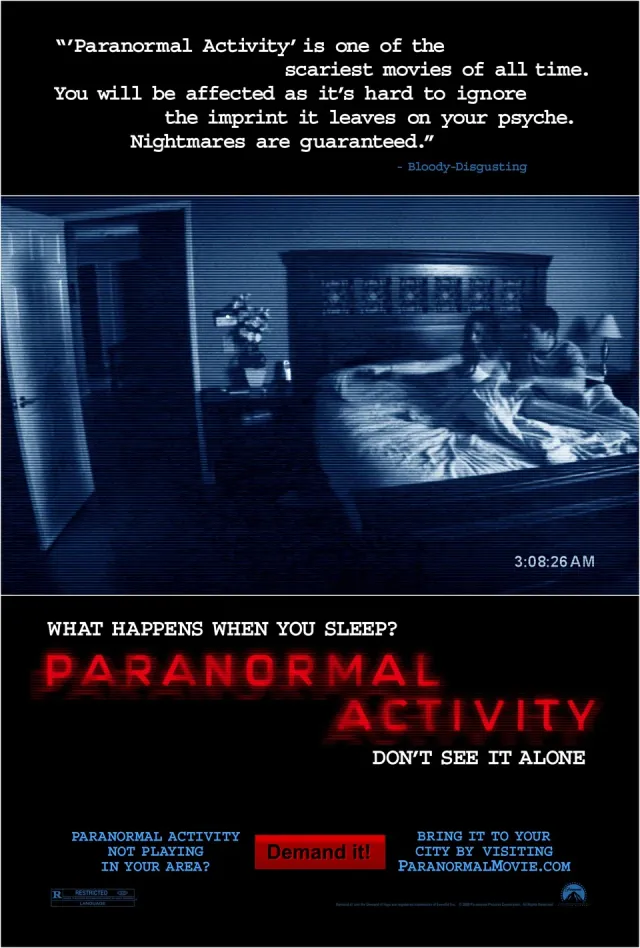
After Katie and Micah move into a San Diego home, they begin experiencing unexplained noises and disturbances at night. Micah buys a camera and records their bedroom, hoping to prove the cause while ignoring the psychic’s warning that the presence has followed Katie for years. The footage captures increasingly deliberate movement, and Micah’s experiments provoke Katie’s fear rather than calming it. Their disagreement about whether to document or avoid the entity lets the haunting intensify inside an ordinary domestic routine. The film’s found-footage structure makes the camera both evidence and a source of helpless watching.
The film’s scenes circle a cursed production and Nikki’s role while refusing to clarify where performance ends and life begins.
Why this matches +
Specific departures in the pair notes.
An adjacent discovery: a related idea with a different viewing experience.
Genres: Drama / Mystery
Shared film traits
Based on recorded story, mood and style. Your preferences can change the order.
What changes Its sprawling adult identity puzzle moves between sets and worlds.
Actress Nikki Grace accepts a role in a film production that is said to be cursed, and the boundaries between her performance, private life, and the story she is acting out begin to dissolve. Scenes move through Hollywood rooms, shadowy corridors, and disjointed encounters without settling into one stable account of events. David Lynch’s experimental psychological film uses digital video, repetition, and dream logic to make identity and narrative feel unstable. Its three-hour form invites sensory immersion and interpretation rather than a single, easily summarized solution.
María flees a controlling colony and tries to build a new home while the house itself responds to her fears.
Why this matches +
Specific departures in the pair notes.
An adjacent discovery: a related idea with a different viewing experience.
Genres: Animation / Drama
Shared film traits
Based on recorded story, mood and style. Your preferences can change the order.
Constructed reality
What changes Stop-motion transformation and an allegory of cult coercion supply a different viewing experience.
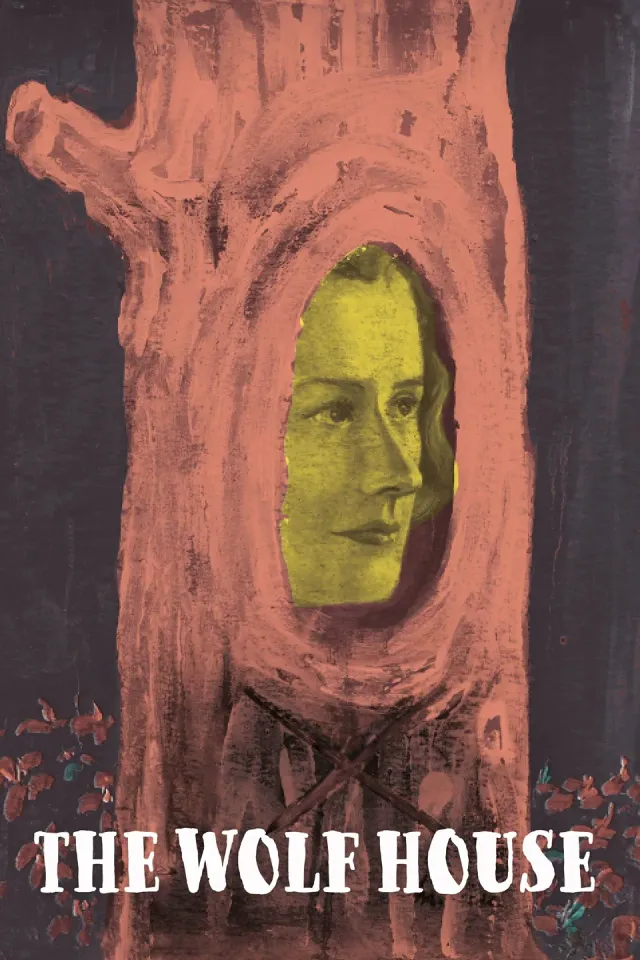
María escapes an isolated German-speaking colony in Chile and takes refuge in an abandoned house deep in the woods. Two pigs live there, and the rooms begin to shift as María reshapes them into a home and turns the animals into companions. Outside, a wolf continues to call her back. The stop-motion film transforms the house around her, blending a fairy-tale flight with an allegory tied to the history of Colonia Dignidad.
One night, young siblings Kevin and Kaylee wake to find their father gone, the doors and windows missing, and ordinary objects vanishing from their home. They try to wait out the darkness together, using cartoons and small routines to make sense of the house, but voices and impossible events begin to separate them. The film offers little explanation for the presence or the children’s situation, keeping the threat at the edge of what can be seen. Its story is deliberately fragmentary and experienced at the children’s low, uncertain scale.
What drives the story
The disappearance of ordinary exits turns a familiar home into a sealed space; the children’s limited understanding is part of the danger, not a puzzle the film promises to solve.
The people at its centre
Kevin and Kaylee have only one another as their world becomes less reliable, and even that companionship is strained by the unseen presence.
What it feels like
Long, low-angle shots, near-darkness, indistinct corners and the glow of an old television make absence and sound more frightening than visible monsters.
Worth knowing
A deliberate fit for experimental, extremely slow domestic horror; viewers wanting clear answers or frequent creature reveals may find its ambiguity frustrating. It sustains intense childhood peril.