Explore films connected to Inland Empire through identity and performance, dream logic, fear and fragmentation. Choose the qualities you want to carry into your next watch.
What should feel similar?
Find your next favourite
9 films · Closest overall matches
Hide films you’ve seen or don’t want. Saved on this device.
No matches for this combination yet.
Try another option or reset your choices to see more films.
Based on recorded story, mood and style. Your preferences can change the order.
Memory and identity
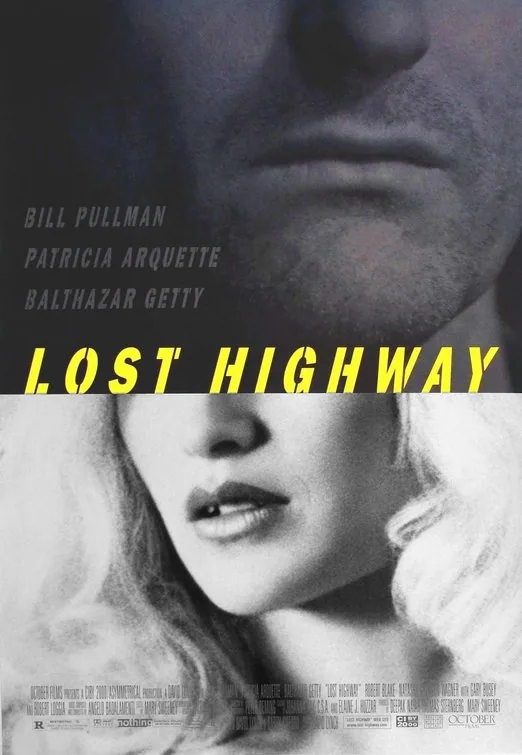
What changes Inland Empire: elliptical and long-form and disorienting. Lost Highway: nonlinear and circular.
Jazz musician Fred Madison begins receiving videotapes that show the outside of his house and then its interior, turning domestic privacy into a threat. After his arrest for murder, the story fractures into an impossible identity change and a second life lived by Pete Dayton, whose affair with Alice repeats patterns of desire, surveillance and control. A mysterious man crosses the film’s worlds as if recording and directing them, but no stable explanation resolves how the two identities relate. David Lynch’s noir is built from circular return, abrupt shifts and oppressive sound rather than a puzzle with one confirmed diagnosis. Its dreamlike form can hold several readings, yet ambiguity should not dissolve the violence against women into abstract style or make the men’s self-deceptions morally weightless.
Based on recorded story, mood and style. Your preferences can change the order.
Dream worlds
What changes Inland Empire: elliptical and long-form and disorienting. Rings: mystery clues accumulate before supernatural attacks.
A young woman becomes involved with a mysterious video that appears to predict the death of anyone who watches it unless they pass it on. Her search for the recording’s origin leads into a history of exploitation and supernatural danger. The horror sequel mixes investigation with a curse mechanism, turning curiosity and the circulation of media into risks that are difficult to escape.
Based on recorded story, mood and style. Your preferences can change the order.
Memory and identity
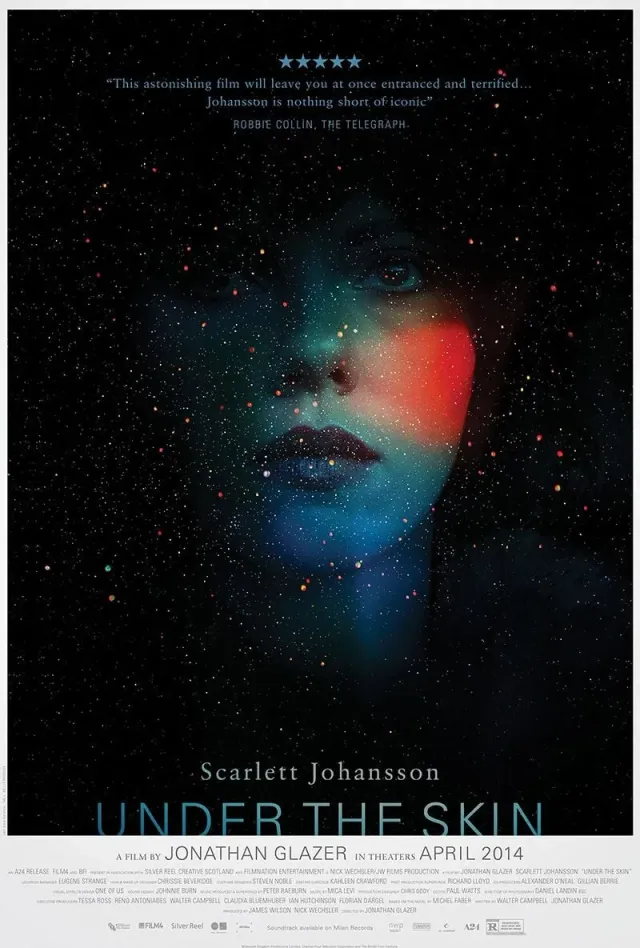
What changes Inland Empire: elliptical and long-form and disorienting. Under the Skin: slow and observational.
An enigmatic woman drives through Scotland and approaches men who are isolated or receptive to her attention. Her encounters point toward an inhuman purpose, but the woman’s routine begins to change as she experiences vulnerability and human contact. Jonathan Glazer tells the science-fiction story through sparse dialogue, observational images and an unsettling soundscape, making perception and bodily identity more central than explanation. The result is an atmospheric, adult film that leaves many motives deliberately unresolved.
Based on recorded story, mood and style. Your preferences can change the order.
Dream worlds · Memory and identity
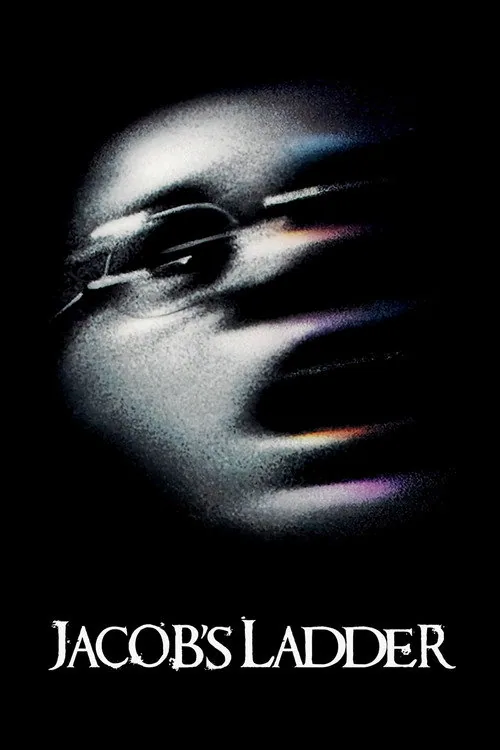
What changes Inland Empire: elliptical and long-form and disorienting. Jacob's Ladder: fragmented episodes gradually connect present experience to wartime memory.
After returning from Vietnam, former soldier Jacob Singer lives in Brooklyn and is troubled by disturbing visions, fragmented memories, and the sense that reality keeps shifting around him. His search for an explanation draws in fellow veterans and people from his present life, but each apparent answer deepens the uncertainty. Adrian Lyne’s psychological horror film moves between memory, paranoia, and spiritual imagery, asking viewers to experience Jacob’s disorientation rather than rely on a stable investigative viewpoint.
Based on recorded story, mood and style. Your preferences can change the order.
Memory and identity
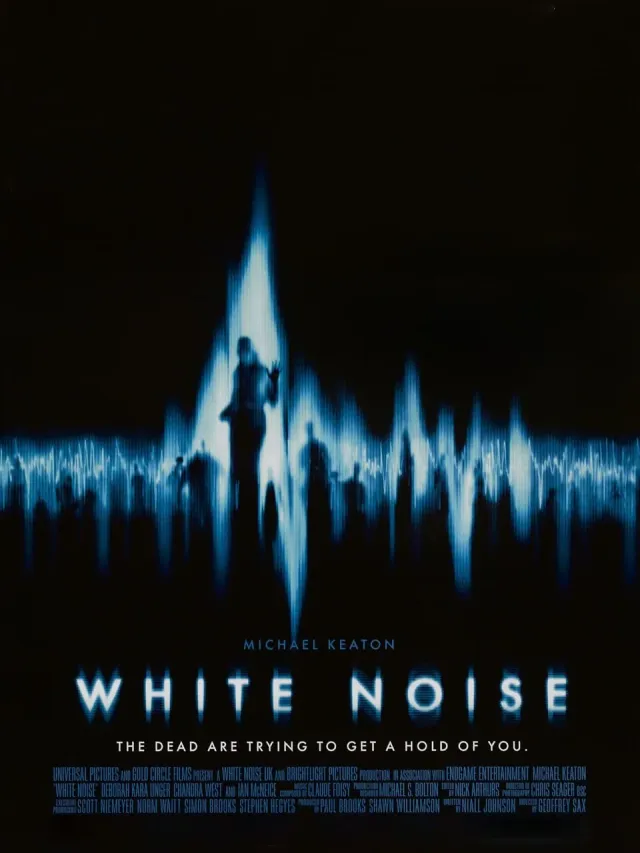
What changes Inland Empire: elliptical and long-form and disorienting. White Noise: slow-building and escalating.
After his wife dies, an architect is approached by a researcher who claims to record messages from the dead through electronic interference. His search for contact becomes entangled with frightening events and with the possibility that grief is making him vulnerable to dangerous interpretations. The film uses technological mediation as a horror device, examining the desire to hear from a lost person and the risks of treating ambiguous signals as certainty.
Based on recorded story, mood and style. Your preferences can change the order.
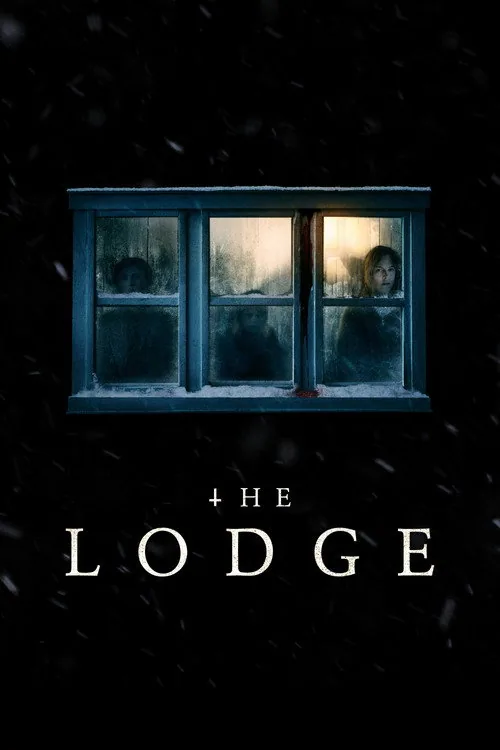
What changes Inland Empire: elliptical and long-form and disorienting. The Lodge: slow-burn suspense, gradual revelations and atmospheric escalation.
After their mother dies, siblings Aidan and Mia travel with their father and his fiancée Grace to a remote winter lodge. When the father leaves for work, Grace is alone with the children as heavy snow and a breakdown in communication isolate them. Their shared grief and Grace's history with a religious cult give the household an uneasy emotional charge, while unexplained events unsettle what each person believes. The Lodge is a slow, wintry psychological horror film that builds dread through isolation, family mistrust, and the instability of perception.
Based on recorded story, mood and style. Your preferences can change the order.
Memory and identity
What changes Inland Empire: elliptical and long-form and disorienting. Halloween II: relentless and fragmented.
After the events of the previous film, Laurie struggles with trauma while Michael Myers continues to pursue her and those around her. The story moves through a bleak Midwestern town and revisits the franchise’s family connection, placing psychological aftermath beside slasher pursuit. Rob Zombie’s sequel emphasizes abrasive imagery and raw distress, making the experience less about a puzzle of identity than about survivors living under the continuation of violence.
Based on recorded story, mood and style. Your preferences can change the order.
Memory and identity
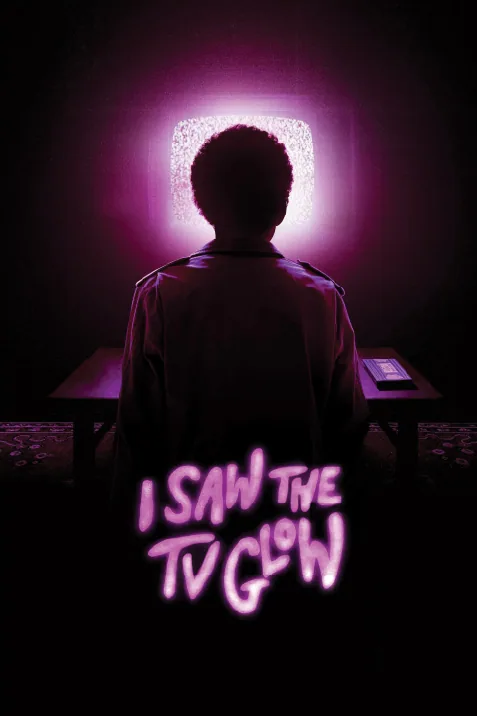
What changes Inland Empire: elliptical and long-form and disorienting. I Saw the TV Glow: slow burn and episodic.
Two isolated classmates, Owen and Maddy, bond over a late-night television series that seems to offer a world more meaningful than their suburban routines. Maddy disappears after insisting that the show reveals something true about their identities; years later, she returns with a frightening explanation that Owen cannot bring himself to accept. Their unequal readiness to act turns time, memory and ordinary adulthood into sources of horror. The film’s trans allegory is closely tied to repression and recognition, while its unstable reality resists a tidy supernatural solution. Its ending is disturbing because Owen’s continued deferral has visible costs, not because it offers instructions for a viewer’s safety or identity.
Based on recorded story, mood and style. Your preferences can change the order.
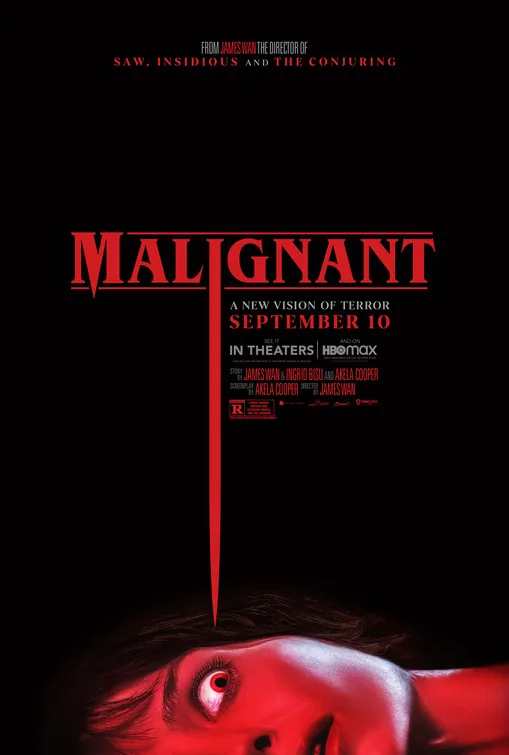
What changes Inland Empire: elliptical and long-form and disorienting. Malignant: a procedural investigation breaks into escalating supernatural spectacle.
Madison is tormented by visions of murders she appears to witness as they happen, while investigators connect the killings to an unknown figure from her past. As the violence escalates, her memories and sense of self become increasingly uncertain. James Wan’s horror film begins as a police mystery and shifts into a highly stylized confrontation with a hidden history, using body horror and identity questions to unsettle genre expectations.
Actress Nikki Grace accepts a role in a film production that is said to be cursed, and the boundaries between her performance, private life, and the story she is acting out begin to dissolve. Scenes move through Hollywood rooms, shadowy corridors, and disjointed encounters without settling into one stable account of events. David Lynch’s experimental psychological film uses digital video, repetition, and dream logic to make identity and narrative feel unstable. Its three-hour form invites sensory immersion and interpretation rather than a single, easily summarized solution.
What drives the story
The film’s scenes circle a cursed production and Nikki’s role while refusing to clarify where performance ends and life begins.
The people at its centre
Nikki’s relationships and encounters appear in shifting forms, so recognition and continuity become part of the viewer’s task.
What it feels like
This is a demanding, immersive work that favors mood, sound, and association over conventional plot explanation.
Worth knowing
Its experimental structure is deliberately unstable, unlike a standard backstage drama or puzzle thriller with a final solution.
identity and performancedream logicfear and fragmentation
Mood
surreal · unsettling · hypnotic
Pacing
elliptical · long-form and disorienting
Visual style
grainy digital video · shifting image quality · surreal interiors and neon-lit spaces
Storytelling
actress loses boundaries between roles and life · fragmented non-linear structure · experimental psychological cinema