Both share themes of trauma and memory, plus a disorienting atmosphere.
Why this matches +
Genres: Horror / Supernatural
Shared film traits
Based on recorded story, mood and style. Your preferences can change the order.
Dream worlds
What changes Jacob's Ladder: fragmented episodes gradually connect present experience to wartime memory. A Nightmare on Elm Street: relentless and investigation-led.
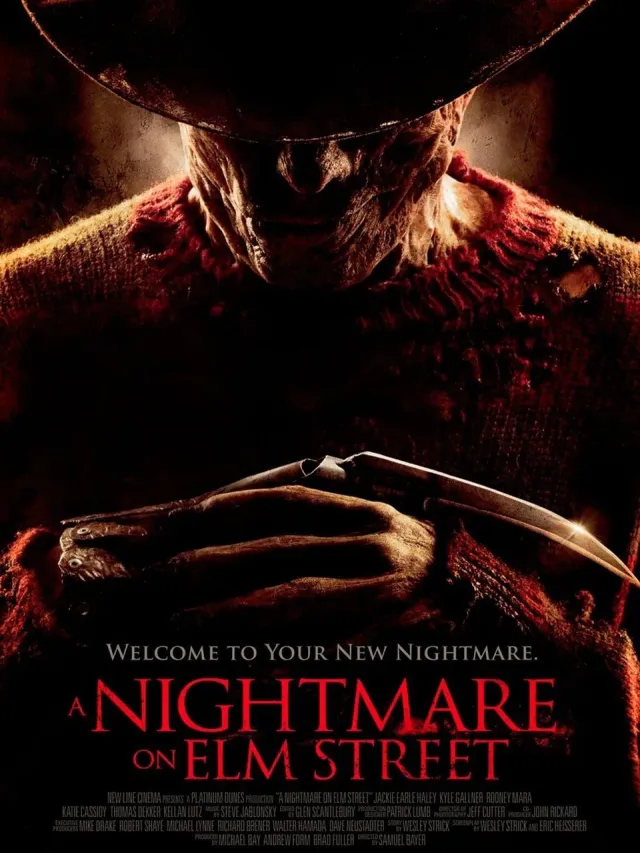
Teenagers connected by a forgotten childhood begin encountering the same burned figure in their dreams. Deaths make sleep itself dangerous, and their efforts to stay awake undermine their ability to judge what is real. Investigating their shared past brings them into conflict with protective adult silence, making the attempt to identify Freddy Krueger inseparable from a struggle against exhaustion and concealed abuse.
Based on recorded story, mood and style. Your preferences can change the order.
Memory and identity · Dream worlds
What changes Jacob's Ladder: fragmented episodes gradually connect present experience to wartime memory. Inland Empire: elliptical and long-form and disorienting.
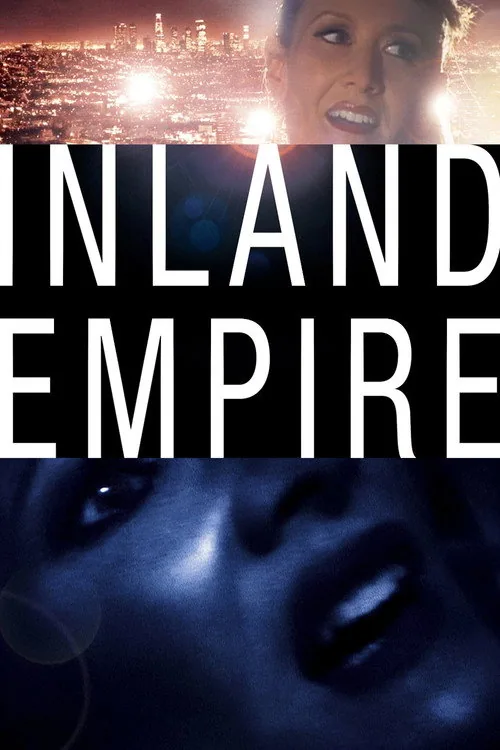
Actress Nikki Grace accepts a role in a film production that is said to be cursed, and the boundaries between her performance, private life, and the story she is acting out begin to dissolve. Scenes move through Hollywood rooms, shadowy corridors, and disjointed encounters without settling into one stable account of events. David Lynch’s experimental psychological film uses digital video, repetition, and dream logic to make identity and narrative feel unstable. Its three-hour form invites sensory immersion and interpretation rather than a single, easily summarized solution.
Both share themes of memory, plus a nightmarish atmosphere.
Why this matches +
Genres: Horror / Mystery
Shared film traits
Based on recorded story, mood and style. Your preferences can change the order.
Memory and identity
What changes Jacob's Ladder: fragmented episodes gradually connect present experience to wartime memory. Return to Silent Hill: a return journey becomes an unraveling psychological investigation.
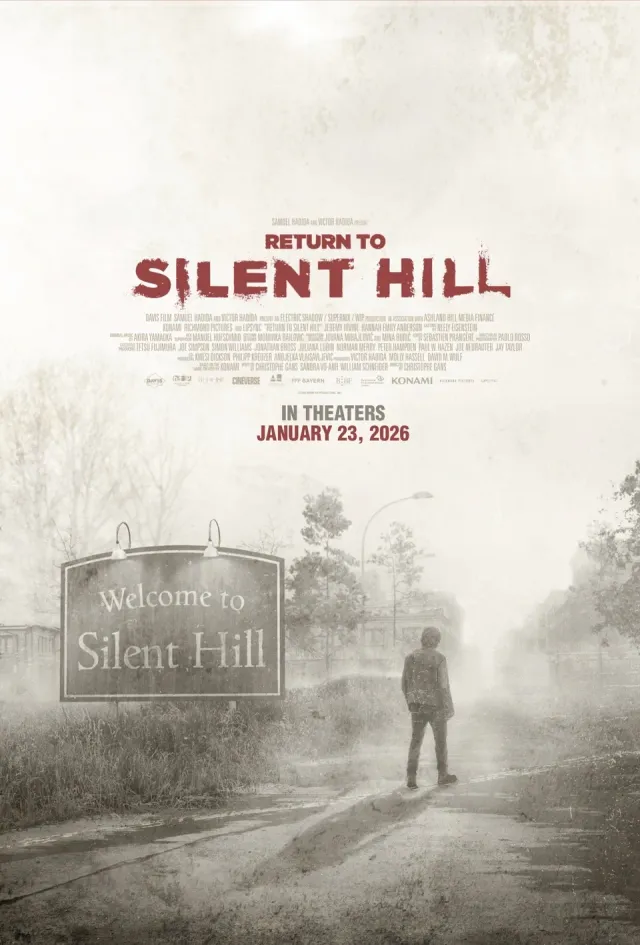
James returns to Silent Hill after reconnecting with Mary, whose sudden disappearance draws him back to a town transformed by his memories and fears. Fog, hostile creatures, and familiar spaces shape an inward search as James tries to understand what is real and what he has lost. The psychological horror revisits the game’s themes of guilt, grief, and identity through a landscape that seems to respond to its protagonist.
Based on recorded story, mood and style. Your preferences can change the order.
Memory and identity
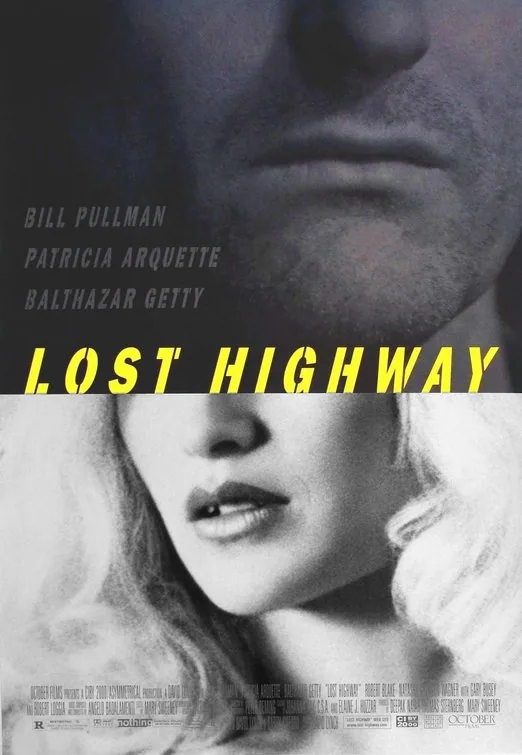
What changes Jacob's Ladder: fragmented episodes gradually connect present experience to wartime memory. Lost Highway: nonlinear and circular.
Jazz musician Fred Madison begins receiving videotapes that show the outside of his house and then its interior, turning domestic privacy into a threat. After his arrest for murder, the story fractures into an impossible identity change and a second life lived by Pete Dayton, whose affair with Alice repeats patterns of desire, surveillance and control. A mysterious man crosses the film’s worlds as if recording and directing them, but no stable explanation resolves how the two identities relate. David Lynch’s noir is built from circular return, abrupt shifts and oppressive sound rather than a puzzle with one confirmed diagnosis. Its dreamlike form can hold several readings, yet ambiguity should not dissolve the violence against women into abstract style or make the men’s self-deceptions morally weightless.
Based on recorded story, mood and style. Your preferences can change the order.
Memory and identity
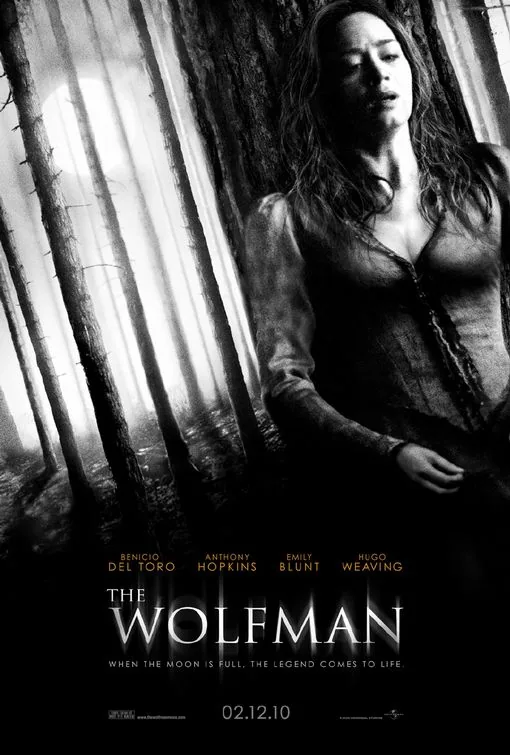
What changes Jacob's Ladder: fragmented episodes gradually connect present experience to wartime memory. The Wolfman: brooding and violent eruptions.
An actor returns to his family's English estate after his brother is killed and becomes involved in the search for the attacker. A wound inflicted during another assault links the investigation to frightening changes in his own body. Old family memories and official suspicion compound the threat, turning the attempted explanation of a local monster into a gothic struggle with inheritance, violence and loss of control.
Both share themes of death, plus a nightmarish atmosphere.
Why this matches +
Genres: Horror / Zombie
Shared film traits
Based on recorded story, mood and style. Your preferences can change the order.
Dream worlds
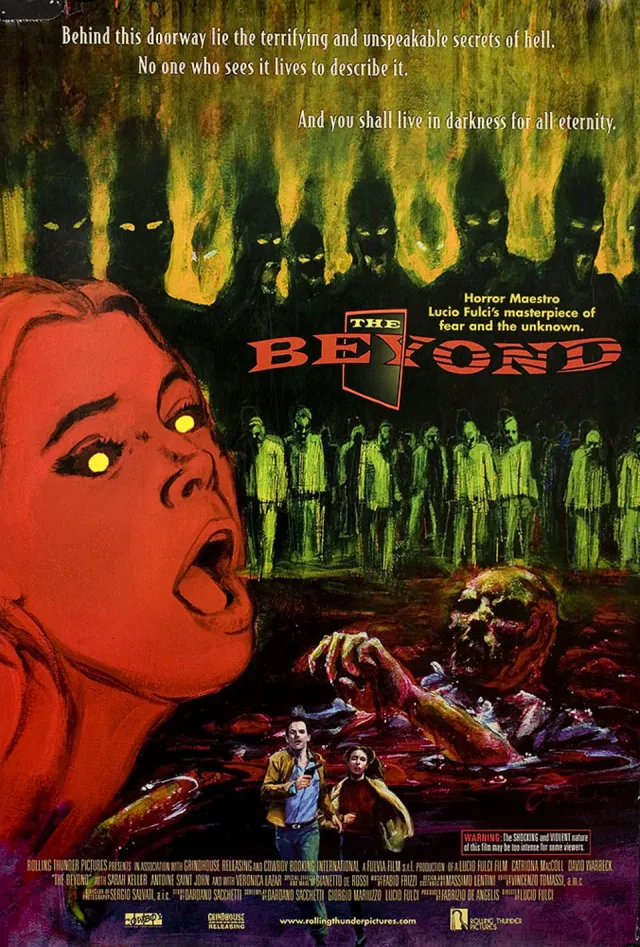
What changes Jacob's Ladder: fragmented episodes gradually connect present experience to wartime memory. The Beyond: episodic deaths, escalating supernatural threat, mystery-led and bleak climax.
Liza Merrill inherits a decaying hotel in New Orleans and plans to reopen it despite warnings about its past. The building contains a room linked to an old act of violence and one of seven gates to the afterlife. As repairs begin, accidents and deaths multiply, and local doctor John McCabe finds that ordinary explanations do not account for what is happening. Liza searches for answers in the hotel’s history while the boundary between the living world and a hostile supernatural realm grows weaker. The investigation becomes a struggle to survive a place that seems to draw its visitors toward an inevitable ending.
Both share a disorienting and mournful atmosphere.
Why this matches +
Genres: Horror / Drama
Shared film traits
Based on recorded story, mood and style. Your preferences can change the order.
Memory and identity
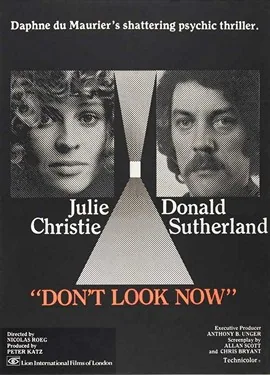
What changes Jacob's Ladder: fragmented episodes gradually connect present experience to wartime memory. Don’t Look Now: fragmented and slow burn.
After the accidental death of their young daughter, John and Laura Baxter travel to Venice, where John works on a church restoration. Laura meets two sisters, one of whom claims a psychic connection to the child. John’s skepticism and his own disturbing glimpses of a small red-clad figure draw grief, fear and a sense of foreboding through the city’s canals and streets.
Shared characteristics
Mood: Disorienting
Mood: Mournful
Genre: Horror
Genre: Drama
Poster: Film rights holders; original promotional poster documented by Wikipedia · Image source
Based on recorded story, mood and style. Your preferences can change the order.
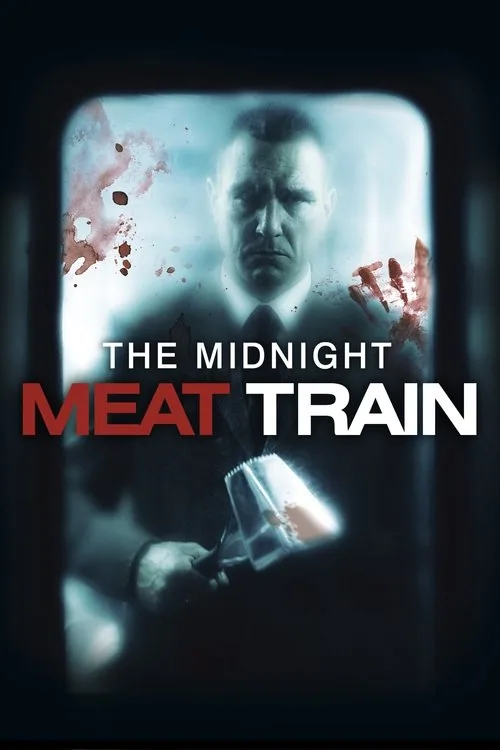
What changes Jacob's Ladder: fragmented episodes gradually connect present experience to wartime memory. The Midnight Meat Train: nocturnal investigation, escalating graphic horror and revelatory climax.
Struggling New York photographer Leon Kaufman is urged by a gallery owner to capture the city’s hidden brutality in his work. His search for unsettling images leads him to follow a quiet commuter named Mahogany, who boards late-night trains and appears connected to a string of disappearances. As Leon pursues the mystery through the subway system, he discovers a gruesome pattern beneath the city. Ryuhei Kitamura’s horror film adapts a Clive Barker story and contains graphic violence and body horror.
Based on recorded story, mood and style. Your preferences can change the order.
Memory and identity
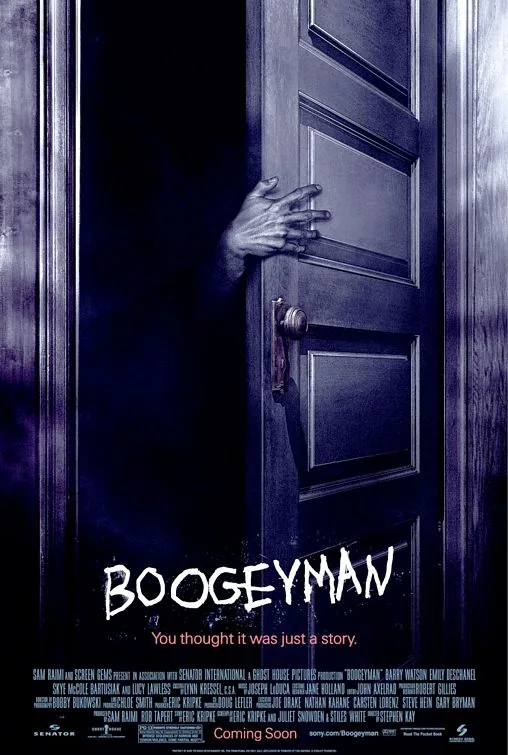
What changes Jacob's Ladder: fragmented episodes gradually connect present experience to wartime memory. Boogeyman: escalating and suspense-led.
A young man who has spent years avoiding the house where his father disappeared returns after a death in the family and finds his old fear of a creature in the closet reawakened. As unsettling events pull him back toward childhood memories, he tries to distinguish trauma from a threat that may be real. The horror film turns a familiar childhood fear into an adult struggle with memory and avoidance.
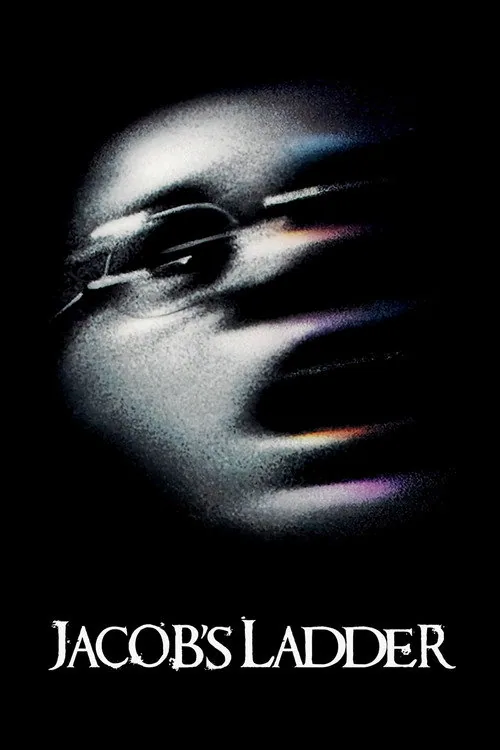
After returning from Vietnam, former soldier Jacob Singer lives in Brooklyn and is troubled by disturbing visions, fragmented memories, and the sense that reality keeps shifting around him. His search for an explanation draws in fellow veterans and people from his present life, but each apparent answer deepens the uncertainty. Adrian Lyne’s psychological horror film moves between memory, paranoia, and spiritual imagery, asking viewers to experience Jacob’s disorientation rather than rely on a stable investigative viewpoint.
What drives the story
Jacob’s attempts to understand his hallucinations lead him toward a possible explanation for what happened to his unit.
The people at its centre
Jacob’s relationships with his girlfriend, former comrades, and family memories give competing shape to the life he believes he is living.
What it feels like
The film contains disturbing body imagery, violence, war trauma, and sustained psychological unease.
Worth knowing
It is a surreal psychological horror film about a veteran’s perception, not a conventional military conspiracy thriller.
TraumaMemoryDeath
Mood
Nightmarish · Disorienting · Mournful
Pacing
Fragmented episodes gradually connect present experience to wartime memory