The film’s scenes circle a cursed production and Nikki’s role while refusing to clarify where performance ends and life begins.
Why this matches +
Selected for the central appeal: Surreal noir about fractured identity, surveillance and destructive desire.
Genres: Drama / Mystery
Shared film traits
Based on recorded story, mood and style. Your preferences can change the order.
Memory and identity
What changes Inland Empire shares David Lynch's unstable identities, circular storytelling and threatening domestic spaces.
Actress Nikki Grace accepts a role in a film production that is said to be cursed, and the boundaries between her performance, private life, and the story she is acting out begin to dissolve. Scenes move through Hollywood rooms, shadowy corridors, and disjointed encounters without settling into one stable account of events. David Lynch’s experimental psychological film uses digital video, repetition, and dream logic to make identity and narrative feel unstable. Its three-hour form invites sensory immersion and interpretation rather than a single, easily summarized solution.
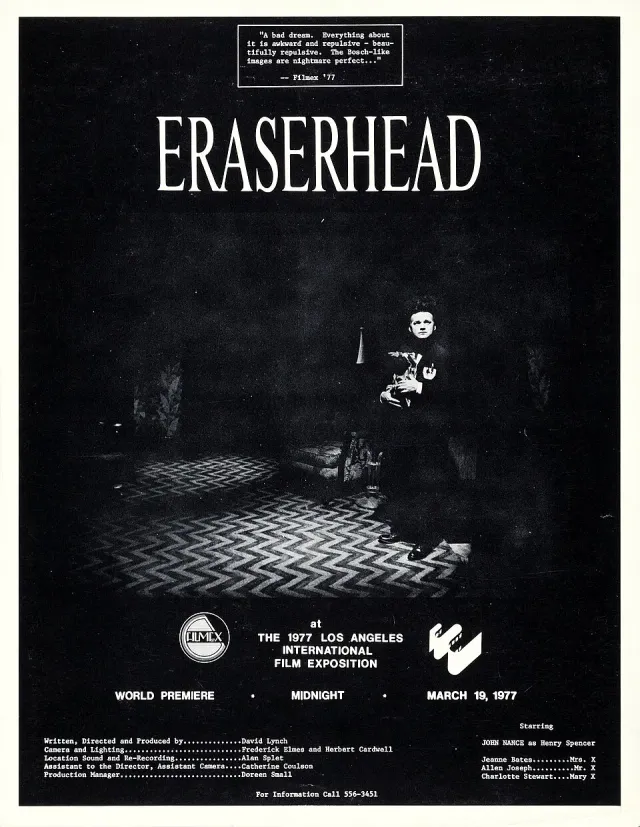
An imposed domestic responsibility produces a sequence of failed attempts at comfort or escape, while recurring images transform ordinary parenthood into an unstable bodily and psychological ordeal. Henry’s strained domestic arrangement becomes a sequence of attempted escapes whose logic shifts with his perception.
Why this matches +
Selected for the central appeal: Surreal noir about fractured identity, surveillance and destructive desire.
Genres: Horror / Drama
Shared film traits
Based on recorded story, mood and style. Your preferences can change the order.
What changes Eraserhead uses oppressive sound and surreal domestic imagery to blur perception and events.
A young man's awkward encounter with his girlfriend's family leads to a household organized around an infant whose needs and bodily form he cannot comfortably understand. Sleeplessness, industrial surroundings and recurring visions make intimacy and reproduction feel inseparable from dread. Attempts to distinguish escape, desire and responsibility become less secure as the film changes the boundaries between perception and event, keeping the domestic situation distressingly immediate without supplying one stable explanatory key. The film makes domestic responsibility feel material and inescapable while refusing to stabilize the events as literal realism.
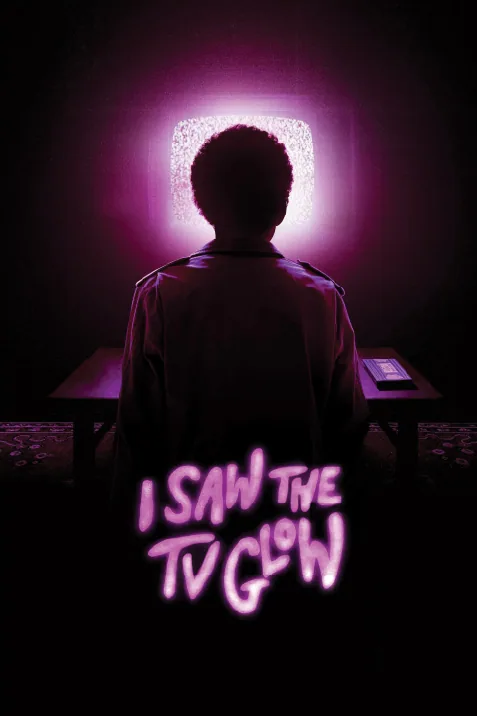
A shared television obsession becomes a challenge to Owen’s assumed identity, and his refusal to risk rupture lets routine harden into accumulating dread. Maddy’s return makes explicit the recognition Owen has been trying not to act on.
Why this matches +
These offer a related experience with a meaningful difference in story, tone, or presentation.
An adjacent discovery: a related idea with a different viewing experience.
Genres: Horror / Drama
Shared film traits
Based on recorded story, mood and style. Your preferences can change the order.
Memory and identity · Constructed reality
What changes I Saw the TV Glow uses unstable perception and haunting imagery to explore identity and private distress.
Two isolated classmates, Owen and Maddy, bond over a late-night television series that seems to offer a world more meaningful than their suburban routines. Maddy disappears after insisting that the show reveals something true about their identities; years later, she returns with a frightening explanation that Owen cannot bring himself to accept. Their unequal readiness to act turns time, memory and ordinary adulthood into sources of horror. The film’s trans allegory is closely tied to repression and recognition, while its unstable reality resists a tidy supernatural solution. Its ending is disturbing because Owen’s continued deferral has visible costs, not because it offers instructions for a viewer’s safety or identity.
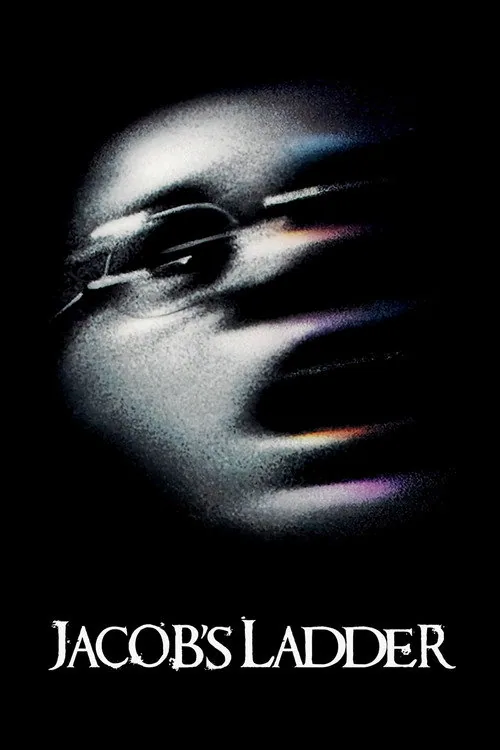
Jacob’s attempts to understand his hallucinations lead him toward a possible explanation for what happened to his unit.
Why this matches +
These offer a related experience with a meaningful difference in story, tone, or presentation.
An adjacent discovery: a related idea with a different viewing experience.
Genres: Horror / Drama
Shared film traits
Based on recorded story, mood and style. Your preferences can change the order.
Memory and identity
What changes Jacob's Ladder uses disorienting visions and uncertain identity to construct psychological dread.
After returning from Vietnam, former soldier Jacob Singer lives in Brooklyn and is troubled by disturbing visions, fragmented memories, and the sense that reality keeps shifting around him. His search for an explanation draws in fellow veterans and people from his present life, but each apparent answer deepens the uncertainty. Adrian Lyne’s psychological horror film moves between memory, paranoia, and spiritual imagery, asking viewers to experience Jacob’s disorientation rather than rely on a stable investigative viewpoint.
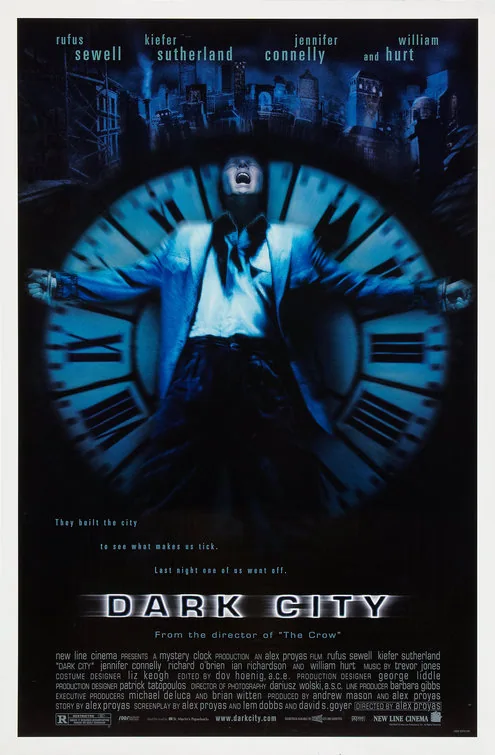
A man with no memory searches for the truth inside a city whose shape and history keep changing.
Why this matches +
These offer a related experience with a meaningful difference in story, tone, or presentation.
An adjacent discovery: a related idea with a different viewing experience.
Genres: Horror / Science fiction
Shared film traits
Based on recorded story, mood and style. Your preferences can change the order.
Memory and identity · Constructed reality
What changes Dark City follows a man whose identity and surrounding reality shift within a noir mystery.
John Murdoch wakes in an unfamiliar hotel with no memory and learns that people are being murdered across a city trapped in permanent night. He is pursued by police and by mysterious strangers who can alter buildings and memories when the population sleeps. As John searches for his identity and for a woman who may know him, the city itself becomes evidence in a struggle over who controls reality.
Jazz musician Fred Madison begins receiving videotapes that show the outside of his house and then its interior, turning domestic privacy into a threat. After his arrest for murder, the story fractures into an impossible identity change and a second life lived by Pete Dayton, whose affair with Alice repeats patterns of desire, surveillance and control. A mysterious man crosses the film’s worlds as if recording and directing them, but no stable explanation resolves how the two identities relate. David Lynch’s noir is built from circular return, abrupt shifts and oppressive sound rather than a puzzle with one confirmed diagnosis. Its dreamlike form can hold several readings, yet ambiguity should not dissolve the violence against women into abstract style or make the men’s self-deceptions morally weightless.
What drives the story
The videotapes turn private space into evidence before the film can define who made them. Fred’s arrest gives way to an identity rupture that creates another scenario but does not offer a settled escape from the first.
The people at its centre
Fred and Pete each pursue a version of a woman they cannot possess as imagined; Renee and Alice’s distinction remains unstable. The Mystery Man intensifies questions of watching, culpability and authorship without answering them.
What it feels like
Low-light interiors, electronic hum, fragmented editing and repeated images create sustained disorientation. The return to the opening line gives the film a loop-like structure rather than a conventional reveal.
Worth knowing
Psychogenic fugue and dream readings are interpretations, not a verified clinical explanation. Hold the formal uncertainty alongside the film’s jealousy and gendered violence; do not use surrealism to make harm disappear.
IdentityJealousyCulpability
Mood
Uncanny · Disturbing · Disorienting
Pacing
Nonlinear · Circular
Visual style
Dark interiors · Electronic sound · Abrupt breaks
Storytelling
Incriminating video · Impossible identity change · Repeated noir scenario