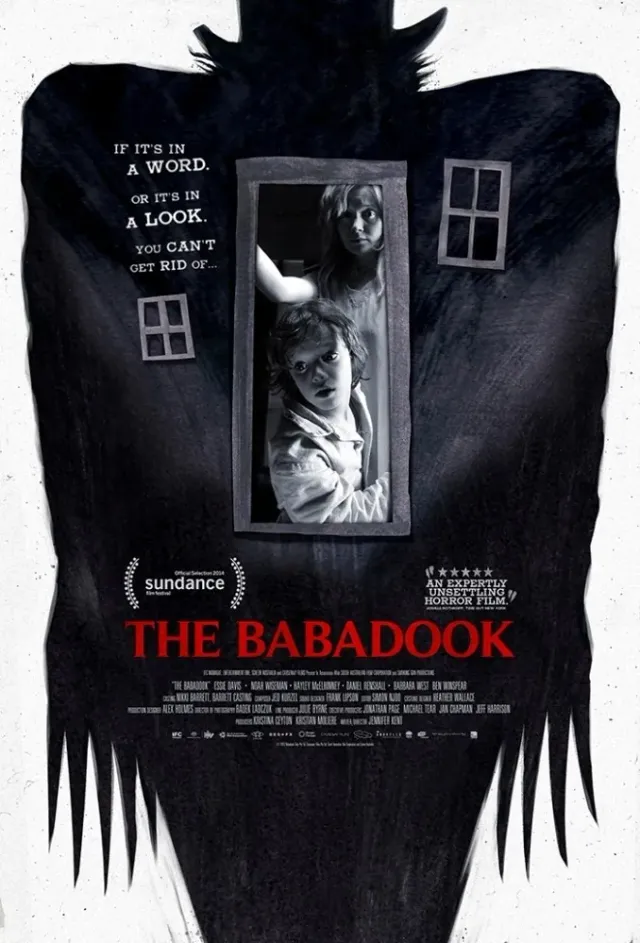
An intrusive story gives form to emotional pressures a mother and child have been unable to acknowledge or manage together.
Why this matches +
Selected for the central appeal: Disturbing psychological horror about parenthood, bodily dread and unstable reality.
Genres: Horror / Drama
Shared film traits
Based on recorded story, mood and style. Your preferences can change the order.
What changes The Babadook turns exhausted parenthood and the needs of a child into a claustrophobic psychological nightmare.
A widowed mother raising a troubled young son encounters a disturbing picture book that seems to bring an unwelcome presence into their home. Exhaustion, isolation and the child's fear make ordinary caregiving increasingly difficult as neither can persuade others to understand the danger. The apparent haunting becomes inseparable from grief that has found no sustainable place in their shared life.
The husband's effort to structure his wife's recovery through therapy becomes a contest over who gets to interpret her grief. The retreat's symbolic world destabilizes, rather than validates, his authority.
Why this matches +
These offer a related experience with a meaningful difference in story, tone, or presentation.
An adjacent discovery: a related idea with a different viewing experience.
Genres: Horror / Drama
Shared film traits
Based on recorded story, mood and style. Your preferences can change the order.
What changes Antichrist uses grief, bodily anxiety and surreal imagery to destabilize an intimate domestic relationship.
After their young son dies in an accident, a grieving couple retreat to an isolated cabin called Eden, where the husband, a therapist, tries to treat his wife's fear through exposure. His professional confidence collides with her distress, their unequal expectations and the film's increasingly violent images of nature and the body. The cabin becomes a chamber in which care, domination, guilt and desire cannot be cleanly separated. Lars von Trier's chaptered, formally extreme film uses symbolic and disputed ideas; it does not provide a trustworthy clinical account of grief or mental illness.
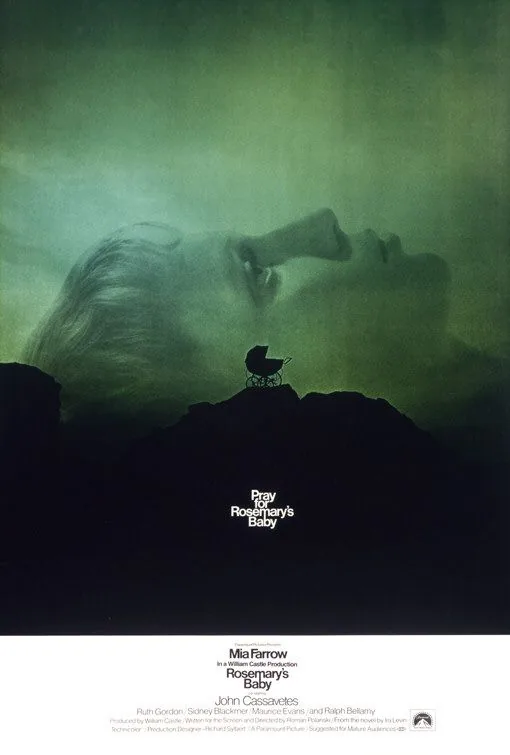
A pregnancy is managed through a coordinated network of domestic and professional authority, turning apparently solicitous assistance into a means of isolation and control.
Why this matches +
These offer a related experience with a meaningful difference in story, tone, or presentation.
An adjacent discovery: a related idea with a different viewing experience.
Genres: Horror / Drama
Shared film traits
Based on recorded story, mood and style. Your preferences can change the order.
What changes Rosemary's Baby makes pregnancy and a threatened infant the center of unsettling domestic horror.
A young couple move into a New York apartment where friendly neighbours offer advice, gifts and increasing access to their lives. After a disturbing night and an unexpected pregnancy, the woman's attempts to understand pain and unsettling coincidences are repeatedly redirected by her husband and trusted professionals. Discovering connections among people who claim to be helping makes pregnancy a site of contested bodily agency rather than private reassurance or uncomplicated domestic fulfilment.
A shared television obsession becomes a challenge to Owen’s assumed identity, and his refusal to risk rupture lets routine harden into accumulating dread. Maddy’s return makes explicit the recognition Owen has been trying not to act on.
Why this matches +
These offer a related experience with a meaningful difference in story, tone, or presentation.
An adjacent discovery: a related idea with a different viewing experience.
Genres: Horror / Drama
Shared film traits
Based on recorded story, mood and style. Your preferences can change the order.
What changes I Saw the TV Glow uses disorienting images and uncertain reality to express private dread and identity anxiety.
Two isolated classmates, Owen and Maddy, bond over a late-night television series that seems to offer a world more meaningful than their suburban routines. Maddy disappears after insisting that the show reveals something true about their identities; years later, she returns with a frightening explanation that Owen cannot bring himself to accept. Their unequal readiness to act turns time, memory and ordinary adulthood into sources of horror. The film’s trans allegory is closely tied to repression and recognition, while its unstable reality resists a tidy supernatural solution. Its ending is disturbing because Owen’s continued deferral has visible costs, not because it offers instructions for a viewer’s safety or identity.
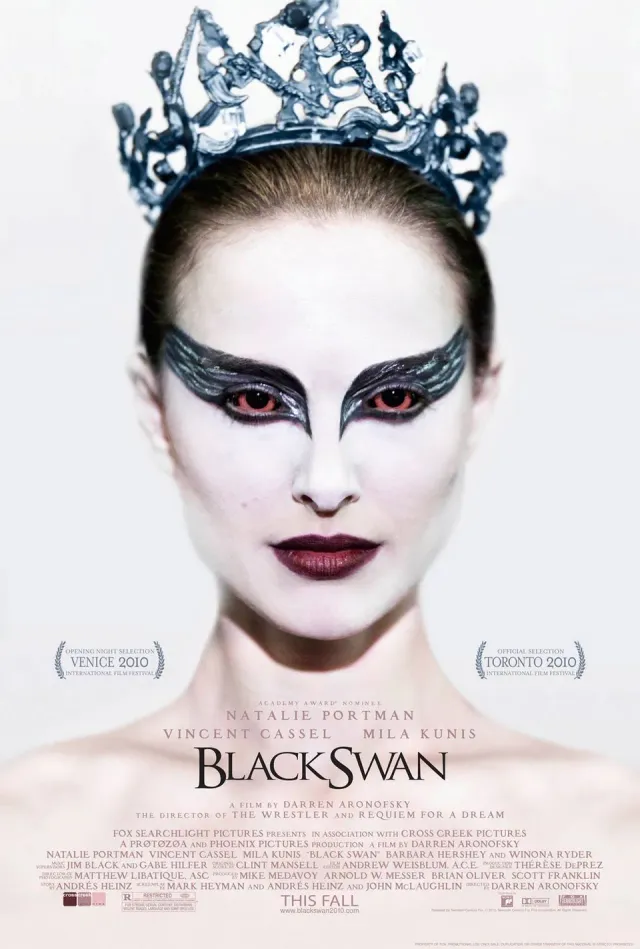
A coveted dual role turns perfectionism into a demand to become incompatible versions of oneself under escalating scrutiny.
Why this matches +
These offer a related experience with a meaningful difference in story, tone, or presentation.
An adjacent discovery: a related idea with a different viewing experience.
Genres: Drama / Thriller
Shared film traits
Based on recorded story, mood and style. Your preferences can change the order.
What changes Black Swan blurs psychological distress and bodily transformation through subjective, disturbing imagery.
A tightly controlled ballet dancer is chosen to perform a lead role demanding both precision and a sensual spontaneity she struggles to express. Pressure from a manipulative director, a possessive mother and an apparently freer rival intensifies her fear of being replaced. As rehearsal consumes her private life, bodily disturbance and unreliable perception blur the line between artistic transformation and a dangerous collapse of self.
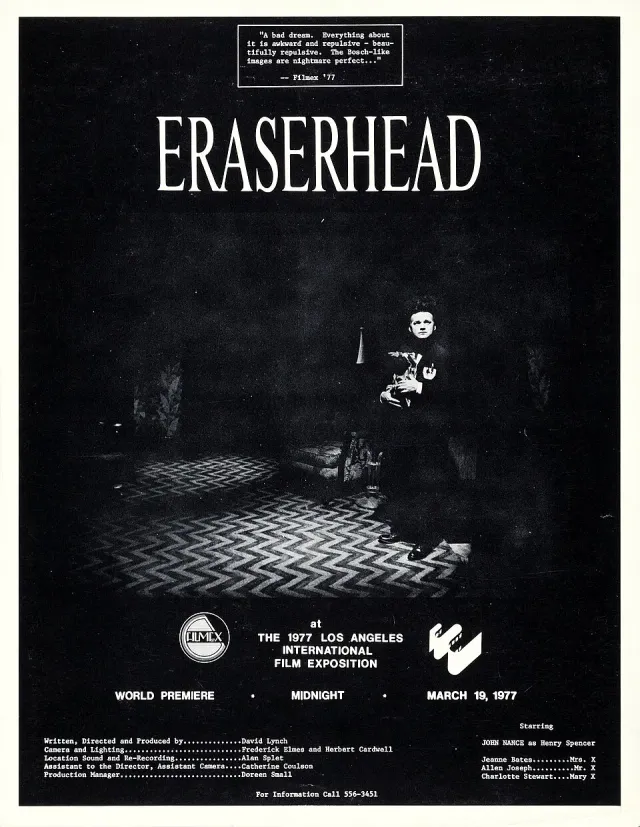
A young man's awkward encounter with his girlfriend's family leads to a household organized around an infant whose needs and bodily form he cannot comfortably understand. Sleeplessness, industrial surroundings and recurring visions make intimacy and reproduction feel inseparable from dread. Attempts to distinguish escape, desire and responsibility become less secure as the film changes the boundaries between perception and event, keeping the domestic situation distressingly immediate without supplying one stable explanatory key. The film makes domestic responsibility feel material and inescapable while refusing to stabilize the events as literal realism.
What drives the story
An imposed domestic responsibility produces a sequence of failed attempts at comfort or escape, while recurring images transform ordinary parenthood into an unstable bodily and psychological ordeal. Henry’s strained domestic arrangement becomes a sequence of attempted escapes whose logic shifts with his perception.
The people at its centre
Henry's dependence on Mary and their mutual exhaustion give way to isolation, while imagined or encountered women offer different promises of relief that cannot be treated as reliable solutions. Mary’s departure leaves Henry alone with the infant, but his isolation does not make his subjective account reliable.
What it feels like
Black-and-white industrial textures, invasive mechanical sound and grotesque imagery create a sustained sensory nightmare whose logic exceeds a literal account of the room. Industrial hum, distorted textures and slow black-and-white images sustain bodily dread long after dialogue stops.
Worth knowing
Match on domestic alienation and bodily dread expressed through subjective form, rather than diagnosing the protagonist or insisting that any single dream, symbol or supernatural explanation resolves the film. Reproduction and parenthood are central pressures, not a diagnostic key that explains every image or the ending.