An apparent amnesia investigation draws disparate Hollywood encounters together before ruptures in identity and perspective destabilise the original explanatory frame.
Why this matches +
These films share important themes, atmosphere or storytelling interests with this selection.
Genres: Fantasy / Crime
Shared film traits
Based on recorded story, mood and style. Your preferences can change the order.
Memory and identity
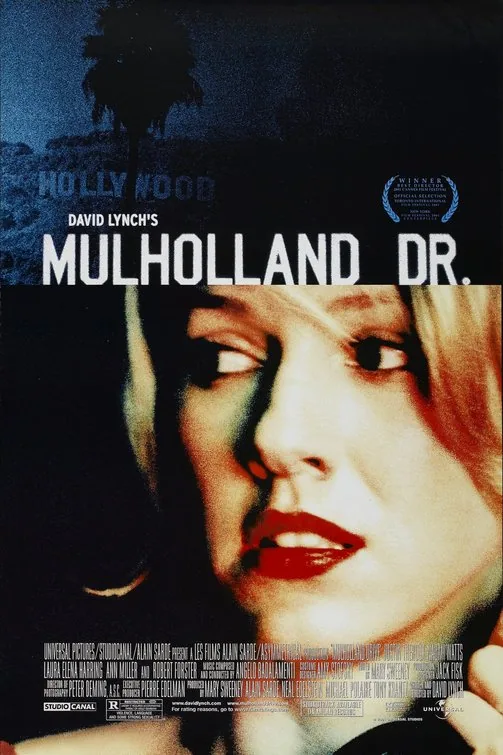
What changes Its own story: An apparent amnesia investigation draws disparate Hollywood encounters together before ruptures in identity and perspective destabilise the original explanatory frame.
An aspiring actress arriving in Los Angeles discovers a frightened woman who has lost her memory after a night-time car crash. Their attempt to establish an identity becomes entangled with a film director's unexplained pressures and other unsettling fragments of the city. As relationships, names and apparent realities shift, the investigation offers less a stable solution than a disturbing connection between desire, ambition, humiliation and the stories people construct about themselves.
A survivor's unexplained visions create a countdown through which ordinary adolescent conflicts acquire uncertain cosmic significance.
Why this matches +
These films share important themes, atmosphere or storytelling interests with this selection.
Genres: Science fiction / Fantasy
Shared film traits
Based on recorded story, mood and style. Your preferences can change the order.
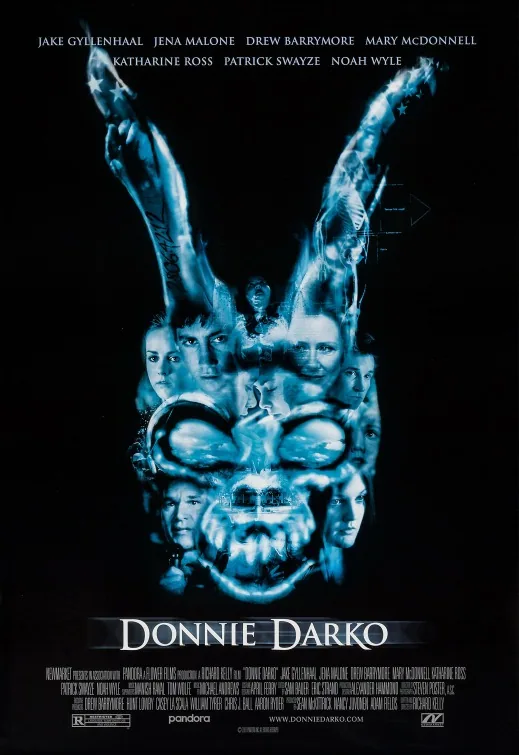
What changes Its own story: A survivor's unexplained visions create a countdown through which ordinary adolescent conflicts acquire uncertain cosmic significance.
A troubled teenager survives an inexplicable accident after following a disturbing figure outside his home. Warnings about time and catastrophe begin shaping his interpretation of school, family and events around the town, while a new relationship offers a less controlled kind of connection. His experiences resist a stable division between illness, fantasy and speculative causality, making personal actions feel both urgently consequential and difficult to explain.
A film censor whose sister disappeared becomes convinced that a horror movie contains a clue to the loss and follows the trail into its production.
Why this matches +
These films share important themes, atmosphere or storytelling interests with this selection.
Genres: Horror / Mystery
Shared film traits
Based on recorded story, mood and style. Your preferences can change the order.
Memory and identity
What changes Its own story: A film censor whose sister disappeared becomes convinced that a horror movie contains a clue to the loss and follows the trail into its production.
Enid Baines works as a film censor in 1980s Britain, reviewing violent video releases for an official board. She is already troubled by the unresolved disappearance of her younger sister years earlier. When a film she is assessing seems to echo details of that family loss, Enid becomes convinced that its actress may connect to her sister and sets out to investigate, blurring her professional judgment and private grief.
Simon's double gains the recognition and access he wants, pushing him to prove that he exists as a distinct person.
Why this matches +
These films share important themes, atmosphere or storytelling interests with this selection.
Genres: Comedy / Drama
Shared film traits
Based on recorded story, mood and style. Your preferences can change the order.
Memory and identity · Constructed reality
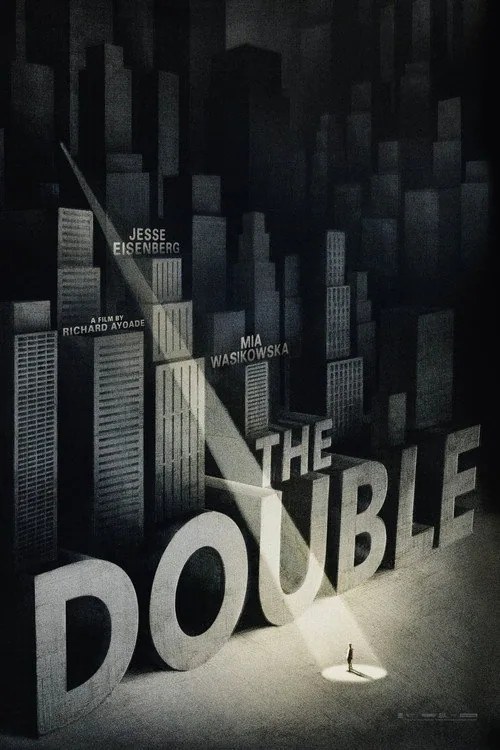
What changes Its own story: Simon's double gains the recognition and access he wants, pushing him to prove that he exists as a distinct person.
Quiet office worker Simon James has spent years being overlooked by his boss and colleagues. His routine is disrupted when James Simon, a confident new employee who looks exactly like him, arrives at work and quickly wins the attention Simon has long sought. The two men become entangled around Hannah, a co-worker Simon admires, while the double appropriates more of his professional and personal life. Richard Ayoade adapts Dostoevsky's novella as a bleakly comic, retro-futurist nightmare about invisibility and the fragility of identity.
Mima pursues acting as unwanted attention and a false online account make her public persona seem to act independently.
Why this matches +
These films share important themes, atmosphere or storytelling interests with this selection.
Genres: Animation / Thriller
Shared film traits
Based on recorded story, mood and style. Your preferences can change the order.
Memory and identity · Constructed reality
What changes Its own story: Mima pursues acting as unwanted attention and a false online account make her public persona seem to act independently.
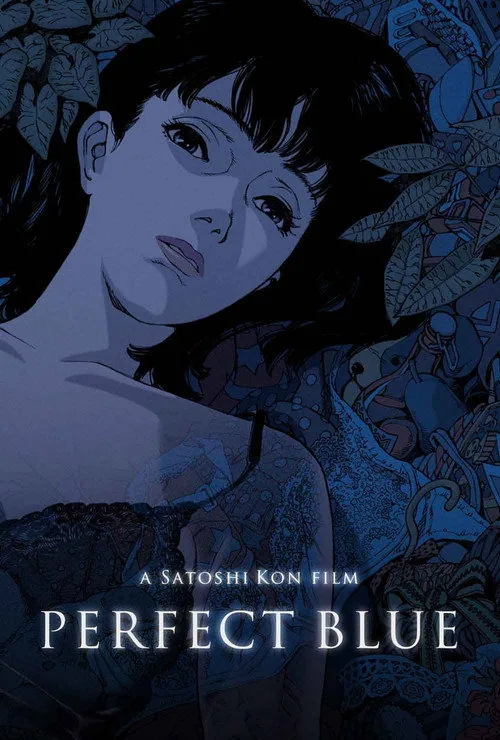
Mima Kirigoe leaves a successful pop group to pursue acting, hoping to be taken seriously in a new career. Her first roles challenge the clean public image that made her famous, while a fan site begins to describe her daily life as though written by her. Threats, stalking, and a series of murders unsettle Mima’s sense of what she has actually experienced. Satoshi Kon’s animated psychological thriller cuts between performance, media image, and private life until those boundaries become difficult to trust.
Caden’s effort to make his play truthful blurs the difference between directing life and living it.
Why this matches +
These films share important themes, atmosphere or storytelling interests with this selection.
Genres: Drama
Shared film traits
Based on recorded story, mood and style. Your preferences can change the order.
Memory and identity · Constructed reality
What changes Its own story: Caden’s effort to make his play truthful blurs the difference between directing life and living it.
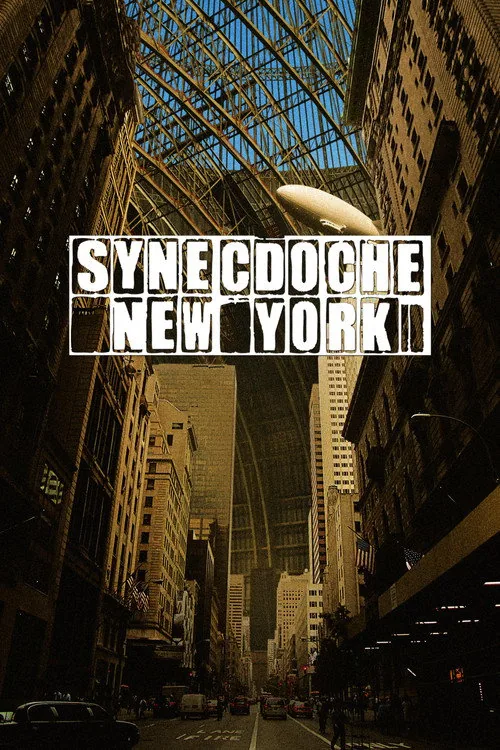
Theater director Caden Cotard receives a large arts grant and decides to create a radically realistic play based on his life. He builds a full-scale replica of New York inside a warehouse, hires actors to play people he knows, and eventually casts doubles who reenact the actors themselves. As Caden’s relationships falter and decades pass, the boundaries between his life and the production become increasingly difficult to locate. Charlie Kaufman’s drama uses an expanding theatrical project to explore mortality, artistic ambition, memory, and the impossibility of representing a whole life.
The videotapes turn private space into evidence before the film can define who made them. Fred’s arrest gives way to an identity rupture that creates another scenario but does not offer a settled escape from the first.
Why this matches +
These films explore a related idea in a different setting, genre or style.
An adjacent discovery: a related idea with a different viewing experience.
Genres: Thriller / Mystery
Shared film traits
Based on recorded story, mood and style. Your preferences can change the order.
Memory and identity · Constructed reality
What changes Its own story: The videotapes turn private space into evidence before the film can define who made them. Fred’s arrest gives way to an identity rupture that creates another scenario but does not offer a settled escape from the first.
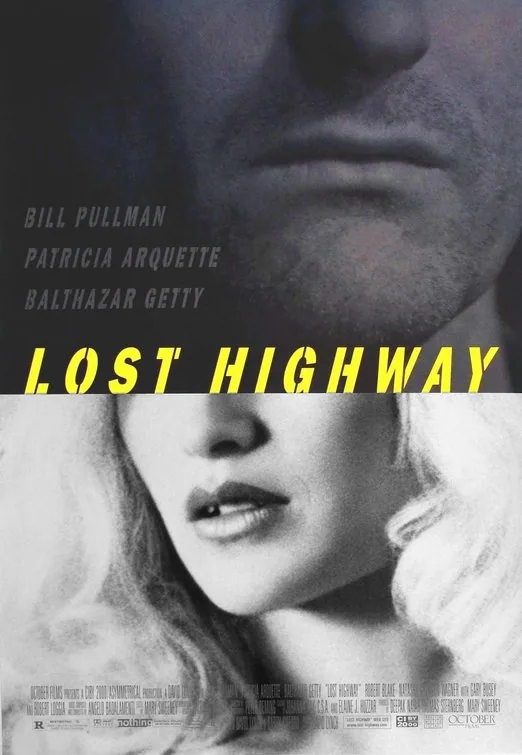
Jazz musician Fred Madison begins receiving videotapes that show the outside of his house and then its interior, turning domestic privacy into a threat. After his arrest for murder, the story fractures into an impossible identity change and a second life lived by Pete Dayton, whose affair with Alice repeats patterns of desire, surveillance and control. A mysterious man crosses the film’s worlds as if recording and directing them, but no stable explanation resolves how the two identities relate. David Lynch’s noir is built from circular return, abrupt shifts and oppressive sound rather than a puzzle with one confirmed diagnosis. Its dreamlike form can hold several readings, yet ambiguity should not dissolve the violence against women into abstract style or make the men’s self-deceptions morally weightless.
The film’s scenes circle a cursed production and Nikki’s role while refusing to clarify where performance ends and life begins.
Why this matches +
These films explore a related idea in a different setting, genre or style.
An adjacent discovery: a related idea with a different viewing experience.
Genres: Drama / Mystery
Shared film traits
Based on recorded story, mood and style. Your preferences can change the order.
Memory and identity
What changes Its own story: The film’s scenes circle a cursed production and Nikki’s role while refusing to clarify where performance ends and life begins.
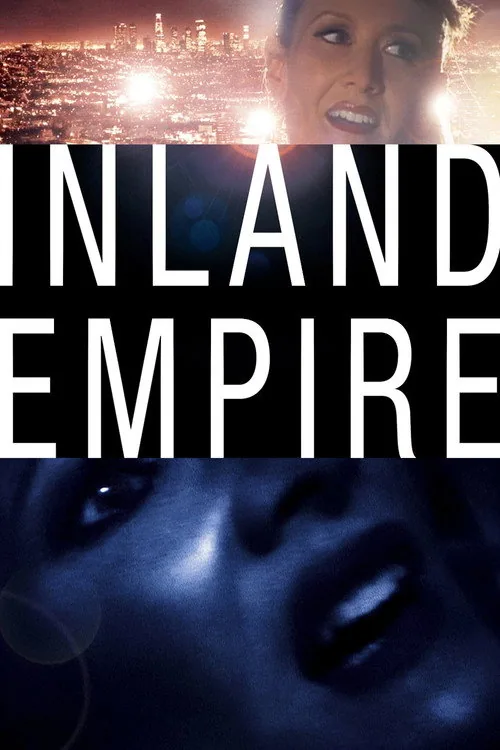
Actress Nikki Grace accepts a role in a film production that is said to be cursed, and the boundaries between her performance, private life, and the story she is acting out begin to dissolve. Scenes move through Hollywood rooms, shadowy corridors, and disjointed encounters without settling into one stable account of events. David Lynch’s experimental psychological film uses digital video, repetition, and dream logic to make identity and narrative feel unstable. Its three-hour form invites sensory immersion and interpretation rather than a single, easily summarized solution.
Michael’s unusual perception makes difference feel like an event rather than a stable property.
Why this matches +
These films explore a related idea in a different setting, genre or style.
An adjacent discovery: a related idea with a different viewing experience.
Genres: Animation / Drama
Shared film traits
Based on recorded story, mood and style. Your preferences can change the order.
Memory and identity · Constructed reality
What changes Its own story: Michael’s unusual perception makes difference feel like an event rather than a stable property.
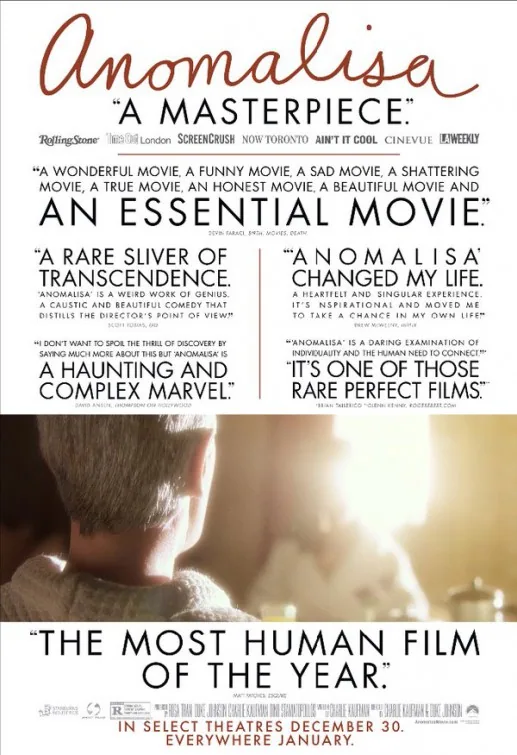
Michael Stone travels to Cincinnati for a speaking engagement while feeling that everyone he meets has the same face and voice. A chance encounter with Lisa, who seems distinct to him, briefly offers the possibility of intimacy and renewal, but his experience of other people remains unstable. Charlie Kaufman and Duke Johnson use stop-motion puppets and a deliberately ordinary hotel setting to explore alienation, idealization and the gap between how people appear and how they are experienced.
The hotel’s deadline pushes David to fake compatibility; his escape does not free him from systems that regulate desire.
Why this matches +
These films explore a related idea in a different setting, genre or style.
An adjacent discovery: a related idea with a different viewing experience.
Genres: Science fiction / Romance
Shared film traits
Based on recorded story, mood and style. Your preferences can change the order.
What changes Its own story: The hotel’s deadline pushes David to fake compatibility; his escape does not free him from systems that regulate desire.
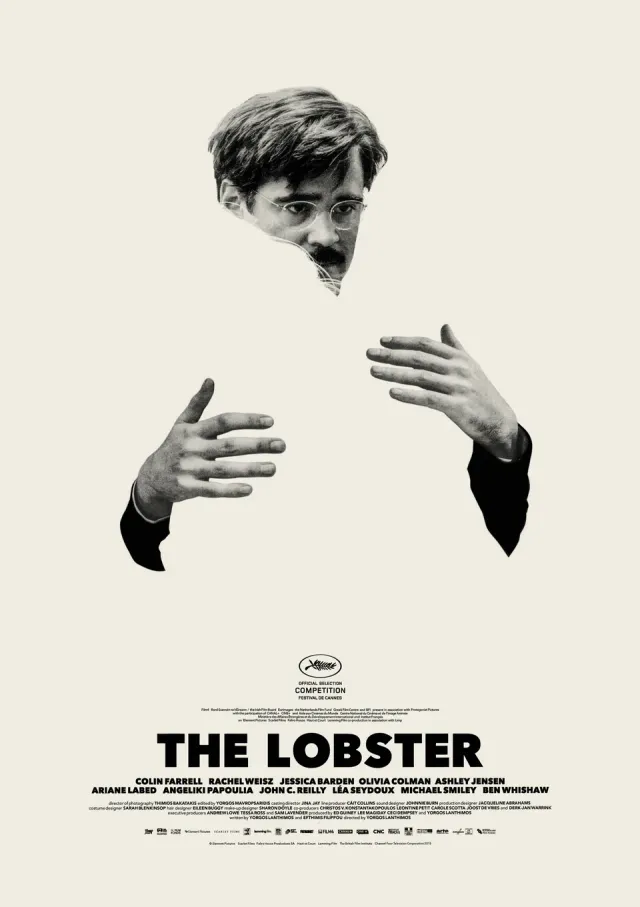
In a society where being single is treated as a problem to be corrected, newly separated David is sent to a hotel with a deadline: find a partner or be transformed into an animal. Guests try to match through shared quirks while staff stage rituals meant to reinforce the rules. David eventually escapes to a group of loners whose leader forbids romance, only to find that this rebellion has its own rigid code. Yorgos Lanthimos’s dark comedy uses the absurd premise to examine how social pressure can dictate intimacy from both sides.
Small disruptions in a controlled daily routine create a search for evidence that the people offering reassurance have reasons to conceal.
Why this matches +
These films explore a related idea in a different setting, genre or style.
An adjacent discovery: a related idea with a different viewing experience.
Genres: Drama / Comedy
Shared film traits
Based on recorded story, mood and style. Your preferences can change the order.
Constructed reality
What changes More comic and hopeful resistance to a constructed life replaces sustained existential dread and the fear of making a change.
An insurance salesman has unknowingly spent his entire life inside a television production, with actors playing his neighbors and loved ones. Small disruptions make him question his seemingly perfect town, while the producer controlling it tries to stop him discovering the outside world. Social satire and an unsettling search for freedom share a hopeful emotional core.
A deliberate erasure process becomes an internal attempt to preserve the relationship it was meant to remove.
Why this matches +
These films explore a related idea in a different setting, genre or style.
An adjacent discovery: a related idea with a different viewing experience.
Genres: Science fiction / Romance
Shared film traits
Based on recorded story, mood and style. Your preferences can change the order.
Memory and identity
What changes Its own story: A deliberate erasure process becomes an internal attempt to preserve the relationship it was meant to remove.
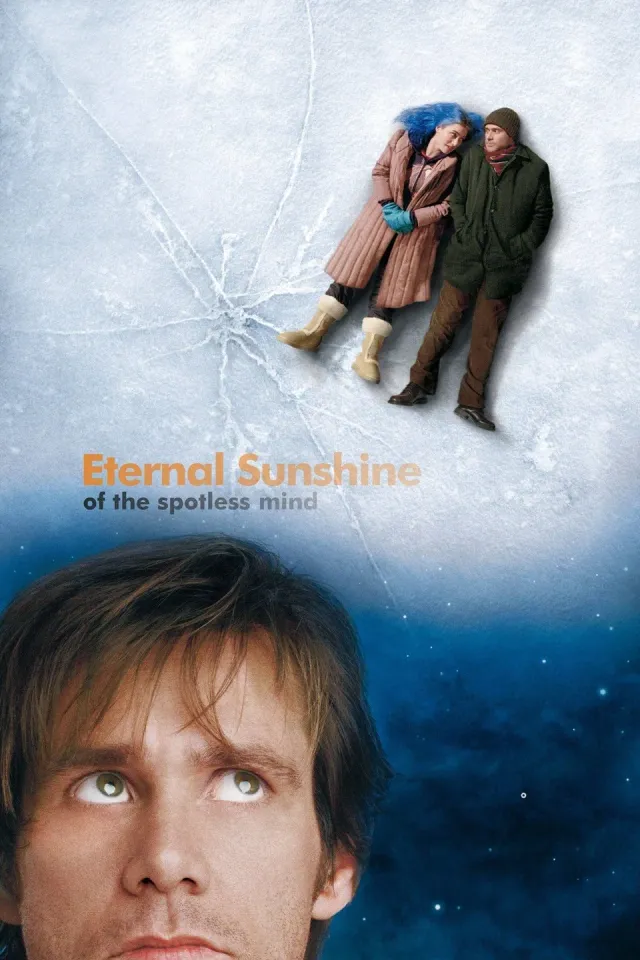
A withdrawn man discovers that his former partner has undergone a procedure erasing their relationship and elects to do the same. While the treatment moves through his memories, moments he wanted to escape become experiences he tries to protect. Their intimacy is revisited in unstable order, exposing both the pain of incompatibility and the attachments that cannot be reduced to a clean decision to forget.
Trelkovsky tries to adapt to a new apartment while investigating its previous tenant and interpreting neighbor complaints as part of a larger plot.
Why this matches +
These films explore a related idea in a different setting, genre or style.
An adjacent discovery: a related idea with a different viewing experience.
Genres: Drama / Horror
Shared film traits
Based on recorded story, mood and style. Your preferences can change the order.
Memory and identity · Constructed reality
What changes Its own story: Trelkovsky tries to adapt to a new apartment while investigating its previous tenant and interpreting neighbor complaints as part of a larger plot.
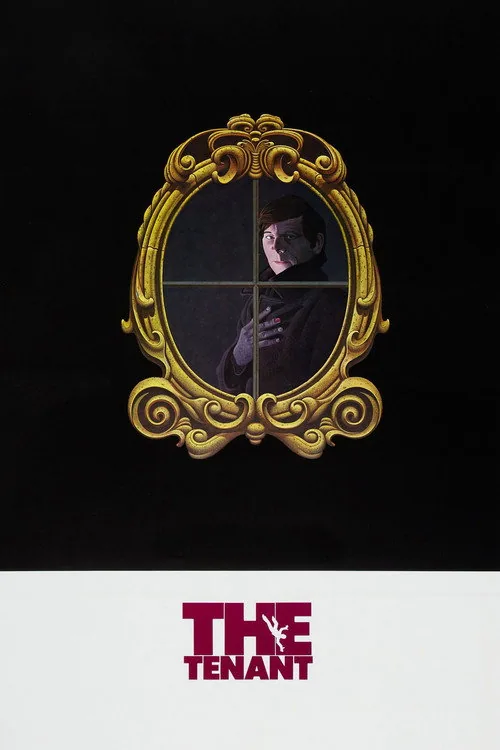
Trelkovsky rents a Paris apartment after its previous tenant attempts suicide by jumping from a window. He becomes involved with the woman's friend and tries to satisfy an increasingly demanding landlord and building residents, but their rules make ordinary behavior feel threatening. As he investigates the absent tenant and notices the neighbors' scrutiny, he grows convinced that they intend to erase his identity and make him repeat her fate. The psychological horror turns apartment life into a maze of social pressure, suspicion, and unstable self-perception.
The woman’s repeated encounters gradually disrupt the purpose behind her routine.
Why this matches +
These films explore a related idea in a different setting, genre or style.
An adjacent discovery: a related idea with a different viewing experience.
Genres: Science Fiction / Drama
Shared film traits
Based on recorded story, mood and style. Your preferences can change the order.
Memory and identity
What changes Its own story: The woman’s repeated encounters gradually disrupt the purpose behind her routine.
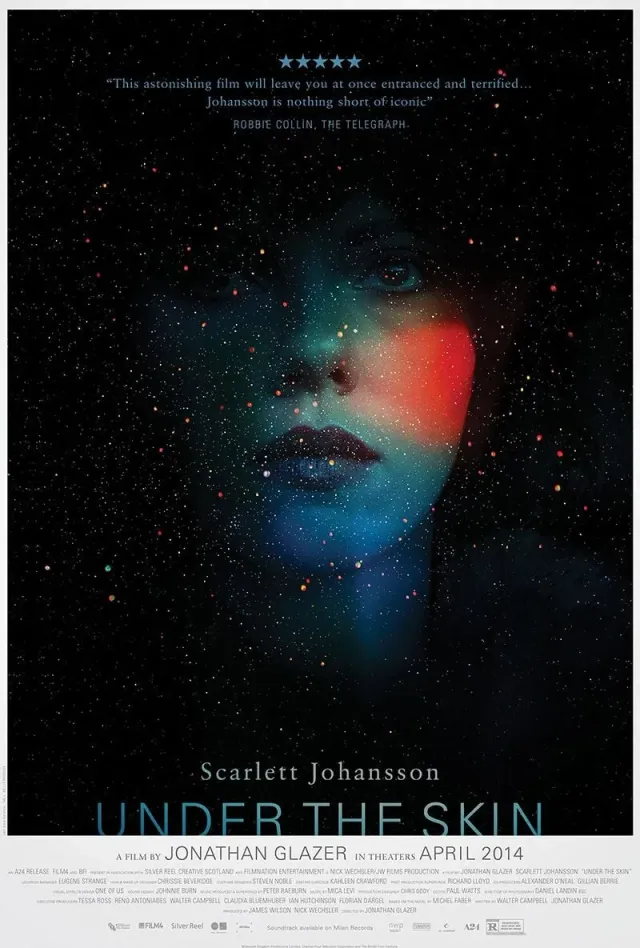
An enigmatic woman drives through Scotland and approaches men who are isolated or receptive to her attention. Her encounters point toward an inhuman purpose, but the woman’s routine begins to change as she experiences vulnerability and human contact. Jonathan Glazer tells the science-fiction story through sparse dialogue, observational images and an unsettling soundscape, making perception and bodily identity more central than explanation. The result is an atmospheric, adult film that leaves many motives deliberately unresolved.
The building’s mirrored forms make Beth’s search for an explanation a physical experience.
Why this matches +
These films explore a related idea in a different setting, genre or style.
An adjacent discovery: a related idea with a different viewing experience.
Genres: Horror / Thriller
Shared film traits
Based on recorded story, mood and style. Your preferences can change the order.
Memory and identity
What changes Its own story: The building’s mirrored forms make Beth’s search for an explanation a physical experience.
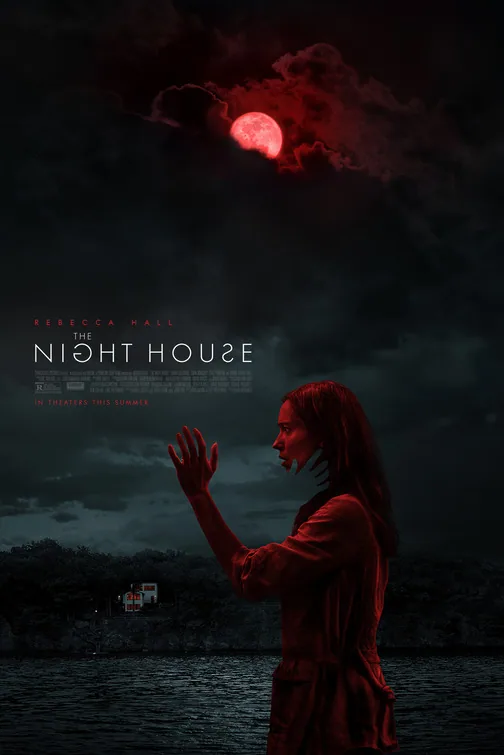
After her husband dies by suicide, Beth begins experiencing disturbances in the lake house they built together. Unusual sounds, inverted spaces and hidden designs lead her to investigate what her husband may have concealed. The supernatural thriller makes grief and architecture interact, as Beth struggles to separate haunting from memory and to understand the unsettling pattern around her marriage.
Atsuko and her colleagues search for whoever is using the DC Mini to invade and alter dreams.
Why this matches +
These films explore a related idea in a different setting, genre or style.
An adjacent discovery: a related idea with a different viewing experience.
Genres: Animation / Science fiction
Shared film traits
Based on recorded story, mood and style. Your preferences can change the order.
Memory and identity
What changes Its own story: Atsuko and her colleagues search for whoever is using the DC Mini to invade and alter dreams.
Psychiatrist Atsuko Chiba secretly uses the DC Mini, a device that lets her enter patients’ dreams as the detective Paprika. When prototypes are stolen and dream imagery begins spilling into the waking world, she and her colleagues trace the damage through a series of strange psychological cases. Satoshi Kon’s animated thriller treats dreams as both a clinical tool and a vulnerable shared space, cutting between identities and realities with fluid visual transformations. A detective’s recurring dream connects the technological investigation to a buried personal memory.
A coveted dual role turns perfectionism into a demand to become incompatible versions of oneself under escalating scrutiny.
Why this matches +
These films explore a related idea in a different setting, genre or style.
An adjacent discovery: a related idea with a different viewing experience.
Genres: Drama / Thriller
Shared film traits
Based on recorded story, mood and style. Your preferences can change the order.
What changes Its own story: A coveted dual role turns perfectionism into a demand to become incompatible versions of oneself under escalating scrutiny.
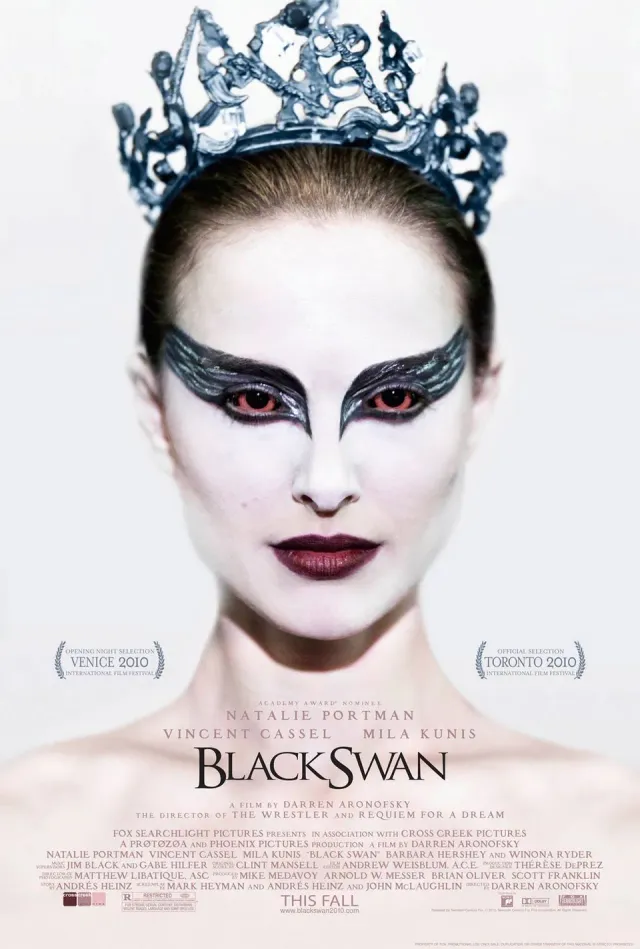
A tightly controlled ballet dancer is chosen to perform a lead role demanding both precision and a sensual spontaneity she struggles to express. Pressure from a manipulative director, a possessive mother and an apparently freer rival intensifies her fear of being replaced. As rehearsal consumes her private life, bodily disturbance and unreliable perception blur the line between artistic transformation and a dangerous collapse of self.
Trevor’s attempts to verify Ivan’s presence and understand the accident lead him toward a memory he has kept out of view.
Why this matches +
These films explore a related idea in a different setting, genre or style.
An adjacent discovery: a related idea with a different viewing experience.
Genres: Drama / Thriller
Shared film traits
Based on recorded story, mood and style. Your preferences can change the order.
What changes Its own story: Trevor’s attempts to verify Ivan’s presence and understand the accident lead him toward a memory he has kept out of view.
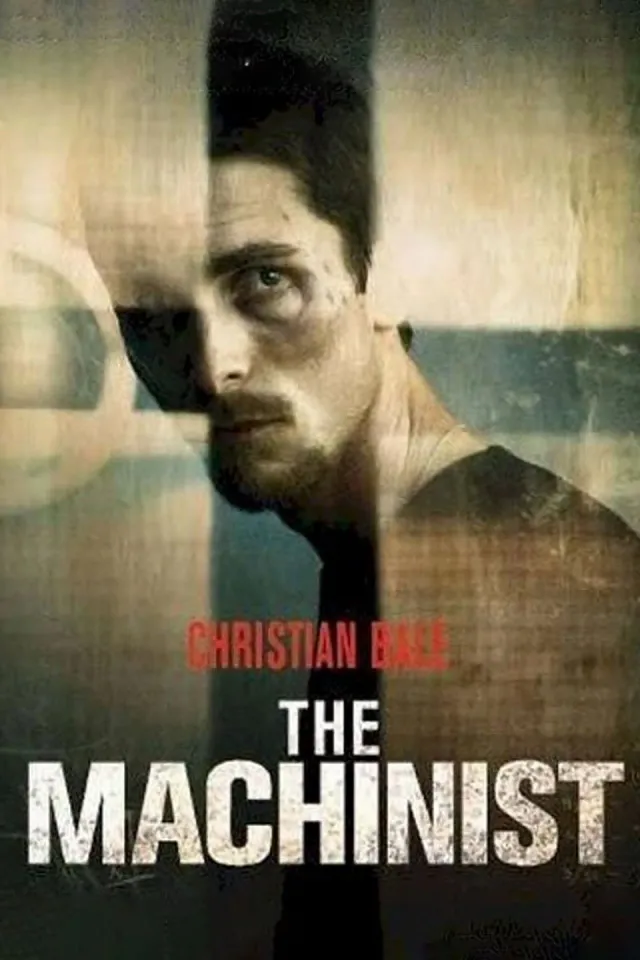
Factory machinist Trevor Reznik has not slept for a year and is growing dangerously thin. An accident at work leaves a colleague injured, but Trevor’s coworkers dispute his account of the events. He begins noticing a mysterious stranger named Ivan and finds cryptic messages that seem to implicate him in a hidden incident. As insomnia fractures his grasp on ordinary life, Trevor tries to reconstruct what happened and why people around him appear to be withholding information. Brad Anderson’s psychological thriller uses a shrinking, unreliable perspective to make guilt and exhaustion part of the mystery.
Alice investigates how a lookalike has taken over her online identity and why the platform keeps the impostor active.
Why this matches +
These films explore a related idea in a different setting, genre or style.
An adjacent discovery: a related idea with a different viewing experience.
Genres: Drama / Horror
Shared film traits
Based on recorded story, mood and style. Your preferences can change the order.
Memory and identity · Constructed reality
What changes Its own story: Alice investigates how a lookalike has taken over her online identity and why the platform keeps the impostor active.
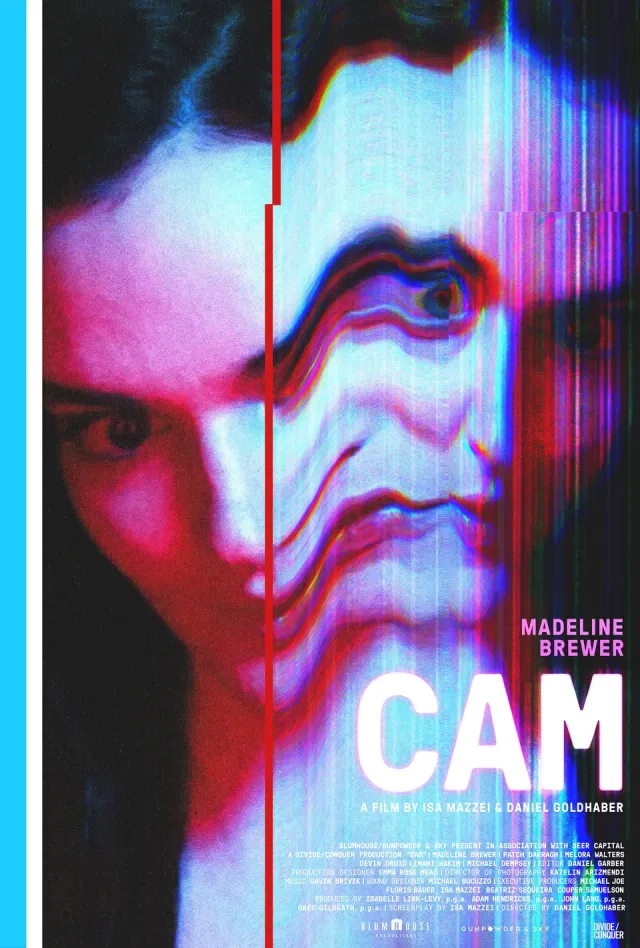
Alice Ackerman performs online as Lola_Lola, aiming to climb a live-streaming platform’s rankings while keeping the work private from her family. When she loses access to her account, she discovers an almost identical double continues broadcasting under her name and reproducing her behavior. Alice tries to find who controls the lookalike and regain ownership of her identity, but the platform’s audience and rules keep rewarding the copy.
Max investigates a pirate signal and becomes entangled in the technology and ideology behind it.
Why this matches +
These films explore a related idea in a different setting, genre or style.
An adjacent discovery: a related idea with a different viewing experience.
Genres: Science fiction / Horror
Shared film traits
Based on recorded story, mood and style. Your preferences can change the order.
Constructed reality
What changes Its own story: Max investigates a pirate signal and becomes entangled in the technology and ideology behind it.
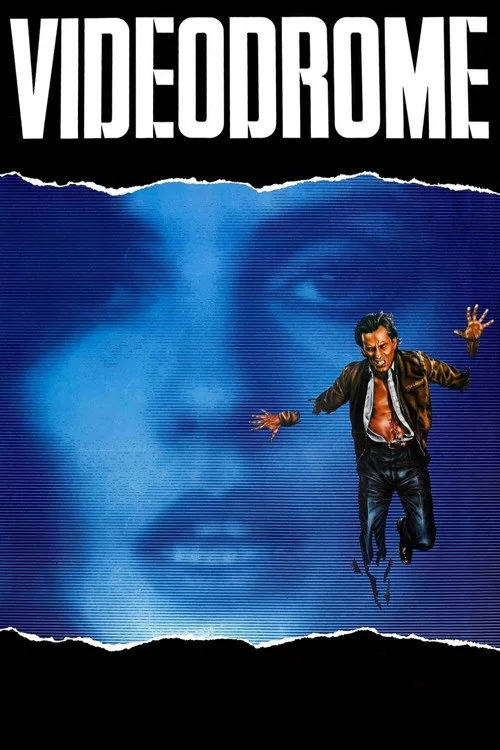
Max Renn, the head of a Toronto television station seeking more provocative programming, discovers a broadcast of apparent torture called Videodrome. The signal begins to affect his perception and body, while media theorist Nicki Brand and obscure operator Brian O’Blivion draw him toward an experiment involving hallucination and control. David Cronenberg’s science-fiction horror film turns television into a force that can alter both minds and flesh, leaving Max unsure which experiences are transmissions, conspiracies, or physical reality.
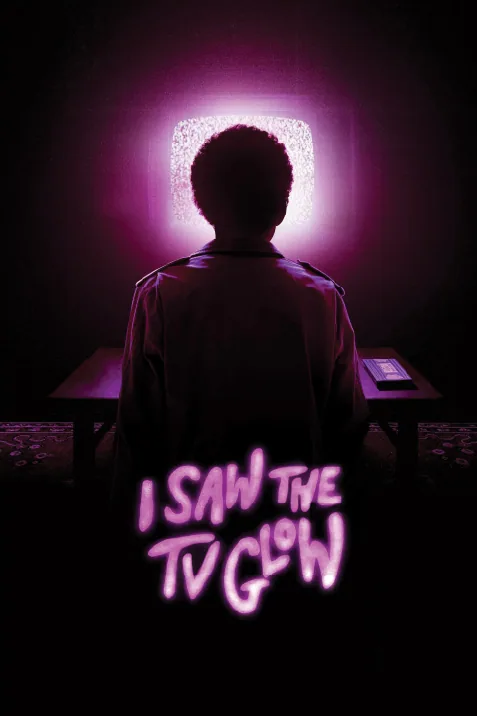
Two isolated classmates, Owen and Maddy, bond over a late-night television series that seems to offer a world more meaningful than their suburban routines. Maddy disappears after insisting that the show reveals something true about their identities; years later, she returns with a frightening explanation that Owen cannot bring himself to accept. Their unequal readiness to act turns time, memory and ordinary adulthood into sources of horror. The film’s trans allegory is closely tied to repression and recognition, while its unstable reality resists a tidy supernatural solution. Its ending is disturbing because Owen’s continued deferral has visible costs, not because it offers instructions for a viewer’s safety or identity.
What drives the story
A shared television obsession becomes a challenge to Owen’s assumed identity, and his refusal to risk rupture lets routine harden into accumulating dread. Maddy’s return makes explicit the recognition Owen has been trying not to act on.
The people at its centre
Maddy presses for recognition and action, while Owen’s attachment is real but constrained by fear; their separation grows from unequal willingness to face what the show means. Their bond remains asymmetrical because urgency does not translate into shared readiness.
What it feels like
Analog television textures, saturated nocturnal images, temporal skips and estranged performances create slow existential horror rather than a solvable mystery. Temporal gaps and television fragments make ordinary adulthood feel like the film’s accumulating threat.
Worth knowing
Compare with trans allegories about repression, media and costly delay, while preserving the film’s ambiguity and avoiding a literal clinical diagnosis or romanticization of self-harm. The allegory is powerful without requiring one literal explanation of every supernatural event.
IdentityRepressionLost time
Mood
Uncanny · Melancholy · Disturbing
Pacing
Slow burn · Episodic
Visual style
Analog screen textures · Saturated night imagery · Temporal gaps