Based on recorded story, mood and style. Your preferences can change the order.
Investigation
What changes Censor: enid reviews violent films, an image recalls her missing sister, she pursues the apparent lead into the production world and and her interpretation of reality becomes less reliable. Ouija: Origin of Evil: gradual haunting builds toward possession and pursuit.
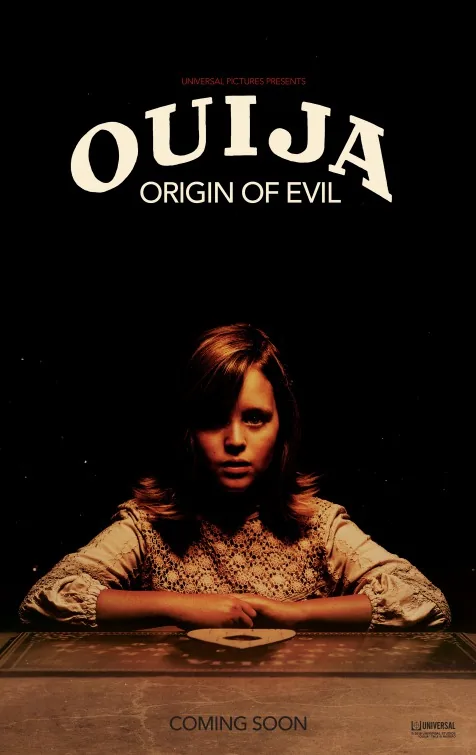
A widowed mother runs a séance business with her daughters, using tricks to comfort clients until a new board invites a presence into their home. The family’s younger child becomes the focus of increasingly disturbing events, and the older sister must understand what their performance has awakened. Set in the 1960s, the prequel blends family grief with supernatural horror and period domestic detail.
Based on recorded story, mood and style. Your preferences can change the order.
Investigation · Memory and identity
What changes Censor: enid reviews violent films, an image recalls her missing sister, she pursues the apparent lead into the production world and and her interpretation of reality becomes less reliable. Dressed to Kill: slow suspense build, set-piece murder sequence and revelation-driven finale.
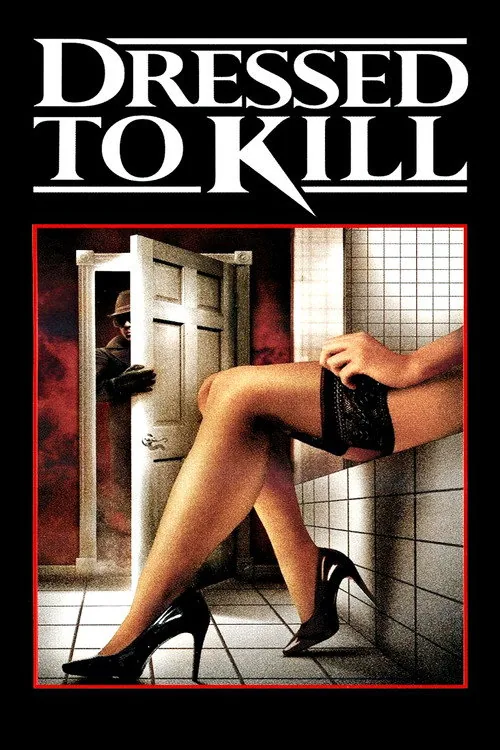
New York housewife Kate Miller leaves a therapy appointment and is murdered in an elevator by a blonde woman. Her son Peter and a sex worker named Liz become entangled in the search for the killer, while police psychiatrist Dr. Robert Elliott is drawn into questions about the crime. Brian De Palma uses shifting viewpoints, elaborate camera movement, and Hitchcockian suspense to turn identity and observation into part of the mystery. The thriller's stylized violence and sexual politics reflect its period and remain central to its reception.
Based on recorded story, mood and style. Your preferences can change the order.
Investigation
What changes Censor: enid reviews violent films, an image recalls her missing sister, she pursues the apparent lead into the production world and and her interpretation of reality becomes less reliable. House at the End of the Street: gradual reveal with bursts of pursuit.
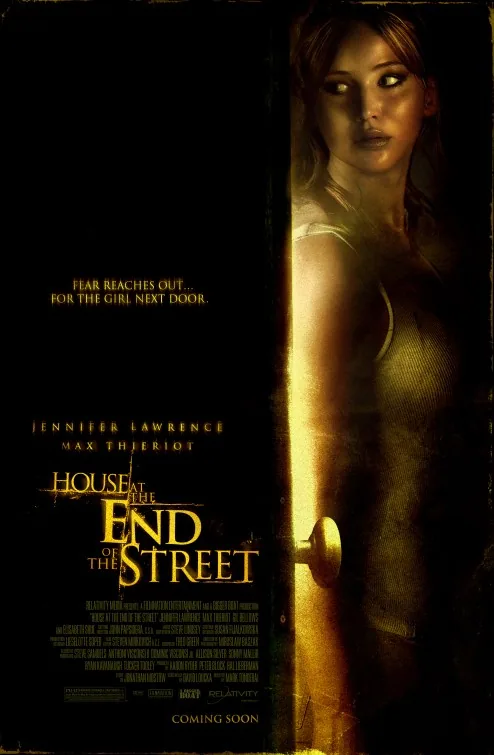
After moving with her mother to a small town, Elissa becomes close to Ryan, the young survivor of a family tragedy in a nearby house. His neighbors’ stories and the house’s history make the new relationship increasingly uneasy, as the film shifts from adolescent independence toward concealed violence and unreliable appearances. The suspense relies on the claustrophobia of a supposedly quiet community.
Based on recorded story, mood and style. Your preferences can change the order.
Investigation · Memory and identity
What changes Censor: enid reviews violent films, an image recalls her missing sister, she pursues the apparent lead into the production world and and her interpretation of reality becomes less reliable. A Tale of Two Sisters: slow-building dread, domestic conflict and late psychological revelations.
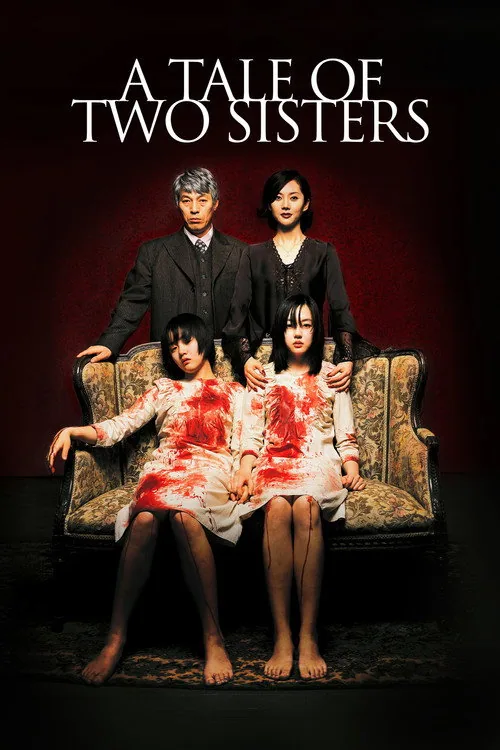
After leaving a mental health facility, teenager Su-mi returns to her family’s secluded country home with her younger sister Su-yeon. Their father’s new wife, Eun-joo, creates an atmosphere of conflict, while strange events and unsettling memories complicate the sisters’ return. Kim Jee-woon’s South Korean psychological horror draws on a traditional folktale but uses domestic spaces, family tension, and carefully shifting perspective to build its mystery. The story contains traumatic family conflict and is best approached without plot spoilers.
Based on recorded story, mood and style. Your preferences can change the order.
Investigation · Memory and identity
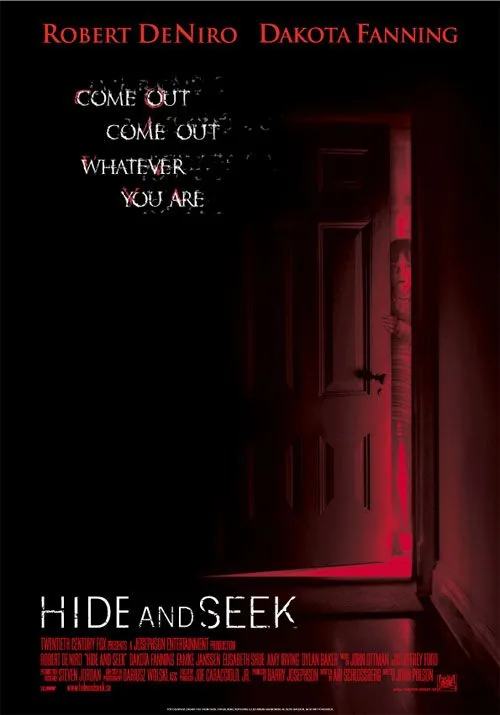
What changes Censor: enid reviews violent films, an image recalls her missing sister, she pursues the apparent lead into the production world and and her interpretation of reality becomes less reliable. Hide and Seek: slow burn and escalating.
After the death of his wife, a psychologist moves with his young daughter to a quieter home, hoping that a change of setting will help them recover. The girl begins speaking about an imaginary companion, and increasingly troubling events lead her father to question what is real. The psychological thriller builds tension through grief, secrecy and the limits of his professional confidence.
Based on recorded story, mood and style. Your preferences can change the order.
Investigation
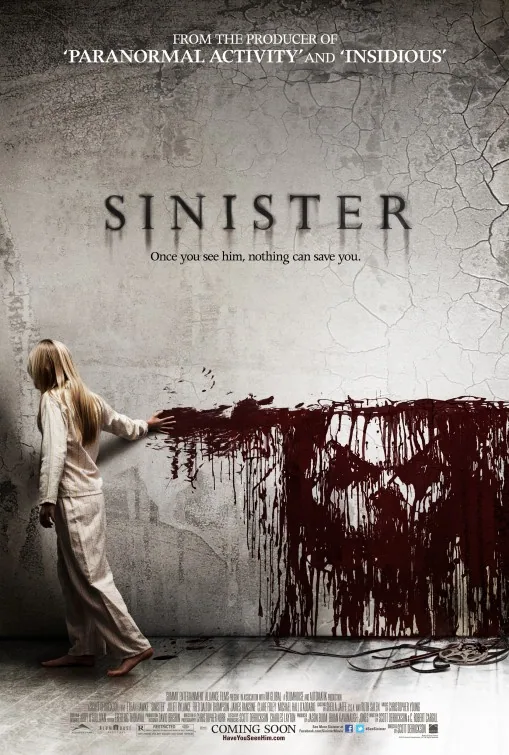
What changes Censor: enid reviews violent films, an image recalls her missing sister, she pursues the apparent lead into the production world and and her interpretation of reality becomes less reliable. Sinister: slow-building and investigation-led.
A true-crime writer moves his family into a house connected to an unsolved murder, concealing the reason from his wife. The discovery of disturbing home movies offers material that might revive his career, but his investigation begins to suggest a pattern reaching beyond ordinary crime. Professional ambition keeps him close to evidence that threatens the household, making the urge to watch and interpret part of the danger itself.
Based on recorded story, mood and style. Your preferences can change the order.
Investigation · Memory and identity
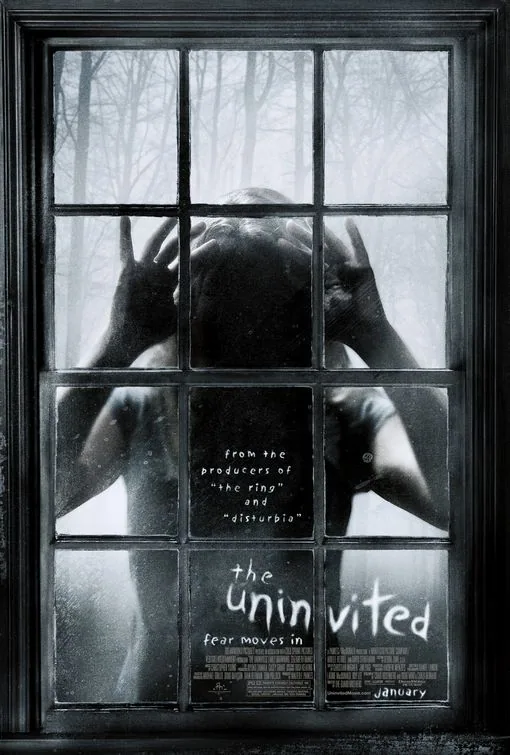
What changes Censor: enid reviews violent films, an image recalls her missing sister, she pursues the apparent lead into the production world and and her interpretation of reality becomes less reliable. The Uninvited: slow-building and revelation-led.
After leaving a psychiatric facility, a teenager returns home to live with her father and his new partner, while troubling events and memories complicate her sense of safety. Her sister supports her suspicions, but the household’s version of the past does not match what the girls remember. The horror remake uses family grief and uncertain recollection to build a mystery in which the apparent supernatural threat may be tied to a more intimate betrayal.
Based on recorded story, mood and style. Your preferences can change the order.
Memory and identity
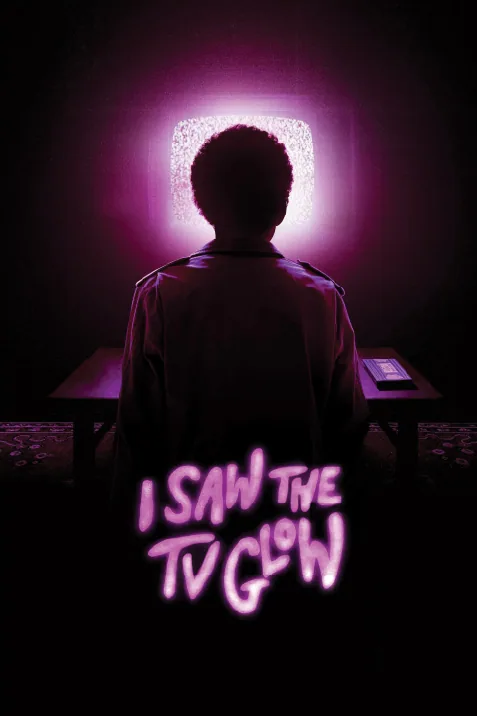
What changes Censor: enid reviews violent films, an image recalls her missing sister, she pursues the apparent lead into the production world and and her interpretation of reality becomes less reliable. I Saw the TV Glow: slow burn and episodic.
Two isolated classmates, Owen and Maddy, bond over a late-night television series that seems to offer a world more meaningful than their suburban routines. Maddy disappears after insisting that the show reveals something true about their identities; years later, she returns with a frightening explanation that Owen cannot bring himself to accept. Their unequal readiness to act turns time, memory and ordinary adulthood into sources of horror. The film’s trans allegory is closely tied to repression and recognition, while its unstable reality resists a tidy supernatural solution. Its ending is disturbing because Owen’s continued deferral has visible costs, not because it offers instructions for a viewer’s safety or identity.
Based on recorded story, mood and style. Your preferences can change the order.
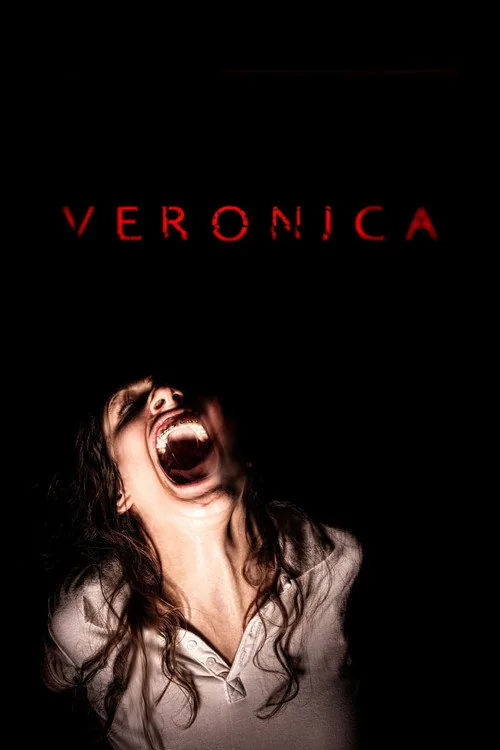
What changes Censor: enid reviews violent films, an image recalls her missing sister, she pursues the apparent lead into the production world and and her interpretation of reality becomes less reliable. Veronica: séance inciting event, gradual domestic disturbances and family-centered climax.
In 1991 Madrid, fifteen-year-old Verónica takes responsibility for her younger siblings while her mother works long hours after the family's loss. During a solar eclipse, she and two friends conduct a séance at school, hoping to contact loved ones who have died. Strange events begin in the apartment, and Verónica must protect the children as the presence becomes more threatening. Inspired by a reported Vallecas case, the Spanish horror film combines family responsibility, grief, and a haunting that grows inside ordinary domestic routines.
Enid Baines works as a film censor in 1980s Britain, reviewing violent video releases for an official board. She is already troubled by the unresolved disappearance of her younger sister years earlier. When a film she is assessing seems to echo details of that family loss, Enid becomes convinced that its actress may connect to her sister and sets out to investigate, blurring her professional judgment and private grief.
What drives the story
A film censor whose sister disappeared becomes convinced that a horror movie contains a clue to the loss and follows the trail into its production.
The people at its centre
Enid’s professional duty to judge images collides with a personal need to resolve her sister’s disappearance.
What it feels like
The film uses British video-nasty culture as both a period setting and a lens on how violent images are classified and interpreted.
Worth knowing
Enid’s search is filtered through an increasingly unstable relationship between recorded images, memory, and evidence.
Enid reviews violent films · an image recalls her missing sister · she pursues the apparent lead into the production world · and her interpretation of reality becomes less reliable
Visual style
period video-shop and screening-room texture · muted office spaces · saturated genre-film inserts · shifting aspect and image treatments