Explore films connected to Dressed to Kill through sexuality and danger, identity and perception, voyeurism and violence. Choose the qualities you want to carry into your next watch.
What should feel similar?
Find your next favourite
9 films · Closest overall matches
Hide films you’ve seen or don’t want. Saved on this device.
No matches for this combination yet.
Try another option or reset your choices to see more films.
Based on recorded story, mood and style. Your preferences can change the order.
Investigation · Memory and identity
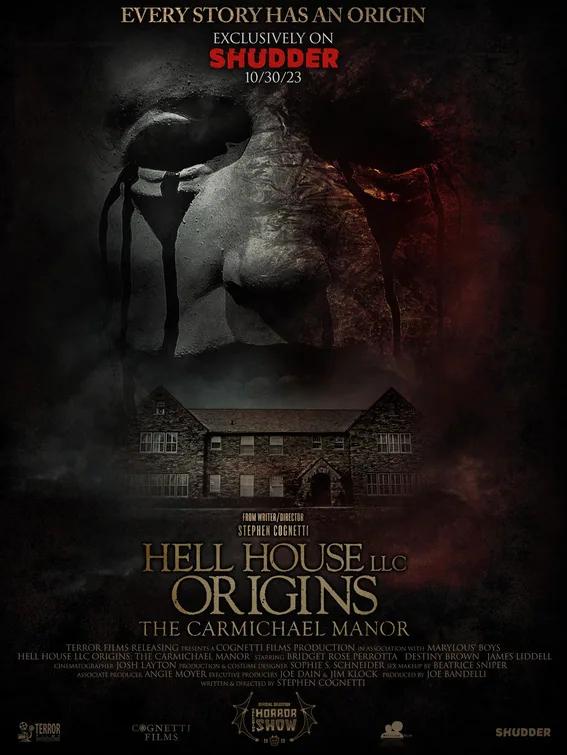
What changes Dressed to Kill: slow suspense build, set-piece murder sequence and revelation-driven finale. Hell House LLC Origins: The Carmichael Manor: investigation-led, slow-building, night-vision tension and escalating.
Paranormal investigator Margot, her girlfriend Rebecca and her brother Chase travel to Carmichael Manor to investigate the unsolved murders of a family in Rockland County. Their research leads from the house’s locked rooms to artifacts connected with the Abaddon Hotel and the earlier Hell House case. Stephen Cognetti’s found-footage prequel expands the franchise mythology through camera recordings, local history and the investigators’ increasingly uneasy relationships.
Based on recorded story, mood and style. Your preferences can change the order.
Investigation · Memory and identity
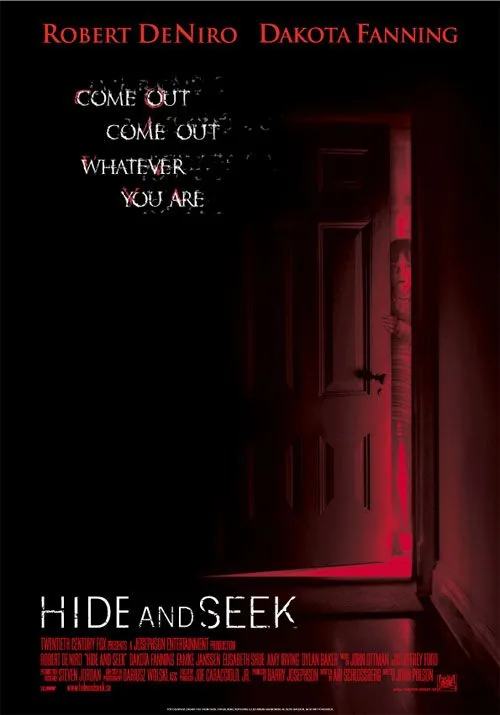
What changes Dressed to Kill: slow suspense build, set-piece murder sequence and revelation-driven finale. Hide and Seek: slow burn and escalating.
After the death of his wife, a psychologist moves with his young daughter to a quieter home, hoping that a change of setting will help them recover. The girl begins speaking about an imaginary companion, and increasingly troubling events lead her father to question what is real. The psychological thriller builds tension through grief, secrecy and the limits of his professional confidence.
Based on recorded story, mood and style. Your preferences can change the order.
Investigation
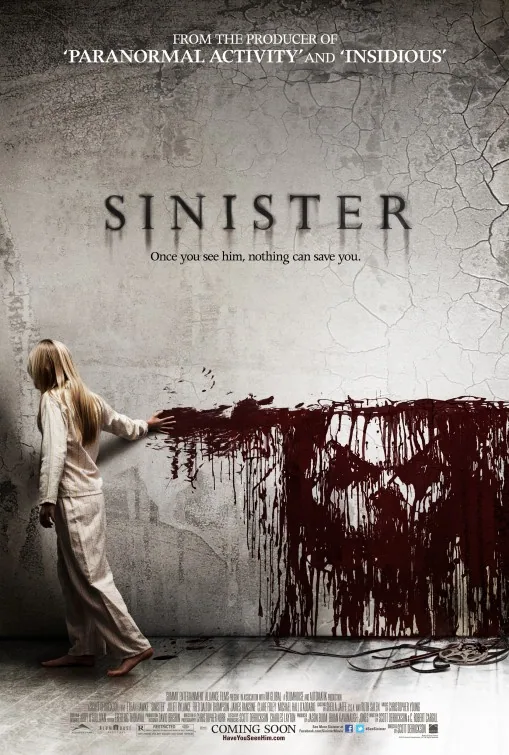
What changes Dressed to Kill: slow suspense build, set-piece murder sequence and revelation-driven finale. Sinister: slow-building and investigation-led.
A true-crime writer moves his family into a house connected to an unsolved murder, concealing the reason from his wife. The discovery of disturbing home movies offers material that might revive his career, but his investigation begins to suggest a pattern reaching beyond ordinary crime. Professional ambition keeps him close to evidence that threatens the household, making the urge to watch and interpret part of the danger itself.
Based on recorded story, mood and style. Your preferences can change the order.
Investigation
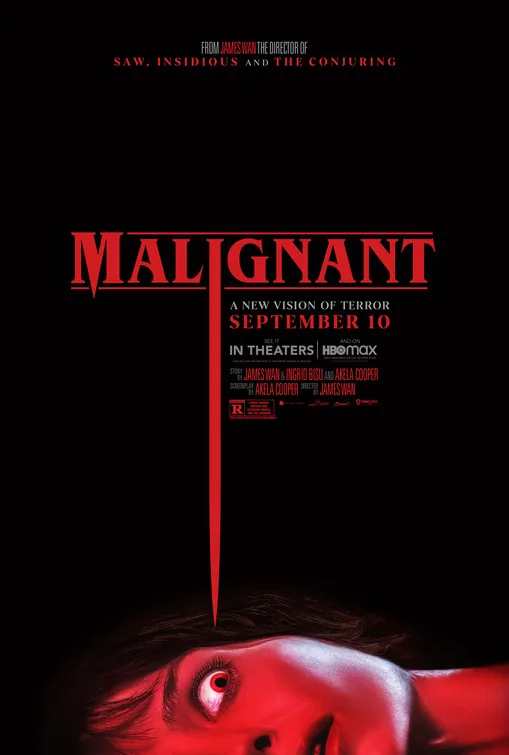
What changes Dressed to Kill: slow suspense build, set-piece murder sequence and revelation-driven finale. Malignant: a procedural investigation breaks into escalating supernatural spectacle.
Madison is tormented by visions of murders she appears to witness as they happen, while investigators connect the killings to an unknown figure from her past. As the violence escalates, her memories and sense of self become increasingly uncertain. James Wan’s horror film begins as a police mystery and shifts into a highly stylized confrontation with a hidden history, using body horror and identity questions to unsettle genre expectations.
Based on recorded story, mood and style. Your preferences can change the order.
Investigation · Memory and identity
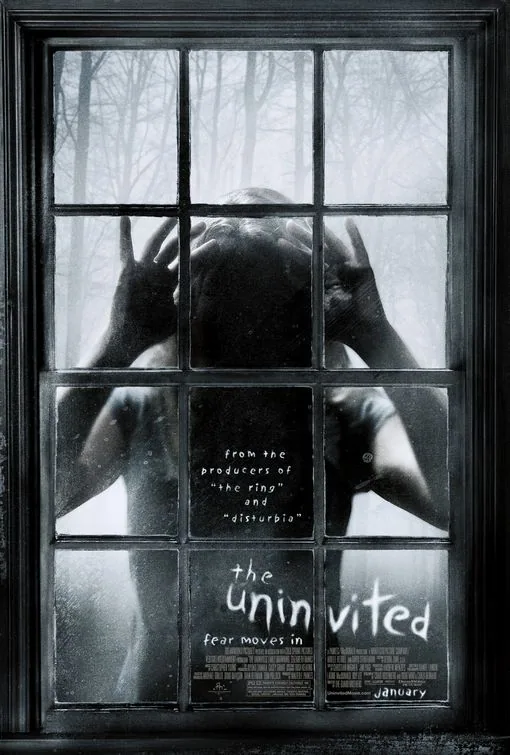
What changes Dressed to Kill: slow suspense build, set-piece murder sequence and revelation-driven finale. The Uninvited: slow-building and revelation-led.
After leaving a psychiatric facility, a teenager returns home to live with her father and his new partner, while troubling events and memories complicate her sense of safety. Her sister supports her suspicions, but the household’s version of the past does not match what the girls remember. The horror remake uses family grief and uncertain recollection to build a mystery in which the apparent supernatural threat may be tied to a more intimate betrayal.
Based on recorded story, mood and style. Your preferences can change the order.
Investigation
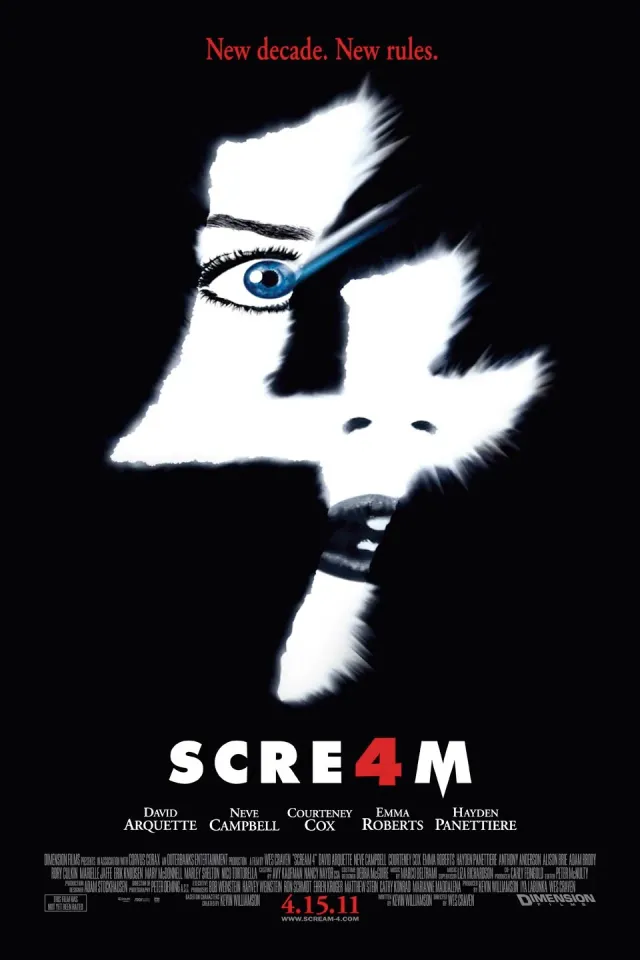
What changes Dressed to Kill: slow suspense build, set-piece murder sequence and revelation-driven finale. Scream 4: escalating, whodunit and reversal-driven.
Sidney Prescott returns to Woodsboro on the anniversary of the original murders to promote a self-help book, only to find new attacks that imitate the first killings. Her cousin Jill and Jill’s friends are pulled into the investigation as Dewey, now sheriff, tries to control the case and Gale investigates against his wishes. The movie repeatedly turns the murders into a performance for cameras and online attention, while the police and town struggle to tell imitation from evidence. The final revelation makes the desire for recognition itself part of the killer’s motive.
Based on recorded story, mood and style. Your preferences can change the order.
Investigation · Memory and identity
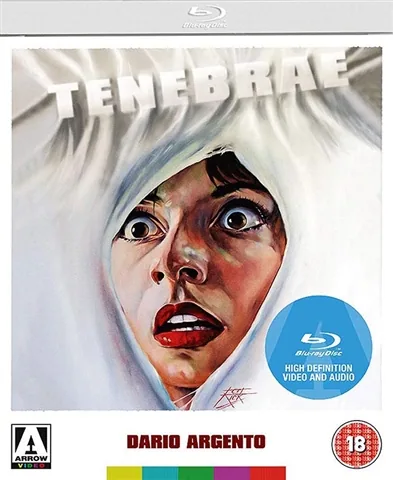
What changes Dressed to Kill: slow suspense build, set-piece murder sequence and revelation-driven finale. Tenebrae: clue-driven, deliberate camera movement, escalating reversals and sudden violent interruptions.
American horror novelist Peter Neal arrives in Rome to promote his latest book, Tenebrae, and soon receives a message from someone claiming that his fiction has inspired a killing spree. Police captain Germani, an admirer of Neal’s work, asks him to assist as murders unsettle the people around the writer. The investigation draws in Neal’s assistant Anne, agent Bullmer, television interviewer Cristiano Berti and Neal’s former fiancée Jane. Suspects and evidence keep shifting as the crimes appear to borrow details from the novel. The film turns its clue trail into a study of authorship, obsession and how easily a confident explanation can become another form of deception.
Based on recorded story, mood and style. Your preferences can change the order.
Investigation
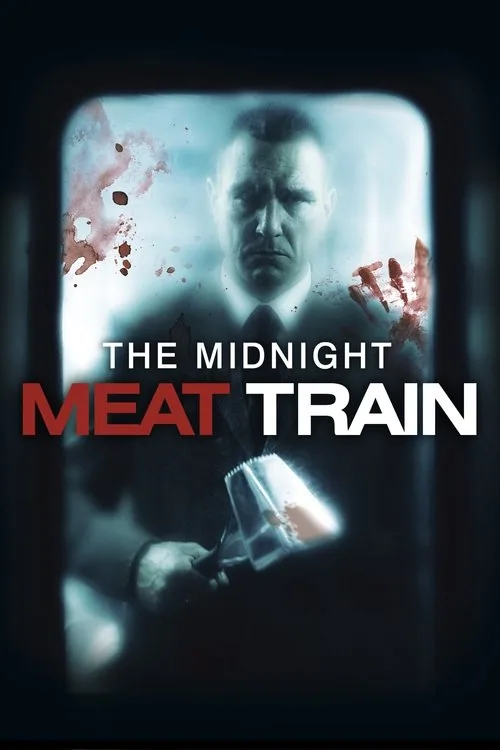
What changes Dressed to Kill: slow suspense build, set-piece murder sequence and revelation-driven finale. The Midnight Meat Train: nocturnal investigation, escalating graphic horror and revelatory climax.
Struggling New York photographer Leon Kaufman is urged by a gallery owner to capture the city’s hidden brutality in his work. His search for unsettling images leads him to follow a quiet commuter named Mahogany, who boards late-night trains and appears connected to a string of disappearances. As Leon pursues the mystery through the subway system, he discovers a gruesome pattern beneath the city. Ryuhei Kitamura’s horror film adapts a Clive Barker story and contains graphic violence and body horror.
Based on recorded story, mood and style. Your preferences can change the order.
Investigation
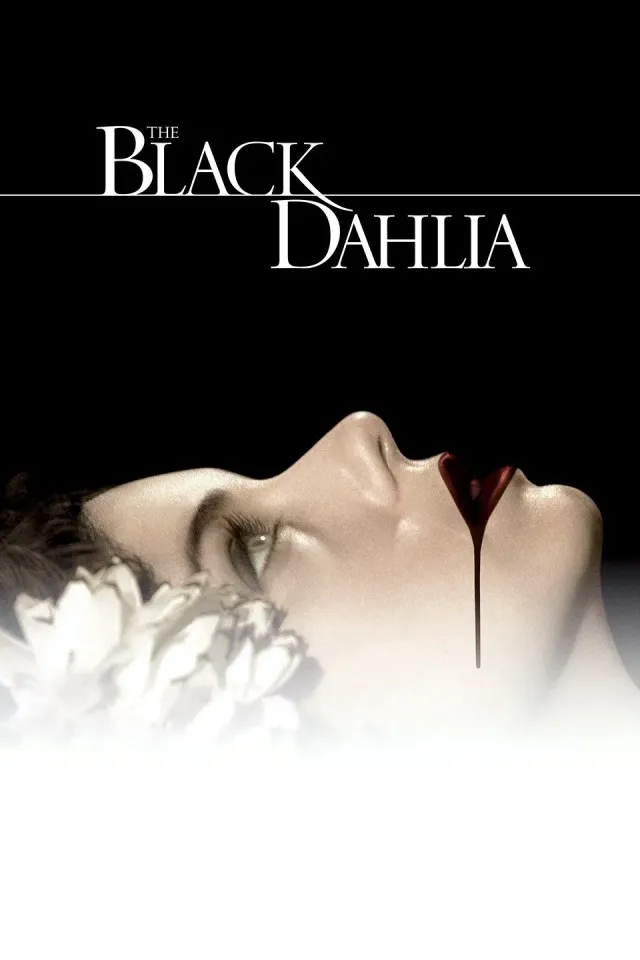
What changes Dressed to Kill: slow suspense build, set-piece murder sequence and revelation-driven finale. The Black Dahlia: measured and unraveling.
Two Los Angeles detectives investigate the murder of Elizabeth Short, known in the press as the Black Dahlia, while their partnership and private lives become entangled with the case. Evidence and obsession lead them through a stylized postwar city where ambition, corruption and spectacle compete with the need for justice. The noir drama presents an investigation whose emotional cost grows alongside the mystery.
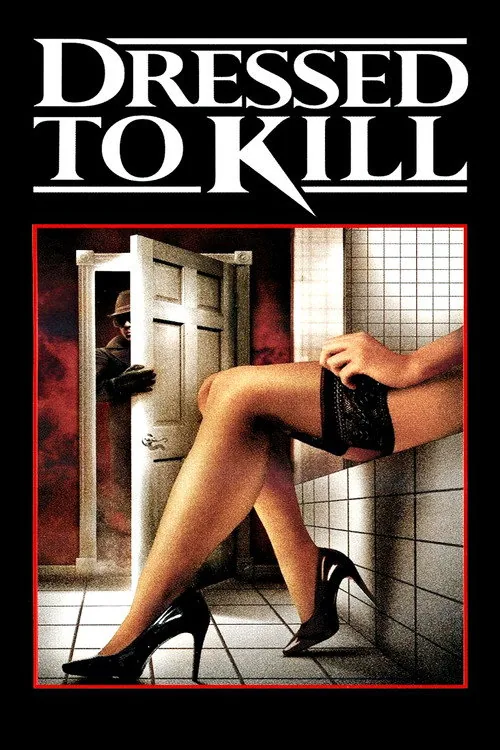
New York housewife Kate Miller leaves a therapy appointment and is murdered in an elevator by a blonde woman. Her son Peter and a sex worker named Liz become entangled in the search for the killer, while police psychiatrist Dr. Robert Elliott is drawn into questions about the crime. Brian De Palma uses shifting viewpoints, elaborate camera movement, and Hitchcockian suspense to turn identity and observation into part of the mystery. The thriller's stylized violence and sexual politics reflect its period and remain central to its reception.
What drives the story
Kate's murder gives Peter and Liz clues to pursue while police probe a killer whose identity is concealed.
The people at its centre
Peter and Liz form an uneasy investigative partnership, while Elliott's professional role places him close to competing accounts.
What it feels like
A formal, highly stylized thriller uses long suspense sequences, visual misdirection, and abrupt violence.
Worth knowing
It is an urban identity mystery shaped by De Palma's set-piece camera style, rather than a procedural built on forensic detail.
sexuality and dangeridentity and perceptionvoyeurism and violence
Mood
stylish · suspenseful · provocative
Pacing
slow suspense build · set-piece murder sequence · revelation-driven finale
Visual style
split diopter and tracking shots · museum and elevator imagery · lush thriller cinematography
Storytelling
elevator murder launches inquiry · witness and victim's son investigate · psychiatrist's patients shape identity mystery