Explore films connected to Tenebrae through Art and violence, Obsession, Perception and truth. Choose the qualities you want to carry into your next watch.
What should feel similar?
Find your next favourite
9 films · Closest overall matches
Hide films you’ve seen or don’t want. Saved on this device.
No matches for this combination yet.
Try another option or reset your choices to see more films.
Based on recorded story, mood and style. Your preferences can change the order.
Investigation · Memory and identity
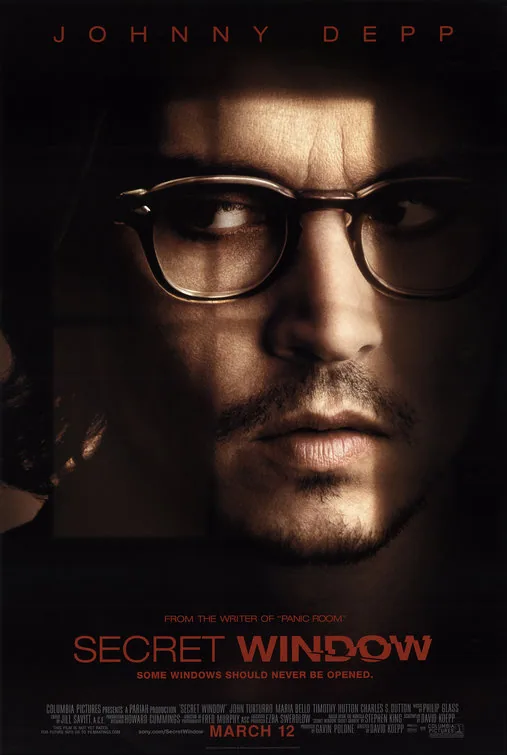
What changes Tenebrae: clue-driven, deliberate camera movement, escalating reversals and sudden violent interruptions. Secret Window: measured, repetitive and revelatory.
Writer Mort Rainey has retreated to a cabin after discovering his wife’s affair, where writer’s block and a stalled divorce leave him increasingly isolated. A stranger named John Shooter arrives claiming Mort stole his story and demands that the ending be changed. The accusation becomes menacing as a dog is killed, the couple’s house burns and people helping Mort disappear. Mort’s own history of plagiarism makes the claim difficult to dismiss, while the investigation gradually reveals that the most dangerous part of the dispute may be the version of himself he has invented to contain his anger.
Based on recorded story, mood and style. Your preferences can change the order.
Investigation
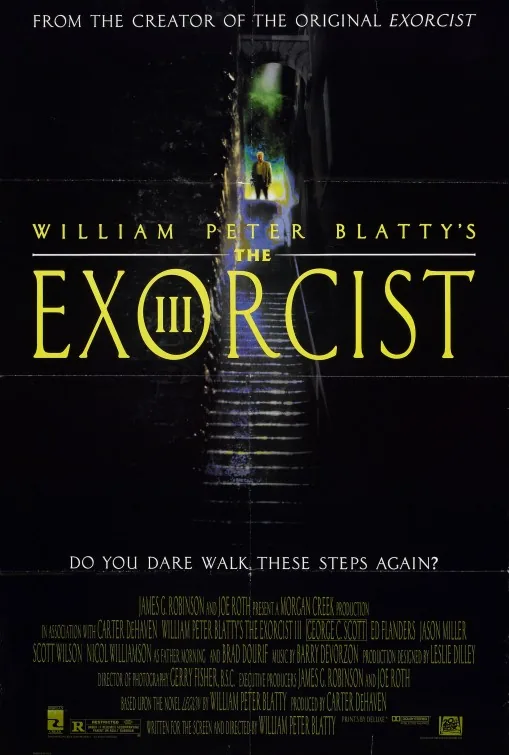
What changes Tenebrae: clue-driven, deliberate camera movement, escalating reversals and sudden violent interruptions. The Exorcist III: slow-burn and dialogue-led.
Detective William Kinderman investigates a series of murders that resemble crimes committed by a dead serial killer. His case leads to a psychiatric ward patient whose identity and connection to the past challenge rational explanation. The horror film gives the investigation room to develop through conversations, clues and quiet dread, treating faith and grief as part of the mystery rather than only spectacle.
Based on recorded story, mood and style. Your preferences can change the order.
Investigation
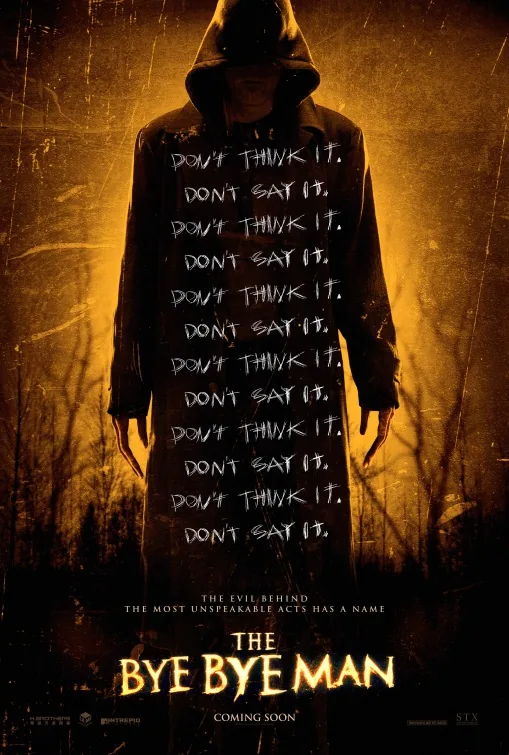
What changes Tenebrae: clue-driven, deliberate camera movement, escalating reversals and sudden violent interruptions. The Bye Bye Man: mystery discovery builds toward psychological and physical danger.
Three college students uncover a supernatural figure connected to a rule about not speaking or thinking his name. Their attempts to understand the legend make the threat harder to escape, while suspicion fractures their relationships. The horror film uses a contagious idea as its central mechanism, combining occult mystery with a story about how fear and doubt can spread through a close group.
Based on recorded story, mood and style. Your preferences can change the order.
Investigation · Memory and identity
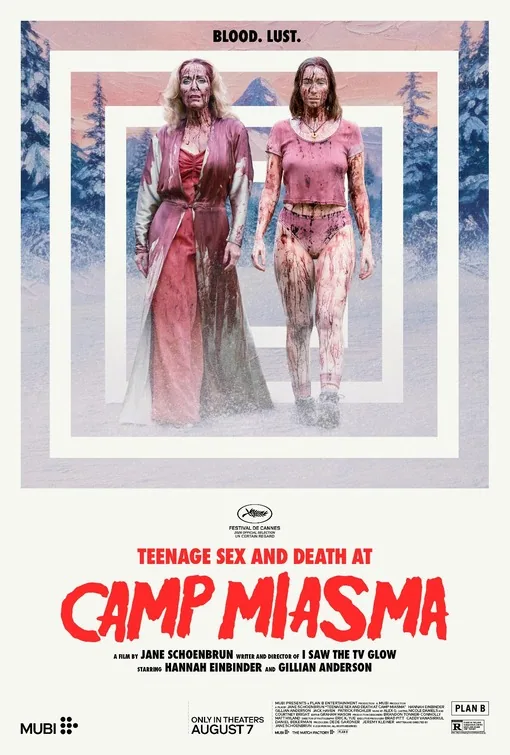
What changes Tenebrae: clue-driven, deliberate camera movement, escalating reversals and sudden violent interruptions. Teenage Sex and Death at Camp Miasma: a film-within-a-film setup folds into a slasher mystery.
A filmmaker joins the production of a long-running slasher franchise about a camp haunted by a drowned child. The project’s history and its recurring villain become part of the film’s story as old creative conflicts and new violence emerge. The meta-horror examines who controls a franchise and how horror conventions can be repeated, revived, or challenged, placing filmmaking ambition alongside the familiar threat of a masked killer.
Based on recorded story, mood and style. Your preferences can change the order.
Investigation
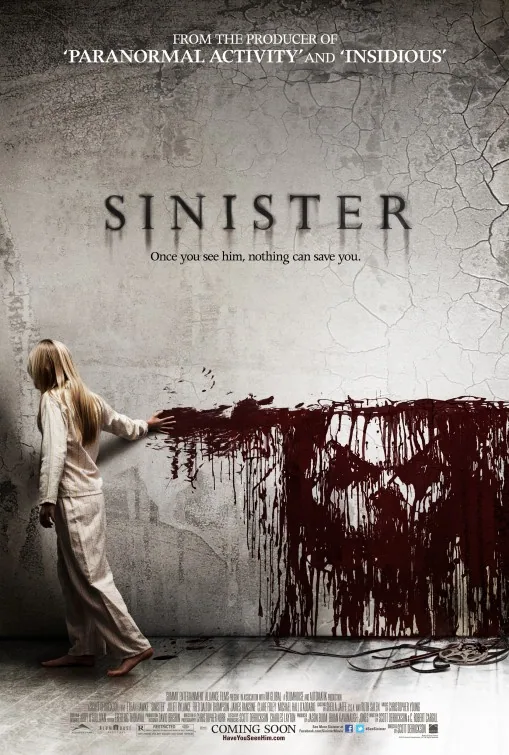
What changes Tenebrae: clue-driven, deliberate camera movement, escalating reversals and sudden violent interruptions. Sinister: slow-building and investigation-led.
A true-crime writer moves his family into a house connected to an unsolved murder, concealing the reason from his wife. The discovery of disturbing home movies offers material that might revive his career, but his investigation begins to suggest a pattern reaching beyond ordinary crime. Professional ambition keeps him close to evidence that threatens the household, making the urge to watch and interpret part of the danger itself.
Based on recorded story, mood and style. Your preferences can change the order.
Investigation
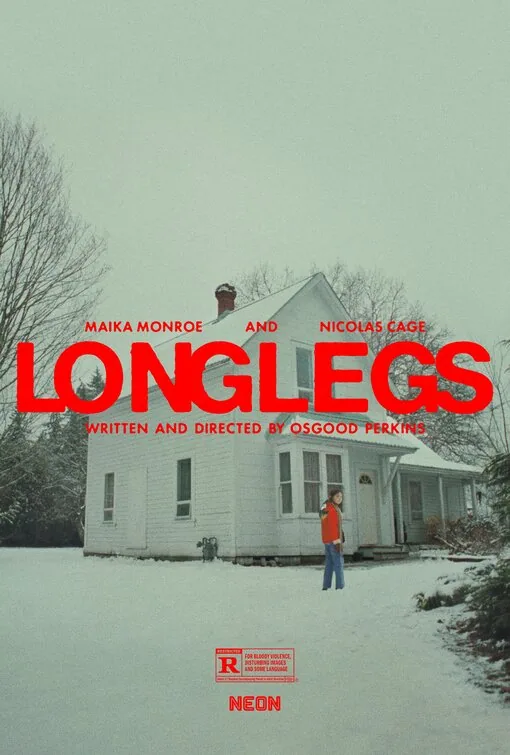
What changes Tenebrae: clue-driven, deliberate camera movement, escalating reversals and sudden violent interruptions. Longlegs: slow burn.
An FBI agent with an unsettling intuitive ability joins an investigation into family murders linked by coded messages. The apparent absence of a conventional killer at the scenes makes the recurring pattern difficult to explain, and clues begin to connect the case to her own childhood. Procedural certainty gives way to a fear that domestic safety and personal memory have already been shaped by forces she does not understand.
Based on recorded story, mood and style. Your preferences can change the order.
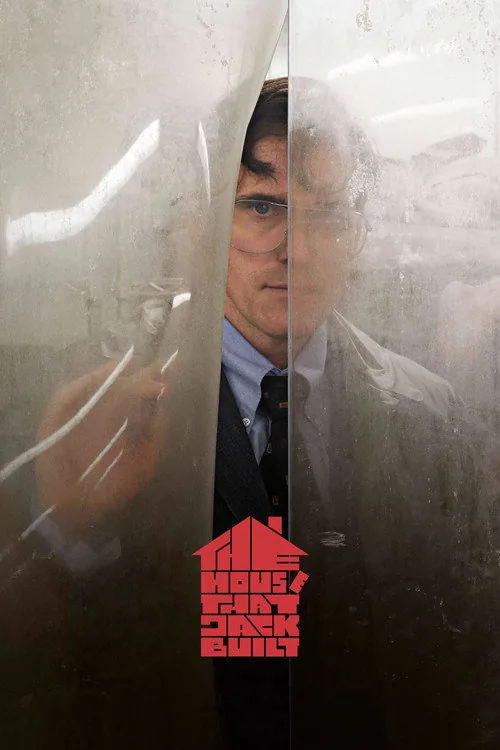
What changes Tenebrae: clue-driven, deliberate camera movement, escalating reversals and sudden violent interruptions. The House That Jack Built: jack’s account of his crimes becomes an argument with the figure guiding him toward judgment..
Serial killer Jack recounts a series of murders to a companion he calls Verge, presenting each killing as one of several formative “incidents.” His efforts to hide evidence become increasingly elaborate and sometimes grotesque, while he tries to build a house from the bodies he has collected. Lars von Trier’s psychological horror film shifts between crime episodes, art-history arguments, and a final journey through a vision of Hell. It is formally self-conscious and deliberately provocative, framing Jack’s explanations as unreliable and morally repellent rather than asking viewers to admire his crimes.
Based on recorded story, mood and style. Your preferences can change the order.
Investigation · Memory and identity
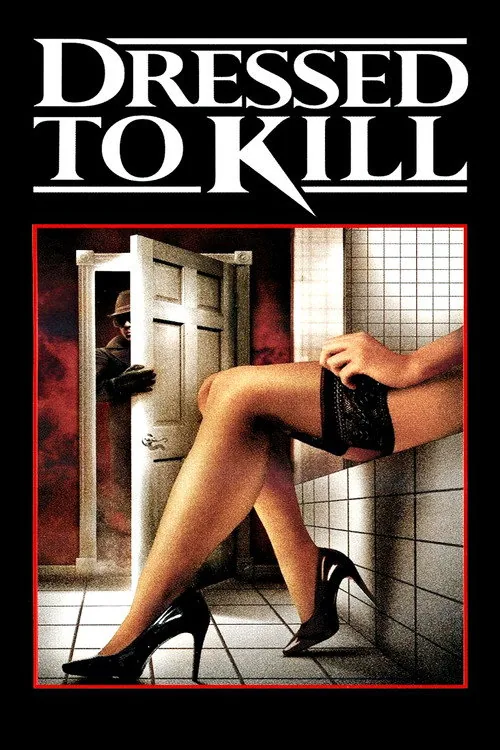
What changes Tenebrae: clue-driven, deliberate camera movement, escalating reversals and sudden violent interruptions. Dressed to Kill: slow suspense build, set-piece murder sequence and revelation-driven finale.
New York housewife Kate Miller leaves a therapy appointment and is murdered in an elevator by a blonde woman. Her son Peter and a sex worker named Liz become entangled in the search for the killer, while police psychiatrist Dr. Robert Elliott is drawn into questions about the crime. Brian De Palma uses shifting viewpoints, elaborate camera movement, and Hitchcockian suspense to turn identity and observation into part of the mystery. The thriller's stylized violence and sexual politics reflect its period and remain central to its reception.
Based on recorded story, mood and style. Your preferences can change the order.
Investigation · Memory and identity
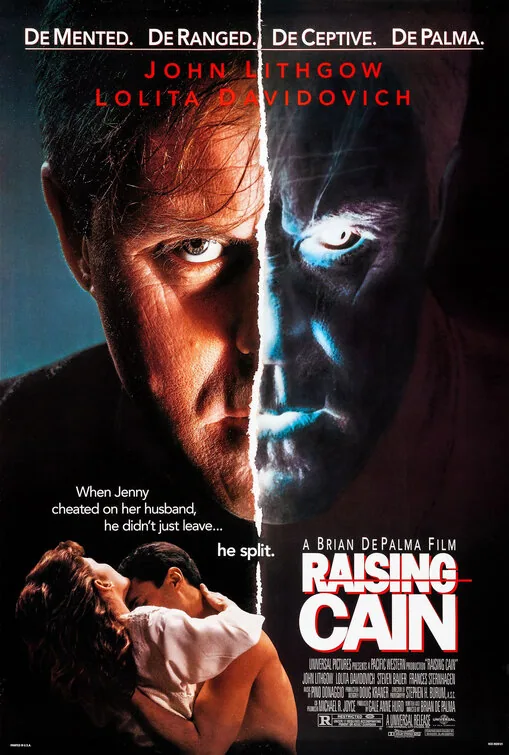
What changes Tenebrae: clue-driven, deliberate camera movement, escalating reversals and sudden violent interruptions. Raising Cain: mystery with sharp subjective reversals.
Child psychologist Carter Nix's wife becomes alarmed by his intense attention to their daughter, while the film reveals fractures in Carter's identity and a trail of abductions tied to his family. Brian De Palma turns domestic unease into a deliberately theatrical psychological thriller, using surveillance, doubles and shifting points of view to keep perception unstable. The story asks how care can become control when professional authority and private pathology overlap.
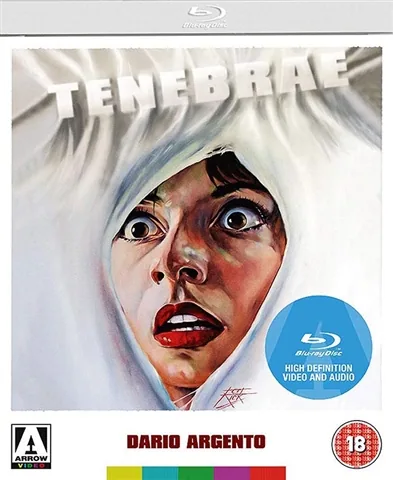
American horror novelist Peter Neal arrives in Rome to promote his latest book, Tenebrae, and soon receives a message from someone claiming that his fiction has inspired a killing spree. Police captain Germani, an admirer of Neal’s work, asks him to assist as murders unsettle the people around the writer. The investigation draws in Neal’s assistant Anne, agent Bullmer, television interviewer Cristiano Berti and Neal’s former fiancée Jane. Suspects and evidence keep shifting as the crimes appear to borrow details from the novel. The film turns its clue trail into a study of authorship, obsession and how easily a confident explanation can become another form of deception.
What drives the story
The murders mimic the novelist’s work, making his public success both a possible motive and a misleading guide to the case.
The people at its centre
Germani’s admiration brings Neal into the investigation, while the writer’s circle widens the list of people with access and secrets.
What it feels like
Long, controlled camera movements and stark locations make the violence feel composed, even as the explanation keeps changing.
Worth knowing
This is a self-conscious giallo about fiction shaping a murder investigation, not a procedural with stable evidence.
Art and violenceObsessionPerception and truth
Mood
Stylish · Paranoid · Sanguine · Unsettling
Pacing
Clue-driven · Deliberate camera movement · Escalating reversals · Sudden violent interruptions
Visual style
Modern Rome · Bright architectural spaces · Clean lines and hard shadows · Stylized red accents
Storytelling
Murder mystery · Writer drawn into a case · Giallo investigation · Unreliable explanations