Based on recorded story, mood and style. Your preferences can change the order.
Memory and identity · Investigation
What changes Secret Window: measured, repetitive and revelatory. Tenebrae: clue-driven, deliberate camera movement, escalating reversals and sudden violent interruptions.
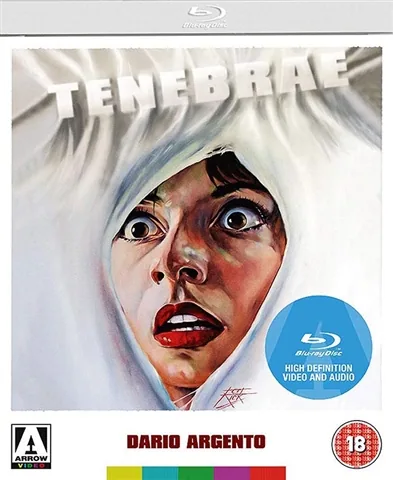
American horror novelist Peter Neal arrives in Rome to promote his latest book, Tenebrae, and soon receives a message from someone claiming that his fiction has inspired a killing spree. Police captain Germani, an admirer of Neal’s work, asks him to assist as murders unsettle the people around the writer. The investigation draws in Neal’s assistant Anne, agent Bullmer, television interviewer Cristiano Berti and Neal’s former fiancée Jane. Suspects and evidence keep shifting as the crimes appear to borrow details from the novel. The film turns its clue trail into a study of authorship, obsession and how easily a confident explanation can become another form of deception.
Based on recorded story, mood and style. Your preferences can change the order.
Memory and identity · Investigation
What changes Secret Window: measured, repetitive and revelatory. Psycho: slow burn and intense.
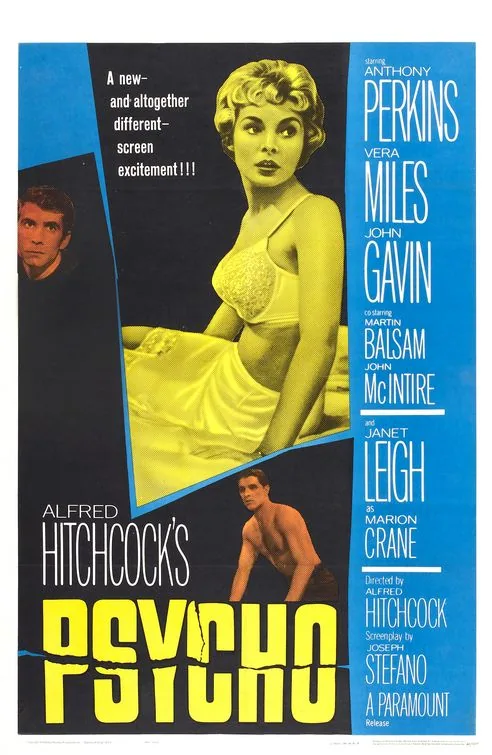
A secretary impulsively steals money entrusted to her and drives away, hoping to escape the financial limitations surrounding a relationship. Rain and exhaustion lead her to an isolated motel run by a courteous young man whose attachment to his mother seems unusually restrictive. When her disappearance brings relatives and an investigator to the property, an apparent story of flight and guilt becomes an inquiry into violence, concealment and a fractured identity.
Based on recorded story, mood and style. Your preferences can change the order.
Memory and identity · Investigation
What changes Secret Window: measured, repetitive and revelatory. Hide and Seek: slow burn and escalating.
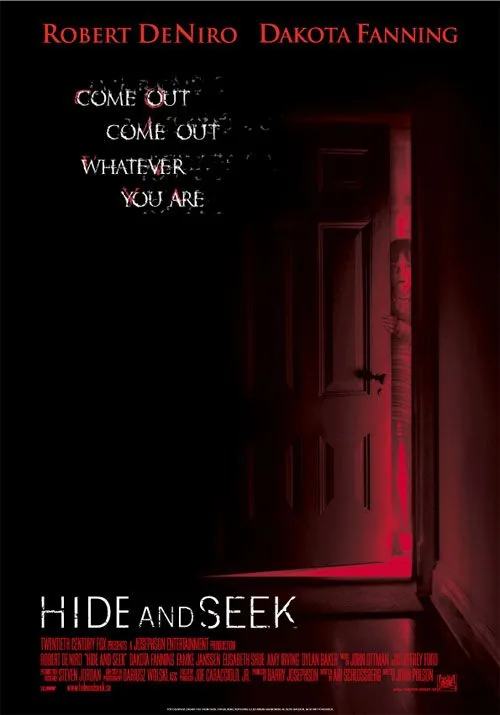
After the death of his wife, a psychologist moves with his young daughter to a quieter home, hoping that a change of setting will help them recover. The girl begins speaking about an imaginary companion, and increasingly troubling events lead her father to question what is real. The psychological thriller builds tension through grief, secrecy and the limits of his professional confidence.
Based on recorded story, mood and style. Your preferences can change the order.
Investigation
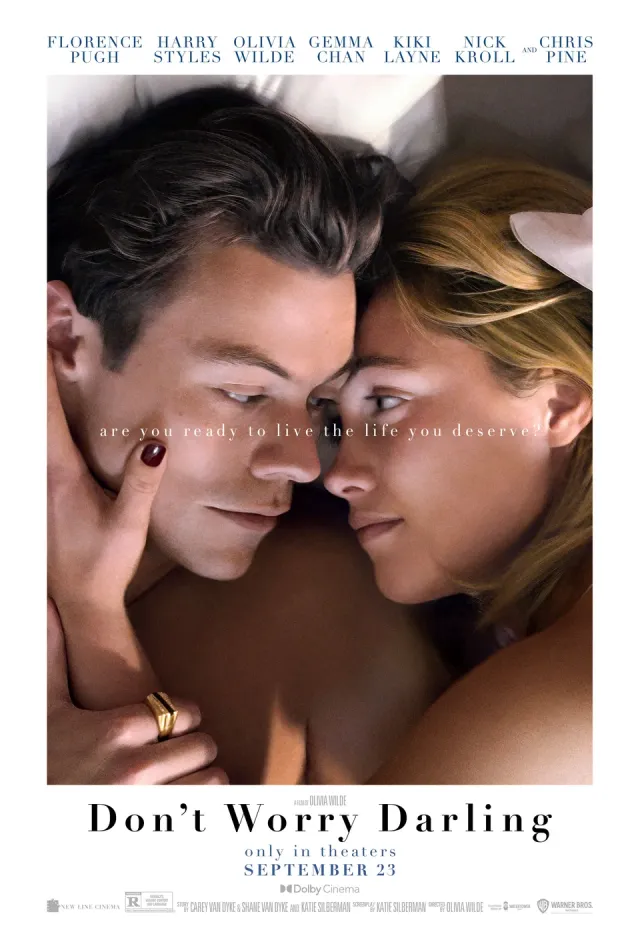
What changes Secret Window: measured, repetitive and revelatory. Don't Worry Darling: slow-burn and escalating.
A young wife in a carefully arranged desert company town begins noticing small breaks in its promise of perfect domestic happiness. Her husband and neighbors treat each anomaly as proof that she is unwell, making doubt itself part of the trap. As she investigates the town’s leadership, the story shifts from pastel social ritual into a fight to reclaim choice and reality.
Based on recorded story, mood and style. Your preferences can change the order.
Investigation
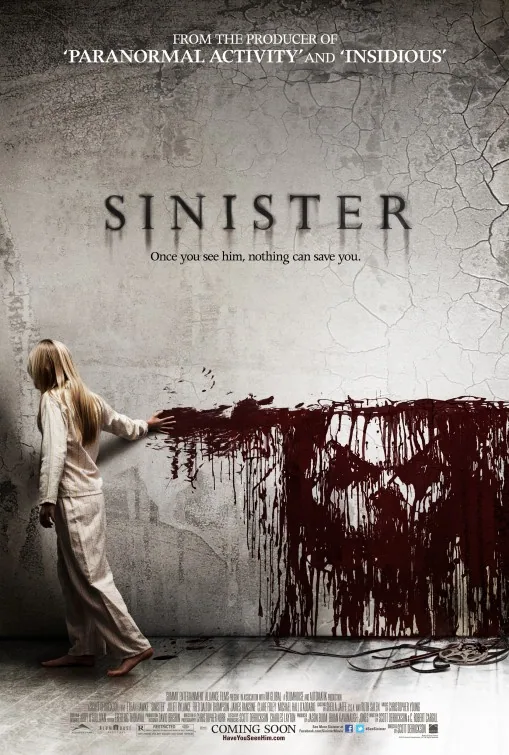
What changes Secret Window: measured, repetitive and revelatory. Sinister: slow-building and investigation-led.
A true-crime writer moves his family into a house connected to an unsolved murder, concealing the reason from his wife. The discovery of disturbing home movies offers material that might revive his career, but his investigation begins to suggest a pattern reaching beyond ordinary crime. Professional ambition keeps him close to evidence that threatens the household, making the urge to watch and interpret part of the danger itself.
Based on recorded story, mood and style. Your preferences can change the order.
Memory and identity
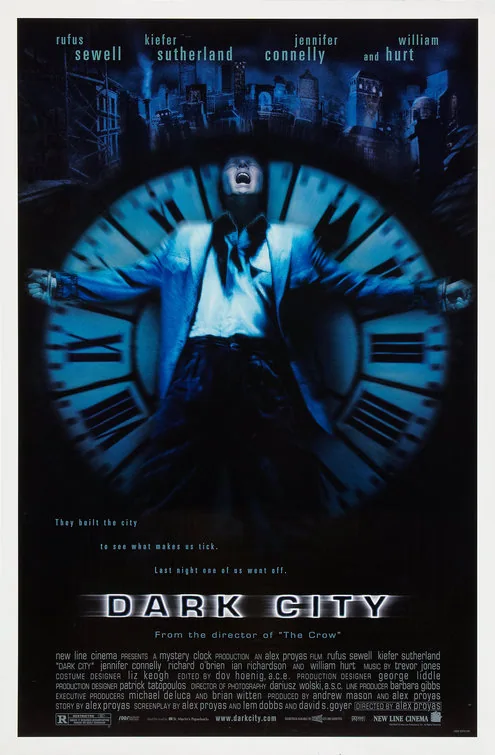
What changes Secret Window: measured, repetitive and revelatory. Dark City: steadily escalating.
John Murdoch wakes in an unfamiliar hotel with no memory and learns that people are being murdered across a city trapped in permanent night. He is pursued by police and by mysterious strangers who can alter buildings and memories when the population sleeps. As John searches for his identity and for a woman who may know him, the city itself becomes evidence in a struggle over who controls reality.
Both centre on identity investigation and compulsive control.
Why this matches +
Genres: Mystery / Thriller
Shared film traits
Based on recorded story, mood and style. Your preferences can change the order.
Memory and identity · Investigation
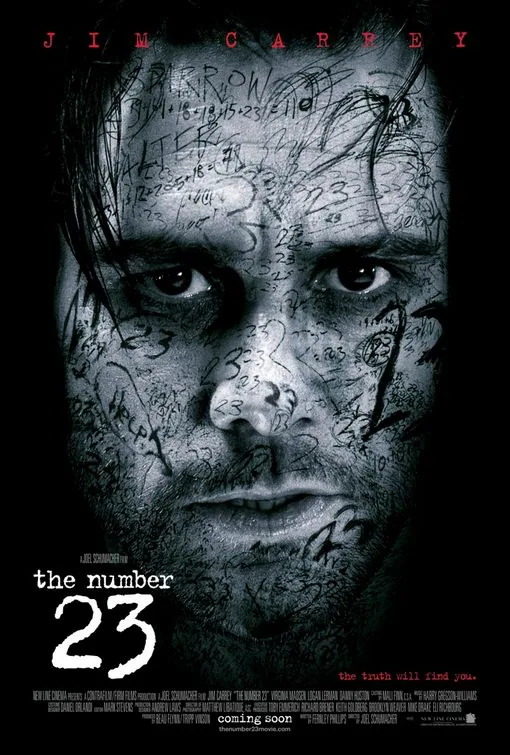
What changes Secret Window: measured, repetitive and revelatory. The Number 23: escalating and unreliable.
A man receives a novel whose disturbing murder story seems to echo details of his life. As he becomes absorbed by its central number, ordinary coincidences feel like clues and his family watches his behavior change. This psychological thriller follows the narrowing gap between interpretation and obsession, making the search for meaning itself a source of dread.
Based on recorded story, mood and style. Your preferences can change the order.
Memory and identity · Investigation
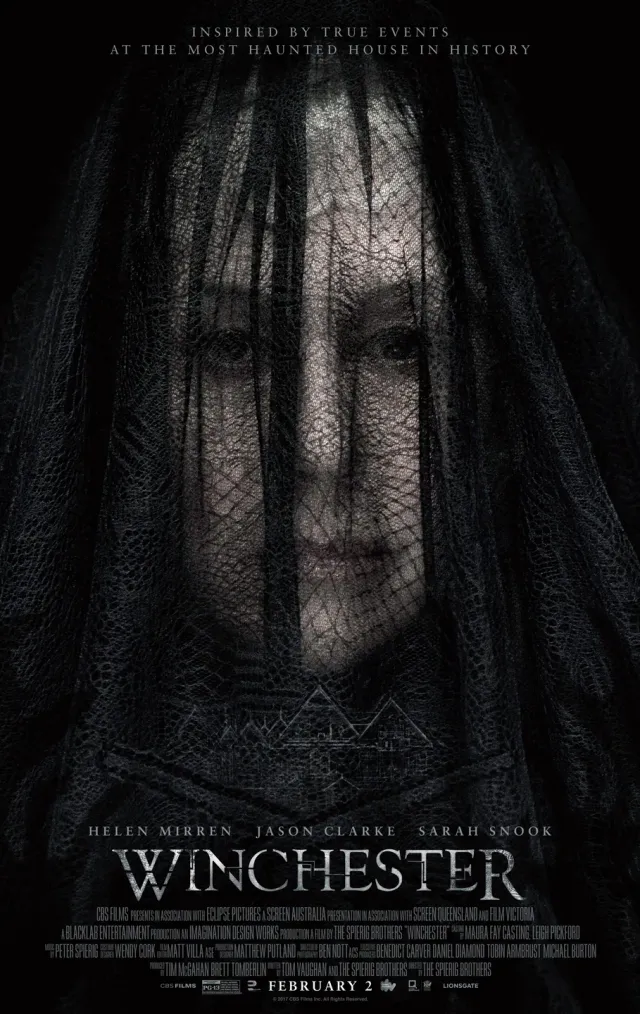
What changes Secret Window: measured, repetitive and revelatory. Winchester: house exploration gradually reframes price’s diagnosis and the haunting.
In 1906, psychiatrist Eric Price is sent to evaluate Sarah Winchester at her vast California mansion. The widow believes spirits of people killed by Winchester rifles haunt the family, and she continually alters the house to confuse them. As Price investigates the building and Sarah’s behavior, the supernatural horror story turns architecture into both a defensive ritual and a physical record of grief, guilt and inherited wealth.
Both share themes of identity, plus an unsettling atmosphere.
Why this matches +
Genres: Comedy / Horror
Shared film traits
Based on recorded story, mood and style. Your preferences can change the order.
Memory and identity · Investigation
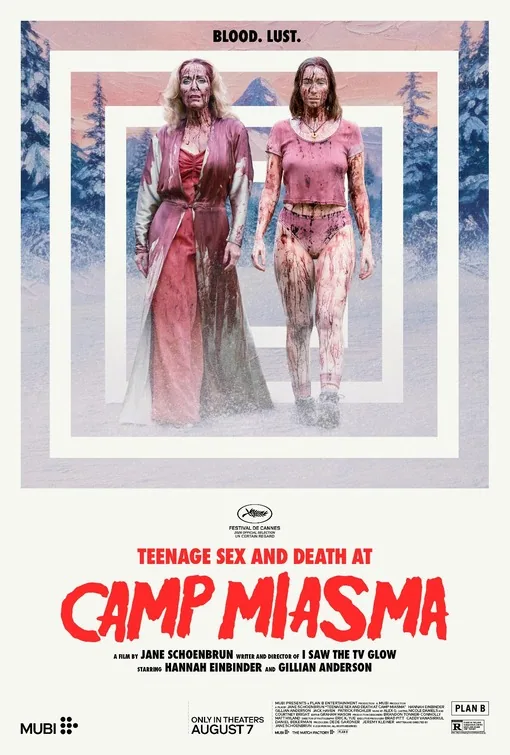
What changes Secret Window: measured, repetitive and revelatory. Teenage Sex and Death at Camp Miasma: a film-within-a-film setup folds into a slasher mystery.
A filmmaker joins the production of a long-running slasher franchise about a camp haunted by a drowned child. The project’s history and its recurring villain become part of the film’s story as old creative conflicts and new violence emerge. The meta-horror examines who controls a franchise and how horror conventions can be repeated, revived, or challenged, placing filmmaking ambition alongside the familiar threat of a masked killer.
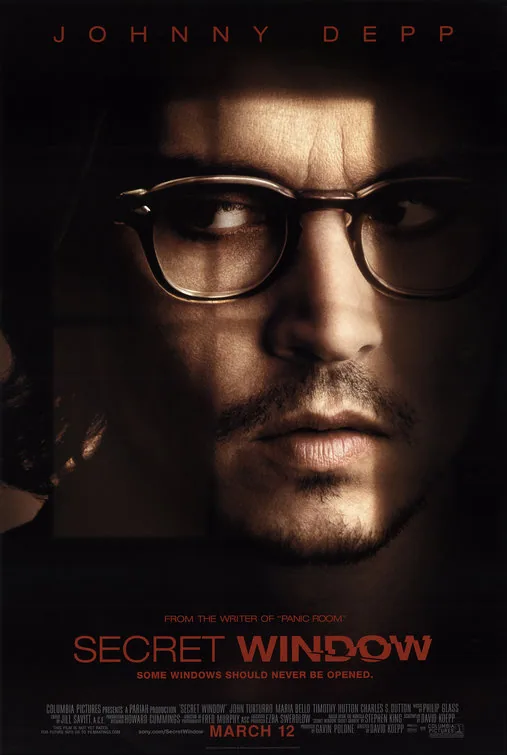
Writer Mort Rainey has retreated to a cabin after discovering his wife’s affair, where writer’s block and a stalled divorce leave him increasingly isolated. A stranger named John Shooter arrives claiming Mort stole his story and demands that the ending be changed. The accusation becomes menacing as a dog is killed, the couple’s house burns and people helping Mort disappear. Mort’s own history of plagiarism makes the claim difficult to dismiss, while the investigation gradually reveals that the most dangerous part of the dispute may be the version of himself he has invented to contain his anger.
What drives the story
Shooter’s demand that Mort rewrite an ending becomes a threat that blurs authorship, evidence and the writer’s ability to control his own story.
The people at its centre
Mort’s resentment toward Amy and Ted grows alongside his refusal to resolve the divorce; the film treats isolation as a condition that lets grievance become self-justifying.
What it feels like
A remote cabin, repeated cornfield imagery and scenes that shift with Mort’s perception turn a literary plagiarism dispute into a psychological mystery.
Worth knowing
Choose this for a contained identity thriller and unreliable perspective; it is more about a writer’s unraveling than about an external detective solving a crime.