A low-budget film crew’s chaotic zombie shoot opens into the personal and logistical effort behind making the movie.
Why this matches +
Selected for the central appeal: A filmmaker working on a long-running camp slasher confronts franchise history and fresh violence.
Genres: Comedy / Horror
Shared film traits
Based on recorded story, mood and style. Your preferences can change the order.
Memory and identity
What changes A horror film production becomes the setting for a self-aware story that plays with filmmaking, creative conflict and zombie violence.
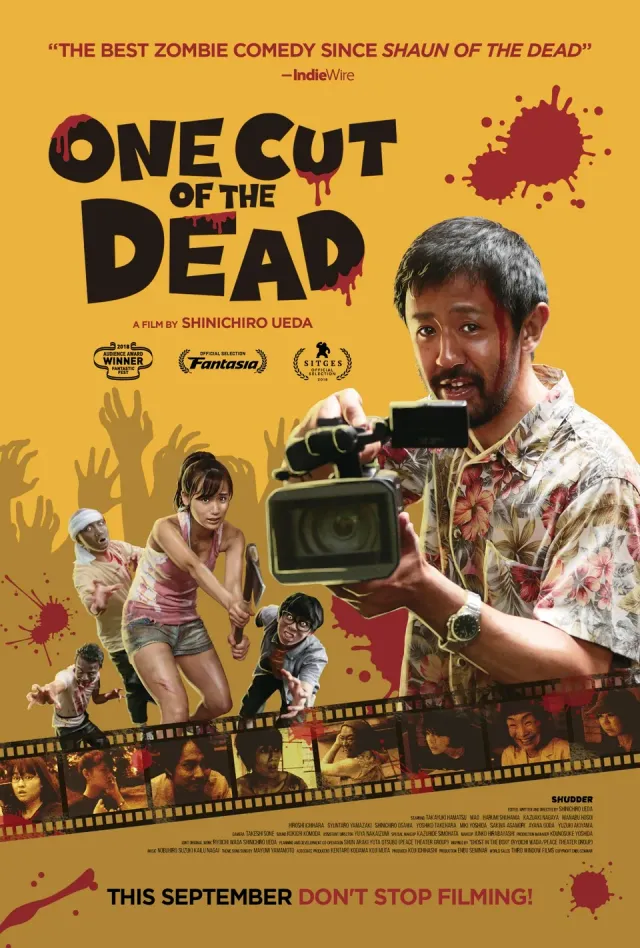
A small film crew shoots a zombie movie inside an abandoned water-treatment plant, where the determined director keeps the cameras rolling as strange events unfold. The story then widens beyond the apparent one-take horror scene, revealing the people, pressures, and improvised planning behind the production. This Japanese comedy-horror turns low-budget filmmaking into both its subject and its source of surprises, moving from undead chaos toward an affectionate portrait of creative teamwork.
The new murders copy a fictional movie’s dramatization of the original killings, making questions of repetition and exploitation part of the mystery itself.
Why this matches +
These offer a related experience with a meaningful difference in story, tone, or presentation.
An adjacent discovery: a related idea with a different viewing experience.
Genres: Horror / Mystery
Shared film traits
Based on recorded story, mood and style. Your preferences can change the order.
Investigation
What changes Characters caught in a new slasher killing discuss how sequels and familiar horror conventions shape their expectations.
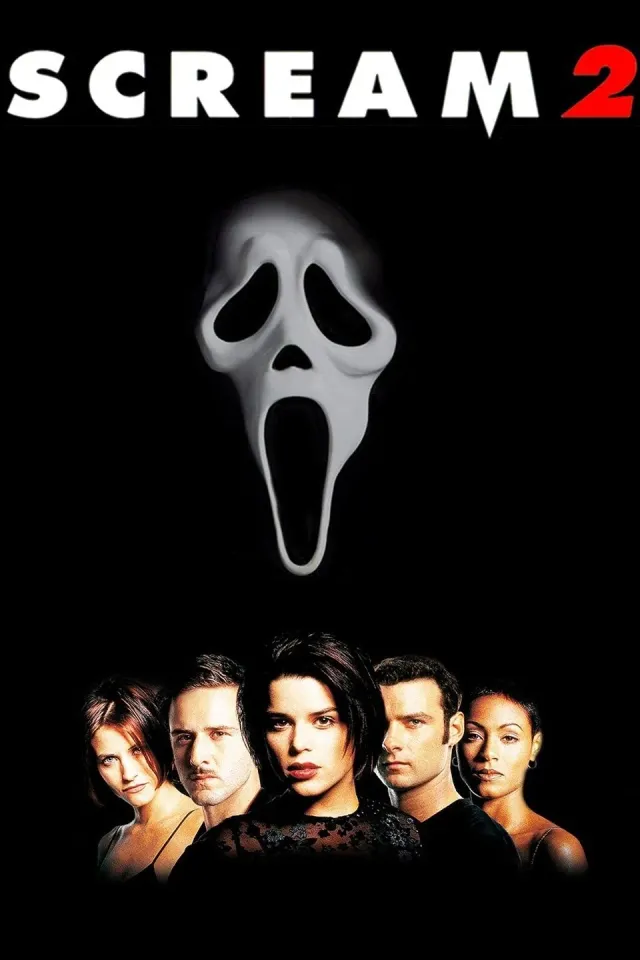
A killer in a Ghostface costume murders two college students during a screening of Stab, the movie made from the Woodsboro killings. Sidney Prescott has moved to Windsor College, but the murders bring back Dewey and Gale and put her under renewed media attention alongside new classmates and former survivors. The campus investigation becomes a sequel-aware slasher story in which the characters debate the rules of sequels while being trapped inside one. Its killer reveal ties the new violence to the first film’s aftermath and to Sidney’s public testimony.
The murders mimic the novelist’s work, making his public success both a possible motive and a misleading guide to the case.
Why this matches +
These offer a related experience with a meaningful difference in story, tone, or presentation.
An adjacent discovery: a related idea with a different viewing experience.
Genres: Drama / Thriller
Shared film traits
Based on recorded story, mood and style. Your preferences can change the order.
Investigation · Memory and identity
What changes A creator becomes entangled in murders that echo their own work, making storytelling and horror conventions central to the threat.
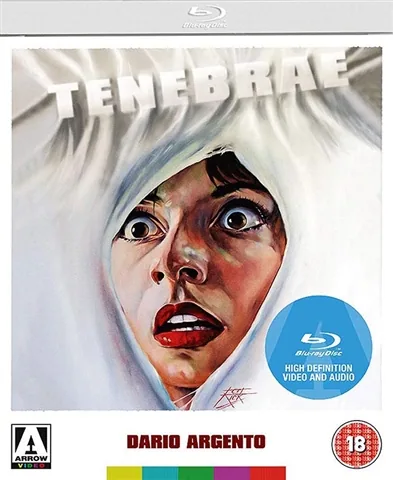
American horror novelist Peter Neal arrives in Rome to promote his latest book, Tenebrae, and soon receives a message from someone claiming that his fiction has inspired a killing spree. Police captain Germani, an admirer of Neal’s work, asks him to assist as murders unsettle the people around the writer. The investigation draws in Neal’s assistant Anne, agent Bullmer, television interviewer Cristiano Berti and Neal’s former fiancée Jane. Suspects and evidence keep shifting as the crimes appear to borrow details from the novel. The film turns its clue trail into a study of authorship, obsession and how easily a confident explanation can become another form of deception.
The new killings are staged as a reboot and sequel at once, with the attackers using franchise rules and fan entitlement to justify real violence.
Why this matches +
These offer a related experience with a meaningful difference in story, tone, or presentation.
An adjacent discovery: a related idea with a different viewing experience.
Genres: Horror / Comedy
Shared film traits
Based on recorded story, mood and style. Your preferences can change the order.
Investigation
What changes A masked killer terrorizes people who recognize slasher rules, turning knowledge of the genre into part of the mystery.
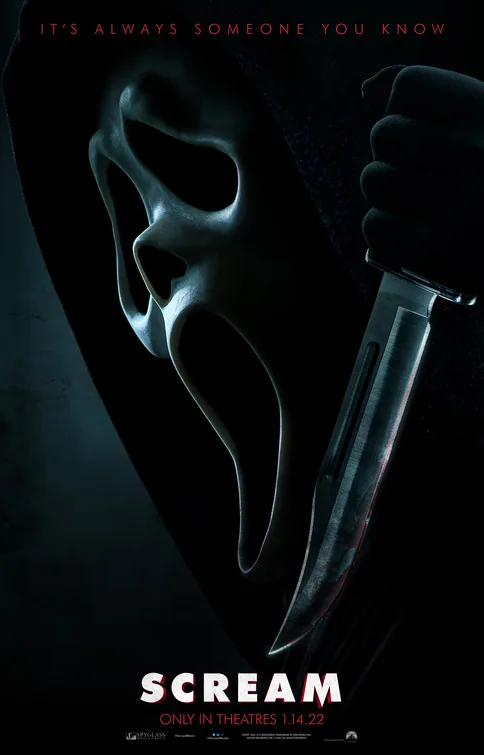
When high-schooler Tara Carpenter is attacked in Woodsboro, her estranged older sister Sam returns with her boyfriend Richie and reconnects with Tara’s friends. Sam’s visions of her biological father, Billy Loomis, and the discovery of a Ghostface mask link the new murders to the town’s old violence. The killer’s targets include people close to the original survivors, while an online campaign casts Sam as the true villain. Sidney Prescott and Gale Weathers return to help, but the case’s central motive comes from fans trying to force a new installment of Stab into the shape they prefer.
A retrospective documentary investigation reconstructs a haunted attraction disaster through the staff recordings made before and during its opening night.
Why this matches +
These offer a related experience with a meaningful difference in story, tone, or presentation.
An adjacent discovery: a related idea with a different viewing experience.
Genres: Horror / Mystery
Shared film traits
Based on recorded story, mood and style. Your preferences can change the order.
Investigation
What changes A documentary-style account of a horror attraction reveals how performance and creative ambition intersect with real danger.
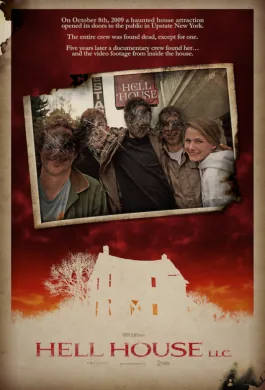
Five years after fifteen visitors and staff died during the opening night of a Halloween attraction, documentary filmmakers return to investigate. Recovered recordings take them back to the preparations inside the Abaddon Hotel, where a crew tried to manufacture scares for paying guests. As that footage accumulates, the distinction between staged effects and an actual threat becomes increasingly difficult to maintain.
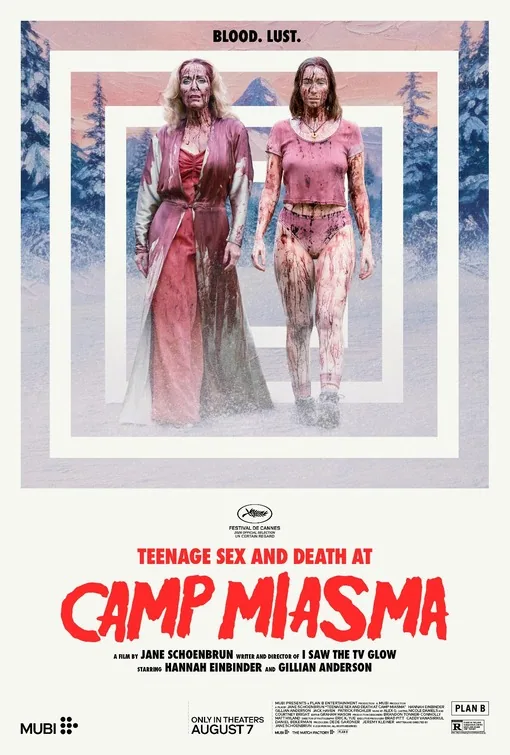
A filmmaker joins the production of a long-running slasher franchise about a camp haunted by a drowned child. The project’s history and its recurring villain become part of the film’s story as old creative conflicts and new violence emerge. The meta-horror examines who controls a franchise and how horror conventions can be repeated, revived, or challenged, placing filmmaking ambition alongside the familiar threat of a masked killer.
What drives the story
The fictional franchise makes creative ownership part of the horror premise.
The people at its centre
Little Death’s origin turns a slasher villain into a story about exclusion.
What it feels like
The production setting blurs performance and real danger. That pressure carries beyond the immediate crisis.
Worth knowing
The title’s self-consciousness invites viewers to notice how horror myths are made.
ArtIdentityViolence
Mood
Self-aware · Unsettling · Playful
Pacing
A film-within-a-film setup folds into a slasher mystery
Visual style
Camp setting · Production imagery · Stylized franchise horror