The father’s attempt to interpret his daughter’s behavior becomes an investigation that tests his own assumptions.
Why this matches +
These offer a related experience with a meaningful difference in story, tone, or presentation.
An adjacent discovery: a related idea with a different viewing experience.
Genres: Horror / Mystery
Shared film traits
Based on recorded story, mood and style. Your preferences can change the order.
Investigation · Memory and identity
What changes A parent's disturbing behavior and a child's safety become intertwined with uncertainty about identity and hidden family trauma.
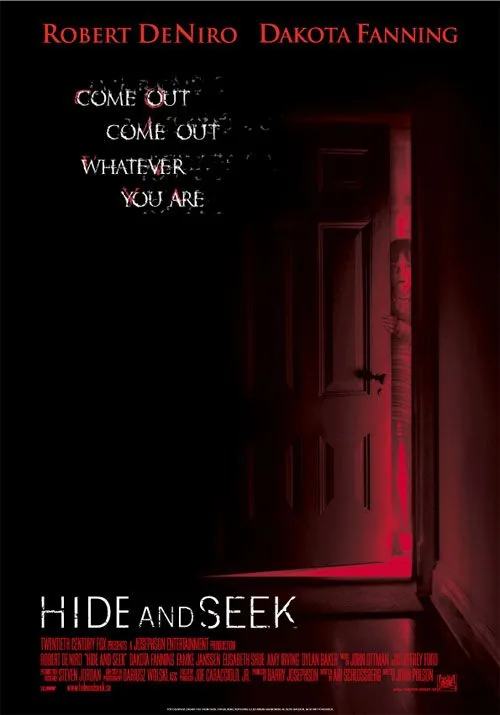
After the death of his wife, a psychologist moves with his young daughter to a quieter home, hoping that a change of setting will help them recover. The girl begins speaking about an imaginary companion, and increasingly troubling events lead her father to question what is real. The psychological thriller builds tension through grief, secrecy and the limits of his professional confidence.
Madison’s visions provide investigators with a disturbing link between her and the murders.
Why this matches +
These offer a related experience with a meaningful difference in story, tone, or presentation.
An adjacent discovery: a related idea with a different viewing experience.
Genres: Horror / Thriller
Shared film traits
Based on recorded story, mood and style. Your preferences can change the order.
Investigation
What changes Violent crimes are linked to a person's hidden history and unstable sense of identity in a stylized psychological thriller.
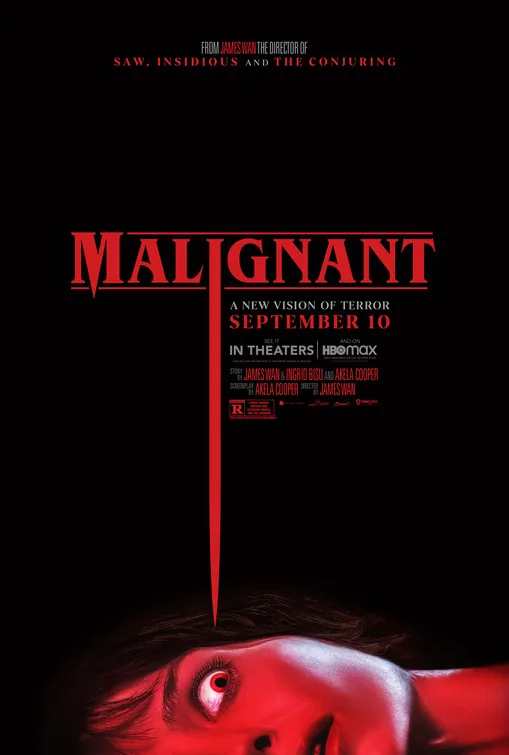
Madison is tormented by visions of murders she appears to witness as they happen, while investigators connect the killings to an unknown figure from her past. As the violence escalates, her memories and sense of self become increasingly uncertain. James Wan’s horror film begins as a police mystery and shifts into a highly stylized confrontation with a hidden history, using body horror and identity questions to unsettle genre expectations.
The videotapes turn private space into evidence before the film can define who made them. Fred’s arrest gives way to an identity rupture that creates another scenario but does not offer a settled escape from the first.
Why this matches +
These offer a related experience with a meaningful difference in story, tone, or presentation.
An adjacent discovery: a related idea with a different viewing experience.
Genres: Thriller / Mystery
Shared film traits
Based on recorded story, mood and style. Your preferences can change the order.
Memory and identity
What changes Shifting identities and surveillance create a disorienting mystery where violence and private relationships undermine perception.
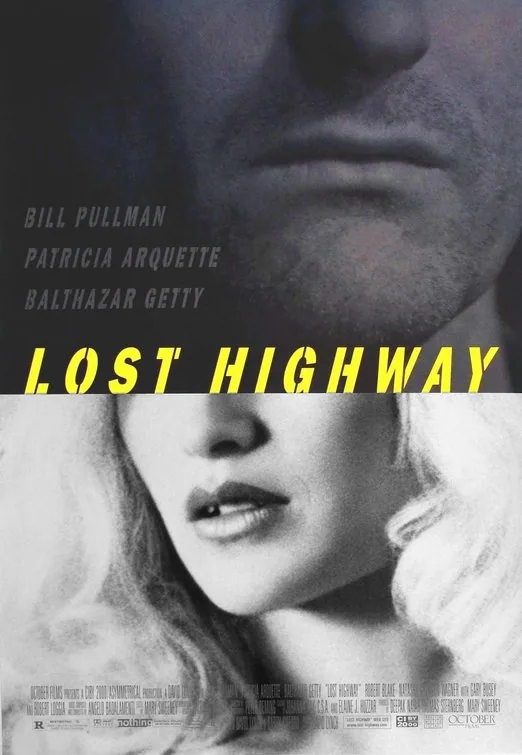
Jazz musician Fred Madison begins receiving videotapes that show the outside of his house and then its interior, turning domestic privacy into a threat. After his arrest for murder, the story fractures into an impossible identity change and a second life lived by Pete Dayton, whose affair with Alice repeats patterns of desire, surveillance and control. A mysterious man crosses the film’s worlds as if recording and directing them, but no stable explanation resolves how the two identities relate. David Lynch’s noir is built from circular return, abrupt shifts and oppressive sound rather than a puzzle with one confirmed diagnosis. Its dreamlike form can hold several readings, yet ambiguity should not dissolve the violence against women into abstract style or make the men’s self-deceptions morally weightless.
A detective's murder investigation points toward a presence thought to be dead.
Why this matches +
These offer a related experience with a meaningful difference in story, tone, or presentation.
An adjacent discovery: a related idea with a different viewing experience.
Genres: Horror / Thriller
Shared film traits
Based on recorded story, mood and style. Your preferences can change the order.
Investigation
What changes An investigator confronts a psychiatric patient's unsettling connection to a series of murders and an apparently impossible identity.
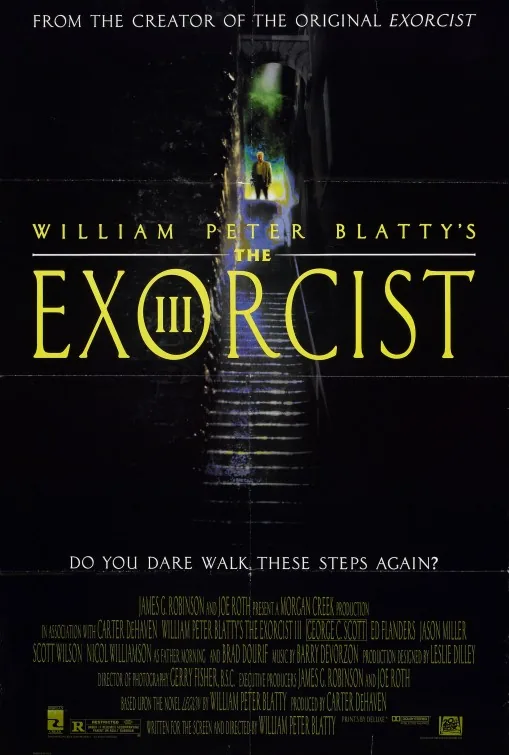
Detective William Kinderman investigates a series of murders that resemble crimes committed by a dead serial killer. His case leads to a psychiatric ward patient whose identity and connection to the past challenge rational explanation. The horror film gives the investigation room to develop through conversations, clues and quiet dread, treating faith and grief as part of the mystery rather than only spectacle.
The twins' doubts about their mother's behavior lead them to search for an explanation inside a tightly controlled home.
Why this matches +
These offer a related experience with a meaningful difference in story, tone, or presentation.
An adjacent discovery: a related idea with a different viewing experience.
Genres: Drama / Horror
Shared film traits
Based on recorded story, mood and style. Your preferences can change the order.
Investigation · Memory and identity
What changes Children question a parent's identity and motives as a seemingly protective household becomes psychologically threatening.
After their mother returns from facial surgery with her head covered in bandages, twin boys Elias and Lukas find her behavior strangely distant and severe. The family lives in an isolated modern house, where closed blinds, rules about silence, and a widening gap between the brothers and their mother create a tense domestic mystery. Their suspicions grow as small inconsistencies accumulate and the children try to determine whom they can trust. This Austrian psychological horror film relies on restraint, repetition, and the twins' limited point of view rather than frequent shocks.
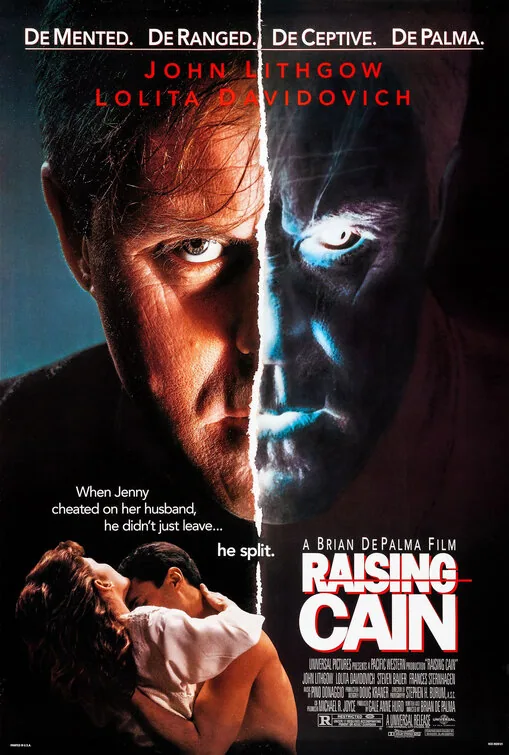
Child psychologist Carter Nix's wife becomes alarmed by his intense attention to their daughter, while the film reveals fractures in Carter's identity and a trail of abductions tied to his family. Brian De Palma turns domestic unease into a deliberately theatrical psychological thriller, using surveillance, doubles and shifting points of view to keep perception unstable. The story asks how care can become control when professional authority and private pathology overlap.
What drives the story
A family and police inquiry collide with a psychologist's hidden violence.
The people at its centre
Jenny's concern for her child conflicts with the authority and intimacy Carter claims as a father and expert.
What it feels like
The film moves between investigation and subjective disorientation, using formal tricks to unsettle certainty.
Worth knowing
Its suspense comes from a family's distorted perception and hidden identities, not from a supernatural explanation.