Explore films connected to The Midnight Meat Train through Artistic ambition and obsession, Urban violence, Curiosity and cost. Choose the qualities you want to carry into your next watch.
What should feel similar?
Find your next favourite
9 films · Closest overall matches
Hide films you’ve seen or don’t want. Saved on this device.
No matches for this combination yet.
Try another option or reset your choices to see more films.
Based on recorded story, mood and style. Your preferences can change the order.
What changes The Midnight Meat Train: nocturnal investigation, escalating graphic horror and revelatory climax. V/H/S: short-story anthology, uneven bursts of escalation and frame narrative between segments.
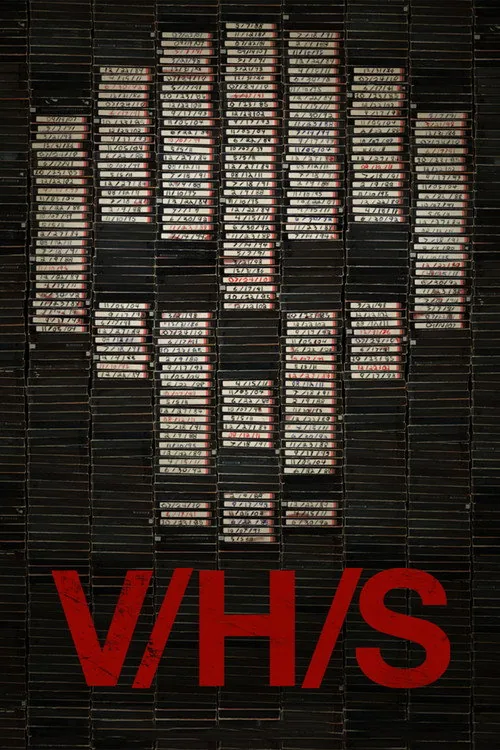
A group of petty criminals are hired to retrieve a specific videotape from a remote house, where they discover a dead body and a stack of unlabeled recordings. As they watch the tapes, a series of short horror stories unfolds through different forms of found footage, including encounters with strange visitors and violent supernatural events. The anthology’s framing narrative and segments were made by several independent filmmakers, creating a deliberately rough collection that uses camcorder images and videotape artifacts to evoke amateur recordings.
Based on recorded story, mood and style. Your preferences can change the order.
Investigation
What changes The Midnight Meat Train: nocturnal investigation, escalating graphic horror and revelatory climax. Shutter: supernatural signs, clue-led investigation and revelation and punishment.
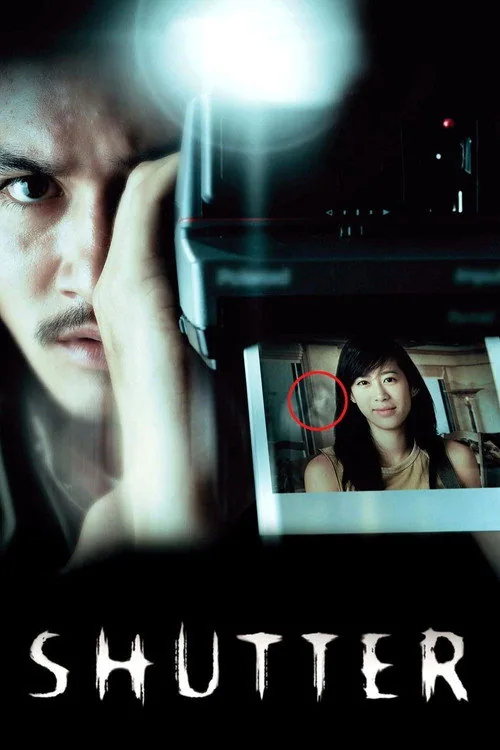
After a party in Bangkok, photographer Tun and his girlfriend Jane strike a woman with their car and leave without helping her. Soon Tun's photographs show strange white shapes, and he suffers unexplained pain; Jane suspects the ghost of the woman they hit. Their search uncovers the woman's connection to Tun's past and the harm he and his friends concealed. The Thai horror film uses photography as evidence and haunting, turning an act of cowardice into a mystery about memory, guilt, and accountability.
Based on recorded story, mood and style. Your preferences can change the order.
Investigation
What changes The Midnight Meat Train: nocturnal investigation, escalating graphic horror and revelatory climax. Dead Silence: slow-building and shock-driven.
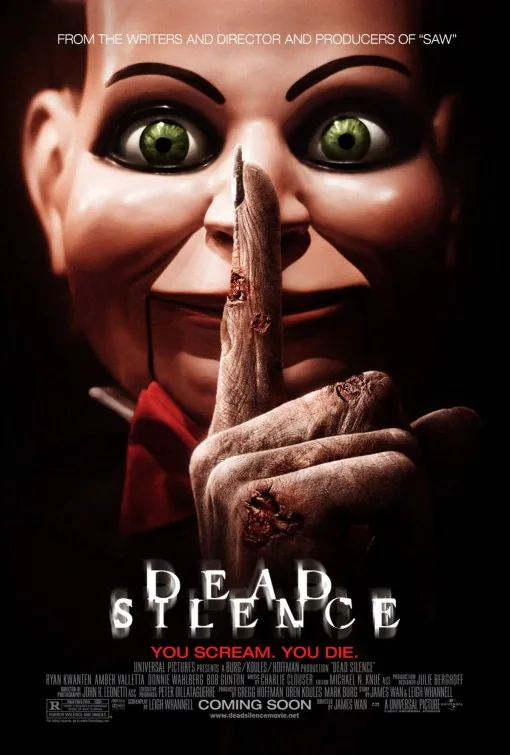
Jamie returns to his hometown after his wife’s death and begins investigating a local legend about a ventriloquist and the dolls associated with her. The inquiry connects family history, uncanny performances and a threat that seems to follow him home. The horror film builds dread through the contrast between silent figures and sudden violence, while Jamie’s search for answers makes the town’s folklore part of the present danger.
Based on recorded story, mood and style. Your preferences can change the order.
Investigation
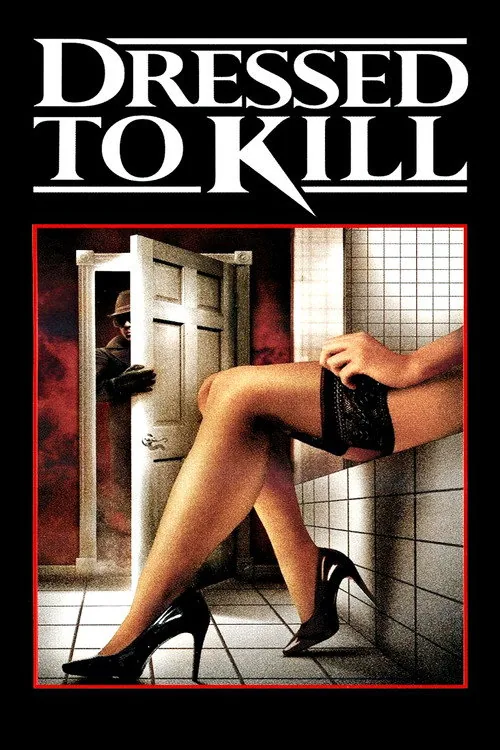
What changes The Midnight Meat Train: nocturnal investigation, escalating graphic horror and revelatory climax. Dressed to Kill: slow suspense build, set-piece murder sequence and revelation-driven finale.
New York housewife Kate Miller leaves a therapy appointment and is murdered in an elevator by a blonde woman. Her son Peter and a sex worker named Liz become entangled in the search for the killer, while police psychiatrist Dr. Robert Elliott is drawn into questions about the crime. Brian De Palma uses shifting viewpoints, elaborate camera movement, and Hitchcockian suspense to turn identity and observation into part of the mystery. The thriller's stylized violence and sexual politics reflect its period and remain central to its reception.
Based on recorded story, mood and style. Your preferences can change the order.
Investigation
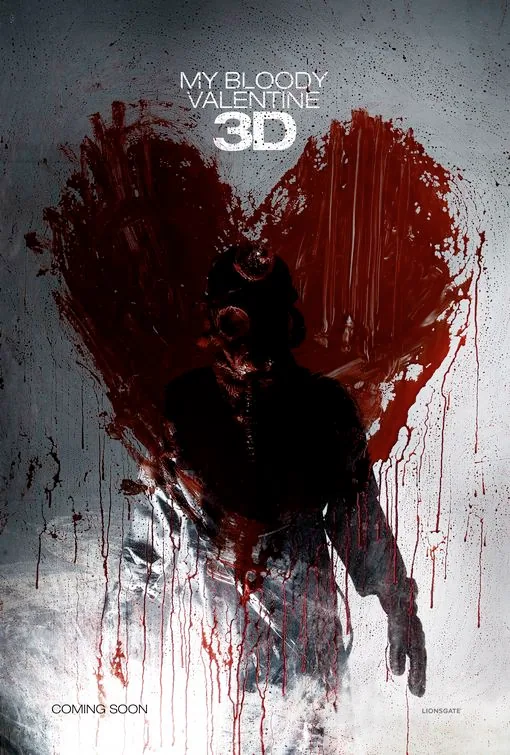
What changes The Midnight Meat Train: nocturnal investigation, escalating graphic horror and revelatory climax. My Bloody Valentine 3D: escalating and slasher-driven.
Years after a mining disaster and a violent killing spree, a masked attacker returns to the town of Harmony and begins targeting people connected to the original events. The sheriff and a former local try to identify the killer as old relationships and conflicting memories create uncertainty about who survived and what really happened. The remake leans into graphic slasher imagery and three-dimensional effects, turning the mine and town into spaces of pursuit.
Based on recorded story, mood and style. Your preferences can change the order.
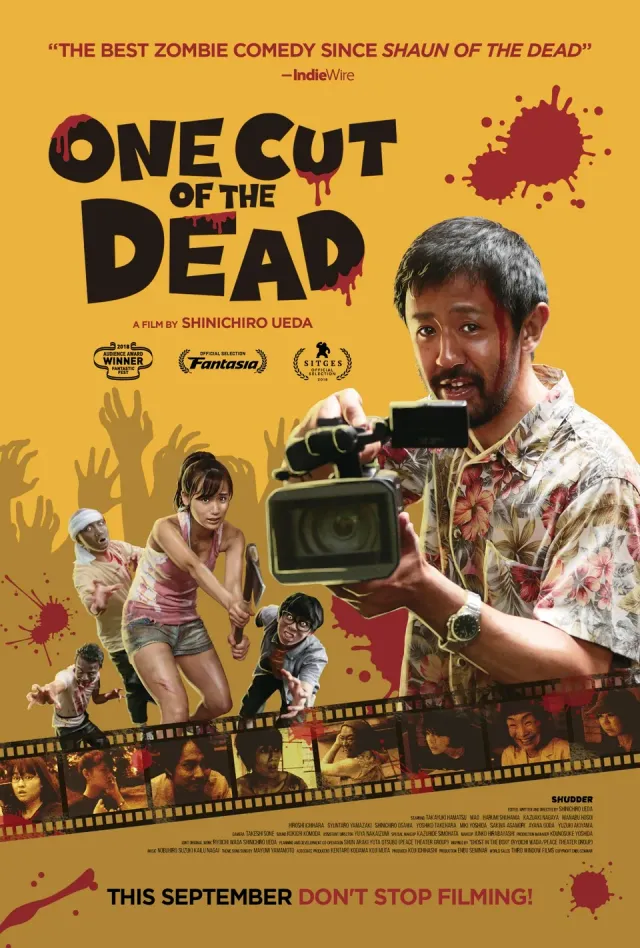
What changes The Midnight Meat Train: nocturnal investigation, escalating graphic horror and revelatory climax. One Cut of the Dead: slow-burn opening, perspective shift and comic payoff.
A small film crew shoots a zombie movie inside an abandoned water-treatment plant, where the determined director keeps the cameras rolling as strange events unfold. The story then widens beyond the apparent one-take horror scene, revealing the people, pressures, and improvised planning behind the production. This Japanese comedy-horror turns low-budget filmmaking into both its subject and its source of surprises, moving from undead chaos toward an affectionate portrait of creative teamwork.
Based on recorded story, mood and style. Your preferences can change the order.
Investigation
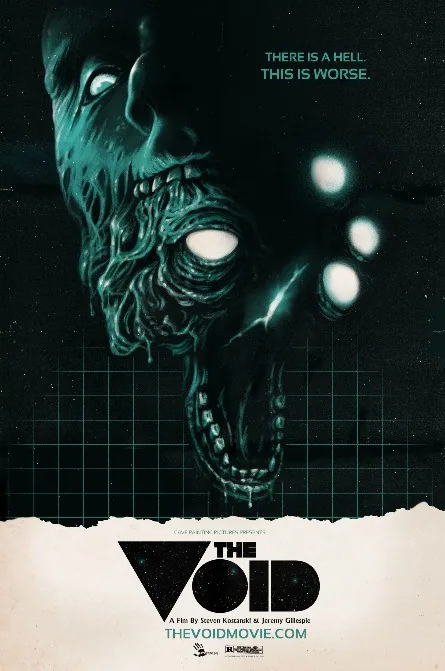
What changes The Midnight Meat Train: nocturnal investigation, escalating graphic horror and revelatory climax. The Void: crisis-driven, rapid escalation and contained siege structure.
Police officer Daniel Carter brings an injured stranger to a nearly empty hospital on the edge of town. Once inside, patients and staff find themselves surrounded by hooded figures and cut off from help. As disturbing changes spread through the hospital, Carter and the survivors try to find a way out while uncovering a cult’s connection to the place. Jeremy Gillespie and Steven Kostanski build the film around a single besieged location and increasingly grotesque body-horror imagery.
Based on recorded story, mood and style. Your preferences can change the order.
Investigation
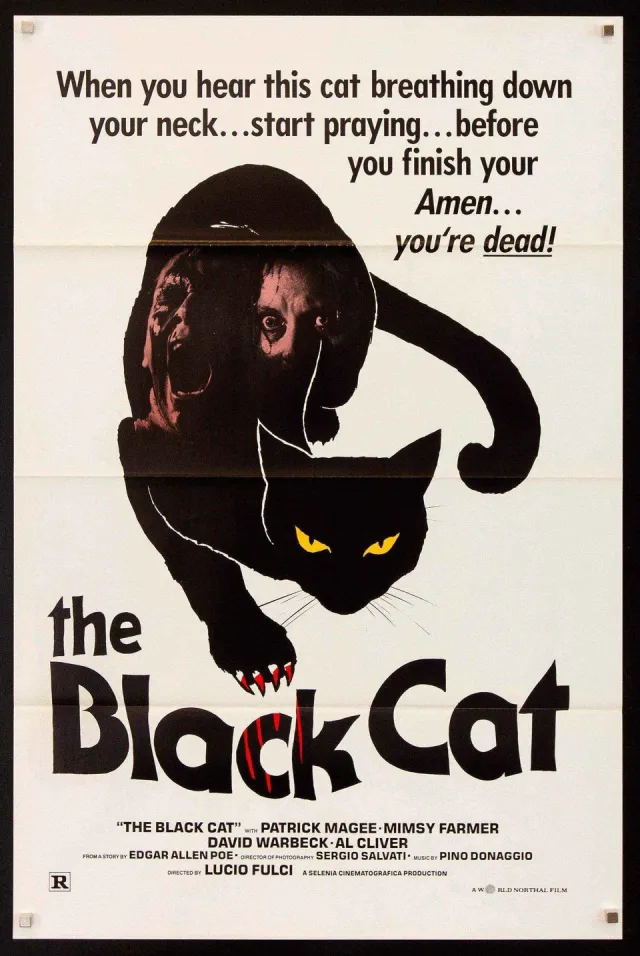
What changes The Midnight Meat Train: nocturnal investigation, escalating graphic horror and revelatory climax. The Black Cat: mystery-led, episodic attacks, atmospheric and violent resolution.
In an English village, deaths begin to follow encounters with a black cat owned by Robert Miles, a former professor who studies the supernatural and records the voices of the dead. American photographer Jill Trevers crosses paths with the animal while investigating a crypt and becomes entangled in a series of frightening incidents. Local police attempt to connect the victims, while Miles’s belief in the cat’s power makes him both a source of knowledge and a possible threat. The film shifts between detective work, occult theory, and horror as the animal’s apparent intelligence drives the mystery forward.
Based on recorded story, mood and style. Your preferences can change the order.
Investigation
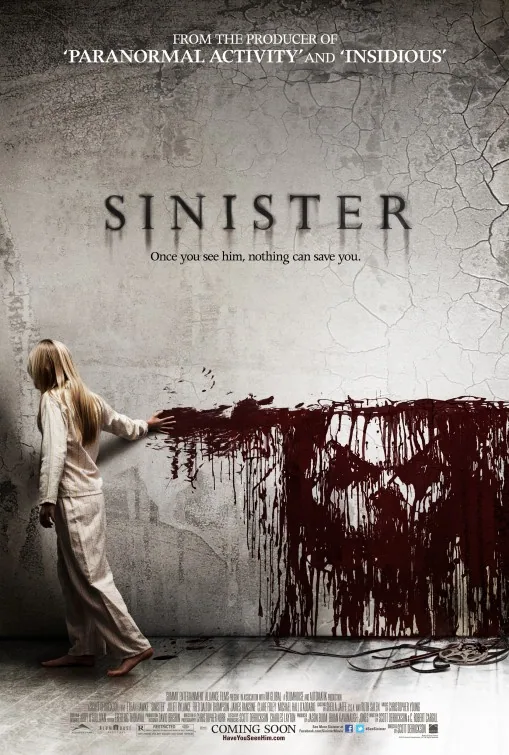
What changes The Midnight Meat Train: nocturnal investigation, escalating graphic horror and revelatory climax. Sinister: slow-building and investigation-led.
A true-crime writer moves his family into a house connected to an unsolved murder, concealing the reason from his wife. The discovery of disturbing home movies offers material that might revive his career, but his investigation begins to suggest a pattern reaching beyond ordinary crime. Professional ambition keeps him close to evidence that threatens the household, making the urge to watch and interpret part of the danger itself.
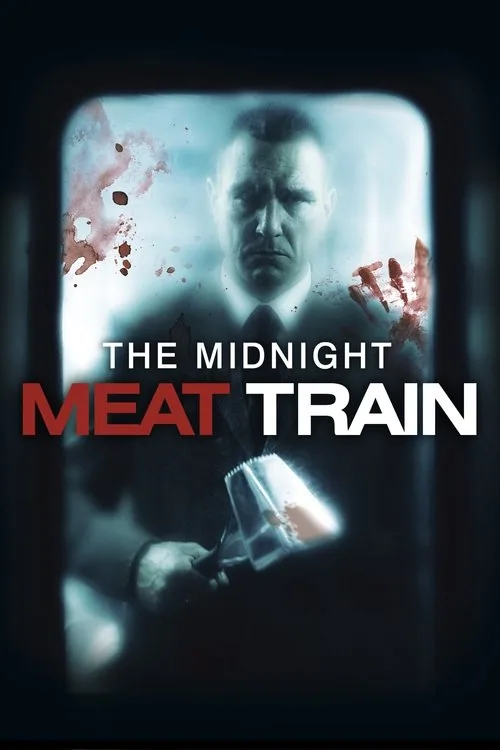
Struggling New York photographer Leon Kaufman is urged by a gallery owner to capture the city’s hidden brutality in his work. His search for unsettling images leads him to follow a quiet commuter named Mahogany, who boards late-night trains and appears connected to a string of disappearances. As Leon pursues the mystery through the subway system, he discovers a gruesome pattern beneath the city. Ryuhei Kitamura’s horror film adapts a Clive Barker story and contains graphic violence and body horror.
What drives the story
Leon’s effort to photograph a darker New York leads him to track a commuter connected to missing passengers and violent events.
The people at its centre
The photographer’s ambition strains his relationship with Maya, while his pursuit brings him into the orbit of a silent killer.
What it feels like
The film turns underground transit into a brutal horror setting, with graphic gore, escalating mystery, and a shift toward the fantastic.
Worth knowing
It uses urban photography as a route into Clive Barker-inspired supernatural horror, rather than a realistic serial-killer investigation.
Artistic ambition and obsessionUrban violenceCuriosity and cost