Explore films connected to The Tenant through identity and social conformity, alienation in urban life, paranoia and self-erasure. Choose the qualities you want to carry into your next watch.
What should feel similar?
Find your next favourite
9 films · Closest overall matches
Hide films you’ve seen or don’t want. Saved on this device.
No matches for this combination yet.
Try another option or reset your choices to see more films.
Based on recorded story, mood and style. Your preferences can change the order.
Constructed reality
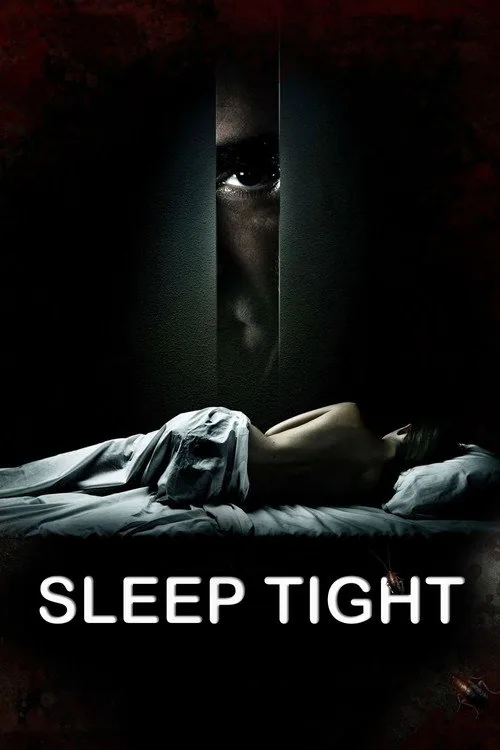
What changes The Tenant: quiet arrival and observation, rules and suspicion accumulate and psychological breakdown and repetition. Sleep Tight: daily routine introduces césar's access, secret actions increase risk and obsession and discovery threatens his control.
César works as a concierge in a Barcelona apartment building and believes he cannot be happy. He secretly uses his access to manipulate tenants and focuses his attention on Clara, whose cheerfulness resists his attempts to unsettle her. César's hidden routine becomes more dangerous when Clara's boyfriend visits and a young resident begins to notice clues. The psychological thriller turns familiar apartment rituals into a private contest of control, observation, and violation.
Based on recorded story, mood and style. Your preferences can change the order.
Memory and identity · Constructed reality
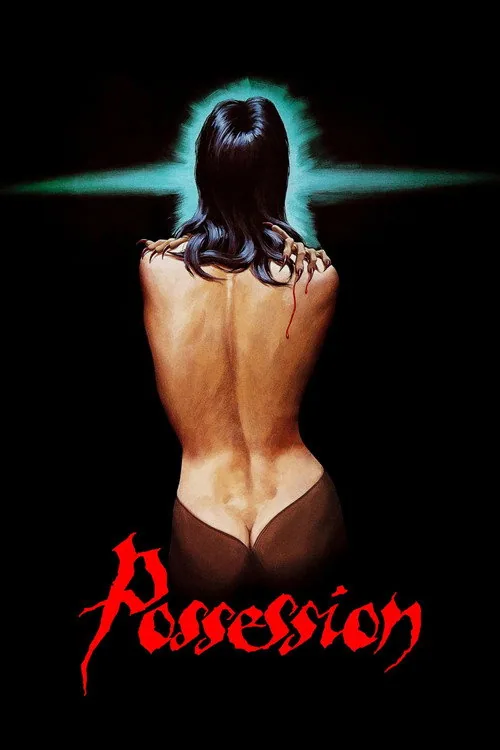
What changes The Tenant: quiet arrival and observation, rules and suspicion accumulate and psychological breakdown and repetition. Possession: volatile confrontations, psychological disorientation and surreal escalation.
When spy Mark returns to West Berlin, his wife Anna says she wants to leave him, and their separation turns into a violent unraveling of family life. Mark tries to care for their young son while tracking Anna's movements and encountering people who seem to mirror her. What begins as a marital breakdown becomes an increasingly grotesque psychological and supernatural ordeal. Andrzej Żuławski's intense drama uses fractured behavior and a divided city to make private collapse feel apocalyptic.
Based on recorded story, mood and style. Your preferences can change the order.
Memory and identity · Constructed reality
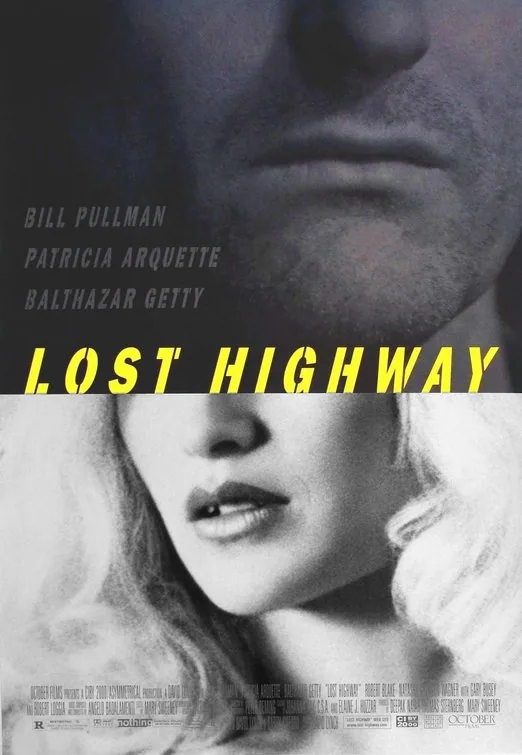
What changes The Tenant: quiet arrival and observation, rules and suspicion accumulate and psychological breakdown and repetition. Lost Highway: nonlinear and circular.
Jazz musician Fred Madison begins receiving videotapes that show the outside of his house and then its interior, turning domestic privacy into a threat. After his arrest for murder, the story fractures into an impossible identity change and a second life lived by Pete Dayton, whose affair with Alice repeats patterns of desire, surveillance and control. A mysterious man crosses the film’s worlds as if recording and directing them, but no stable explanation resolves how the two identities relate. David Lynch’s noir is built from circular return, abrupt shifts and oppressive sound rather than a puzzle with one confirmed diagnosis. Its dreamlike form can hold several readings, yet ambiguity should not dissolve the violence against women into abstract style or make the men’s self-deceptions morally weightless.
Based on recorded story, mood and style. Your preferences can change the order.
Constructed reality
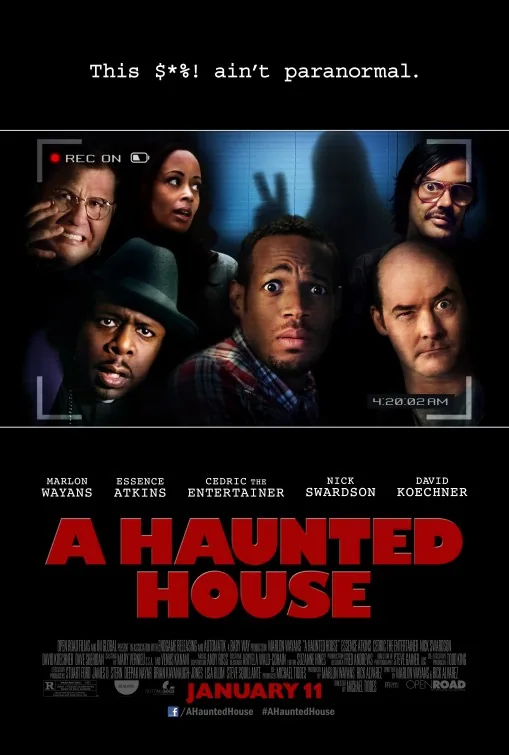
What changes The Tenant: quiet arrival and observation, rules and suspicion accumulate and psychological breakdown and repetition. A Haunted House: sketch-like escalation with recurring scare gags.
A young couple move into a new home and record increasingly strange events, only to find their attempts at investigation tangled in a parody of possession and found-footage horror conventions. Their relationship, roommates and neighbors become part of the escalating chaos. The comedy is intentionally crude, using familiar supernatural scares as setups for sexual jokes, slapstick and genre spoofing.
Based on recorded story, mood and style. Your preferences can change the order.
Memory and identity
What changes The Tenant: quiet arrival and observation, rules and suspicion accumulate and psychological breakdown and repetition. Inland Empire: elliptical and long-form and disorienting.
Actress Nikki Grace accepts a role in a film production that is said to be cursed, and the boundaries between her performance, private life, and the story she is acting out begin to dissolve. Scenes move through Hollywood rooms, shadowy corridors, and disjointed encounters without settling into one stable account of events. David Lynch’s experimental psychological film uses digital video, repetition, and dream logic to make identity and narrative feel unstable. Its three-hour form invites sensory immersion and interpretation rather than a single, easily summarized solution.
Based on recorded story, mood and style. Your preferences can change the order.
What changes The Tenant: quiet arrival and observation, rules and suspicion accumulate and psychological breakdown and repetition. Watcher: slow-burn suspense, repeated visual observation and sharp climactic escalation.
Julia moves with her husband Francis to Bucharest and struggles with isolation in a city where she does not speak the language. From her apartment window she becomes convinced that a neighboring man is watching her, just as a serial killer targets women across the city. When people around her dismiss her fear, Julia begins tracking the figure herself, and the film turns an ordinary field of view into a tense study of doubt, surveillance, and a woman's insistence on being believed.
Based on recorded story, mood and style. Your preferences can change the order.
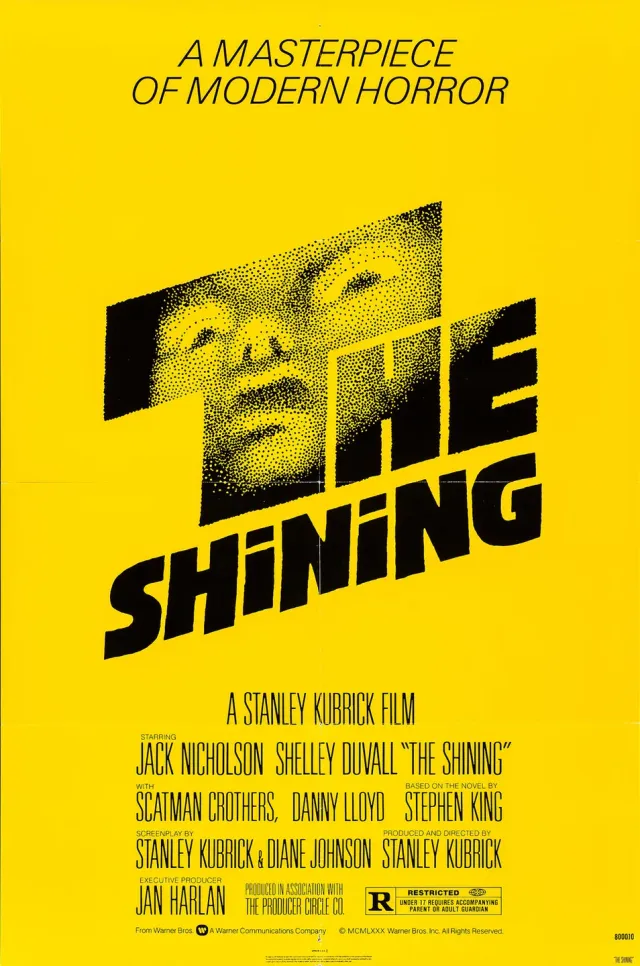
What changes The Tenant: quiet arrival and observation, rules and suspicion accumulate and psychological breakdown and repetition. The Shining: slow burn.
A writer accepts a winter caretaker's position at a remote hotel, bringing his wife and young son into an isolation he expects to make productive. The boy's disturbing perceptions and the building's violent history complicate that plan as the father's frustration becomes more threatening. Enormous empty spaces offer little privacy or safety, turning a promised family retreat into a struggle against both intimate violence and an influence that resists clear explanation.
Based on recorded story, mood and style. Your preferences can change the order.
Memory and identity
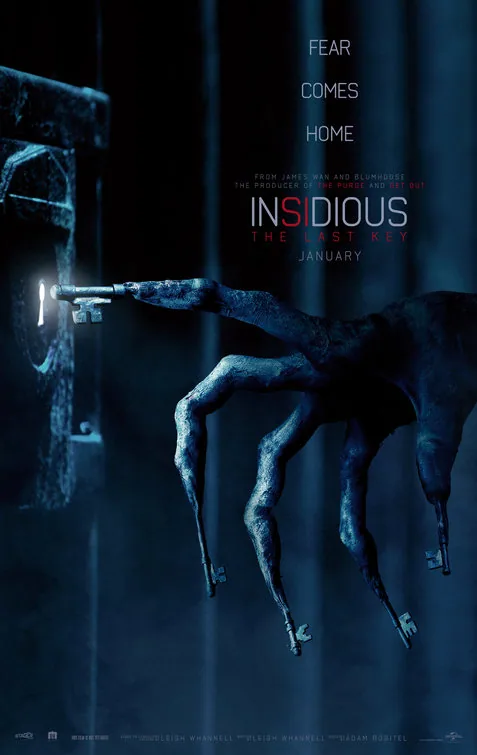
What changes The Tenant: quiet arrival and observation, rules and suspicion accumulate and psychological breakdown and repetition. Insidious: The Last Key: mystery-led and escalating.
Parapsychologist Elise Rainier receives a call about strange events in the house where she spent a frightened childhood. Returning with her colleagues forces her to face not only a supernatural presence but also the family history that shaped her ability to sense it. The investigation links ghostly danger with personal memory, making the haunted house a place where old harm must finally be confronted.
Based on recorded story, mood and style. Your preferences can change the order.
What changes The Tenant: quiet arrival and observation, rules and suspicion accumulate and psychological breakdown and repetition. Sinister: slow-building and investigation-led.
A true-crime writer moves his family into a house connected to an unsolved murder, concealing the reason from his wife. The discovery of disturbing home movies offers material that might revive his career, but his investigation begins to suggest a pattern reaching beyond ordinary crime. Professional ambition keeps him close to evidence that threatens the household, making the urge to watch and interpret part of the danger itself.
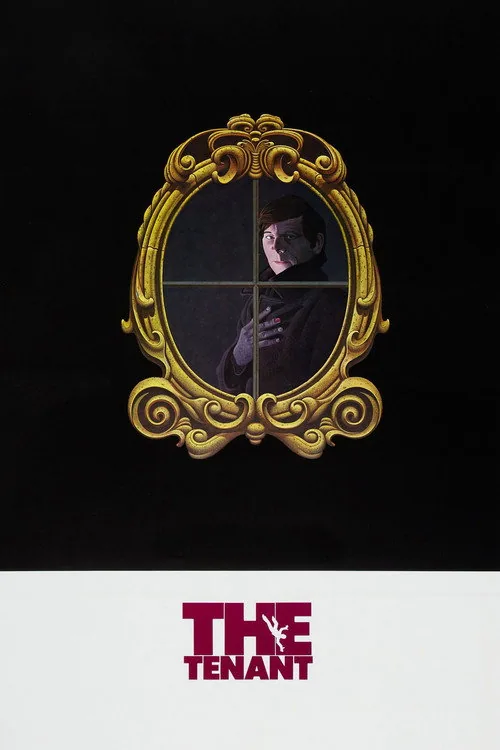
Trelkovsky rents a Paris apartment after its previous tenant attempts suicide by jumping from a window. He becomes involved with the woman's friend and tries to satisfy an increasingly demanding landlord and building residents, but their rules make ordinary behavior feel threatening. As he investigates the absent tenant and notices the neighbors' scrutiny, he grows convinced that they intend to erase his identity and make him repeat her fate. The psychological horror turns apartment life into a maze of social pressure, suspicion, and unstable self-perception.
What drives the story
Trelkovsky tries to adapt to a new apartment while investigating its previous tenant and interpreting neighbor complaints as part of a larger plot.
The people at its centre
His reserved manner makes it difficult to challenge the residents directly, while loneliness and fixation weaken his trust in his own perspective.
What it feels like
A slow psychological horror transforms small domestic rules, glances, and sounds into an atmosphere of mounting persecution.
Worth knowing
The film's horror grows from a renter's fear that neighbors are reshaping his identity, keeping the threat tied to an apartment community.
identity and social conformityalienation in urban lifeparanoia and self-erasure
Mood
claustrophobic · uneasy · surreal
Pacing
quiet arrival and observation · rules and suspicion accumulate · psychological breakdown and repetition
Visual style
oppressive Paris apartment interiors · repeated window imagery · distorted point of view and dreamlike episodes
Storytelling
tenant occupies apartment after attempted suicide · neighbors police ordinary behavior · identity shifts through imagined conspiracy