Based on recorded story, mood and style. Your preferences can change the order.
Constructed reality
What changes Videodrome: a search for the source of a forbidden program makes its signal part of max’s changing reality.. Unfriended: real-time feeling, reveal-driven and escalating.
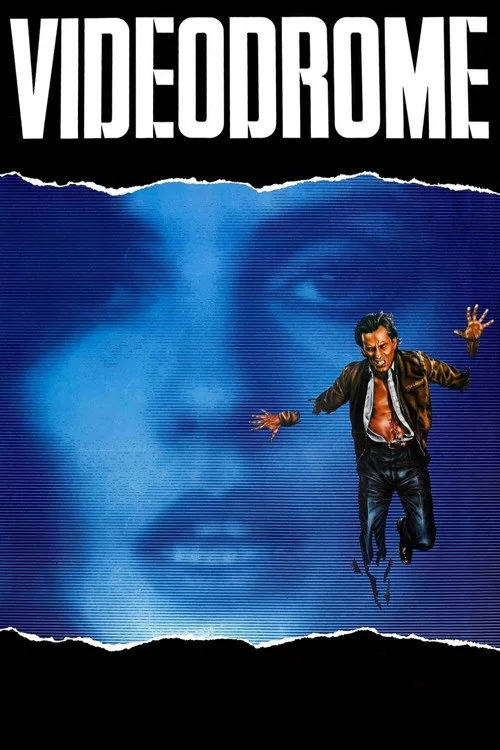
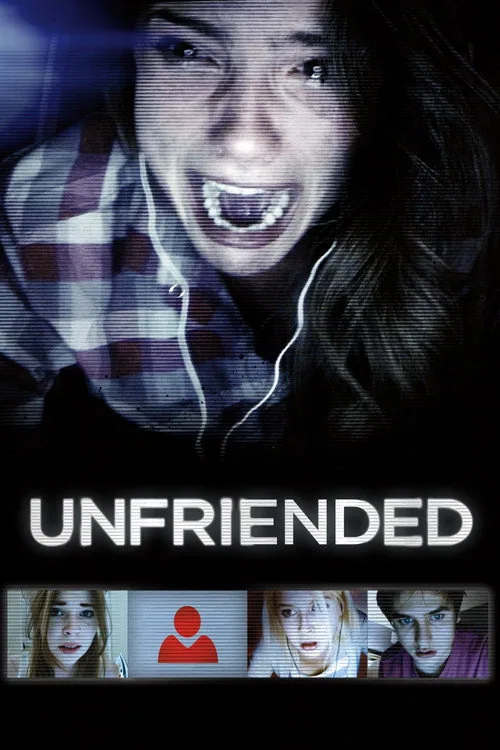
A group of high-school friends hold a video chat when an unknown account joins under the name of Laura Barns, a former classmate who died by suicide after a humiliating video spread online. As messages and private recordings appear, the friends’ past actions are exposed and the session turns into a supernatural threat. The film keeps its action within a computer desktop, using calls, chats, and files to reveal the group’s secrets. Levan Gabriadze’s horror film turns digital communication into a confined slasher setting.
Based on recorded story, mood and style. Your preferences can change the order.
Constructed reality
What changes Videodrome: a search for the source of a forbidden program makes its signal part of max’s changing reality.. The Final Girls: meta setup, slasher-rule variations and emotional horror-comedy climax.
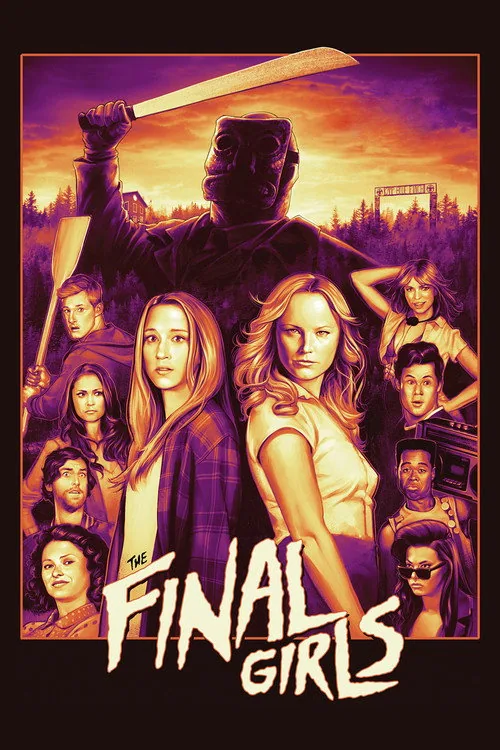
Years after her actress mother dies, Max attends a screening of the cult slasher film that made her mother famous. A fire drives Max and her friends through the movie screen, where they find themselves inside the 1980s horror film Camp Bloodbath. They must follow and disrupt the slasher's familiar rules while trying to protect the fictional characters, including the young woman played by Max's mother. The comedy-horror uses its meta premise to explore grief, genre conventions, and the desire for one more conversation.
Both share body transformation, plus themes of control.
Why this matches +
Genres: Horror / Science fiction
Shared film traits
Based on recorded story, mood and style. Your preferences can change the order.
What changes Videodrome: a search for the source of a forbidden program makes its signal part of max’s changing reality.. The Fly II: gradual transformation into horror.
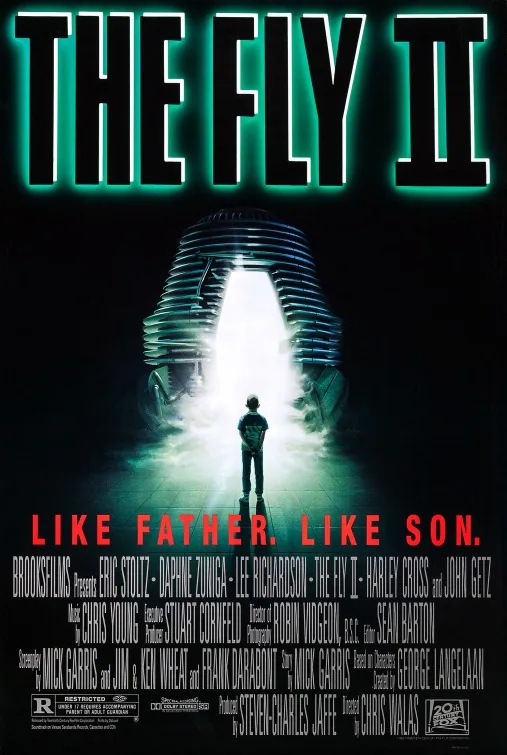
Martin Brundle, the son of a scientist changed by a failed teleportation experiment, grows up under observation at the company that raised him. As his own body begins to change, he discovers that the research meant to help him is also a means of control. The sequel turns inheritance into body horror, linking scientific ambition with institutional captivity and the fear of losing one's human identity.
Based on recorded story, mood and style. Your preferences can change the order.
Constructed reality
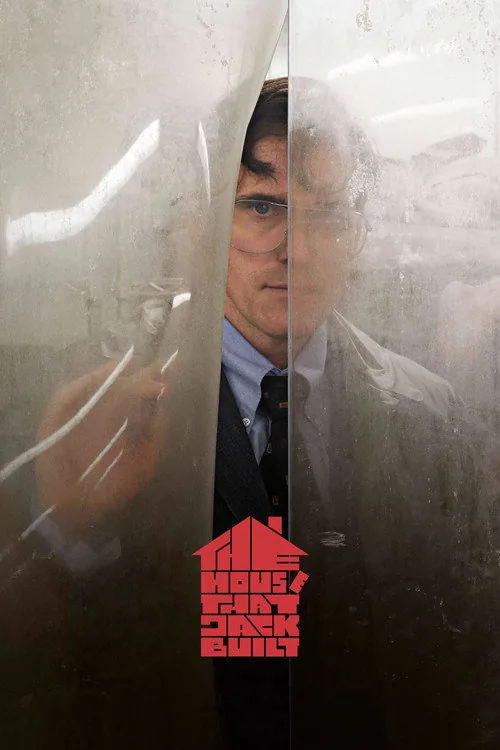
What changes Videodrome: a search for the source of a forbidden program makes its signal part of max’s changing reality.. The House That Jack Built: jack’s account of his crimes becomes an argument with the figure guiding him toward judgment..
Serial killer Jack recounts a series of murders to a companion he calls Verge, presenting each killing as one of several formative “incidents.” His efforts to hide evidence become increasingly elaborate and sometimes grotesque, while he tries to build a house from the bodies he has collected. Lars von Trier’s psychological horror film shifts between crime episodes, art-history arguments, and a final journey through a vision of Hell. It is formally self-conscious and deliberately provocative, framing Jack’s explanations as unreliable and morally repellent rather than asking viewers to admire his crimes.
Both share themes of desire, plus a grotesque atmosphere.
Why this matches +
Genres: Horror / Fantasy
Shared film traits
Based on recorded story, mood and style. Your preferences can change the order.
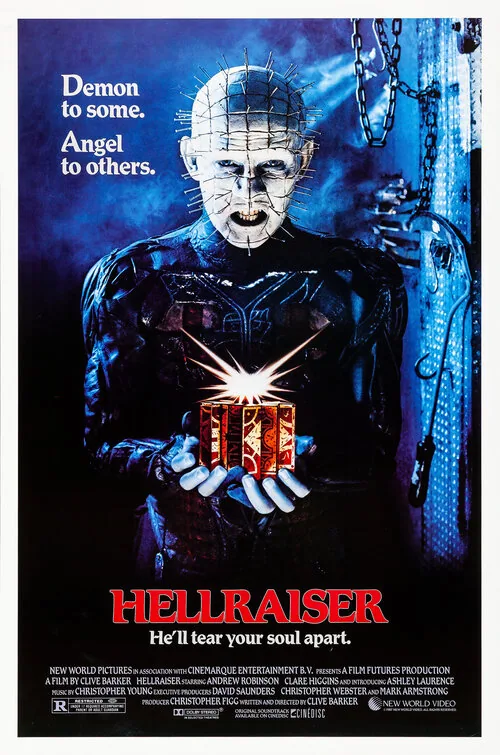
What changes Videodrome: a search for the source of a forbidden program makes its signal part of max’s changing reality.. Hellraiser: measured and escalating.
A man's pursuit of extreme sensation opens a puzzle box and destroys his body, but blood spilled in his former home permits an incomplete return. A woman who once desired him brings victims to restore him, turning domestic secrecy into a system of bodily exploitation. His niece discovers the arrangement and must negotiate with the entities he escaped. The horror links appetite to complicity, making the supernatural bargain a continuation of violence already being committed within an apparently ordinary family home.
Based on recorded story, mood and style. Your preferences can change the order.
Constructed reality
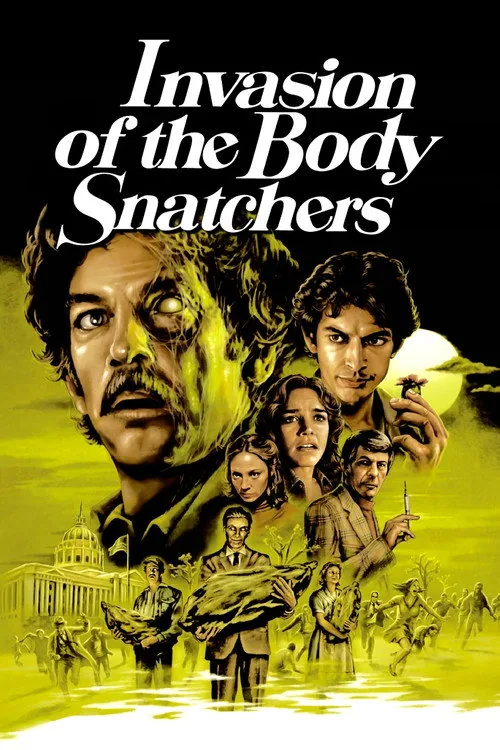
What changes Videodrome: a search for the source of a forbidden program makes its signal part of max’s changing reality.. Invasion of the Body Snatchers: gradual discovery, escalating pursuit and dread-filled.
In San Francisco, health inspector Matthew Bennell and colleague Elizabeth Driscoll notice people behaving strangely after unusual plant growth appears across the city. Their suspicions deepen when they discover that silent alien duplicates are replacing humans while the originals sleep. With help from friends Jack and Nancy, they try to alert authorities and stay awake long enough to escape. Philip Kaufman’s remake transforms Jack Finney’s premise into psychological science-fiction horror about conformity, emotional detachment, and public indifference, using recognizable city life to make the invasion feel close at hand.
Based on recorded story, mood and style. Your preferences can change the order.
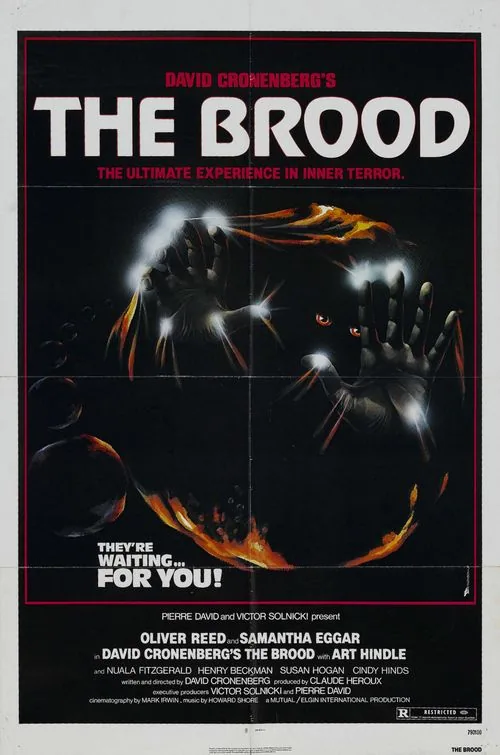
What changes Videodrome: a search for the source of a forbidden program makes its signal part of max’s changing reality.. The Brood: gradually intensifying, investigative, confrontational and harrowing.
Frank Carveth is fighting for custody of his young daughter Candice while his estranged wife Nola undergoes an experimental therapy called psychoplasmics. Its inventor, Dr. Hal Raglan, believes repressed emotion can take physical form, and his intense sessions reveal the abuse and neglect that shaped Nola’s childhood. When people close to the family are attacked by small, strangely formed figures, Frank suspects the treatment is tied to the violence. His attempt to protect Candice draws him deeper into Raglan’s clinic and Nola’s private history, where family trauma becomes a physical threat.
Based on recorded story, mood and style. Your preferences can change the order.
What changes Videodrome: a search for the source of a forbidden program makes its signal part of max’s changing reality.. Species: pursuit-driven, escalating and creature-feature suspense.
Scientists receive an extraterrestrial message containing genetic information and create Sil, a human-alien hybrid who matures rapidly. When she escapes from confinement, a government team tracks her across Los Angeles, fearing that she may reproduce and threaten humanity. Sil’s intelligence and changing appearance complicate the pursuit as investigators disagree about how to understand her. Roger Donaldson’s science-fiction horror film combines a creature chase with anxieties about genetic experimentation, desire, and the creation of life beyond human control.
Based on recorded story, mood and style. Your preferences can change the order.
Constructed reality
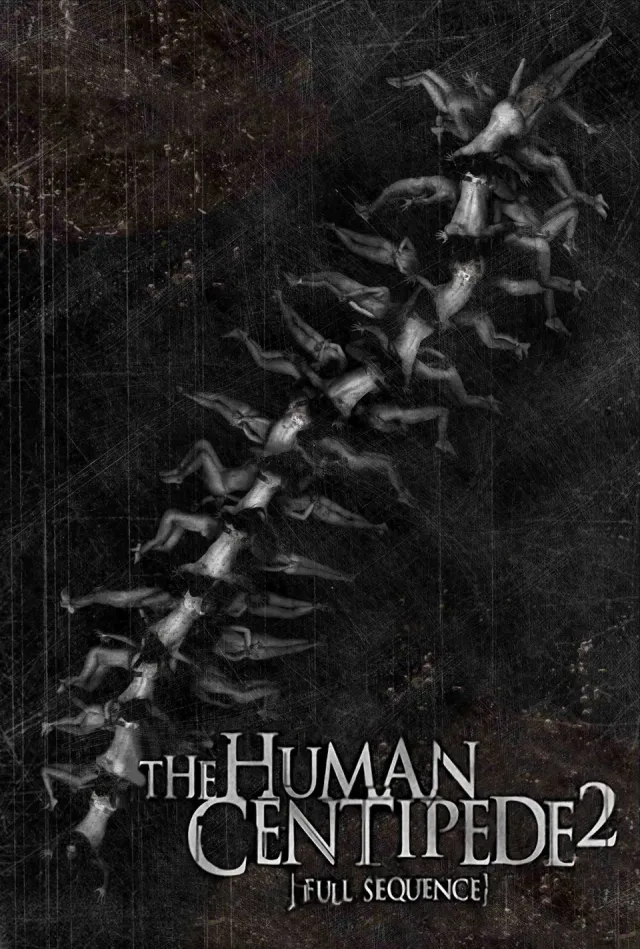
What changes Videodrome: a search for the source of a forbidden program makes its signal part of max’s changing reality.. The Human Centipede 2: deliberate, escalating and shock-driven.
Martin works alone in a London parking garage and spends his free time obsessing over The Human Centipede, the film he watches repeatedly on his laptop. Living in isolation and under pressure from his mother and psychiatrist, he becomes fixated on recreating the premise with people he has encountered. Tom Six’s sequel turns a viewer’s disturbing identification with a fictional story into the source of a grim, self-aware horror narrative.
Max Renn, the head of a Toronto television station seeking more provocative programming, discovers a broadcast of apparent torture called Videodrome. The signal begins to affect his perception and body, while media theorist Nicki Brand and obscure operator Brian O’Blivion draw him toward an experiment involving hallucination and control. David Cronenberg’s science-fiction horror film turns television into a force that can alter both minds and flesh, leaving Max unsure which experiences are transmissions, conspiracies, or physical reality.
What drives the story
Max investigates a pirate signal and becomes entangled in the technology and ideology behind it.
The people at its centre
Max’s ambition and curiosity expose him to competing figures who treat media as either a tool or a new reality.
What it feels like
The film includes disturbing body horror, sexual imagery, and graphic violence.
Worth knowing
Its speculative threat comes from broadcast technology and perception, not a conventional alien invasion.
MediaDesireControl
Mood
Hallucinatory · Grotesque · Paranoid
Pacing
A search for the source of a forbidden program makes its signal part of Max’s changing reality.
Visual style
Analog video distortion · Practical body horror · Grainy urban imagery
Storytelling
Pirate broadcast · Body transformation · Media conspiracy