Explore films connected to The Final Girls through grief and memory, mother-daughter connection, horror conventions. Choose the qualities you want to carry into your next watch.
What should feel similar?
Find your next favourite
9 films · Closest overall matches
Hide films you’ve seen or don’t want. Saved on this device.
No matches for this combination yet.
Try another option or reset your choices to see more films.
Based on recorded story, mood and style. Your preferences can change the order.
Memory and identity
What changes The Final Girls: meta setup, slasher-rule variations and emotional horror-comedy climax. Wes Craven's New Nightmare: gradual reality slippage and nightmare-driven escalation.
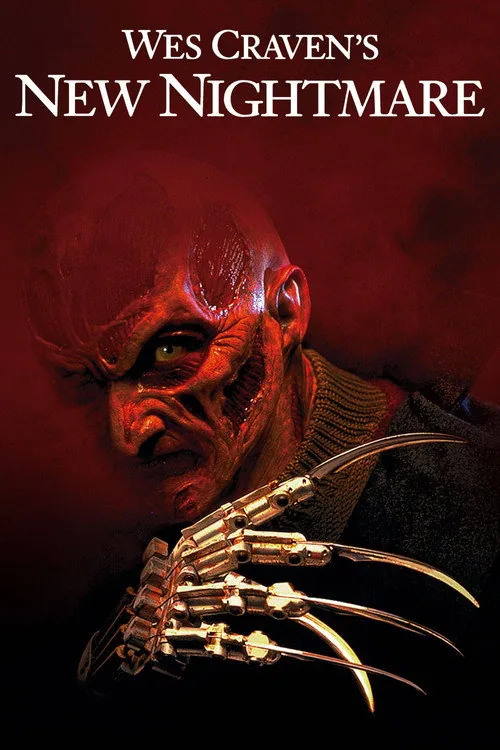
Heather Langenkamp, playing a version of herself, begins experiencing frightening events as Wes Craven develops a new Nightmare on Elm Street film. The lines between a movie production, an actor’s family life, and the fictional Freddy Krueger start to blur, making the horror story comment on the franchise that created it. Craven’s meta-sequel brings back cast and crew from the original film while turning the familiar slasher figure into a threat that seems to cross into the performers’ world. It works both as a nightmare narrative and a reflection on horror storytelling.
Based on recorded story, mood and style. Your preferences can change the order.
Constructed reality
What changes The Final Girls: meta setup, slasher-rule variations and emotional horror-comedy climax. Videodrome: a search for the source of a forbidden program makes its signal part of max’s changing reality..
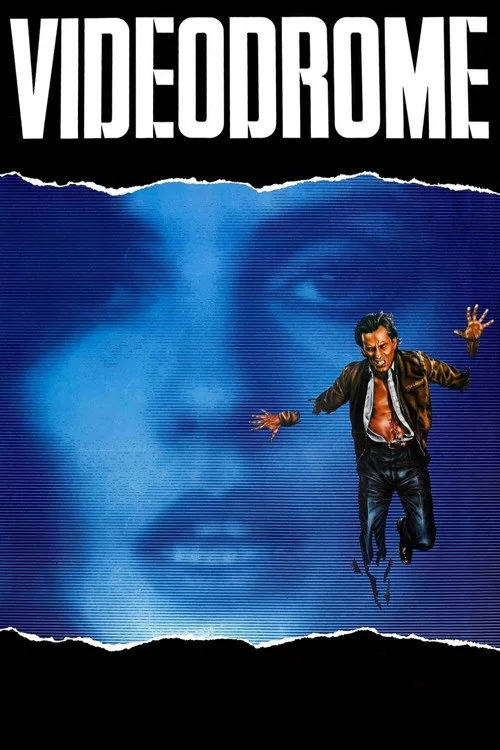
Max Renn, the head of a Toronto television station seeking more provocative programming, discovers a broadcast of apparent torture called Videodrome. The signal begins to affect his perception and body, while media theorist Nicki Brand and obscure operator Brian O’Blivion draw him toward an experiment involving hallucination and control. David Cronenberg’s science-fiction horror film turns television into a force that can alter both minds and flesh, leaving Max unsure which experiences are transmissions, conspiracies, or physical reality.
Based on recorded story, mood and style. Your preferences can change the order.
Constructed reality · Memory and identity
What changes The Final Girls: meta setup, slasher-rule variations and emotional horror-comedy climax. Happy Death Day 2U: repeated-day structure supports variations and escalating reveals.
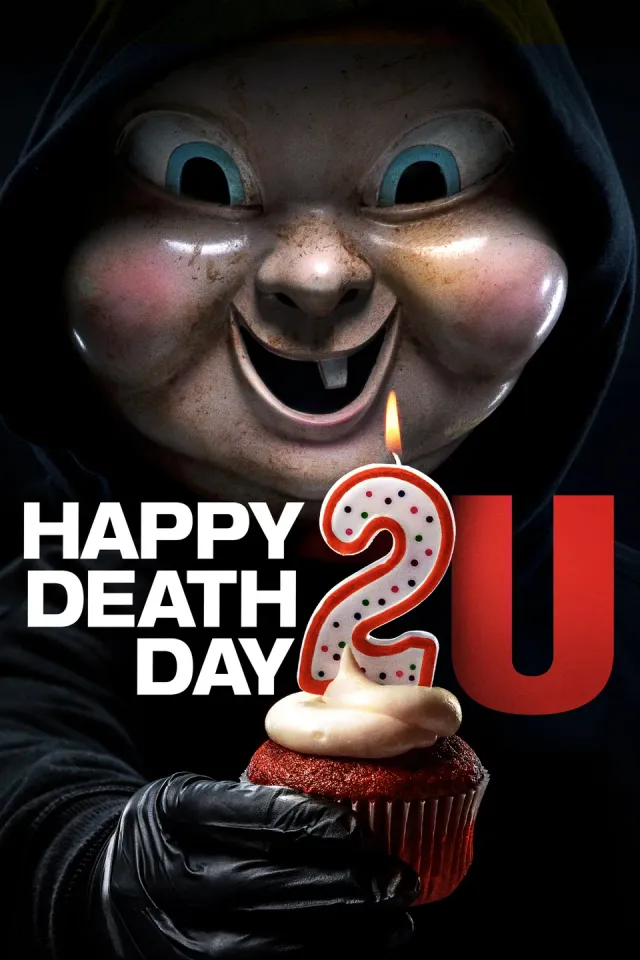
After surviving the events of the first film, Tree Gelbman is pulled back into a repeating day when a student experiment opens a new temporal loop. The recurrence reveals changes in the people around her and forces Tree to confront a painful personal choice as well as another killer. The sequel blends science-fiction mechanics with slasher comedy, expanding the premise from self-improvement into questions of grief, family and alternate outcomes.
Based on recorded story, mood and style. Your preferences can change the order.
Constructed reality
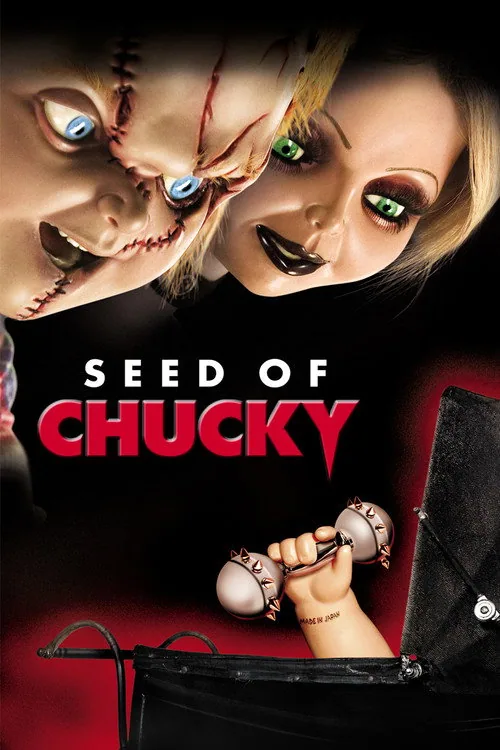
What changes The Final Girls: meta setup, slasher-rule variations and emotional horror-comedy climax. Seed of Chucky: resurrection and reunion, celebrity possession scheme and meta slasher finale.
A living doll named Glen discovers that Chucky and Tiffany have been rebuilt for a Hollywood movie and uses a voodoo amulet to bring them back to life. The child struggles with whether to follow their parents' violent legacy or choose a gentler identity. Chucky and Tiffany, meanwhile, attempt to possess actors Jennifer Tilly and Redman while trying to create a family of their own. The fifth Child's Play film turns the slasher series into a self-referential horror comedy about parenthood, performance, and the unstable boundary between character and actor.
Based on recorded story, mood and style. Your preferences can change the order.
Memory and identity
What changes The Final Girls: meta setup, slasher-rule variations and emotional horror-comedy climax. Maa: family return introduces the village, supernatural threat emerges and ambika fights to protect shweta.
After her husband dies under supernatural circumstances, Ambika brings her daughter Shweta to his hometown of Chandarpur. The village's history and a demonic presence soon threaten them, pulling Ambika into a conflict tied to local beliefs and an ancient force. She must protect her child while learning why the danger follows their family. This Hindi mythological horror film combines a mother-daughter bond with folkloric supernatural imagery, framing the battle against evil as both a rescue story and a test of a mother's courage and faith.
Based on recorded story, mood and style. Your preferences can change the order.
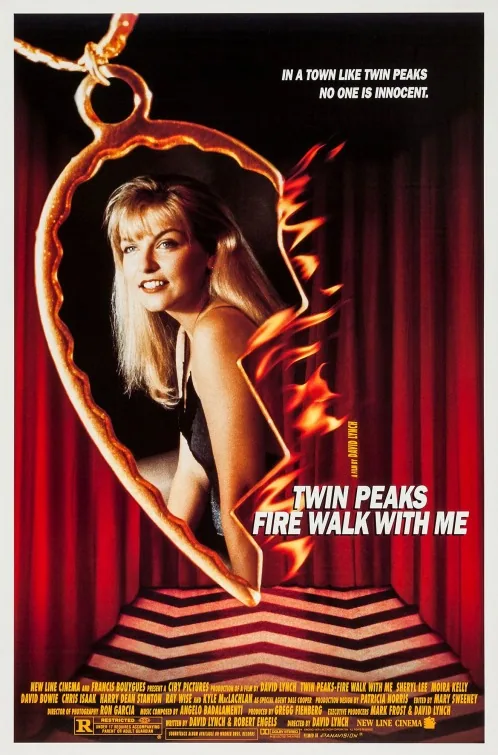
What changes The Final Girls: meta setup, slasher-rule variations and emotional horror-comedy climax. Twin Peaks: Fire Walk with Me: fractured and last-days countdown.
An FBI investigation into Teresa Banks’s murder begins the film before it turns to the final week of Laura Palmer’s life in Twin Peaks. Laura is publicly admired but privately surrounded by fear, addiction, secrecy and sexual abuse by her father, Leland. The supernatural figure BOB shapes how that abuse is represented, but does not remove Leland’s human responsibility. Sheryl Lee’s performance gives the prequel a close emotional center as Laura tries to maintain school, friendship and desire while living with violence at home. The film trades the series’ central whodunit for a painful view of the harm behind its mystery.
Based on recorded story, mood and style. Your preferences can change the order.
Memory and identity
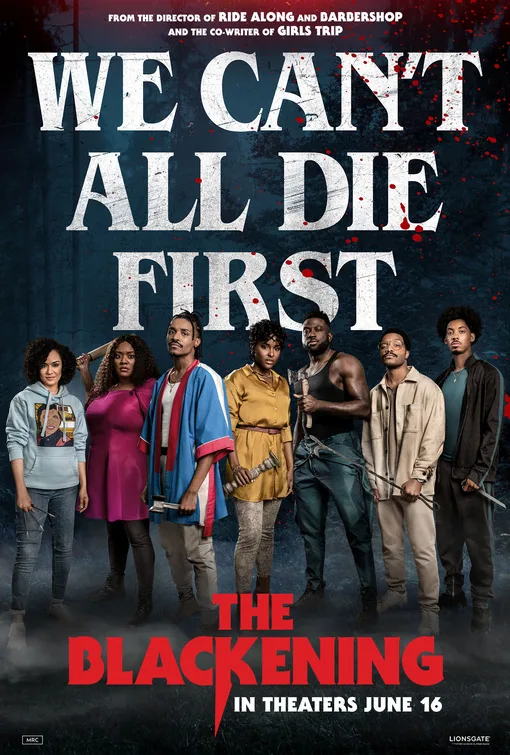
What changes The Final Girls: meta setup, slasher-rule variations and emotional horror-comedy climax. The Blackening: fast, banter-driven, slasher escalation and ensemble-focused.
A close-knit group of Black friends reunites for a Juneteenth weekend at a remote cabin, where a racist board game and a masked killer turn an old in-joke into a deadly test. The comedy-horror follows the friends as they question one another’s knowledge, loyalties and assumptions under pressure. Tim Story’s film uses the rules of the slasher genre to stage arguments about representation, friendship and who gets treated as expendable.
Based on recorded story, mood and style. Your preferences can change the order.
Memory and identity
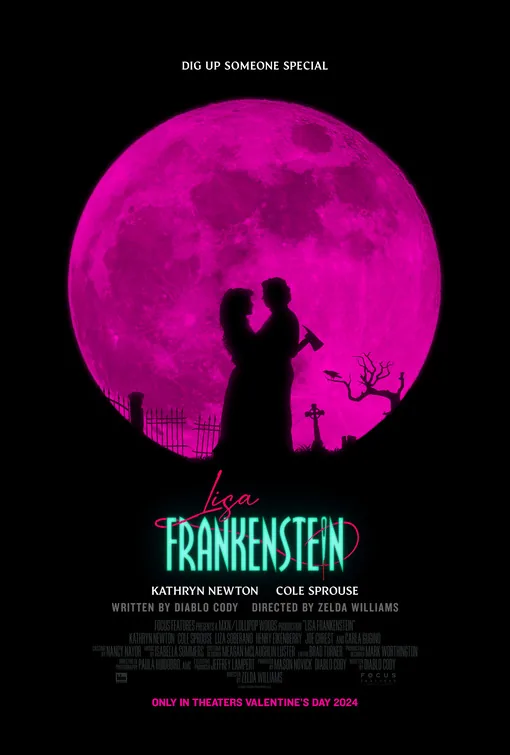
What changes The Final Girls: meta setup, slasher-rule variations and emotional horror-comedy climax. Lisa Frankenstein: a teen outsider story shifts into escalating resurrection misadventure.
In 1989, lonely teenager Lisa Swallows is still grieving her murdered mother and feels increasingly alienated from her new family. A lightning strike reanimates a corpse at a nearby cemetery, and Lisa begins a strange courtship with the creature while trying to restore him piece by piece. The horror comedy mixes teenage alienation, romance, and body horror through an affectionately lurid period style.
Based on recorded story, mood and style. Your preferences can change the order.
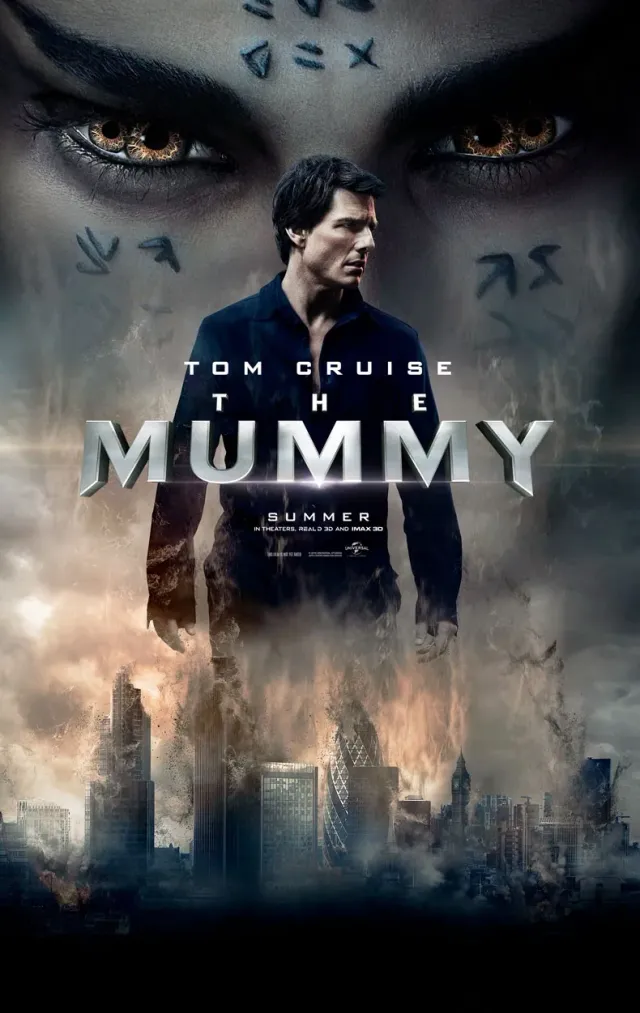
What changes The Final Girls: meta setup, slasher-rule variations and emotional horror-comedy climax. The Mummy: monster awakening and urban escalation.
Military officer Nick Morton and archaeologist Jenny Halsey uncover an ancient tomb in Iraq, where they release Princess Ahmanet from a centuries-long imprisonment. Ahmanet seeks to complete the ritual that will restore her power, while Nick becomes connected to the god Set in ways he cannot control. The pair turn to Dr. Henry Jekyll’s secret organization for help as supernatural threats spread toward London. Alex Kurtzman’s film reimagines The Mummy as a modern action-horror adventure and introduces a planned shared universe that never developed as intended.
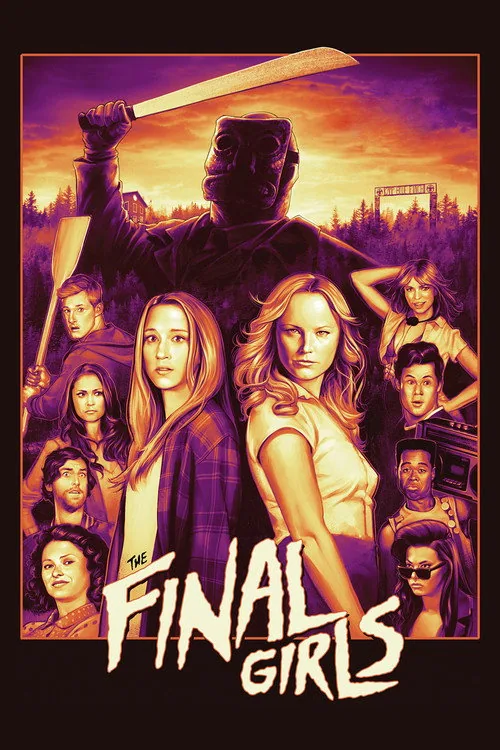
Years after her actress mother dies, Max attends a screening of the cult slasher film that made her mother famous. A fire drives Max and her friends through the movie screen, where they find themselves inside the 1980s horror film Camp Bloodbath. They must follow and disrupt the slasher's familiar rules while trying to protect the fictional characters, including the young woman played by Max's mother. The comedy-horror uses its meta premise to explore grief, genre conventions, and the desire for one more conversation.
What drives the story
A group of friends becomes trapped inside a slasher film and learns that its genre rules can be bent but not ignored.
The people at its centre
Max's attempt to protect the character played by her mother becomes a chance to process grief through an impossible reunion.
What it feels like
The film balances affectionate slasher parody, inventive visual gags, and sincere emotion about losing a parent.
Worth knowing
It turns the mechanics of a 1980s camp slasher into a fantasy setting, rather than presenting a straightforward killer story.
grief and memorymother-daughter connectionhorror conventions
Mood
playful · bittersweet · self-aware
Pacing
meta setup · slasher-rule variations · emotional horror-comedy climax
Visual style
1980s slasher color palette · screen and film-frame effects · campground and theater contrasts
Storytelling
friends enter a cult slasher film · characters try to change the movie's deaths · daughter meets a younger version of her mother