Explore films connected to Seed of Chucky through parenthood and identity, violence and choice, celebrity and performance. Choose the qualities you want to carry into your next watch.
What should feel similar?
Find your next favourite
9 films · Closest overall matches
Hide films you’ve seen or don’t want. Saved on this device.
No matches for this combination yet.
Try another option or reset your choices to see more films.
Based on recorded story, mood and style. Your preferences can change the order.
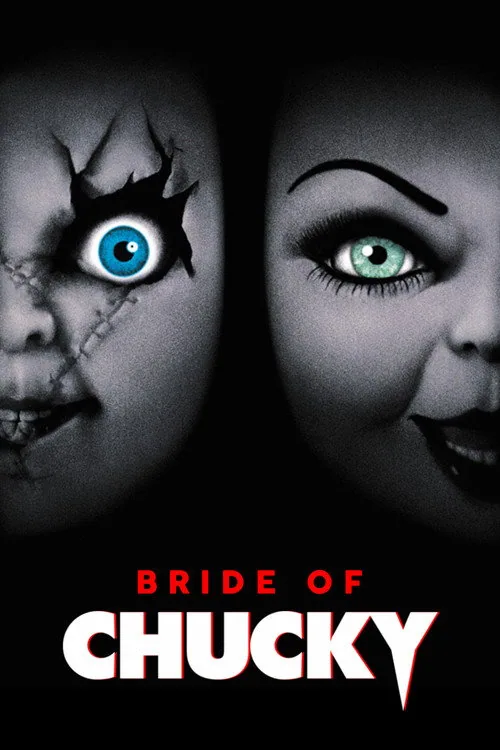
What changes Seed of Chucky: resurrection and reunion, celebrity possession scheme and meta slasher finale. Bride of Chucky: brisk and episodic chase structure.
Tiffany, Chucky’s former partner, retrieves the killer doll’s remains and uses a ritual to bring him back, hoping to reconnect with him. Their reunion quickly turns violent, and Tiffany’s own death leads to another transfer of a human soul into a doll. The pair then manipulate a young couple into helping them travel while they pursue a way to become human again. Ronny Yu’s entry in the Child’s Play series leans into self-aware slasher humor, a bickering killer partnership, and comic horror set pieces.
Based on recorded story, mood and style. Your preferences can change the order.
Constructed reality
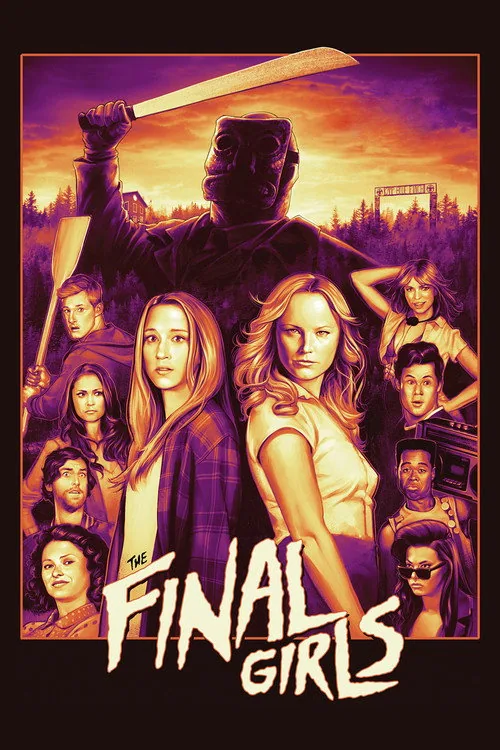
What changes Seed of Chucky: resurrection and reunion, celebrity possession scheme and meta slasher finale. The Final Girls: meta setup, slasher-rule variations and emotional horror-comedy climax.
Years after her actress mother dies, Max attends a screening of the cult slasher film that made her mother famous. A fire drives Max and her friends through the movie screen, where they find themselves inside the 1980s horror film Camp Bloodbath. They must follow and disrupt the slasher's familiar rules while trying to protect the fictional characters, including the young woman played by Max's mother. The comedy-horror uses its meta premise to explore grief, genre conventions, and the desire for one more conversation.
Based on recorded story, mood and style. Your preferences can change the order.
Constructed reality
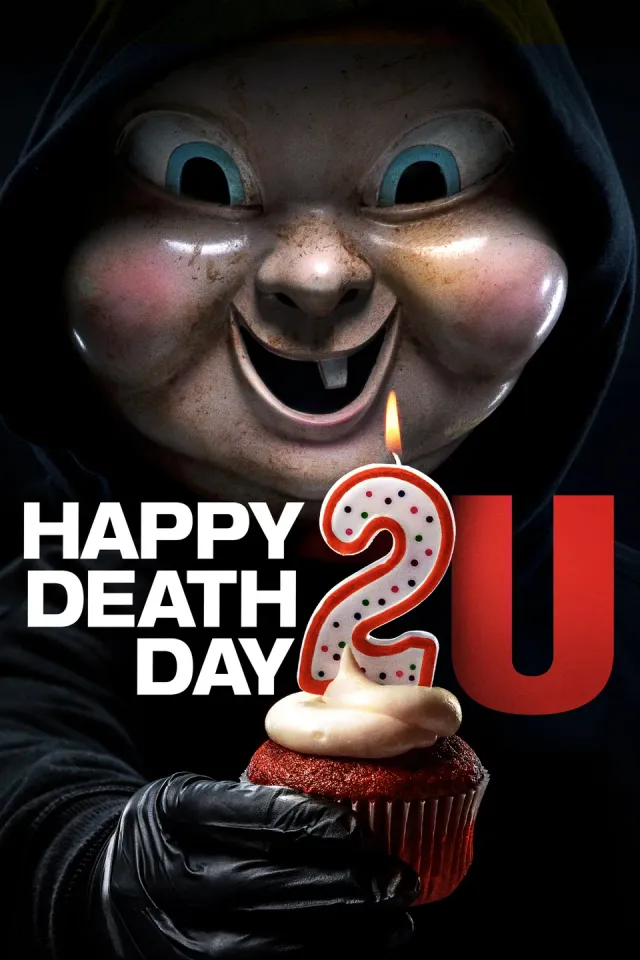
What changes Seed of Chucky: resurrection and reunion, celebrity possession scheme and meta slasher finale. Happy Death Day 2U: repeated-day structure supports variations and escalating reveals.
After surviving the events of the first film, Tree Gelbman is pulled back into a repeating day when a student experiment opens a new temporal loop. The recurrence reveals changes in the people around her and forces Tree to confront a painful personal choice as well as another killer. The sequel blends science-fiction mechanics with slasher comedy, expanding the premise from self-improvement into questions of grief, family and alternate outcomes.
Based on recorded story, mood and style. Your preferences can change the order.
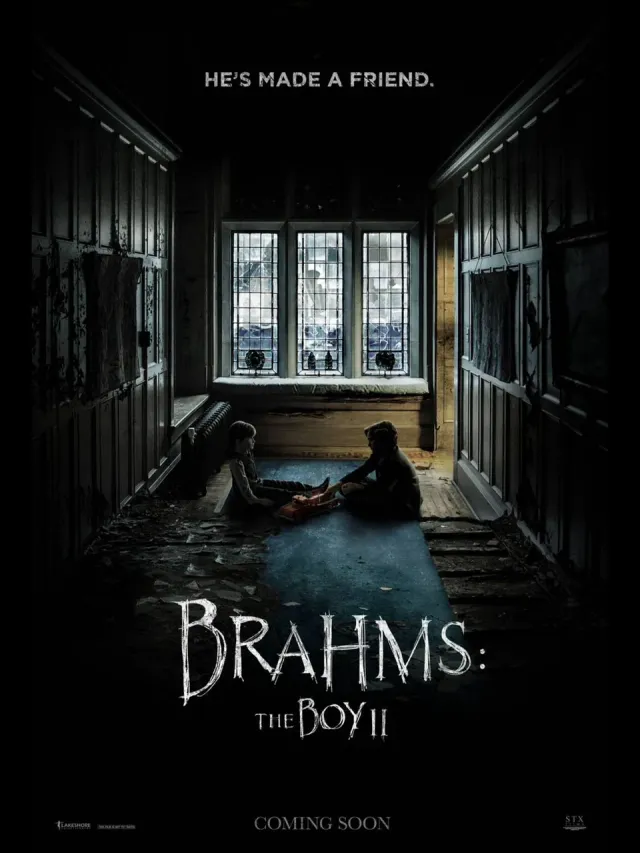
What changes Seed of Chucky: resurrection and reunion, celebrity possession scheme and meta slasher finale. Brahms: The Boy II: a family adjustment story becomes a slow supernatural threat.
After moving to an isolated English estate, a family begins to settle into a new life when their young son finds a lifelike doll buried nearby. The boy names it Brahms and forms an intense attachment, while his mother becomes concerned by the doll’s influence and the child’s changing behavior. The horror sequel returns to a haunted-object premise, linking parental protection with the uncertainty of what the doll represents.
Based on recorded story, mood and style. Your preferences can change the order.
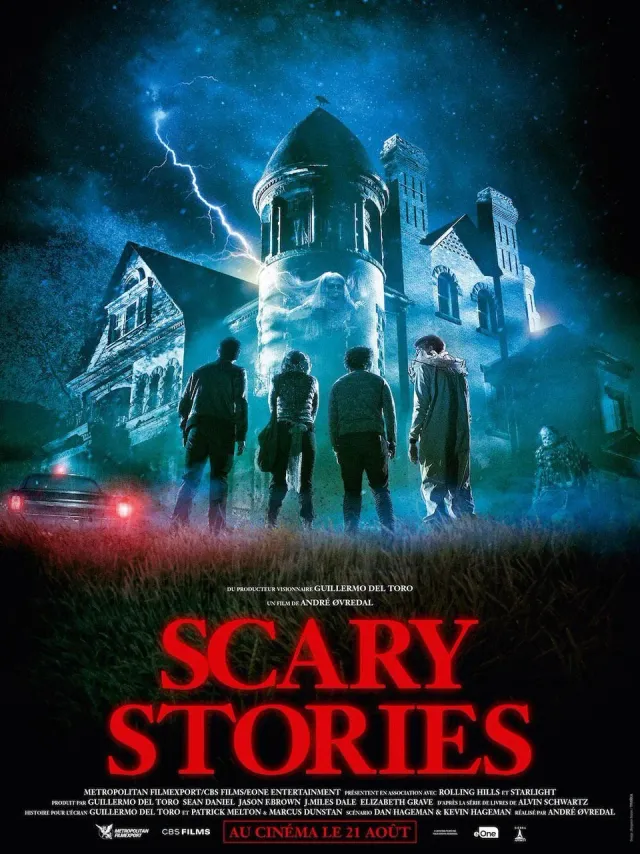
What changes Seed of Chucky: resurrection and reunion, celebrity possession scheme and meta slasher finale. Scary Stories to Tell in the Dark: anthology-like episodes build a common threat.
In 1968, teenager Stella and her friends explore an abandoned mansion on Halloween and find a book written by the long-dead Sarah Bellows. New stories appear in its pages, each drawing one of the friends into a local legend made frighteningly real. The film links a group of young characters’ choices to folklore, a town’s buried history and the possibility that stories can preserve suffering as well as entertain.
Based on recorded story, mood and style. Your preferences can change the order.
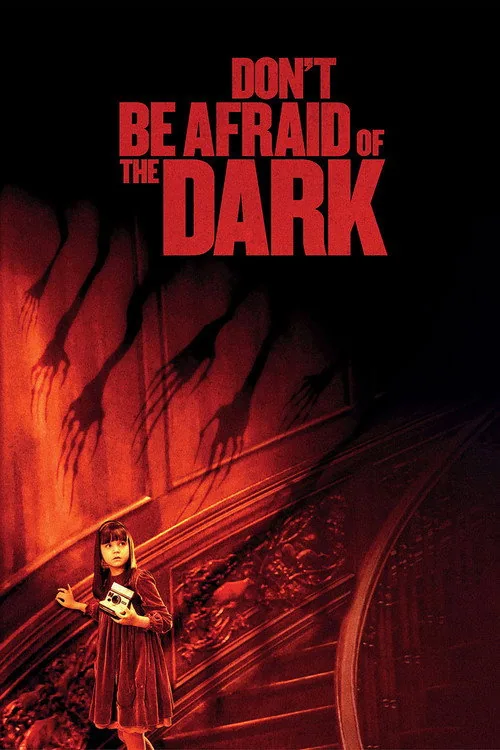
What changes Seed of Chucky: resurrection and reunion, celebrity possession scheme and meta slasher finale. Don't Be Afraid of the Dark: dark historical prologue, domestic unease accumulates and nighttime confrontation and betrayal.
Young Sally moves into the decaying Blackwood Manor while her father and his girlfriend renovate it, and soon hears voices calling to her from a sealed fireplace. The creatures hidden below the house want the teeth of children, but Sally's warnings are dismissed as imagination by the adults whose relationship is already strained. As the small beings grow bolder and more dangerous, Sally must make them believe what she has discovered before the house's history repeats itself.
Based on recorded story, mood and style. Your preferences can change the order.
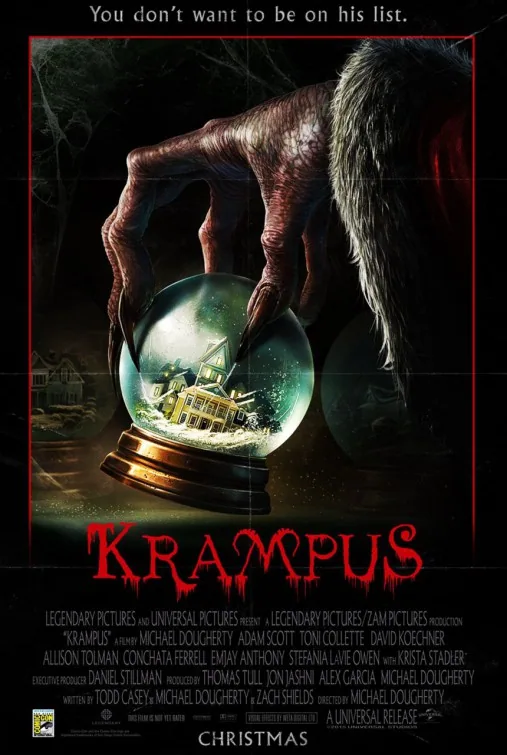
What changes Seed of Chucky: resurrection and reunion, celebrity possession scheme and meta slasher finale. Krampus: comic family conflict turns into a contained siege.
When a family’s holiday gathering collapses into arguments, a young boy loses faith in Christmas and inadvertently invites a folkloric force into the home. The relatives must survive a night in which familiar seasonal images turn hostile, forcing their squabbling household to cooperate. The horror comedy mixes creature attacks and dark folklore with a satirical view of consumerism and family dysfunction.
Based on recorded story, mood and style. Your preferences can change the order.
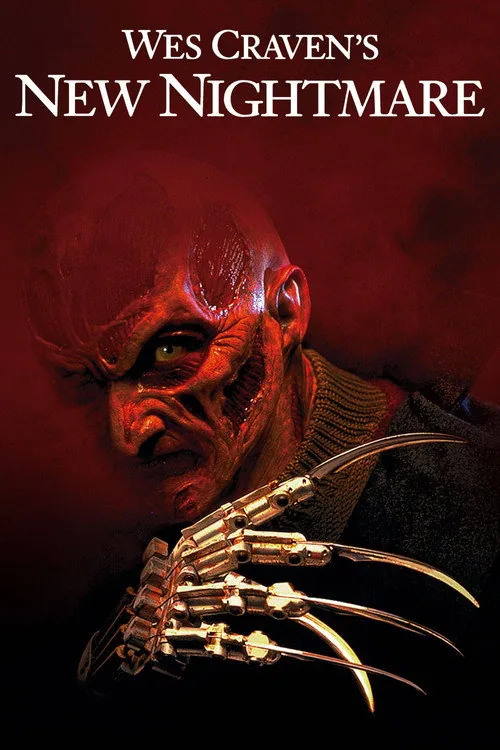
What changes Seed of Chucky: resurrection and reunion, celebrity possession scheme and meta slasher finale. Wes Craven's New Nightmare: gradual reality slippage and nightmare-driven escalation.
Heather Langenkamp, playing a version of herself, begins experiencing frightening events as Wes Craven develops a new Nightmare on Elm Street film. The lines between a movie production, an actor’s family life, and the fictional Freddy Krueger start to blur, making the horror story comment on the franchise that created it. Craven’s meta-sequel brings back cast and crew from the original film while turning the familiar slasher figure into a threat that seems to cross into the performers’ world. It works both as a nightmare narrative and a reflection on horror storytelling.
Based on recorded story, mood and style. Your preferences can change the order.
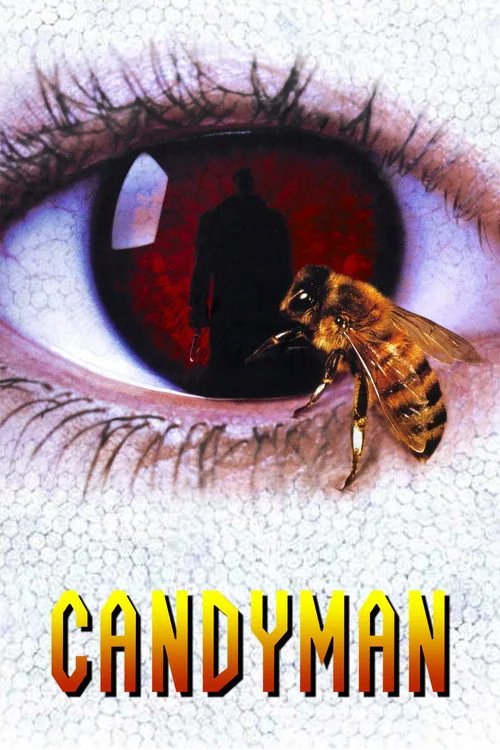
What changes Seed of Chucky: resurrection and reunion, celebrity possession scheme and meta slasher finale. Candyman: helen’s fieldwork turns into evidence inside the legend she is trying to document..
Graduate student Helen Lyle researches the Candyman urban legend and the murders attributed to it in Chicago’s Cabrini-Green housing project. Although initially skeptical, she repeats the legend’s ritual and encounters a figure who claims that her disbelief threatens his story. Helen is then framed for violence as the legend begins to shape her own life and the fate of Anne-Marie’s infant son. Bernard Rose’s gothic horror adaptation relocates Clive Barker’s story to Chicago, connecting supernatural fear to race, class, local memory, and the power of urban myths.
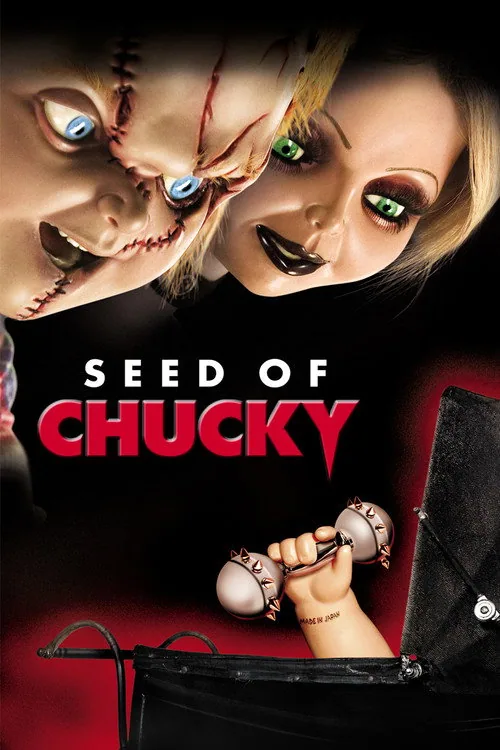
A living doll named Glen discovers that Chucky and Tiffany have been rebuilt for a Hollywood movie and uses a voodoo amulet to bring them back to life. The child struggles with whether to follow their parents' violent legacy or choose a gentler identity. Chucky and Tiffany, meanwhile, attempt to possess actors Jennifer Tilly and Redman while trying to create a family of their own. The fifth Child's Play film turns the slasher series into a self-referential horror comedy about parenthood, performance, and the unstable boundary between character and actor.
What drives the story
Glen's wish to understand their origins revives Chucky and Tiffany and sets off a scheme involving actors and reproduction.
The people at its centre
Glen's gentler nature conflicts with Chucky's expectations, while Tiffany tries to reconcile motherhood with her violent marriage.
What it feels like
A deliberately campy franchise entry combines slasher violence, celebrity satire, and jokes about the series itself.
Worth knowing
It foregrounds the killer dolls' child and Hollywood production, shifting the franchise toward self-parody and family comedy.
parenthood and identityviolence and choicecelebrity and performance
Mood
campy · grotesque · self-aware
Pacing
resurrection and reunion · celebrity possession scheme · meta slasher finale
Visual style
doll animation and practical effects · Hollywood set locations · self-referential horror imagery
Storytelling
doll child reunites killer parents · family tries to create human bodies · Hollywood filming blurs fiction and reality