Explore films connected to Wes Craven's New Nightmare through fiction and reality, fear and performance, parental protection. Choose the qualities you want to carry into your next watch.
What should feel similar?
Find your next favourite
9 films · Closest overall matches
Hide films you’ve seen or don’t want. Saved on this device.
No matches for this combination yet.
Try another option or reset your choices to see more films.
Based on recorded story, mood and style. Your preferences can change the order.
Dream worlds
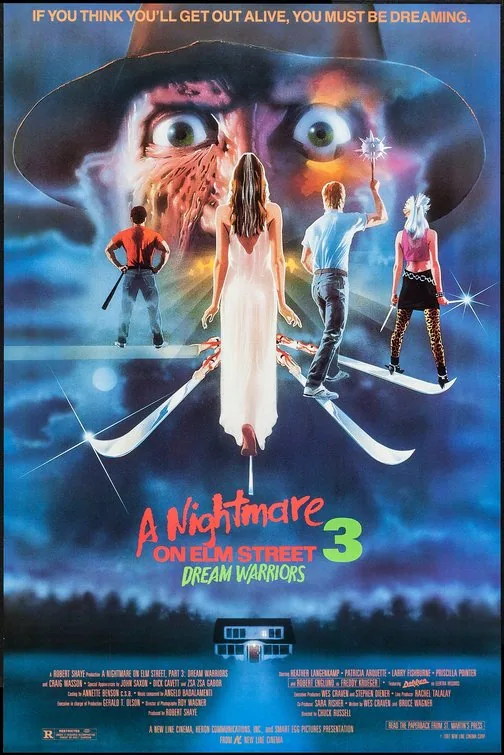
What changes Wes Craven's New Nightmare: gradual reality slippage and nightmare-driven escalation. A Nightmare on Elm Street 3: Dream Warriors: fast.
Teenagers in a psychiatric institution suffer nightmares that adults interpret as signs of self harm. Nancy, now working with vulnerable patients, recognizes Freddy Krueger's attacks and helps them discover abilities within their dreams. Their attempt to act together offers an alternative to isolated terror, but institutional restrictions and the killer's exploitation of personal fears make cooperation difficult to sustain safely.
Based on recorded story, mood and style. Your preferences can change the order.
Dream worlds
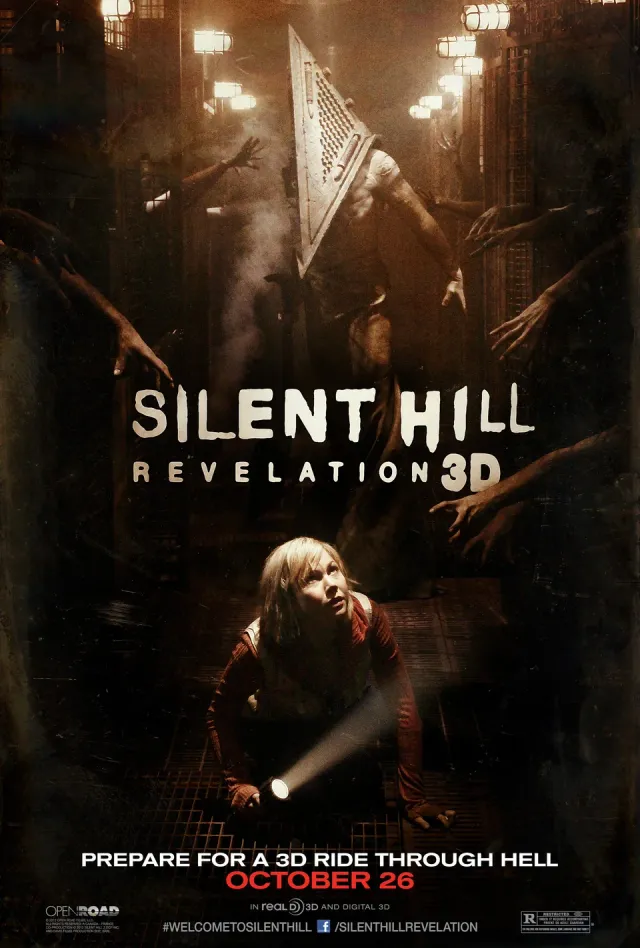
What changes Wes Craven's New Nightmare: gradual reality slippage and nightmare-driven escalation. Silent Hill: Revelation: escalating and chase-driven.
Heather has spent years moving with her father under different identities, unaware of the full reason they are hiding. As threats close in, she learns that her past is connected to a cult and the haunted town of Silent Hill, and she enters its nightmarish world to rescue her father. M. J. Bassett adapts the game series as a supernatural chase, drawing on its foggy imagery, monsters and shifting boundaries between ordinary life and horror.
Based on recorded story, mood and style. Your preferences can change the order.
Dream worlds
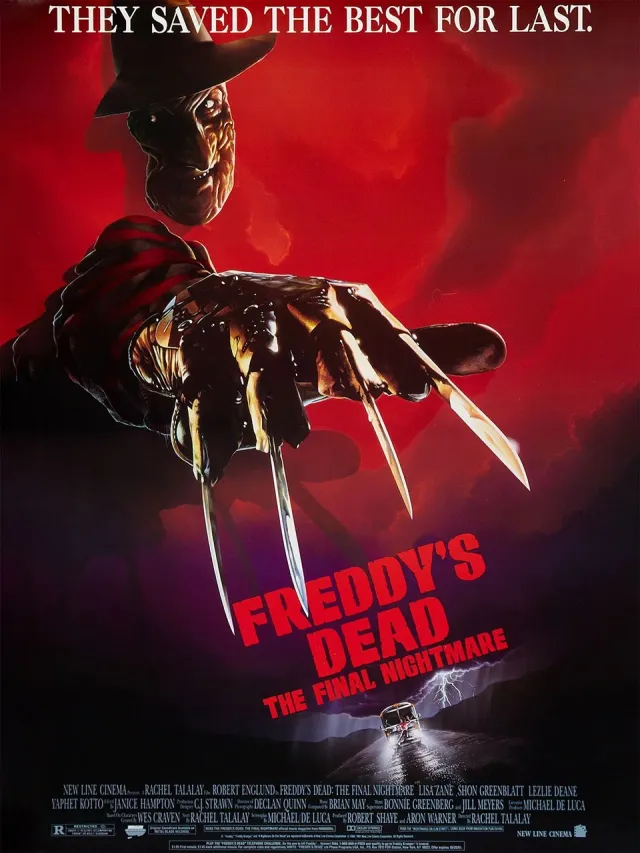
What changes Wes Craven's New Nightmare: gradual reality slippage and nightmare-driven escalation. Freddy's Dead: The Final Nightmare: escalating and set-piece horror.
A young man with amnesia is brought to a town where Freddy Krueger's influence has left a generation of children dead or missing. As he uncovers his past, a counselor and a small group of survivors try to keep the nightmare from spreading. The film combines dream imagery, grim backstory and deliberately exaggerated set pieces in a story about inherited trauma and escape.
Based on recorded story, mood and style. Your preferences can change the order.
Memory and identity
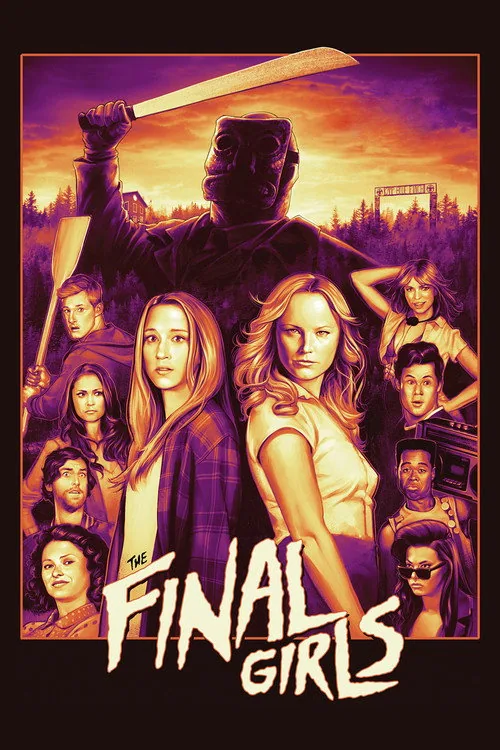
What changes Wes Craven's New Nightmare: gradual reality slippage and nightmare-driven escalation. The Final Girls: meta setup, slasher-rule variations and emotional horror-comedy climax.
Years after her actress mother dies, Max attends a screening of the cult slasher film that made her mother famous. A fire drives Max and her friends through the movie screen, where they find themselves inside the 1980s horror film Camp Bloodbath. They must follow and disrupt the slasher's familiar rules while trying to protect the fictional characters, including the young woman played by Max's mother. The comedy-horror uses its meta premise to explore grief, genre conventions, and the desire for one more conversation.
Based on recorded story, mood and style. Your preferences can change the order.
Memory and identity
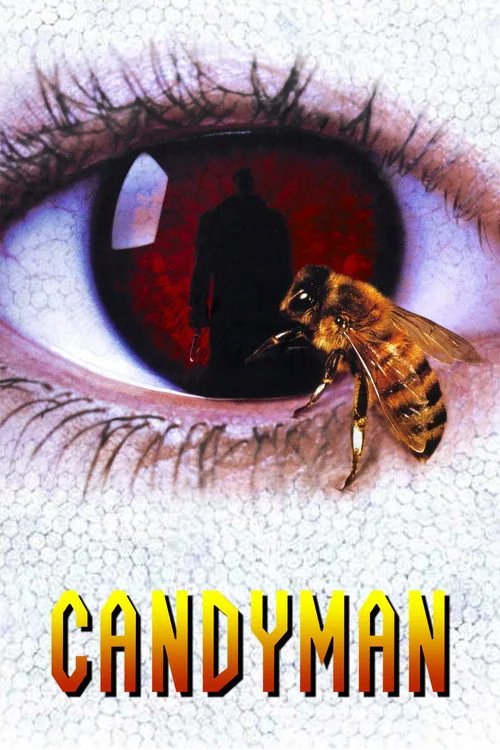
What changes Wes Craven's New Nightmare: gradual reality slippage and nightmare-driven escalation. Candyman: helen’s fieldwork turns into evidence inside the legend she is trying to document..
Graduate student Helen Lyle researches the Candyman urban legend and the murders attributed to it in Chicago’s Cabrini-Green housing project. Although initially skeptical, she repeats the legend’s ritual and encounters a figure who claims that her disbelief threatens his story. Helen is then framed for violence as the legend begins to shape her own life and the fate of Anne-Marie’s infant son. Bernard Rose’s gothic horror adaptation relocates Clive Barker’s story to Chicago, connecting supernatural fear to race, class, local memory, and the power of urban myths.
Based on recorded story, mood and style. Your preferences can change the order.
Dream worlds
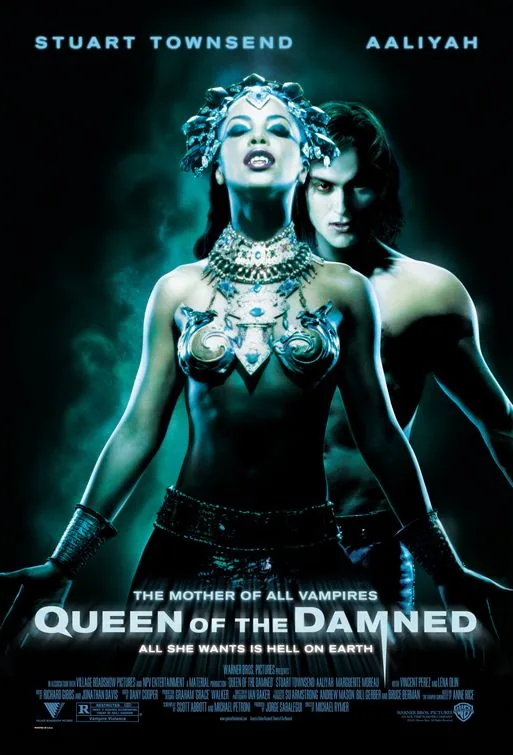
What changes Wes Craven's New Nightmare: gradual reality slippage and nightmare-driven escalation. Queen of the Damned: measured and escalating.
A vampire hidden from the modern world becomes a rock musician and attracts attention through songs exposing the supernatural. His performances awaken an ancient vampire queen whose power threatens humans and vampires alike. The gothic horror sequel combines immortality, music and seductive danger, setting modern concert culture against an older mythology the characters tried to escape.
Based on recorded story, mood and style. Your preferences can change the order.
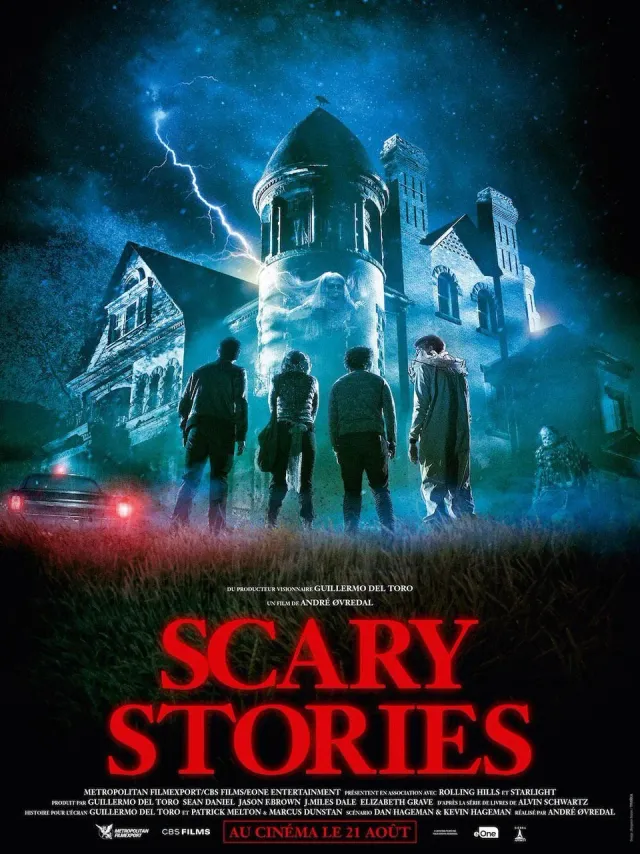
What changes Wes Craven's New Nightmare: gradual reality slippage and nightmare-driven escalation. Scary Stories to Tell in the Dark: anthology-like episodes build a common threat.
In 1968, teenager Stella and her friends explore an abandoned mansion on Halloween and find a book written by the long-dead Sarah Bellows. New stories appear in its pages, each drawing one of the friends into a local legend made frighteningly real. The film links a group of young characters’ choices to folklore, a town’s buried history and the possibility that stories can preserve suffering as well as entertain.
Based on recorded story, mood and style. Your preferences can change the order.
Dream worlds · Memory and identity
What changes Wes Craven's New Nightmare: gradual reality slippage and nightmare-driven escalation. Twilight Zone: The Movie: segmented and unevenly escalating.
Four separately directed stories revisit the eerie possibilities of Rod Serling's television series. Their protagonists encounter prejudice, fear of aging, the consequences of a child's overwhelming power and a terror that may or may not be real at high altitude. The anthology moves between fantasy, horror and moral fable, using abrupt shifts in reality to make ordinary settings feel unstable.
Based on recorded story, mood and style. Your preferences can change the order.
What changes Wes Craven's New Nightmare: gradual reality slippage and nightmare-driven escalation. The Frighteners: a fraudulent ghost hunter investigates a supernatural killer whose victims seem to be chosen in sequence..
After his wife’s death, architect Frank Bannister discovers that he can see and communicate with ghosts. He turns the ability into a con, arranging fake hauntings with ghostly partners and charging residents to clear their homes. When an unseen killer begins causing fatal heart attacks, Frank sees a number marking its next victims and tries to stop the deaths before he is blamed. Peter Jackson’s supernatural horror comedy mixes ghostly slapstick with a murder mystery, moving its guilt-ridden protagonist from confidence trickster to reluctant investigator.
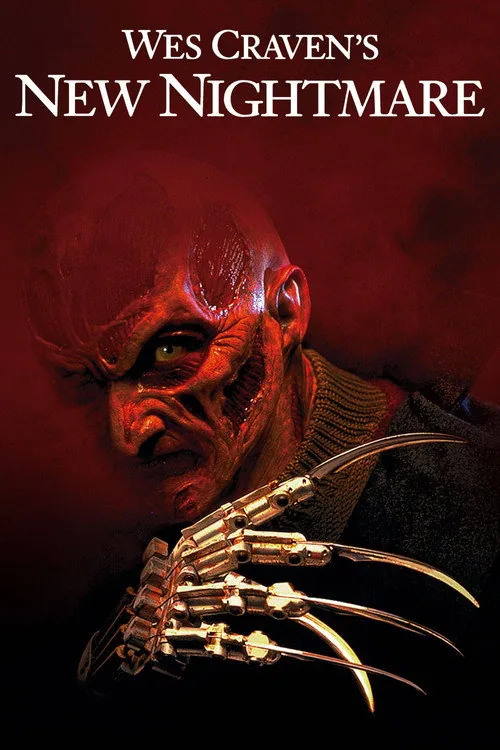
Heather Langenkamp, playing a version of herself, begins experiencing frightening events as Wes Craven develops a new Nightmare on Elm Street film. The lines between a movie production, an actor’s family life, and the fictional Freddy Krueger start to blur, making the horror story comment on the franchise that created it. Craven’s meta-sequel brings back cast and crew from the original film while turning the familiar slasher figure into a threat that seems to cross into the performers’ world. It works both as a nightmare narrative and a reflection on horror storytelling.
What drives the story
Heather’s attempts to protect her family draw her into the increasingly unstable boundary around Craven’s new film.
The people at its centre
Her real-world relationships become part of the horror, placing motherhood and the legacy of Nancy Thompson in tension.
What it feels like
Expect franchise horror that comments on its own cast, audience, and mythology while sustaining familiar nightmare imagery.
Worth knowing
Its self-referential structure is central to the story, distinguishing it from a standard in-universe Freddy sequel.
fiction and realityfear and performanceparental protection