Explore films connected to The Human Centipede 2 through obsession, imitation, exploitation. Choose the qualities you want to carry into your next watch.
What should feel similar?
Find your next favourite
9 films · Closest overall matches
Hide films you’ve seen or don’t want. Saved on this device.
No matches for this combination yet.
Try another option or reset your choices to see more films.
Both share themes of isolation, plus a claustrophobic atmosphere.
Why this matches +
Genres: Horror / Science Fiction
Shared film traits
Based on recorded story, mood and style. Your preferences can change the order.
Escape and pursuit · Power and authority
What changes The Human Centipede 2: deliberate, escalating and shock-driven. The Void: crisis-driven, rapid escalation and contained siege structure.
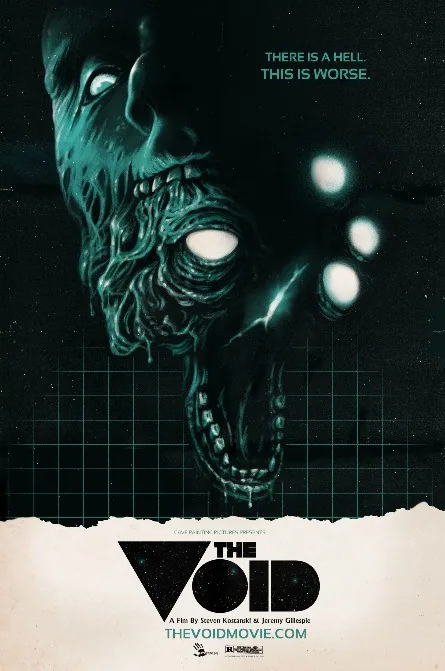
Police officer Daniel Carter brings an injured stranger to a nearly empty hospital on the edge of town. Once inside, patients and staff find themselves surrounded by hooded figures and cut off from help. As disturbing changes spread through the hospital, Carter and the survivors try to find a way out while uncovering a cult’s connection to the place. Jeremy Gillespie and Steven Kostanski build the film around a single besieged location and increasingly grotesque body-horror imagery.
Both share sequel, plus a bleak and confrontational atmosphere.
Why this matches +
Genres: Drama / Horror
Shared film traits
Based on recorded story, mood and style. Your preferences can change the order.
Power and authority
What changes The Human Centipede 2: deliberate, escalating and shock-driven. The Woman: slow escalation, confrontational and violent climax.
While hunting, rural lawyer Chris Cleek spots a feral woman living apart from society and captures her. He brings her to the cellar at home and orders his family to help make her civilized. His wife Belle and children respond in different ways to his control, exposing the violence and dysfunction that already shape their household. The film’s horror grows from the conflict between the captive woman’s resistance and the family’s inability to challenge Chris. A sequel to Offspring, it stages power and survival in a disturbing domestic setting.
Based on recorded story, mood and style. Your preferences can change the order.
Escape and pursuit · Constructed reality
What changes The Human Centipede 2: deliberate, escalating and shock-driven. Invasion of the Body Snatchers: gradual discovery, escalating pursuit and dread-filled.
In San Francisco, health inspector Matthew Bennell and colleague Elizabeth Driscoll notice people behaving strangely after unusual plant growth appears across the city. Their suspicions deepen when they discover that silent alien duplicates are replacing humans while the originals sleep. With help from friends Jack and Nancy, they try to alert authorities and stay awake long enough to escape. Philip Kaufman’s remake transforms Jack Finney’s premise into psychological science-fiction horror about conformity, emotional detachment, and public indifference, using recognizable city life to make the invasion feel close at hand.
Based on recorded story, mood and style. Your preferences can change the order.
Constructed reality
What changes The Human Centipede 2: deliberate, escalating and shock-driven. The House That Jack Built: jack’s account of his crimes becomes an argument with the figure guiding him toward judgment..
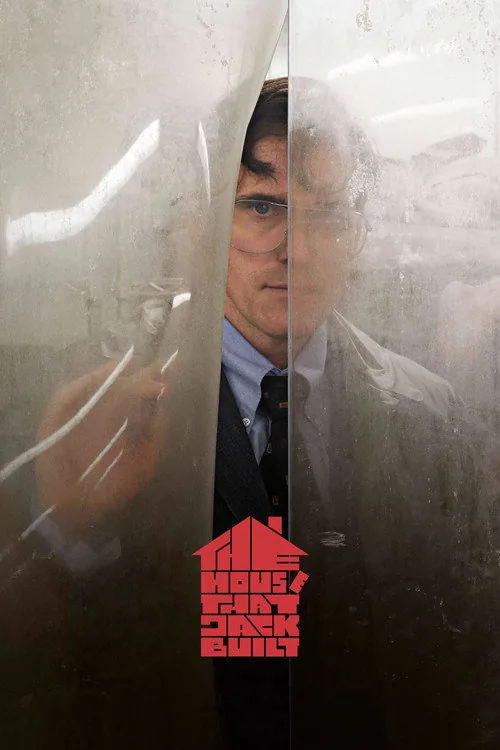
Serial killer Jack recounts a series of murders to a companion he calls Verge, presenting each killing as one of several formative “incidents.” His efforts to hide evidence become increasingly elaborate and sometimes grotesque, while he tries to build a house from the bodies he has collected. Lars von Trier’s psychological horror film shifts between crime episodes, art-history arguments, and a final journey through a vision of Hell. It is formally self-conscious and deliberately provocative, framing Jack’s explanations as unreliable and morally repellent rather than asking viewers to admire his crimes.
Based on recorded story, mood and style. Your preferences can change the order.
What changes The Human Centipede 2: deliberate, escalating and shock-driven. Fear Street Part 3: 1666: two-era structure, historical mystery into slasher action and trilogy-scale climax.
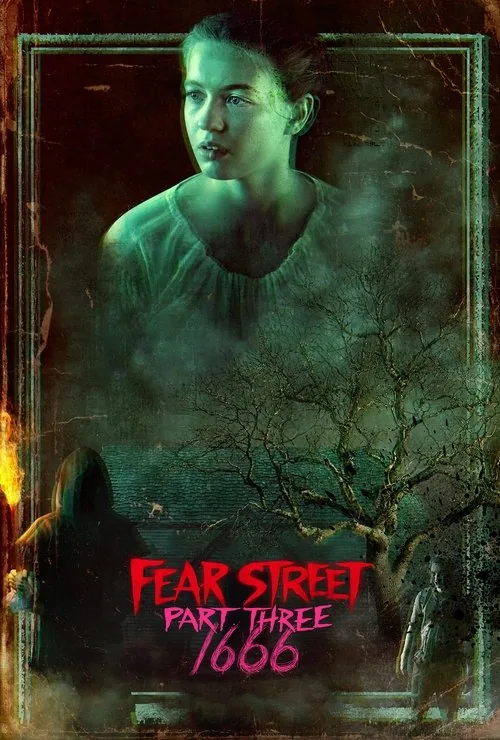
Deena’s search for the truth about Shadyside’s curse sends her into a vision of the town in 1666, where she experiences the story of Sarah Fier and the events that shaped the community’s reputation. The film then returns to 1994, where surviving friends must act on what they have learned before the curse claims more lives. Leigh Janiak’s final Fear Street installment joins colonial folk horror to slasher action and completes a trilogy designed to be watched as one connected story.
Based on recorded story, mood and style. Your preferences can change the order.
Escape and pursuit
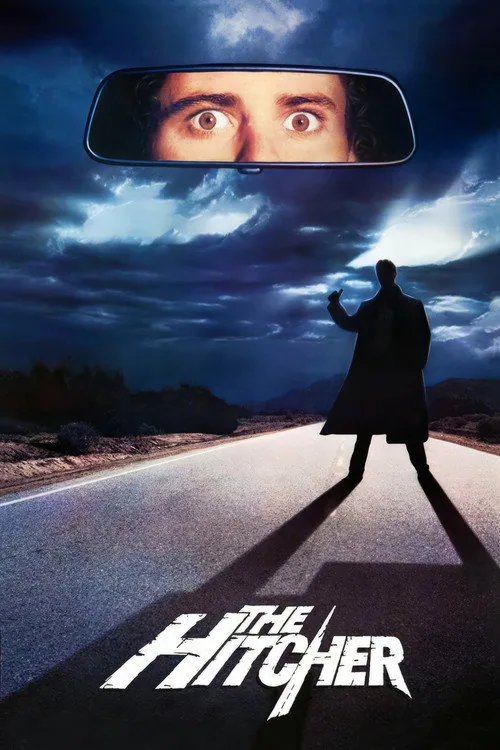
What changes The Human Centipede 2: deliberate, escalating and shock-driven. The Hitcher: roadside suspense, repeated pursuit encounters and violent confrontations.
Jim Halsey is driving a car across West Texas when he gives a ride to a hitchhiker who calls himself John Ryder. Ryder quickly reveals a violent nature and begins framing Jim for the murders he commits along the highway. The young driver tries to seek help, but each encounter with the authorities deepens the suspicion against him while Ryder remains just ahead. The road thriller makes the open desert feel inescapable and builds horror from a pursuer whose motives are never made reassuringly clear.
Based on recorded story, mood and style. Your preferences can change the order.
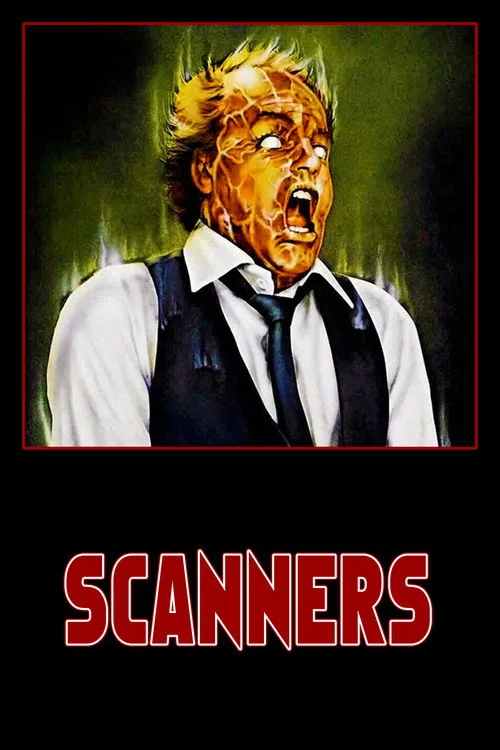
What changes The Human Centipede 2: deliberate, escalating and shock-driven. Scanners: investigation-driven and builds toward confrontation.
People known as scanners possess powerful telepathic abilities that can invade or overwhelm another person’s mind. When a corporate security organization discovers that a scanner named Cameron Vale may be useful against renegade leader Darryl Revok, it recruits him into a covert investigation. Vale learns about the origins of the abilities while pursuing Revok and the movement he is building. David Cronenberg’s science-fiction horror film combines bodily shock, paranoia, and a conflict between telepathic factions, placing questions about control and human identity inside a corporate thriller.
Based on recorded story, mood and style. Your preferences can change the order.
Escape and pursuit
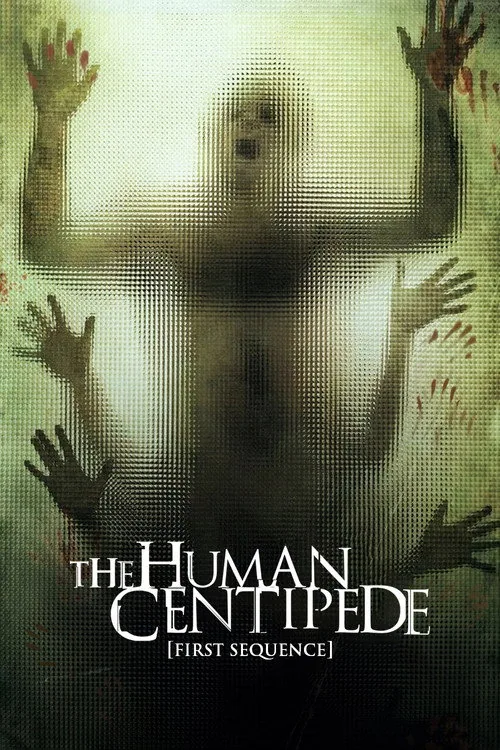
What changes The Human Centipede 2: deliberate, escalating and shock-driven. The Human Centipede: two tourists are imprisoned by a surgeon who plans to join them and another captive into one organism..
American tourists Lindsay and Jenny seek help after their car breaks down in Germany and find themselves in the home of Dr. Josef Heiter, a retired surgeon obsessed with creating a new organism. He abducts them and another traveler, then performs an operation that joins the three captives into a single body. Their attempts to escape unfold inside Heiter’s isolated medical ward, where he treats them as an experiment and a possession. Tom Six’s Dutch body-horror film is built around an intentionally extreme premise and prolonged captivity.
Based on recorded story, mood and style. Your preferences can change the order.
Power and authority
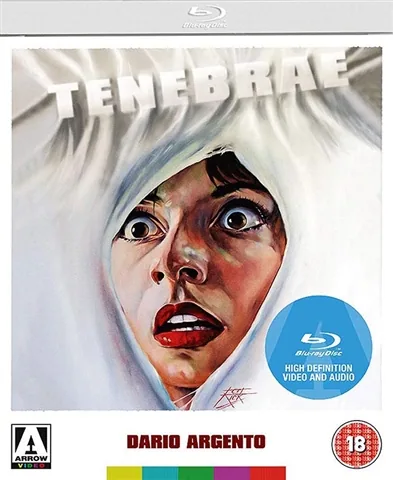
What changes The Human Centipede 2: deliberate, escalating and shock-driven. Tenebrae: clue-driven, deliberate camera movement, escalating reversals and sudden violent interruptions.
American horror novelist Peter Neal arrives in Rome to promote his latest book, Tenebrae, and soon receives a message from someone claiming that his fiction has inspired a killing spree. Police captain Germani, an admirer of Neal’s work, asks him to assist as murders unsettle the people around the writer. The investigation draws in Neal’s assistant Anne, agent Bullmer, television interviewer Cristiano Berti and Neal’s former fiancée Jane. Suspects and evidence keep shifting as the crimes appear to borrow details from the novel. The film turns its clue trail into a study of authorship, obsession and how easily a confident explanation can become another form of deception.
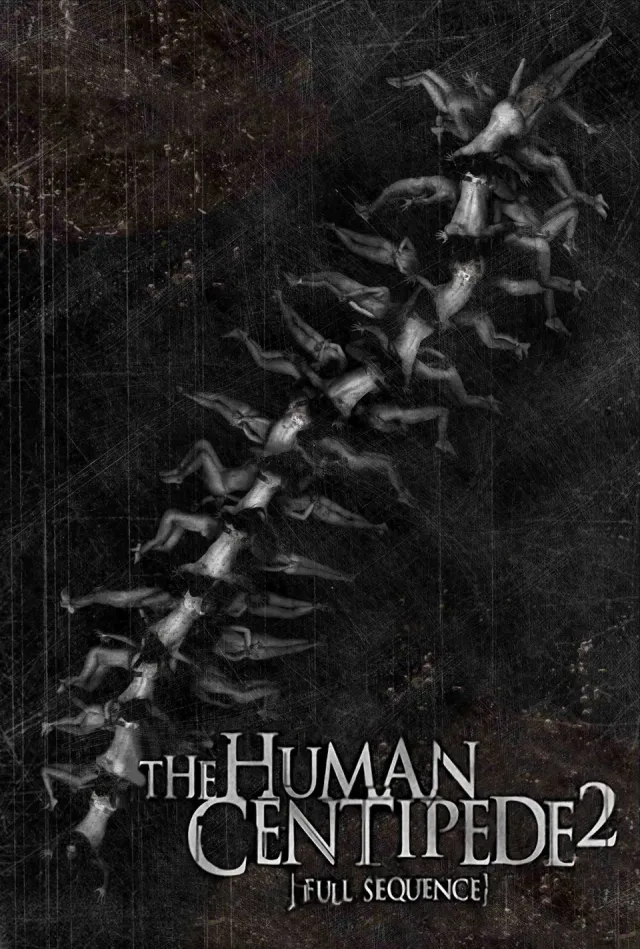
Martin works alone in a London parking garage and spends his free time obsessing over The Human Centipede, the film he watches repeatedly on his laptop. Living in isolation and under pressure from his mother and psychiatrist, he becomes fixated on recreating the premise with people he has encountered. Tom Six’s sequel turns a viewer’s disturbing identification with a fictional story into the source of a grim, self-aware horror narrative.
What drives the story
Martin’s fixation on a previous horror film grows into a plan that brings a group of strangers into immediate danger.
The people at its centre
Martin’s isolation and dependence leave him vulnerable to manipulation, while the people he targets are forced to confront his increasingly uncontrolled behavior.
What it feels like
The film uses an abrasive visual approach and self-conscious sequel premise to create an intentionally severe and unsettling viewing experience.
Worth knowing
Its extreme, self-referential body horror centers on a viewer attempting to imitate a fictional film, rather than a conventional creature or slasher threat.