Explore films connected to Fear Street Part 3: 1666 through History and persecution, Community memory, Breaking inherited violence. Choose the qualities you want to carry into your next watch.
What should feel similar?
Find your next favourite
9 films · Closest overall matches
Hide films you’ve seen or don’t want. Saved on this device.
No matches for this combination yet.
Try another option or reset your choices to see more films.
Based on recorded story, mood and style. Your preferences can change the order.
Both directed by Leigh Janiak.
Memory and identity
What changes Fear Street Part 3: 1666: two-era structure, historical mystery into slasher action and trilogy-scale climax. Fear Street Part 1: 1994: a drop of blood at a grave reconnects a present-day teen group to old town murders..
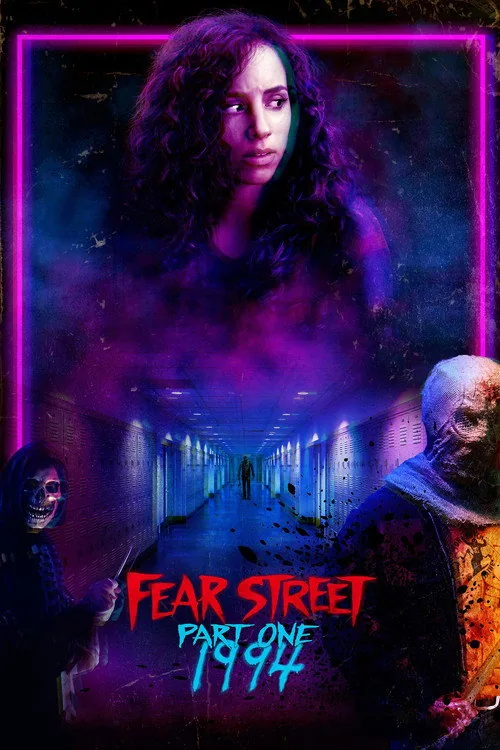
In 1994, a massacre at a mall reinforces Shadyside’s reputation as a town plagued by violence, while neighboring Sunnyvale prospers. Teenager Deena reunites with her former girlfriend Sam after a crash near the cemetery appears to awaken several killers from Shadyside’s past. Deena, her brother Josh, and their friends connect the attacks to the legend of Sarah Fier and try to stop the killers before they reach Sam. Leigh Janiak’s slasher opens a trilogy and mixes a modern teen story with a curse spanning several centuries.
Based on recorded story, mood and style. Your preferences can change the order.
What changes Fear Street Part 3: 1666: two-era structure, historical mystery into slasher action and trilogy-scale climax. The Conjuring: The Devil Made Me Do It: crime-mystery structure and investigation across locations.
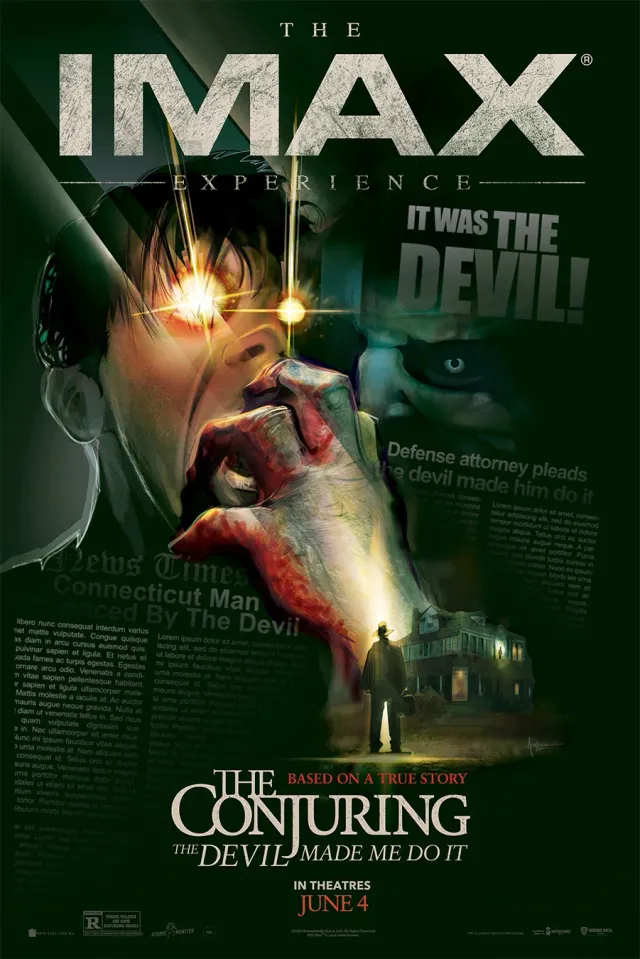
Ed and Lorraine Warren attend to David Glatzel during an alleged exorcism when Arne Johnson challenges the entity to leave the boy and enter him instead. Months later, Johnson kills his landlord, Alan Bono, and the Warrens connect the murder to a hidden occultist and a series of rituals. The film turns the 1981 case into a supernatural investigation that moves from a real manslaughter trial to a fictional curse plot. In court, the judge rejected possession as a defense and barred evidence about it; the movie’s occult chain of causation is franchise invention, not a factual finding about the killing. Lorraine’s visions and Ed’s injury structure the heroes’ search, but the central supernatural explanation remains the film’s horror premise.
Based on recorded story, mood and style. Your preferences can change the order.
Memory and identity
What changes Fear Street Part 3: 1666: two-era structure, historical mystery into slasher action and trilogy-scale climax. Teenage Sex and Death at Camp Miasma: a film-within-a-film setup folds into a slasher mystery.
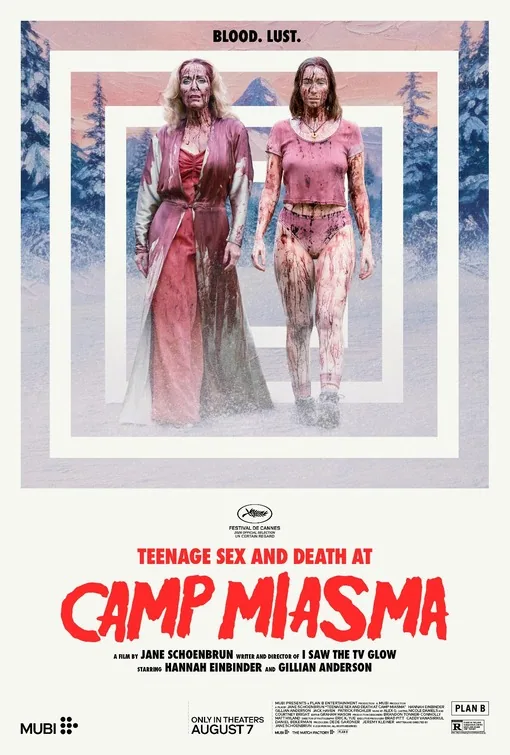
A filmmaker joins the production of a long-running slasher franchise about a camp haunted by a drowned child. The project’s history and its recurring villain become part of the film’s story as old creative conflicts and new violence emerge. The meta-horror examines who controls a franchise and how horror conventions can be repeated, revived, or challenged, placing filmmaking ambition alongside the familiar threat of a masked killer.
Based on recorded story, mood and style. Your preferences can change the order.
Memory and identity · Survival
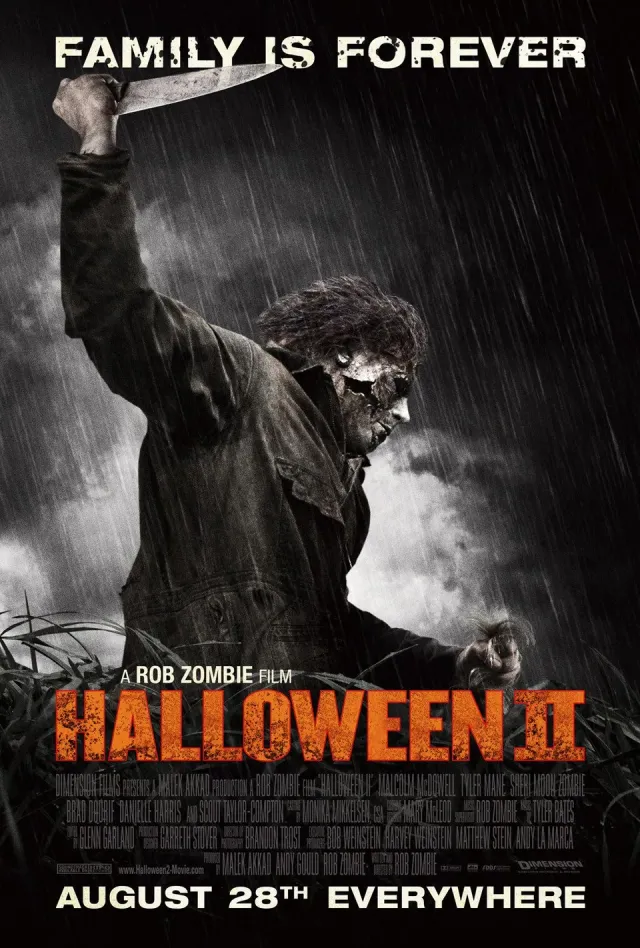
What changes Fear Street Part 3: 1666: two-era structure, historical mystery into slasher action and trilogy-scale climax. Halloween II: relentless and fragmented.
After the events of the previous film, Laurie struggles with trauma while Michael Myers continues to pursue her and those around her. The story moves through a bleak Midwestern town and revisits the franchise’s family connection, placing psychological aftermath beside slasher pursuit. Rob Zombie’s sequel emphasizes abrasive imagery and raw distress, making the experience less about a puzzle of identity than about survivors living under the continuation of violence.
Based on recorded story, mood and style. Your preferences can change the order.
Memory and identity
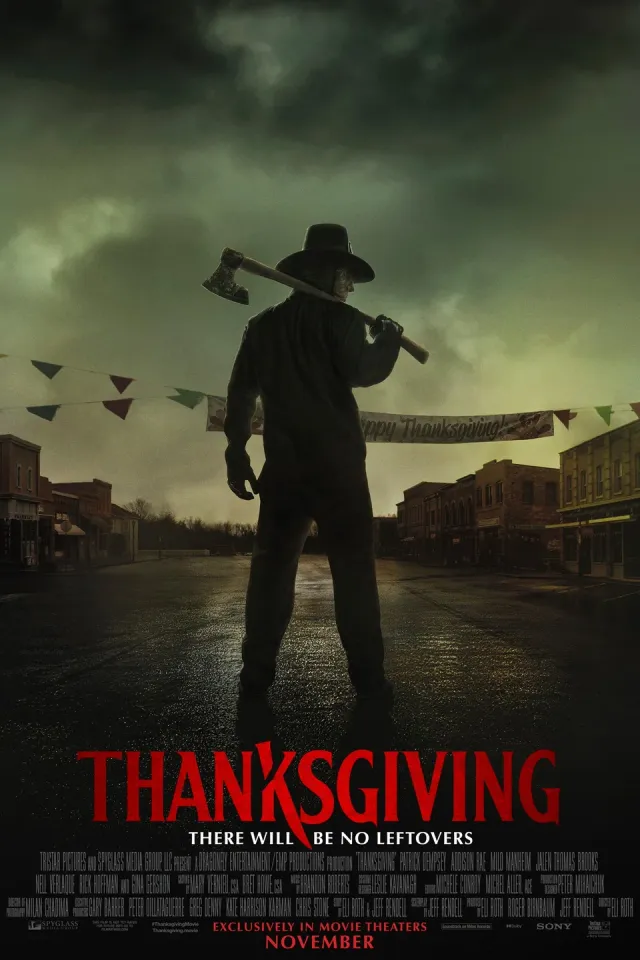
What changes Fear Street Part 3: 1666: two-era structure, historical mystery into slasher action and trilogy-scale climax. Thanksgiving: a holiday-set mystery escalates through a series of slasher attacks.
After a deadly Black Friday stampede in Plymouth, a masked killer begins targeting people connected to the tragedy. High-school student Jessica and her friends become part of the investigation as the town’s public memory and private culpability come into focus. The slasher film uses a holiday shopping frenzy as its origin point, mixing gruesome set pieces with a whodunit structure about blame and the consequences of treating a crowd as disposable.
Based on recorded story, mood and style. Your preferences can change the order.
Survival
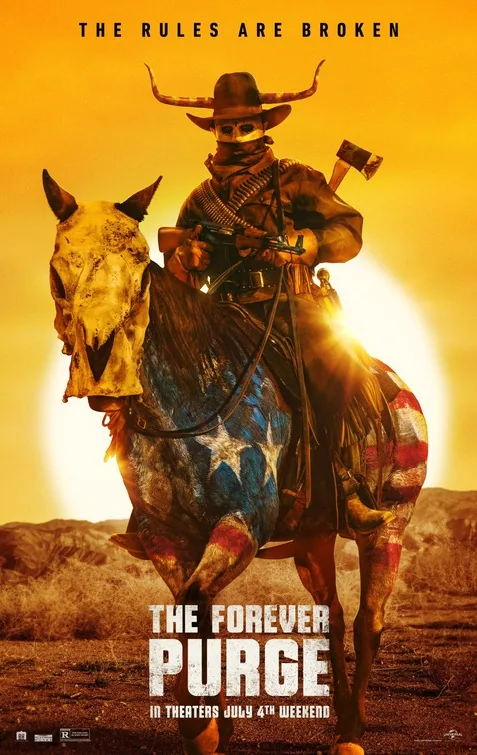
What changes Fear Street Part 3: 1666: two-era structure, historical mystery into slasher action and trilogy-scale climax. The Forever Purge: a short legal window expands into a cross-country escape.
After a night of legally permitted violence ends, a movement continues attacking people and communities across the country. Adela and Juan flee north with others as the unrest spreads, while a wealthy family discovers that money cannot provide safety. The dystopian horror sequel turns the franchise’s annual premise into an open-ended crisis, connecting survival to class, migration and the political consequences of normalized violence.
Based on recorded story, mood and style. Your preferences can change the order.
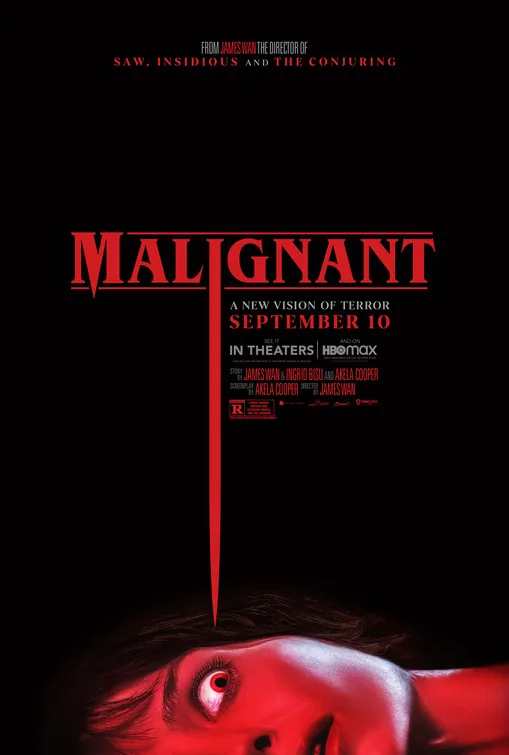
What changes Fear Street Part 3: 1666: two-era structure, historical mystery into slasher action and trilogy-scale climax. Malignant: a procedural investigation breaks into escalating supernatural spectacle.
Madison is tormented by visions of murders she appears to witness as they happen, while investigators connect the killings to an unknown figure from her past. As the violence escalates, her memories and sense of self become increasingly uncertain. James Wan’s horror film begins as a police mystery and shifts into a highly stylized confrontation with a hidden history, using body horror and identity questions to unsettle genre expectations.
Based on recorded story, mood and style. Your preferences can change the order.
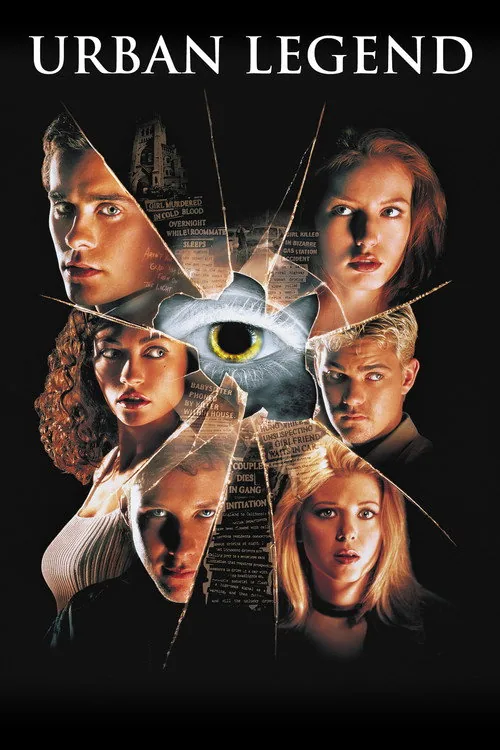
What changes Fear Street Part 3: 1666: two-era structure, historical mystery into slasher action and trilogy-scale climax. Urban Legend: clue-driven slasher structure, rising body count and mystery reveal.
At Pendleton University, a series of murders appear to recreate well-known urban legends. Student Natalie becomes suspicious that the deaths are connected to a massacre from the school’s past, while her friend Paul helps her investigate and campus authorities dismiss her concerns. As the killings draw closer to her social circle, Natalie must work out which stories are clues and who is using them. Jamie Blanks’s slasher film turns familiar folklore into a campus murder mystery.
Based on recorded story, mood and style. Your preferences can change the order.
Survival
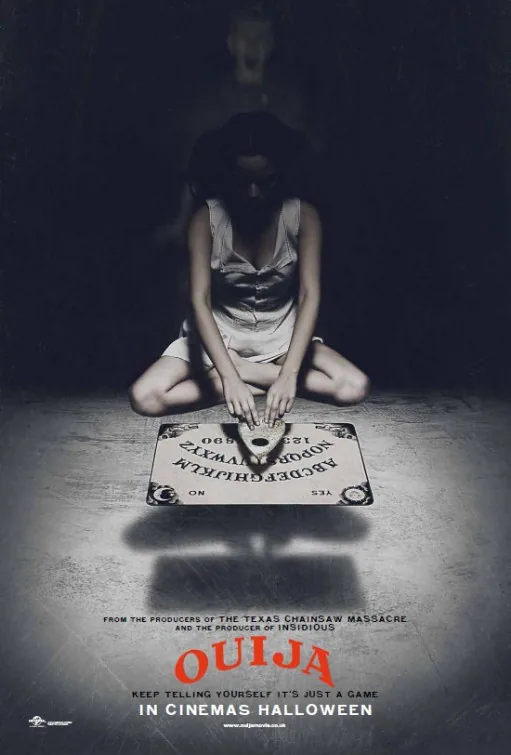
What changes Fear Street Part 3: 1666: two-era structure, historical mystery into slasher action and trilogy-scale climax. Ouija: slow reveal followed by escalating scares.
After a young woman’s unexplained death, her friends use a spirit board to contact her and instead awaken a presence that grows more dangerous with each attempt. Their investigation leads them through a house and its history, turning grief into a horror story about curiosity and unseen consequences. The film builds tension through familiar supernatural rules and a group of young characters facing a threat they do not understand.
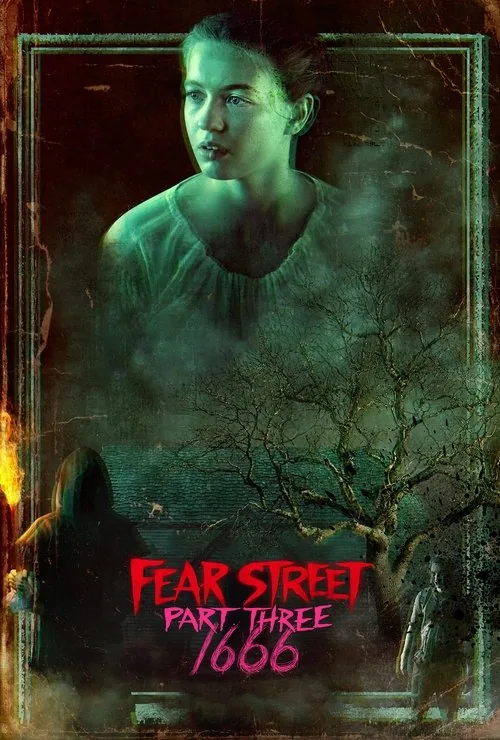
Deena’s search for the truth about Shadyside’s curse sends her into a vision of the town in 1666, where she experiences the story of Sarah Fier and the events that shaped the community’s reputation. The film then returns to 1994, where surviving friends must act on what they have learned before the curse claims more lives. Leigh Janiak’s final Fear Street installment joins colonial folk horror to slasher action and completes a trilogy designed to be watched as one connected story.
What drives the story
Deena’s discovery about Sarah Fier links the historical events of 1666 to the survivors’ urgent fight in 1994.
The people at its centre
The modern group’s loyalty is tested by fear and grief, while the colonial story reframes the community’s inherited account of its past.
What it feels like
The film blends period folk horror, slasher violence, and the payoff of a serialized trilogy; it contains graphic gore.
Worth knowing
It is the final chapter of the 2021 Fear Street trilogy, and its plot depends on the first two installments.
History and persecutionCommunity memoryBreaking inherited violence