Movies like The Conjuring: The Devil Made Me Do It
2021 · Michael Chaves
Runtime: 1h 52mMPA rating: R
Explore films connected to The Conjuring: The Devil Made Me Do It through Faith, Culpability, Supernatural threat. Choose the qualities you want to carry into your next watch.
Based on recorded story, mood and style. Your preferences can change the order.
Investigation
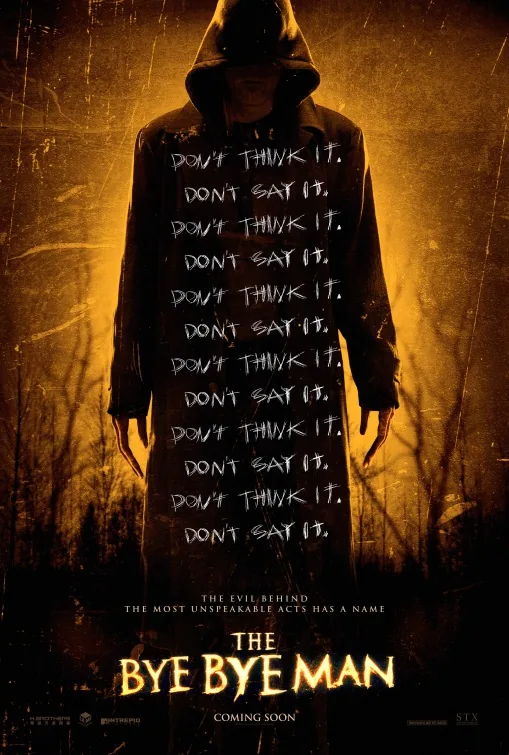
What changes The Conjuring: The Devil Made Me Do It: crime-mystery structure and investigation across locations. The Bye Bye Man: mystery discovery builds toward psychological and physical danger.
Three college students uncover a supernatural figure connected to a rule about not speaking or thinking his name. Their attempts to understand the legend make the threat harder to escape, while suspicion fractures their relationships. The horror film uses a contagious idea as its central mechanism, combining occult mystery with a story about how fear and doubt can spread through a close group.
Both centre on inherited occult threat and institutional investigation.
Why this matches +
Genres: Horror / Thriller
Shared film traits
Based on recorded story, mood and style. Your preferences can change the order.
Investigation
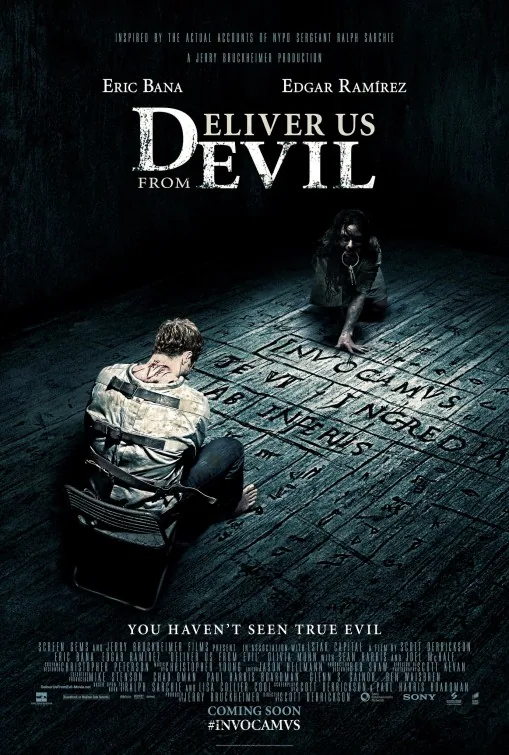
What changes The Conjuring: The Devil Made Me Do It: crime-mystery structure and investigation across locations. Deliver Us from Evil: procedural cases intensify into supernatural confrontation.
A New York police officer investigating a string of disturbing crimes meets a priest who believes the cases have a supernatural cause. Their uneasy partnership joins police procedure with religious ritual as the evidence points beyond ordinary criminal explanation. The horror thriller moves between family life and violent investigation, building its tension around whether skeptical institutions can respond to a threat they cannot classify.
Based on recorded story, mood and style. Your preferences can change the order.
Investigation
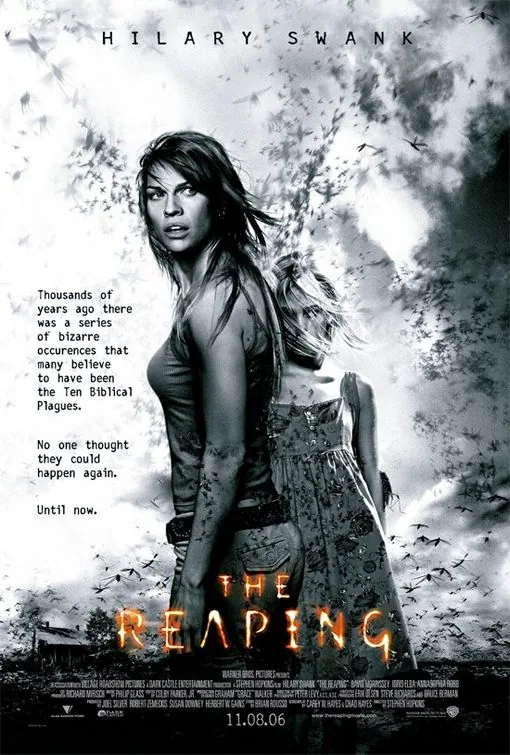
What changes The Conjuring: The Devil Made Me Do It: crime-mystery structure and investigation across locations. The Reaping: escalating and supernatural suspense.
A former missionary turned investigator studies events that appear to resemble biblical plagues in a Louisiana town. The local residents interpret the incidents through religious belief, while the investigator initially looks for scientific explanations and evidence. As the crisis grows, her own loss and personal history affect the inquiry. The supernatural thriller uses a conflict between belief and skepticism to create suspense around whether the town’s events can be explained by ordinary causes.
Based on recorded story, mood and style. Your preferences can change the order.
Investigation
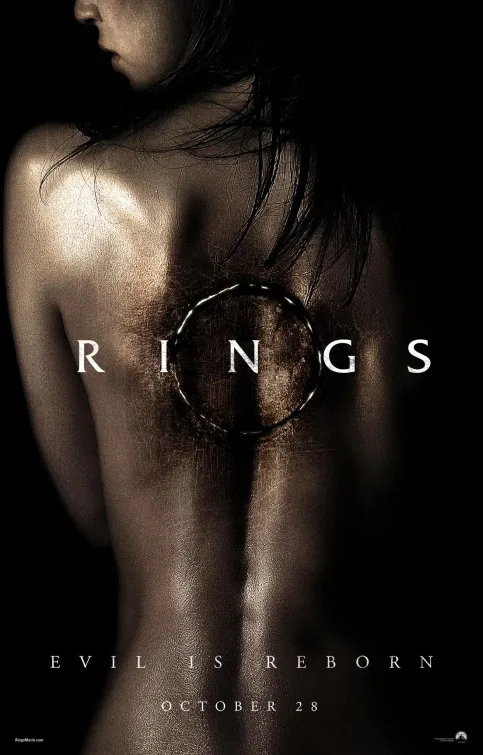
What changes The Conjuring: The Devil Made Me Do It: crime-mystery structure and investigation across locations. Rings: mystery clues accumulate before supernatural attacks.
A young woman becomes involved with a mysterious video that appears to predict the death of anyone who watches it unless they pass it on. Her search for the recording’s origin leads into a history of exploitation and supernatural danger. The horror sequel mixes investigation with a curse mechanism, turning curiosity and the circulation of media into risks that are difficult to escape.
Based on recorded story, mood and style. Your preferences can change the order.
Investigation
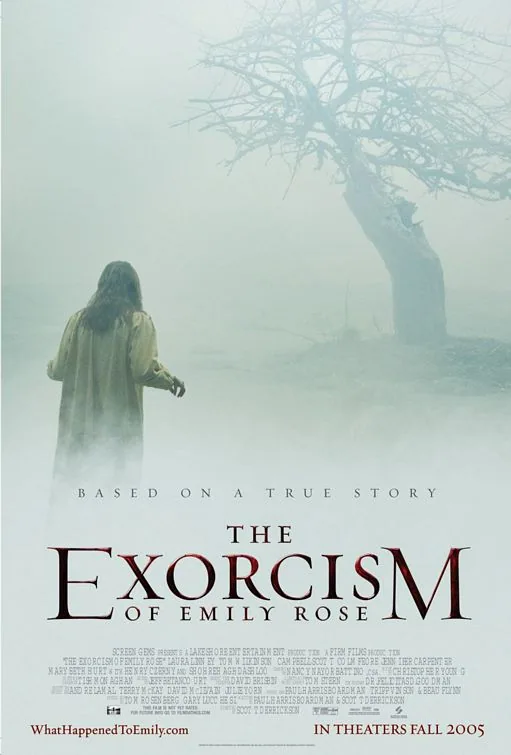
What changes The Conjuring: The Devil Made Me Do It: crime-mystery structure and investigation across locations. The Exorcism of Emily Rose: alternating and revelatory.
The Exorcism of Emily Rose (2005), directed by Scott Derrickson, follows A priest faces a criminal trial after performing an exorcism on a young woman who died during the ritual. A defense attorney initially approaches the case as a legal problem, then encounters testimony that challenges her certainty about the limits of rational explanation. The courtroom structure places questions of evidence and faith side by side, treating belief as a conflict of interpretation rather than an easy supernatural answer.
Based on recorded story, mood and style. Your preferences can change the order.
Investigation
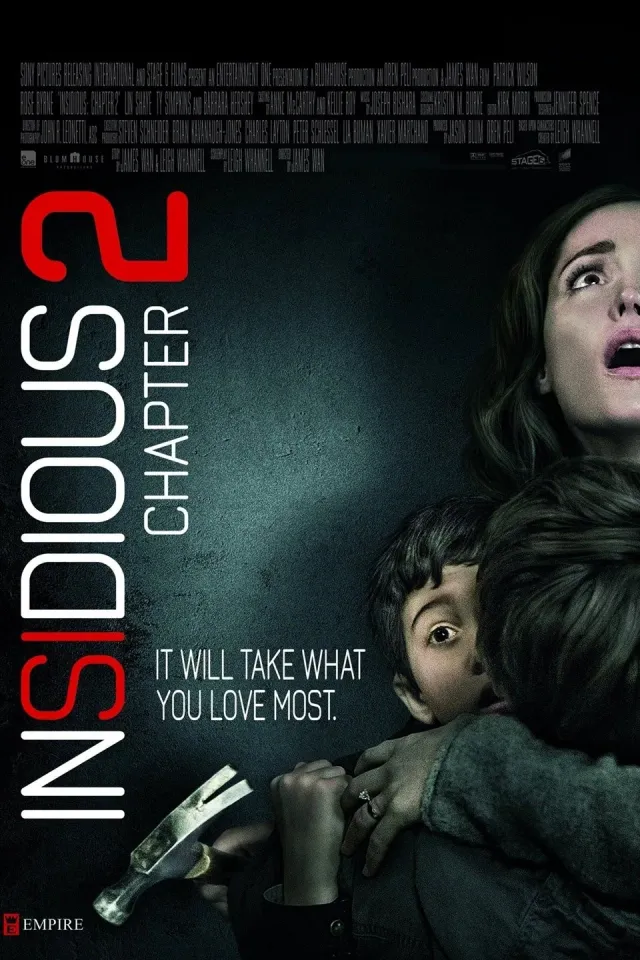
What changes The Conjuring: The Devil Made Me Do It: crime-mystery structure and investigation across locations. Insidious: Chapter 2: escalating and reveal-driven.
After a family survives a haunting, the danger follows them into a new house and begins attaching itself to the father’s unexplained behavior. Relatives and investigators revisit memories and old recordings to understand the link between the family and a violent presence. The sequel builds its scares around the possibility that home is no longer separate from the supernatural world.
Based on recorded story, mood and style. Your preferences can change the order.
Investigation
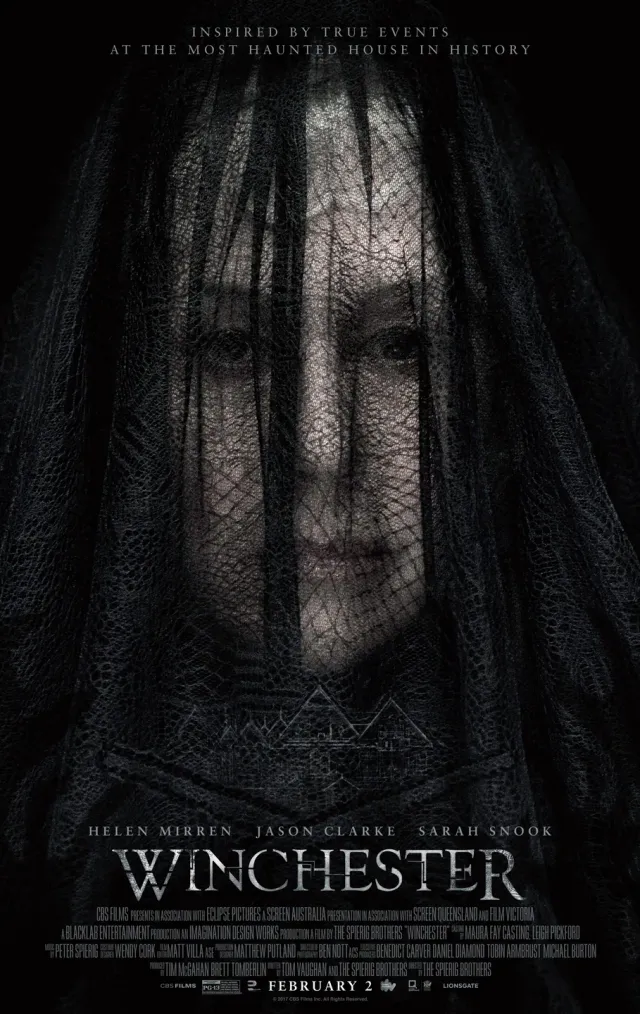
What changes The Conjuring: The Devil Made Me Do It: crime-mystery structure and investigation across locations. Winchester: house exploration gradually reframes price’s diagnosis and the haunting.
In 1906, psychiatrist Eric Price is sent to evaluate Sarah Winchester at her vast California mansion. The widow believes spirits of people killed by Winchester rifles haunt the family, and she continually alters the house to confuse them. As Price investigates the building and Sarah’s behavior, the supernatural horror story turns architecture into both a defensive ritual and a physical record of grief, guilt and inherited wealth.
Based on recorded story, mood and style. Your preferences can change the order.
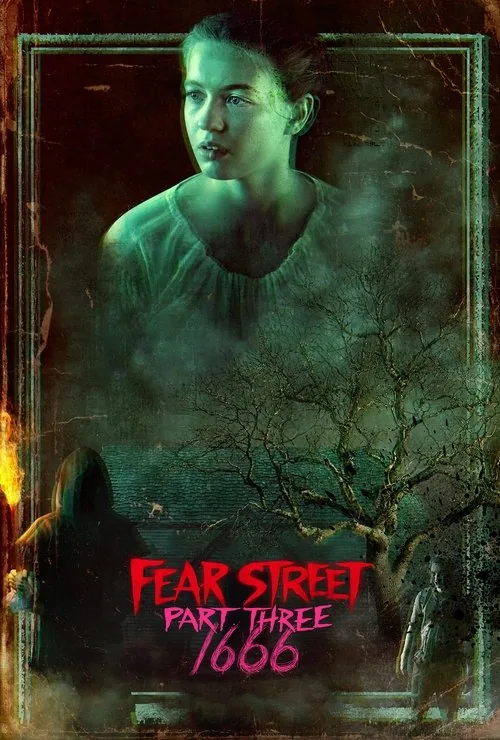
What changes The Conjuring: The Devil Made Me Do It: crime-mystery structure and investigation across locations. Fear Street Part 3: 1666: two-era structure, historical mystery into slasher action and trilogy-scale climax.
Deena’s search for the truth about Shadyside’s curse sends her into a vision of the town in 1666, where she experiences the story of Sarah Fier and the events that shaped the community’s reputation. The film then returns to 1994, where surviving friends must act on what they have learned before the curse claims more lives. Leigh Janiak’s final Fear Street installment joins colonial folk horror to slasher action and completes a trilogy designed to be watched as one connected story.
Both centre on inherited occult threat and institutional investigation.
Why this matches +
Genres: Horror
Shared film traits
Based on recorded story, mood and style. Your preferences can change the order.
Investigation
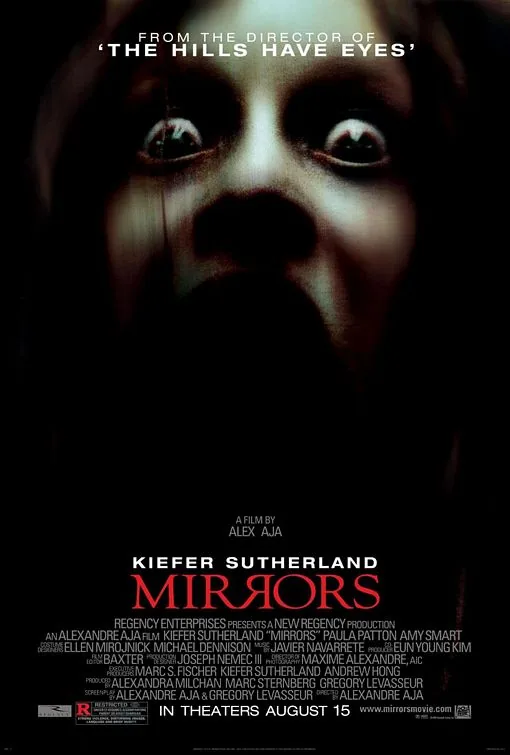
What changes The Conjuring: The Devil Made Me Do It: crime-mystery structure and investigation across locations. Mirrors: slow-building and shock-driven.
Former detective Ben Carson takes a night-watch job in a burned department store and discovers disturbing images in its mirrors. As the visions grow more threatening and reach beyond the building, he searches for the source while trying to protect his family. The supernatural horror combines a haunted-location premise with an investigation into the site’s past, making reflection a recurring image of danger and misrecognition.
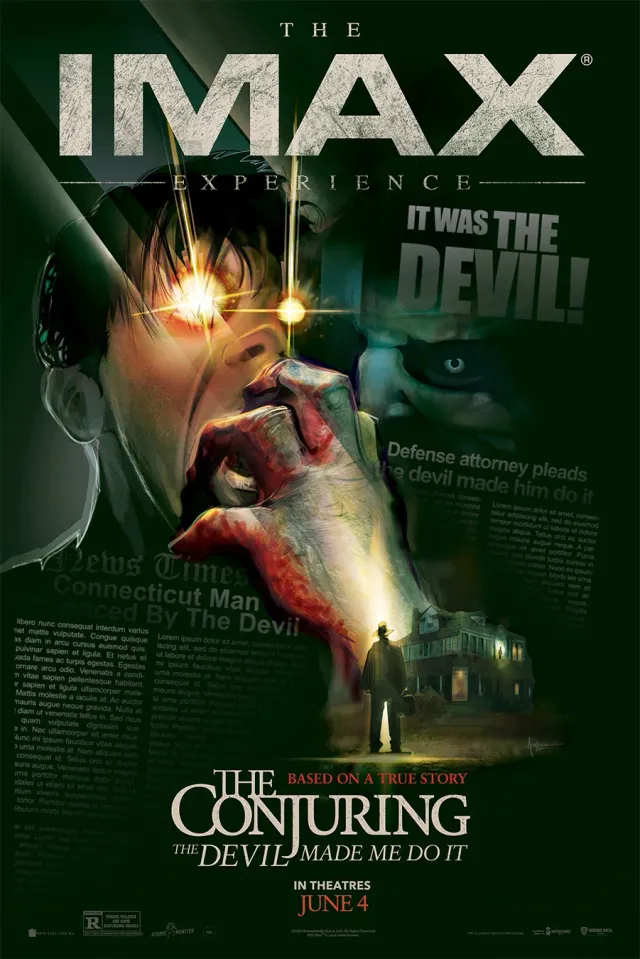
Ed and Lorraine Warren attend to David Glatzel during an alleged exorcism when Arne Johnson challenges the entity to leave the boy and enter him instead. Months later, Johnson kills his landlord, Alan Bono, and the Warrens connect the murder to a hidden occultist and a series of rituals. The film turns the 1981 case into a supernatural investigation that moves from a real manslaughter trial to a fictional curse plot. In court, the judge rejected possession as a defense and barred evidence about it; the movie’s occult chain of causation is franchise invention, not a factual finding about the killing. Lorraine’s visions and Ed’s injury structure the heroes’ search, but the central supernatural explanation remains the film’s horror premise.
What drives the story
The case becomes a supernatural pursuit when the Warrens link Johnson’s killing of Alan Bono to the earlier Glatzel exorcism. Historically, the judge rejected demonic possession as a defense; the film’s occultist and curse investigation are fictional additions.
The people at its centre
Ed's injury limits his role in the investigation, while Lorraine's visions make her indispensable but leave her exposed to the occultist she is tracking.
What it feels like
The film blends a true-crime premise with occult pursuit and franchise mythology, moving from courtroom stakes into a secretive antagonist's ritual space.
Worth knowing
A fit for supernatural crime horror that turns a real 1981 manslaughter case into franchise mythology. Possession was alleged, not established in court; viewers seeking a factual account of the case should choose documentary or historical reporting instead.
FaithCulpabilitySupernatural threat
Mood
Dark · Investigative · Urgent
Pacing
Crime-mystery structure · Investigation across locations
Visual style
Period supernatural thriller · Ritual imagery · Suburban horror