The case becomes a supernatural pursuit when the Warrens link Johnson’s killing of Alan Bono to the earlier Glatzel exorcism. Historically, the judge rejected demonic possession as a defense; the film’s occultist and curse investigation are fictional additions.
Why this matches +
These offer a related experience with a meaningful difference in story, tone, or presentation.
An adjacent discovery: a related idea with a different viewing experience.
Genres: Thriller / Horror
Shared film traits
Based on recorded story, mood and style. Your preferences can change the order.
Investigation
What changes A legal case connected to alleged demonic influence forces investigators to confront questions of belief and evidence; paranormal investigators rather than a defense attorney.
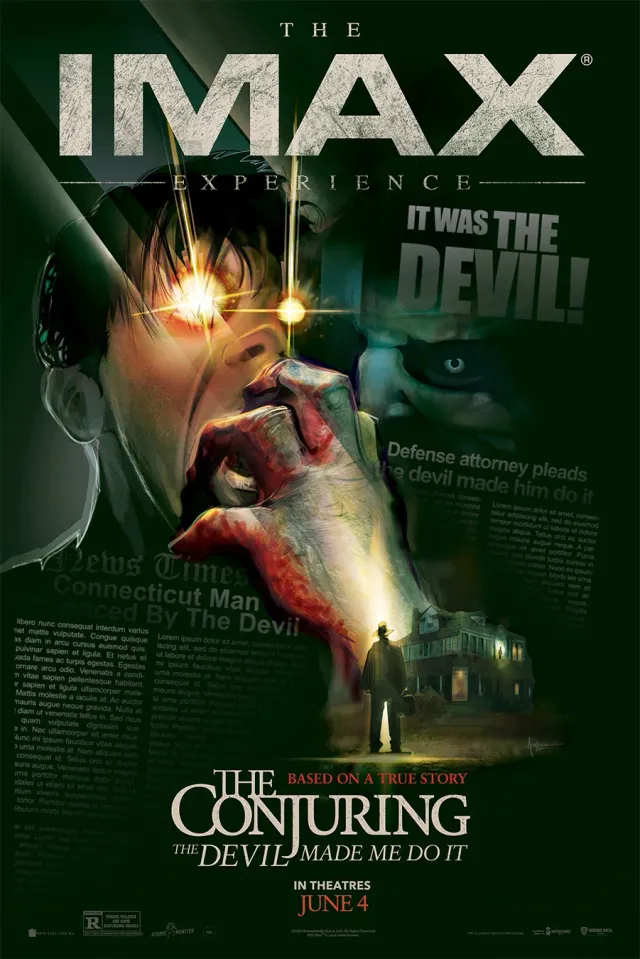
Ed and Lorraine Warren attend to David Glatzel during an alleged exorcism when Arne Johnson challenges the entity to leave the boy and enter him instead. Months later, Johnson kills his landlord, Alan Bono, and the Warrens connect the murder to a hidden occultist and a series of rituals. The film turns the 1981 case into a supernatural investigation that moves from a real manslaughter trial to a fictional curse plot. In court, the judge rejected possession as a defense and barred evidence about it; the movie’s occult chain of causation is franchise invention, not a factual finding about the killing. Lorraine’s visions and Ed’s injury structure the heroes’ search, but the central supernatural explanation remains the film’s horror premise.
A Vatican priest investigating a boy's possession uncovers a secret beneath an abandoned abbey.
Why this matches +
These offer a related experience with a meaningful difference in story, tone, or presentation.
An adjacent discovery: a related idea with a different viewing experience.
Genres: Horror / Thriller
Shared film traits
Based on recorded story, mood and style. Your preferences can change the order.
Investigation
What changes A priest investigates apparent possession and institutional religious secrets; a more action-oriented Vatican horror story.
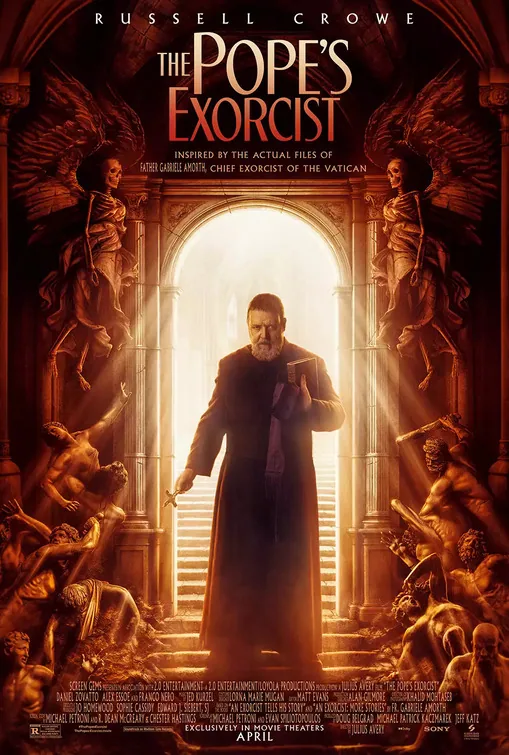
Vatican exorcist Father Gabriele Amorth is sent to investigate a boy's possession at an isolated Spanish abbey, where the case opens onto a buried history connected to the church. As Amorth works with the boy's mother and another priest, the story links a personal rescue to institutional secrecy. Julius Avery's supernatural horror film combines possession conventions with a detective-like inquiry and a charismatic clerical protagonist.
Each police case reveals details that make a purely ordinary explanation harder for the investigators to sustain.
Why this matches +
These offer a related experience with a meaningful difference in story, tone, or presentation.
An adjacent discovery: a related idea with a different viewing experience.
Genres: Horror / Thriller
Shared film traits
Based on recorded story, mood and style. Your preferences can change the order.
Investigation
What changes A skeptical investigator confronts alleged demonic possession while trying to explain violent events; police procedure rather than a courtroom defense.
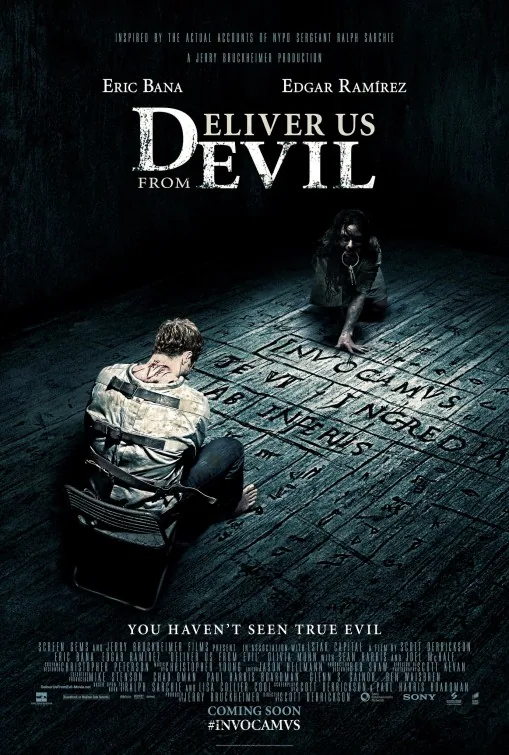
A New York police officer investigating a string of disturbing crimes meets a priest who believes the cases have a supernatural cause. Their uneasy partnership joins police procedure with religious ritual as the evidence points beyond ordinary criminal explanation. The horror thriller moves between family life and violent investigation, building its tension around whether skeptical institutions can respond to a threat they cannot classify.
A reluctant seminarian studies exorcism and encounters cases that unsettle his skepticism.
Why this matches +
These offer a related experience with a meaningful difference in story, tone, or presentation.
An adjacent discovery: a related idea with a different viewing experience.
Genres: Horror / Thriller
Shared film traits
Based on recorded story, mood and style. Your preferences can change the order.
What changes A skeptical religious trainee confronts possible possession while questioning the limits of faith and science; an exorcism investigation rather than a trial.
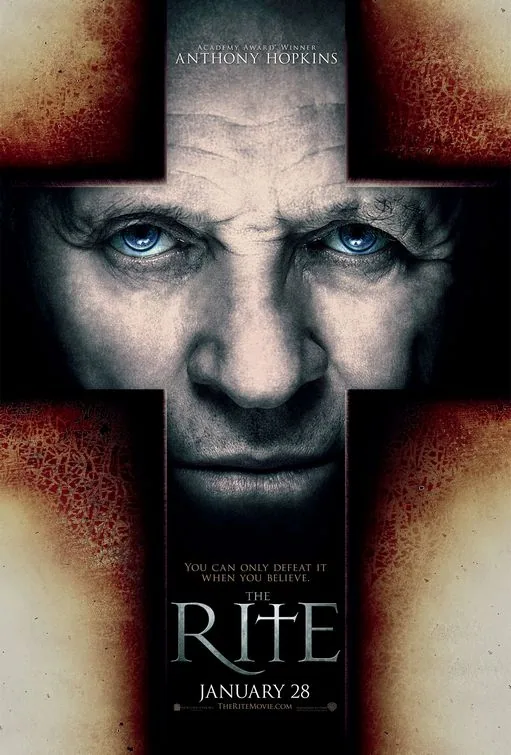
Seminarian Michael Kovak plans to leave the priesthood, but a mentor sends him to Rome for a course in exorcism. There he meets Father Lucas Trevant, an experienced priest whose cases test Michael's skepticism and his belief that psychological explanations can account for everything he sees. Mikael Håfström's supernatural thriller follows the young trainee through doubt, mentorship, and a confrontation that makes faith and responsibility personal.
Cotton’s stated mission to expose fraud shapes how he interprets each disturbing event.
Why this matches +
These offer a related experience with a meaningful difference in story, tone, or presentation.
An adjacent discovery: a related idea with a different viewing experience.
Genres: Horror / Thriller
Shared film traits
Based on recorded story, mood and style. Your preferences can change the order.
Investigation
What changes An exorcism investigation weighs deception, belief and a young woman's apparent possession; found-footage horror rather than courtroom testimony.
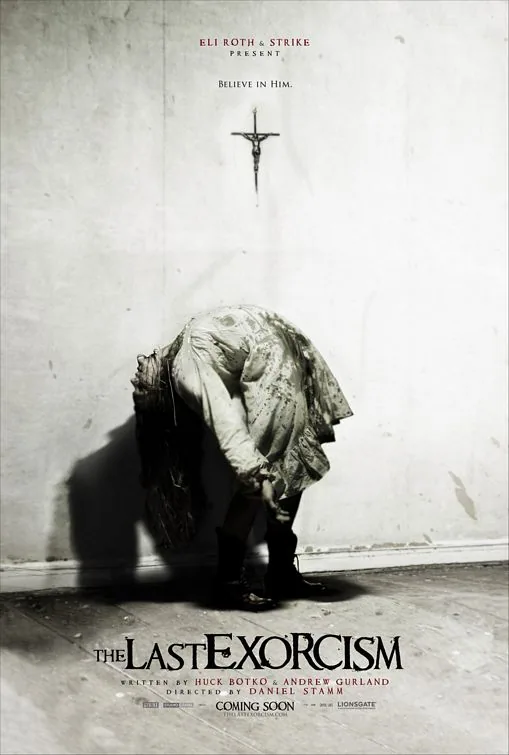
Reverend Cotton Marcus, a disillusioned minister who has staged fraudulent exorcisms, invites a documentary crew to record what he presents as one final exposure of the practice. At a Louisiana farm, the family’s request concerning their daughter Nell unsettles his skeptical explanations. The found-footage horror shifts from a debunking project toward uncertainty, testing the distance between performance, belief and what the camera can establish.
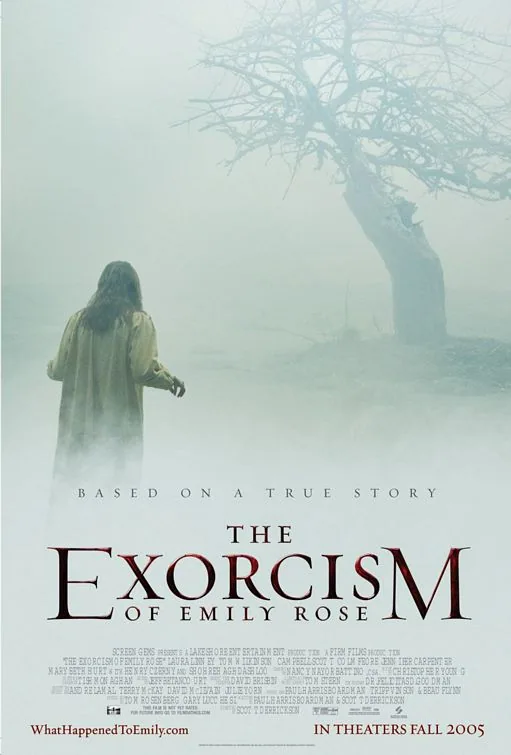
The Exorcism of Emily Rose (2005), directed by Scott Derrickson, follows A priest faces a criminal trial after performing an exorcism on a young woman who died during the ritual. A defense attorney initially approaches the case as a legal problem, then encounters testimony that challenges her certainty about the limits of rational explanation. The courtroom structure places questions of evidence and faith side by side, treating belief as a conflict of interpretation rather than an easy supernatural answer.
What drives the story
The prosecution and defense reconstruct the ritual through witnesses, allowing the trial to function as an investigation into responsibility and belief.
The people at its centre
The lawyer's skepticism is tested by the priest's account and the family's grief, while professional duties keep her engaged with an increasingly personal case.
What it feels like
Legal argument and flashback horror alternate, shifting the audience between procedural uncertainty and frightening recollection.
Worth knowing
It frames demonic possession through a contested trial, not through a conventional exorcist-versus-demon action plot.