Both share themes of gender, plus a bleak and disturbing atmosphere.
Why this matches +
Genres: Drama / Historical drama
Shared film traits
Based on recorded story, mood and style. Your preferences can change the order.
Power and authority · Family and care
What changes The Woman: slow escalation, confrontational and violent climax. The Devil's Bath: deliberate, oppressive and cumulative.
In eighteenth-century Austria, Agnes enters marriage with Wolf expecting a meaningful life but finds herself isolated in a rigid rural household. Religious doctrine, heavy labor and social convention leave little room to speak about despair or desire. As Agnes's distress deepens, the film observes a community whose beliefs give suffering a terrifying framework, turning a personal crisis into a stark study of historical gender roles, faith and mental anguish.
Based on recorded story, mood and style. Your preferences can change the order.
Survival
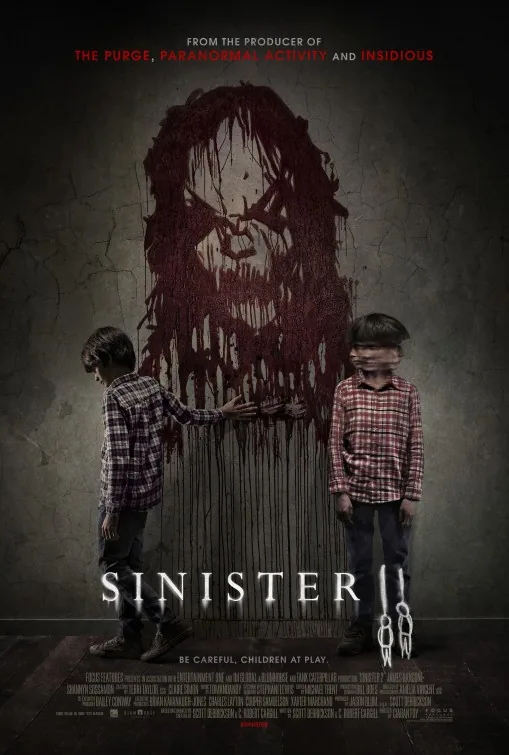
What changes The Woman: slow escalation, confrontational and violent climax. Sinister 2: gradual discovery escalates to a violent climax.
A mother hiding from an abusive husband moves with her twin sons into a rural house linked to a series of family murders. One boy becomes fascinated by disturbing films that reveal a supernatural force, while a former deputy tries to understand the pattern. The sequel combines domestic danger with occult horror, making the family’s attempt to escape one threat part of a larger struggle.
Both share themes of survival, plus a bleak atmosphere.
Why this matches +
Genres: Horror / Slasher
Shared film traits
Based on recorded story, mood and style. Your preferences can change the order.
Survival
What changes The Woman: slow escalation, confrontational and violent climax. The Texas Chainsaw Massacre: fast and chase-driven.
On a Texas road trip, Erin and her friends encounter a traumatized young woman who gets into their van and dies before explaining what happened to her. Their attempt to find local help draws them to the home of Sheriff Hoyt and the Hewitt family, whose hospitality conceals a threat. Leatherface begins hunting the group through the house and surrounding property, forcing Erin to improvise ways to protect herself and the remaining survivors. The remake retains the isolated rural setting and basic group-versus-family structure of the original, while adding a more explicit police authority figure and a polished early-2000s studio-horror look.
Based on recorded story, mood and style. Your preferences can change the order.
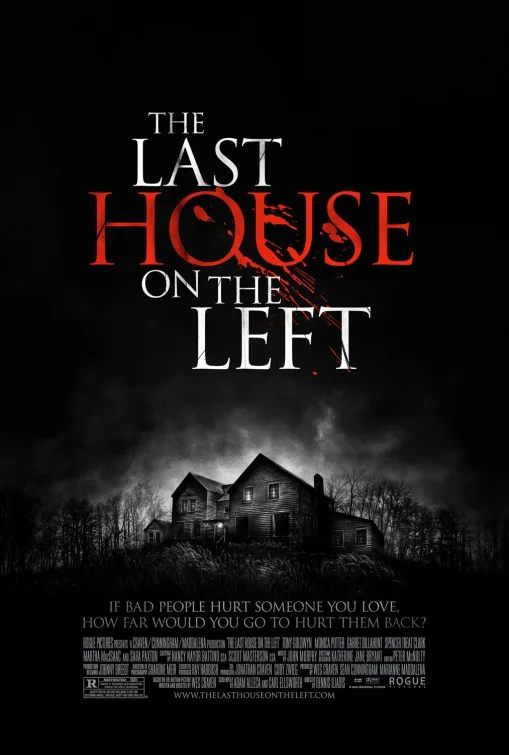
What changes The Woman: slow escalation, confrontational and violent climax. The Last House on the Left: escalating and survival-led.
A family’s quiet retreat is shattered after their daughter and her friend encounter a group of violent criminals. The parents unknowingly provide shelter to the same people and gradually learn what has happened, turning their home into the setting for an attempt at revenge. The remake is a graphic thriller about the collapse of safety and the moral cost of retaliatory violence, using ordinary domestic spaces to intensify its disturbing material.
Based on recorded story, mood and style. Your preferences can change the order.
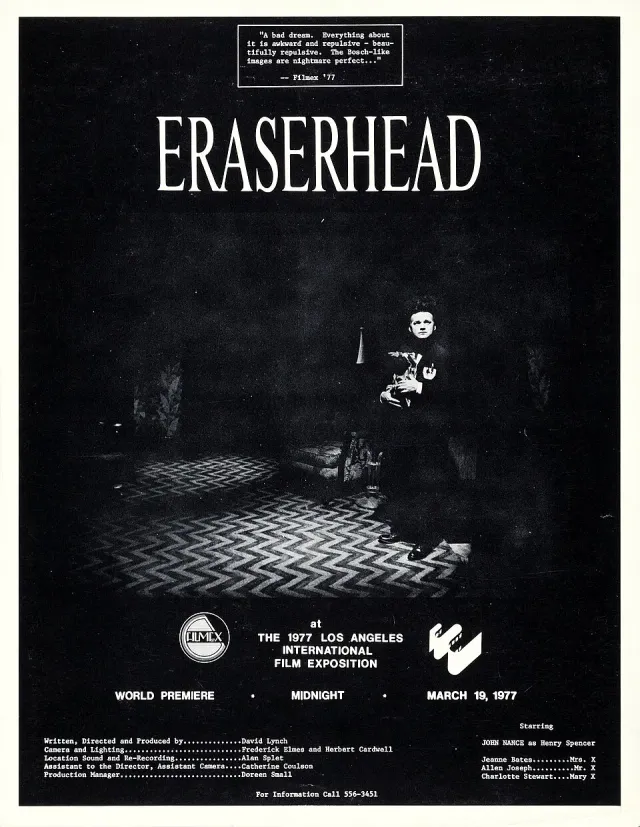
What changes The Woman: slow escalation, confrontational and violent climax. Eraserhead: slow burn.
A young man's awkward encounter with his girlfriend's family leads to a household organized around an infant whose needs and bodily form he cannot comfortably understand. Sleeplessness, industrial surroundings and recurring visions make intimacy and reproduction feel inseparable from dread. Attempts to distinguish escape, desire and responsibility become less secure as the film changes the boundaries between perception and event, keeping the domestic situation distressingly immediate without supplying one stable explanatory key. The film makes domestic responsibility feel material and inescapable while refusing to stabilize the events as literal realism.
Based on recorded story, mood and style. Your preferences can change the order.
Survival
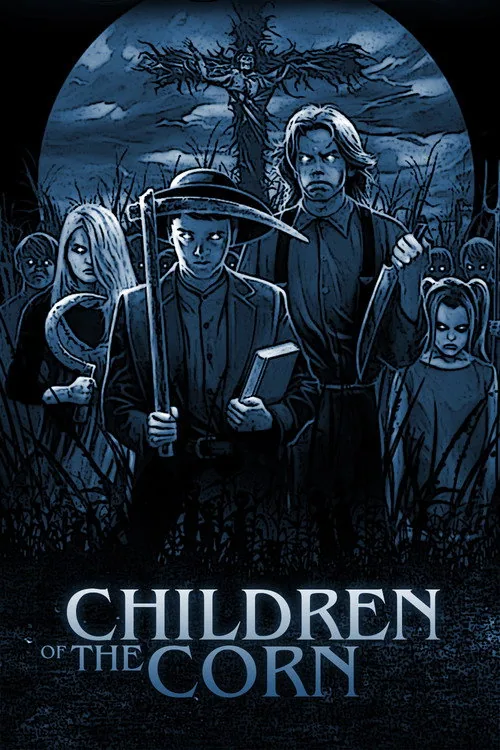
What changes The Woman: slow escalation, confrontational and violent climax. Children of the Corn: slow rural suspense, survival-driven escalation and horror set pieces.
After a failed harvest in Gatlin, Nebraska, a group of children led by Isaac Chroner forms a violent religious cult and murders the adults in town. Years later, traveling couple Burt and Vicky stop nearby after encountering a wounded boy and find themselves caught in the children's isolated world. The cornfields become both setting and source of supernatural menace as the couple tries to understand the rules that govern Gatlin. This adaptation of Stephen King's story combines rural folk horror with a survival narrative about adults facing a community where childhood has turned hostile.
Both share sequel, plus a confrontational and bleak atmosphere.
Why this matches +
Genres: Horror / Thriller
Shared film traits
Based on recorded story, mood and style. Your preferences can change the order.
Power and authority
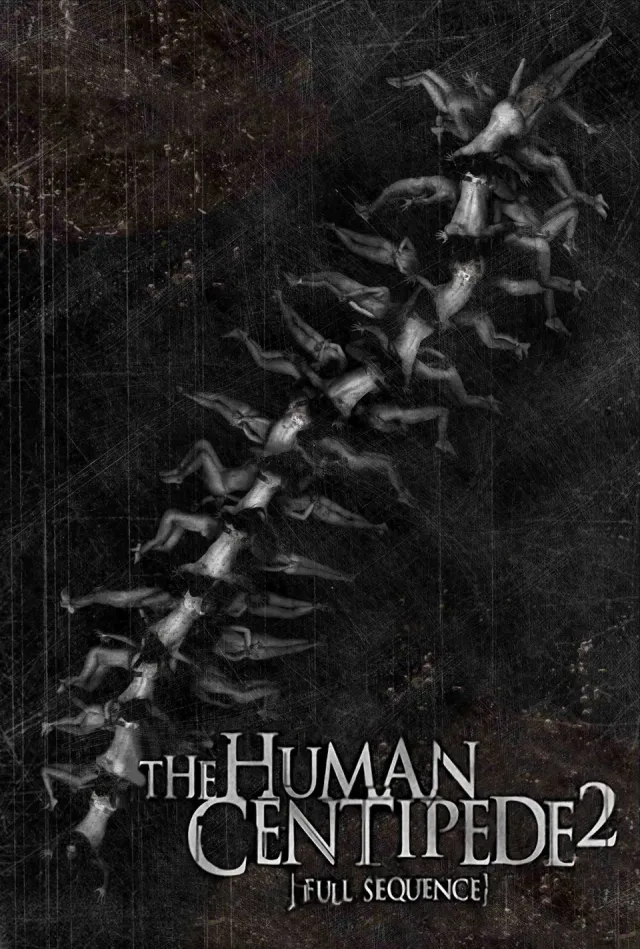
What changes The Woman: slow escalation, confrontational and violent climax. The Human Centipede 2: deliberate, escalating and shock-driven.
Martin works alone in a London parking garage and spends his free time obsessing over The Human Centipede, the film he watches repeatedly on his laptop. Living in isolation and under pressure from his mother and psychiatrist, he becomes fixated on recreating the premise with people he has encountered. Tom Six’s sequel turns a viewer’s disturbing identification with a fictional story into the source of a grim, self-aware horror narrative.
Based on recorded story, mood and style. Your preferences can change the order.
Survival
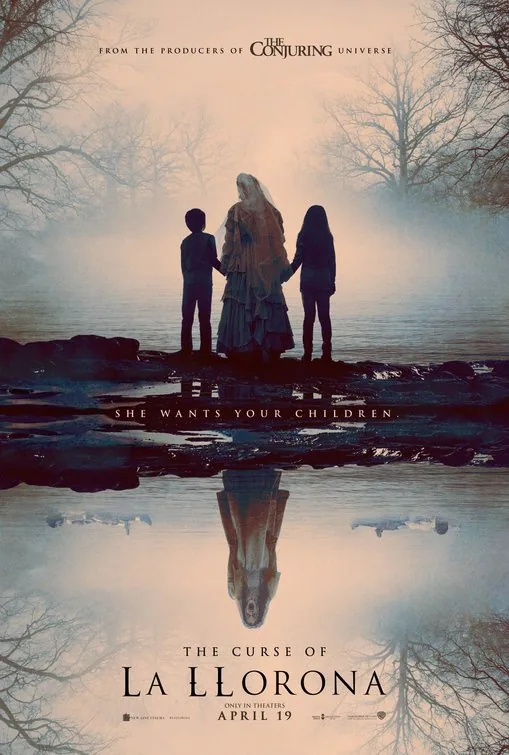
What changes The Woman: slow escalation, confrontational and violent climax. The Curse of La Llorona: escalating and haunting-driven.
In 1970s Los Angeles, social worker Anna Tate-Garcia investigates a family whose children fear a figure associated with the weeping woman of Mexican folklore. After a supernatural attack reaches Anna's own children, she seeks help from a former priest who understands the legend. The film links a specific family crisis to an older haunting, turning domestic spaces and nighttime streets into places of escalating danger.
Based on recorded story, mood and style. Your preferences can change the order.
Survival
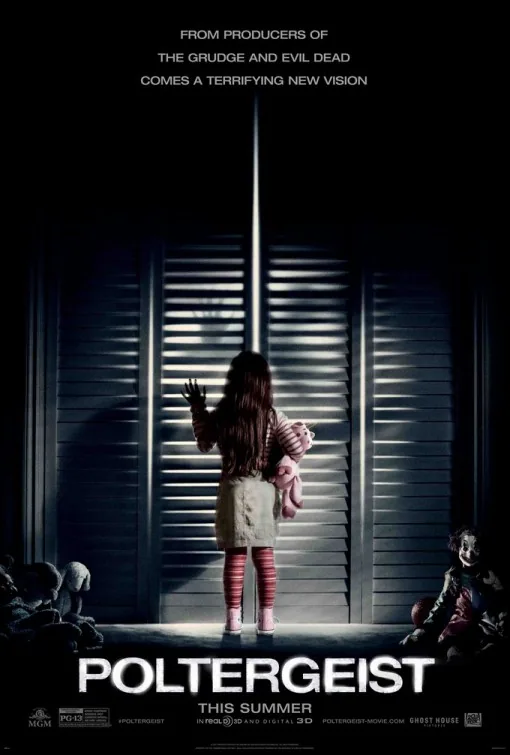
What changes The Woman: slow escalation, confrontational and violent climax. Poltergeist: escalating disturbances lead to a rescue climax.
A family moves into a suburban home where a series of increasingly dangerous supernatural events culminates in the disappearance of their youngest daughter. Her parents and siblings must work together with specialists to find her before the house’s presence becomes irreversible. The remake uses a familiar family-under-threat structure, pairing domestic warmth with haunted-house shocks and urgent rescue.
While hunting, rural lawyer Chris Cleek spots a feral woman living apart from society and captures her. He brings her to the cellar at home and orders his family to help make her civilized. His wife Belle and children respond in different ways to his control, exposing the violence and dysfunction that already shape their household. The film’s horror grows from the conflict between the captive woman’s resistance and the family’s inability to challenge Chris. A sequel to Offspring, it stages power and survival in a disturbing domestic setting.
What drives the story
Chris’s attempt to control a captive woman exposes fractures inside his own family and brings his household toward open revolt.
The people at its centre
The woman resists captivity while Belle and the children face pressure to obey Chris, creating shifting alliances inside the family.
What it feels like
The film uses a confined rural home and explicit horror to confront viewers with how domination is normalized within a household.
Worth knowing
Its extreme domestic captivity premise and continuation of Offspring make it a confrontational family-horror story rather than a creature pursuit film.