Both share themes of gender, plus a bleak and disturbing atmosphere.
Why this matches +
Genres: Drama / Horror
Shared film traits
Based on recorded story, mood and style. Your preferences can change the order.
Family and care · Social hierarchy
What changes The Devil's Bath: deliberate, oppressive and cumulative. The Woman: slow escalation, confrontational and violent climax.
While hunting, rural lawyer Chris Cleek spots a feral woman living apart from society and captures her. He brings her to the cellar at home and orders his family to help make her civilized. His wife Belle and children respond in different ways to his control, exposing the violence and dysfunction that already shape their household. The film’s horror grows from the conflict between the captive woman’s resistance and the family’s inability to challenge Chris. A sequel to Offspring, it stages power and survival in a disturbing domestic setting.
Based on recorded story, mood and style. Your preferences can change the order.
What changes The Devil's Bath: deliberate, oppressive and cumulative. Wolf Man: a domestic siege escalates as the infected father changes.
A father takes his family to his remote childhood home in Oregon, where an unseen animal attack appears to leave him infected with a strange condition. As his behavior and body change, his wife and daughter must decide how to protect themselves without losing sight of the person they love. The monster story reworks the werewolf myth as a family survival drama about illness, fear, and the instability of recognition.
Based on recorded story, mood and style. Your preferences can change the order.
Family and care · Mental health
What changes The Devil's Bath: deliberate, oppressive and cumulative. Prey for the Devil: classroom-to-crisis, escalating, conventional horror and climactic.
Sister Ann wants to train as an exorcist after a professor recognizes her ability to empathize with possessed people. At the Church’s reopened training school, she faces resistance to a nun learning a rite reserved for priests and is drawn into the case of a young girl whose possession echoes Ann’s memories of her mother. The horror drama links a supernatural confrontation with questions of authority, vocation and care for people in crisis.
Based on recorded story, mood and style. Your preferences can change the order.
What changes The Devil's Bath: deliberate, oppressive and cumulative. Titane: abrupt and escalating.
After surviving a childhood accident, Alexia develops an unsettling physical connection to machines and grows into an adult whose life is shaped by performance and violence. A series of events forces her to assume another person's identity and enter a household where a grieving father is desperate for a missing son. Julia Ducournau's body-horror drama moves between extremes to examine transformation, care and the need to belong.
Both share themes of isolation, plus a bleak atmosphere.
Why this matches +
Genres: Drama / Horror
Shared film traits
Based on recorded story, mood and style. Your preferences can change the order.
Family and care
What changes The Devil's Bath: deliberate, oppressive and cumulative. The Blackcoat's Daughter: slow-burn, elliptical and revelatory.
At an isolated Catholic boarding school during winter break, students Kat and Rose are left behind while the rest of the pupils go home. Rose is worried about a possible pregnancy, while Kat becomes increasingly withdrawn and experiences a disturbing presence within the school. A second storyline follows Joan, a young woman traveling with a couple who take her toward the same school. Oz Perkins gradually links the timelines as isolation, grief and the supernatural converge.
Based on recorded story, mood and style. Your preferences can change the order.
Social hierarchy · Power and authority
What changes The Devil's Bath: deliberate, oppressive and cumulative. The Cursed: slow-building, ominous, violent bursts and interwoven timelines.
In late nineteenth-century rural France, landowner Seamus Laurent orders a violent attack on a Romani community, setting off a curse that reaches into his family and the surrounding village. Decades later, a surgeon returning from the First World War encounters evidence of a supernatural threat tied to those events. The film combines gothic period drama, folklore and werewolf horror, connecting a community’s violence against outsiders to the fear that follows.
Based on recorded story, mood and style. Your preferences can change the order.
What changes The Devil's Bath: deliberate, oppressive and cumulative. Don't Worry Darling: slow-burn and escalating.
A young wife in a carefully arranged desert company town begins noticing small breaks in its promise of perfect domestic happiness. Her husband and neighbors treat each anomaly as proof that she is unwell, making doubt itself part of the trap. As she investigates the town’s leadership, the story shifts from pastel social ritual into a fight to reclaim choice and reality.
Based on recorded story, mood and style. Your preferences can change the order.
What changes The Devil's Bath: deliberate, oppressive and cumulative. Lights Out: compact and escalating.
After a series of frightening attacks, a young woman realizes that a shadowy presence is linked to her mother’s illness and can move when the lights go out. She returns to help her half-brother, who is frightened and increasingly alone with their mother. The story makes darkness an immediate physical rule, using the family’s efforts to protect one another as its emotional center.
Based on recorded story, mood and style. Your preferences can change the order.
Family and care · Mental health
What changes The Devil's Bath: deliberate, oppressive and cumulative. The Twin: slow-burn, gradually unsettling, mystery-driven and climactic.
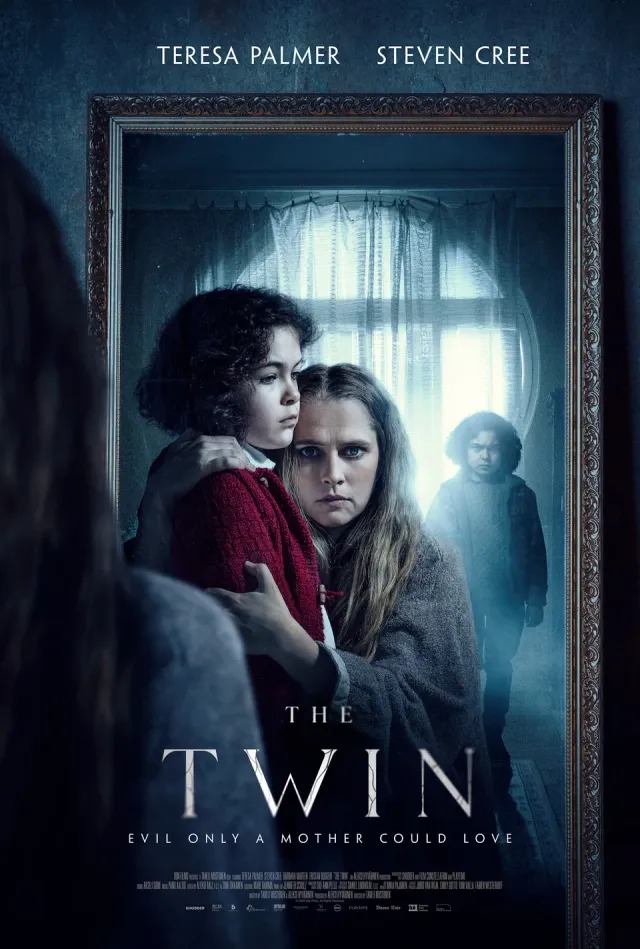
After losing one of their twin sons, Rachel and Anthony move with their surviving child to Finland, hoping distance will help the family grieve. Elliot begins speaking of his dead brother and behaving in ways Rachel cannot explain. As she searches for answers, the welcoming community offers a spiritual explanation that complicates her trust in her own perceptions. The film develops maternal grief into a supernatural story about family, belief and the temptation to trade uncertainty for certainty.
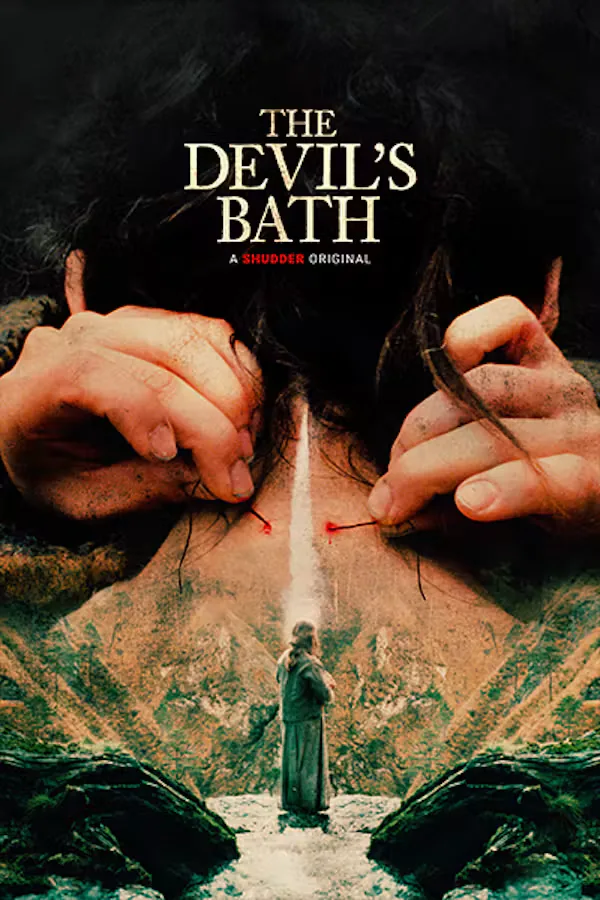
In eighteenth-century Austria, Agnes enters marriage with Wolf expecting a meaningful life but finds herself isolated in a rigid rural household. Religious doctrine, heavy labor and social convention leave little room to speak about despair or desire. As Agnes's distress deepens, the film observes a community whose beliefs give suffering a terrifying framework, turning a personal crisis into a stark study of historical gender roles, faith and mental anguish.
What drives the story
A newly married woman experiences severe despair in a rural society with few ways to seek help.
The people at its centre
Agnes and Wolf are shaped by different expectations of marriage, devotion and daily survival.
What it feels like
Muted landscapes and patient observation make historical suffering feel embodied rather than distant.
Worth knowing
The horror emerges from social beliefs and pressures, not a conventional supernatural antagonist.