Explore films connected to The Cursed through persecution, retribution, colonial violence. Choose the qualities you want to carry into your next watch.
What should feel similar?
Find your next favourite
9 films · Closest overall matches
Hide films you’ve seen or don’t want. Saved on this device.
No matches for this combination yet.
Try another option or reset your choices to see more films.
Based on recorded story, mood and style. Your preferences can change the order.
Survival
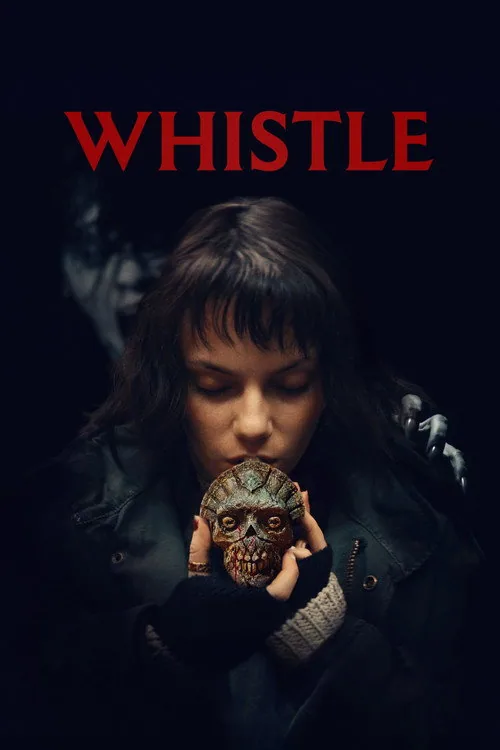
What changes The Cursed: slow-building, ominous, violent bursts and interwoven timelines. Whistle: discovery introduces the artifact, whistle activates the threat and students search for a way to break the curse.
A group of high-school students discovers an ancient Aztec death whistle, unaware that its sound will set a supernatural threat on their path. After the whistle is blown, the students learn that the deaths summoned by its call are connected to how each person would eventually die. They try to understand the artifact and escape the fate it seems to bring forward, while their relationships and fears shape how they respond. This supernatural horror film uses a cursed object and a teen ensemble to create a chase against an inescapable version of death.
Based on recorded story, mood and style. Your preferences can change the order.
Survival
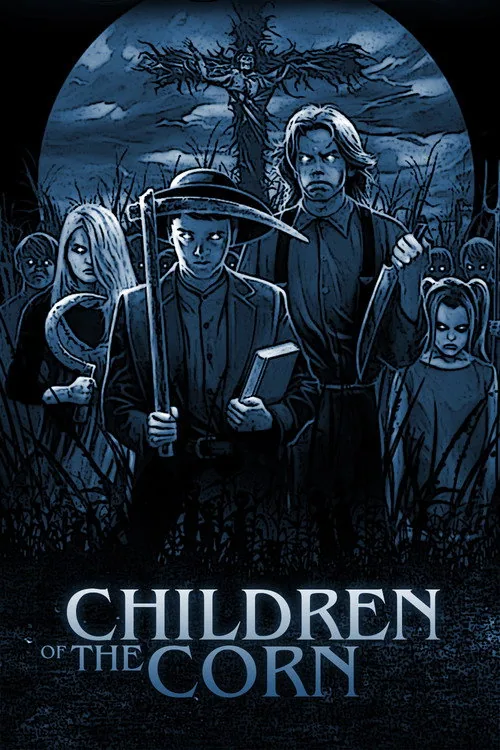
What changes The Cursed: slow-building, ominous, violent bursts and interwoven timelines. Children of the Corn: slow rural suspense, survival-driven escalation and horror set pieces.
After a failed harvest in Gatlin, Nebraska, a group of children led by Isaac Chroner forms a violent religious cult and murders the adults in town. Years later, traveling couple Burt and Vicky stop nearby after encountering a wounded boy and find themselves caught in the children's isolated world. The cornfields become both setting and source of supernatural menace as the couple tries to understand the rules that govern Gatlin. This adaptation of Stephen King's story combines rural folk horror with a survival narrative about adults facing a community where childhood has turned hostile.
Based on recorded story, mood and style. Your preferences can change the order.
Survival
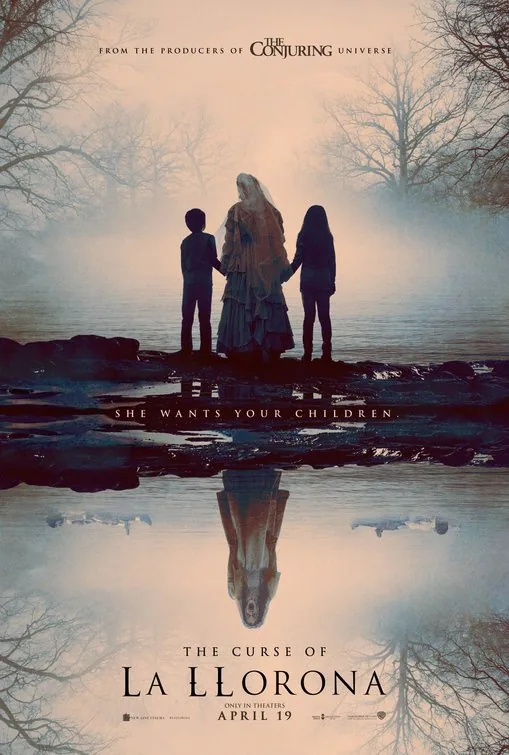
What changes The Cursed: slow-building, ominous, violent bursts and interwoven timelines. The Curse of La Llorona: escalating and haunting-driven.
In 1970s Los Angeles, social worker Anna Tate-Garcia investigates a family whose children fear a figure associated with the weeping woman of Mexican folklore. After a supernatural attack reaches Anna's own children, she seeks help from a former priest who understands the legend. The film links a specific family crisis to an older haunting, turning domestic spaces and nighttime streets into places of escalating danger.
Based on recorded story, mood and style. Your preferences can change the order.
Survival
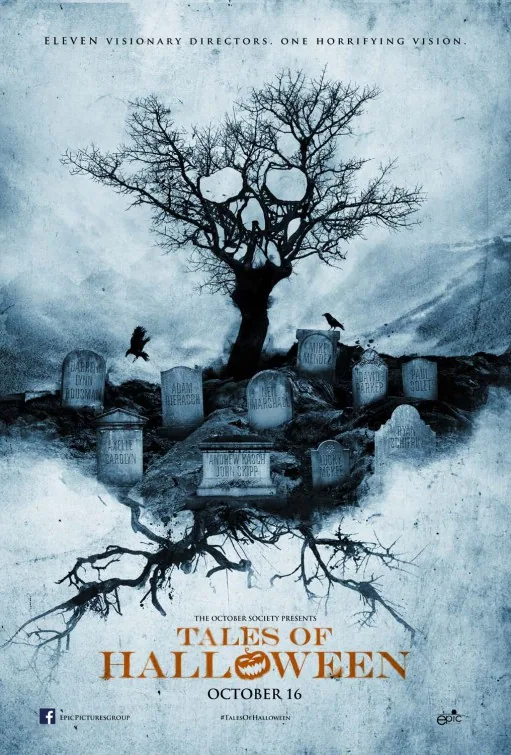
What changes The Cursed: slow-building, ominous, violent bursts and interwoven timelines. Tales of Halloween: episodic, varied and quickly shifting.
On Halloween night in a small American town, children, parents, trick-or-treaters and other residents encounter an escalating set of strange events. The film gathers ten short horror stories from different directors, moving among supernatural threats, masked figures, monsters and ordinary people whose holiday routines turn dangerous. Their shared date and setting connect the episodes into a broad seasonal anthology rather than a single continuous mystery.
Based on recorded story, mood and style. Your preferences can change the order.
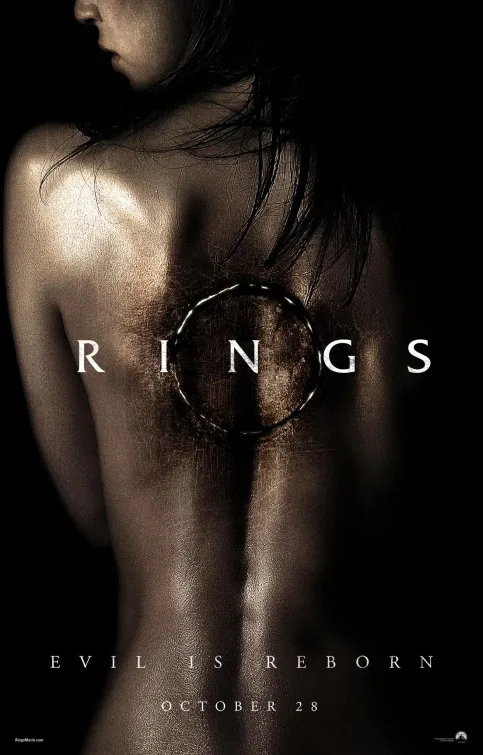
What changes The Cursed: slow-building, ominous, violent bursts and interwoven timelines. Rings: mystery clues accumulate before supernatural attacks.
A young woman becomes involved with a mysterious video that appears to predict the death of anyone who watches it unless they pass it on. Her search for the recording’s origin leads into a history of exploitation and supernatural danger. The horror sequel mixes investigation with a curse mechanism, turning curiosity and the circulation of media into risks that are difficult to escape.
Based on recorded story, mood and style. Your preferences can change the order.
Survival
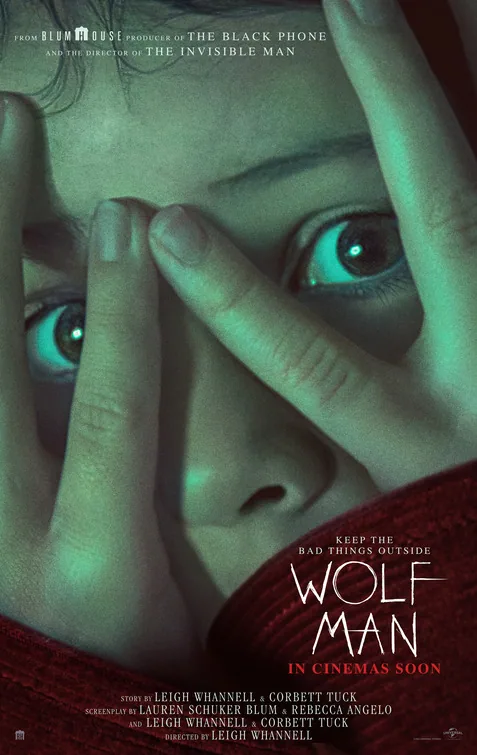
What changes The Cursed: slow-building, ominous, violent bursts and interwoven timelines. Wolf Man: a domestic siege escalates as the infected father changes.
A father takes his family to his remote childhood home in Oregon, where an unseen animal attack appears to leave him infected with a strange condition. As his behavior and body change, his wife and daughter must decide how to protect themselves without losing sight of the person they love. The monster story reworks the werewolf myth as a family survival drama about illness, fear, and the instability of recognition.
Based on recorded story, mood and style. Your preferences can change the order.
Survival · Power and authority
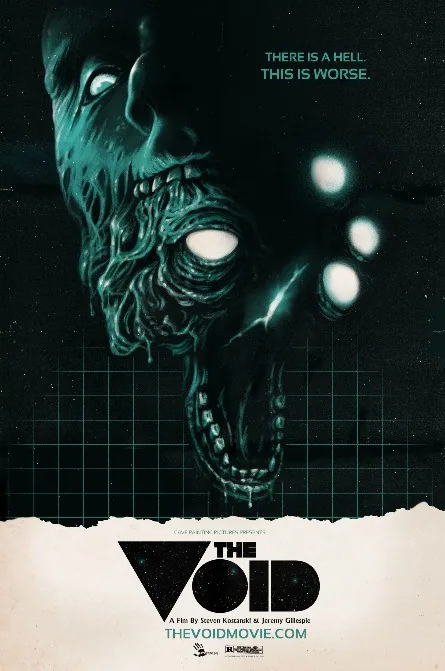
What changes The Cursed: slow-building, ominous, violent bursts and interwoven timelines. The Void: crisis-driven, rapid escalation and contained siege structure.
Police officer Daniel Carter brings an injured stranger to a nearly empty hospital on the edge of town. Once inside, patients and staff find themselves surrounded by hooded figures and cut off from help. As disturbing changes spread through the hospital, Carter and the survivors try to find a way out while uncovering a cult’s connection to the place. Jeremy Gillespie and Steven Kostanski build the film around a single besieged location and increasingly grotesque body-horror imagery.
Based on recorded story, mood and style. Your preferences can change the order.
War and civilian life
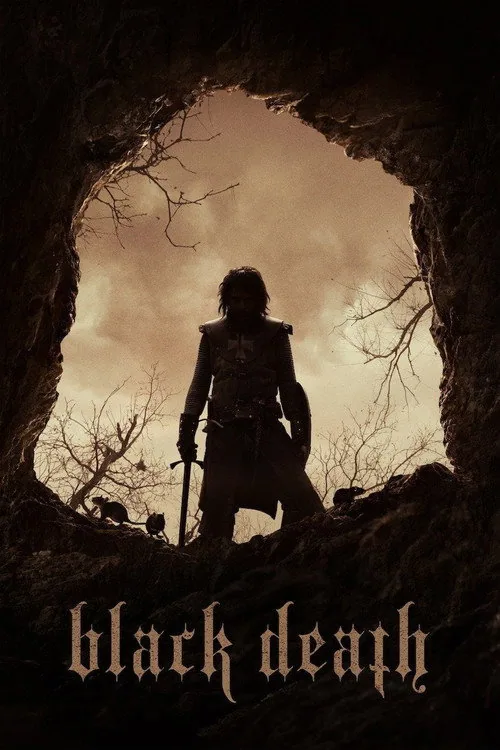
What changes The Cursed: slow-building, ominous, violent bursts and interwoven timelines. Black Death: journey through infected country, village confrontation and violent moral collapse.
During the 1348 plague, novice monk Osmund leaves his monastery to guide a knight named Ulric and his soldiers toward a village rumored to be untouched by disease. Osmund hopes the journey will also reunite him with Averill, the woman he loves. The group finds a community led by a woman accused of witchcraft, and religious certainty gives way to suspicion and cruelty. The medieval horror drama uses the plague journey to test faith, fanaticism, and the violence people commit when they believe they are enforcing divine justice.
Based on recorded story, mood and style. Your preferences can change the order.
Survival · Power and authority
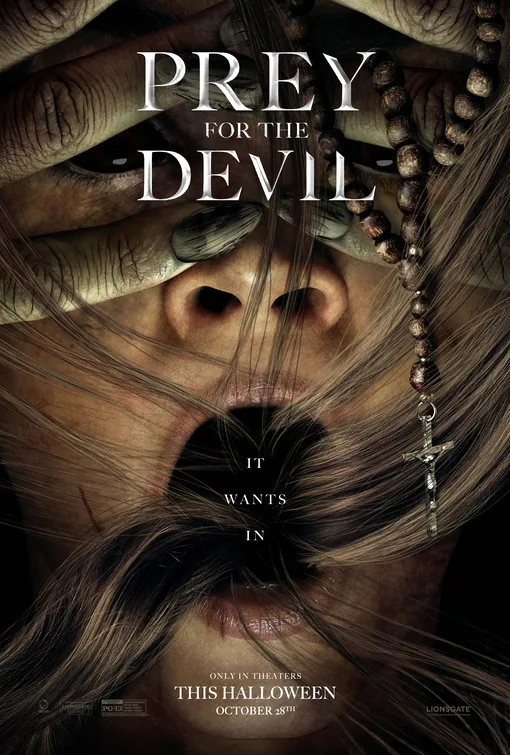
What changes The Cursed: slow-building, ominous, violent bursts and interwoven timelines. Prey for the Devil: classroom-to-crisis, escalating, conventional horror and climactic.
Sister Ann wants to train as an exorcist after a professor recognizes her ability to empathize with possessed people. At the Church’s reopened training school, she faces resistance to a nun learning a rite reserved for priests and is drawn into the case of a young girl whose possession echoes Ann’s memories of her mother. The horror drama links a supernatural confrontation with questions of authority, vocation and care for people in crisis.
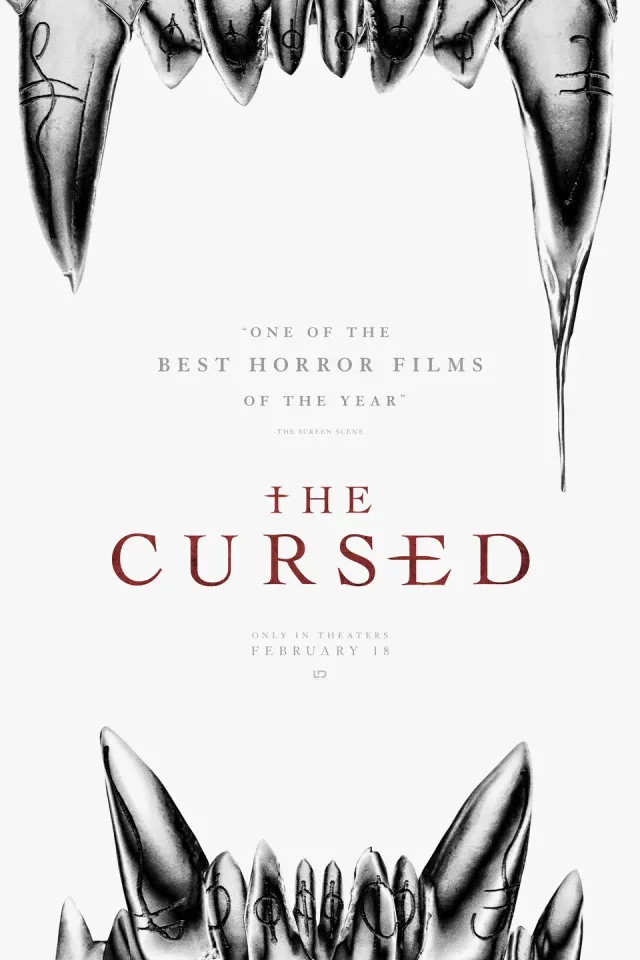
In late nineteenth-century rural France, landowner Seamus Laurent orders a violent attack on a Romani community, setting off a curse that reaches into his family and the surrounding village. Decades later, a surgeon returning from the First World War encounters evidence of a supernatural threat tied to those events. The film combines gothic period drama, folklore and werewolf horror, connecting a community’s violence against outsiders to the fear that follows.
What drives the story
A land baron’s attack on a Romani community is followed by a curse that reshapes family life and attracts a surgeon’s investigation.
The people at its centre
The Laurent family’s confidence in social power erodes as the curse makes the violence behind their position impossible to ignore.
What it feels like
Gothic imagery and a wartime frame connect folk horror to a history of targeted violence and community fear.
Worth knowing
A bleak period werewolf story for viewers interested in gothic atmosphere, folklore and historical horror.