Explore films connected to Black Death through faith and doubt, fanaticism and violence, love and moral choice. Choose the qualities you want to carry into your next watch.
What should feel similar?
Find your next favourite
9 films · Closest overall matches
Hide films you’ve seen or don’t want. Saved on this device.
No matches for this combination yet.
Try another option or reset your choices to see more films.
Based on recorded story, mood and style. Your preferences can change the order.
War and civilian life
What changes Black Death: journey through infected country, village confrontation and violent moral collapse. The Cursed: slow-building, ominous, violent bursts and interwoven timelines.
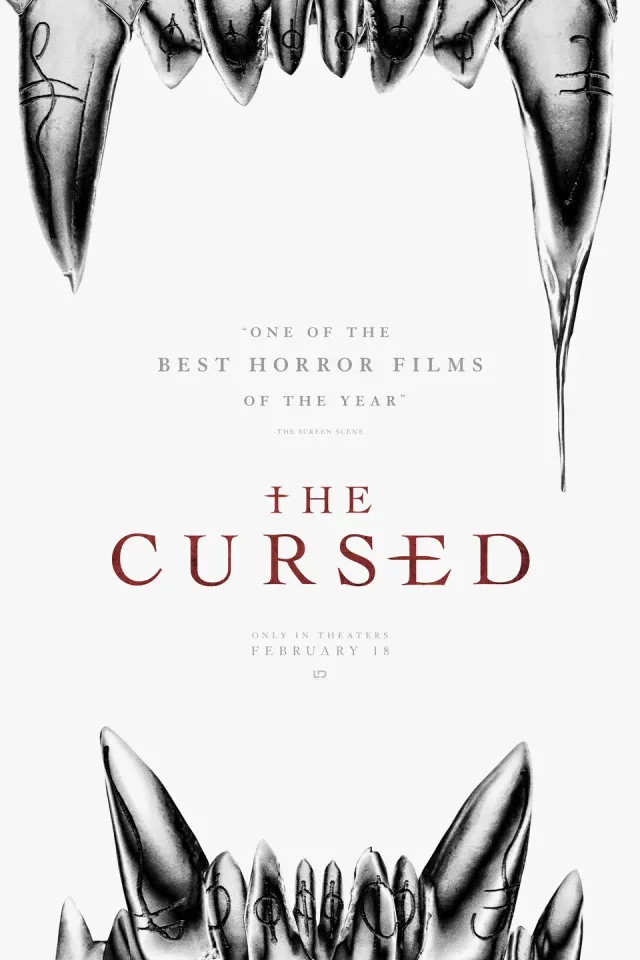
In late nineteenth-century rural France, landowner Seamus Laurent orders a violent attack on a Romani community, setting off a curse that reaches into his family and the surrounding village. Decades later, a surgeon returning from the First World War encounters evidence of a supernatural threat tied to those events. The film combines gothic period drama, folklore and werewolf horror, connecting a community’s violence against outsiders to the fear that follows.
Based on recorded story, mood and style. Your preferences can change the order.
What changes Black Death: journey through infected country, village confrontation and violent moral collapse. The Reaping: escalating and supernatural suspense.
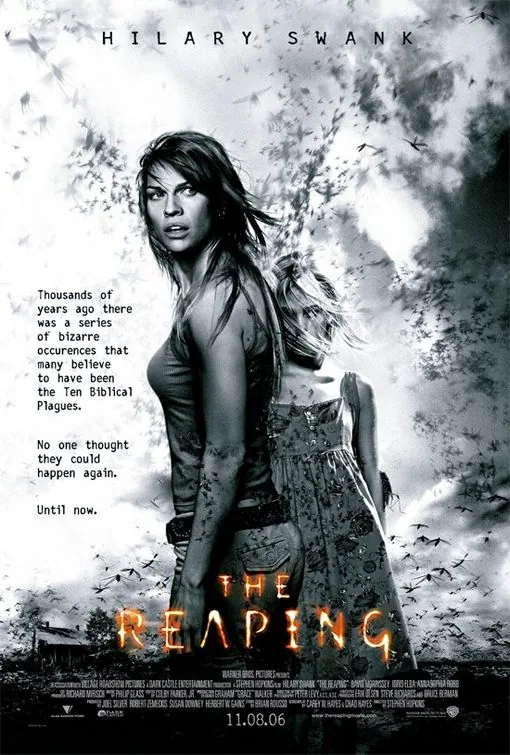
A former missionary turned investigator studies events that appear to resemble biblical plagues in a Louisiana town. The local residents interpret the incidents through religious belief, while the investigator initially looks for scientific explanations and evidence. As the crisis grows, her own loss and personal history affect the inquiry. The supernatural thriller uses a conflict between belief and skepticism to create suspense around whether the town’s events can be explained by ordinary causes.
Based on recorded story, mood and style. Your preferences can change the order.
Political resistance
What changes Black Death: journey through infected country, village confrontation and violent moral collapse. Leviticus: a concealed romance escalates into a community-driven supernatural ordeal.
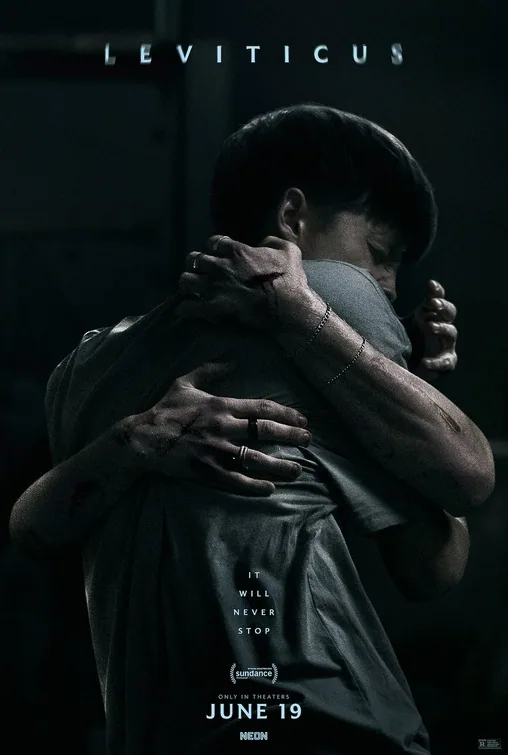
After his father dies, Naim moves with his mother into a devout religious town and falls for Ryan, another local teenager. When jealousy and shame expose their relationship, the community subjects the boys to a ritual meant to purge their desire. The supernatural horror grounds its threat in social persecution, showing how religious authority and fear can turn an intimate relationship into a source of danger.
Based on recorded story, mood and style. Your preferences can change the order.
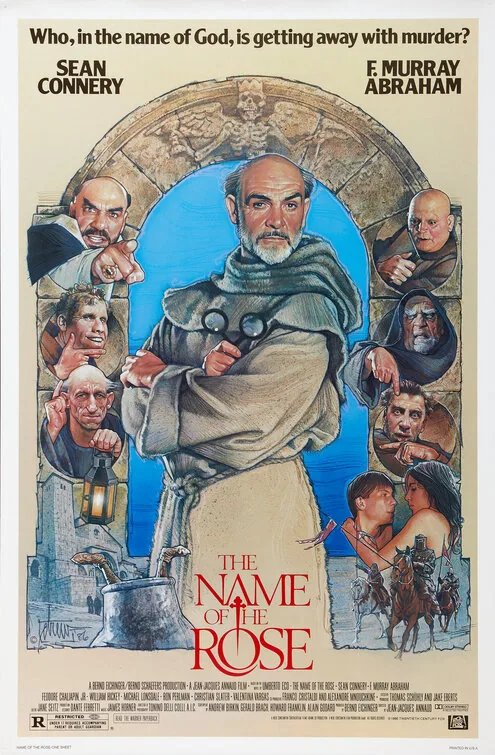
What changes Black Death: journey through infected country, village confrontation and violent moral collapse. The Name of the Rose: slow burn.
A Franciscan friar and his novice arrive at a remote medieval abbey for a theological gathering and begin investigating a monk's death. Further deaths make the library's restricted knowledge and the community's concealed desires increasingly consequential. With an inquisitor approaching, the friar's reliance on observation competes with authorities ready to impose an explanation that protects doctrine and punishes convenient suspects.
Based on recorded story, mood and style. Your preferences can change the order.
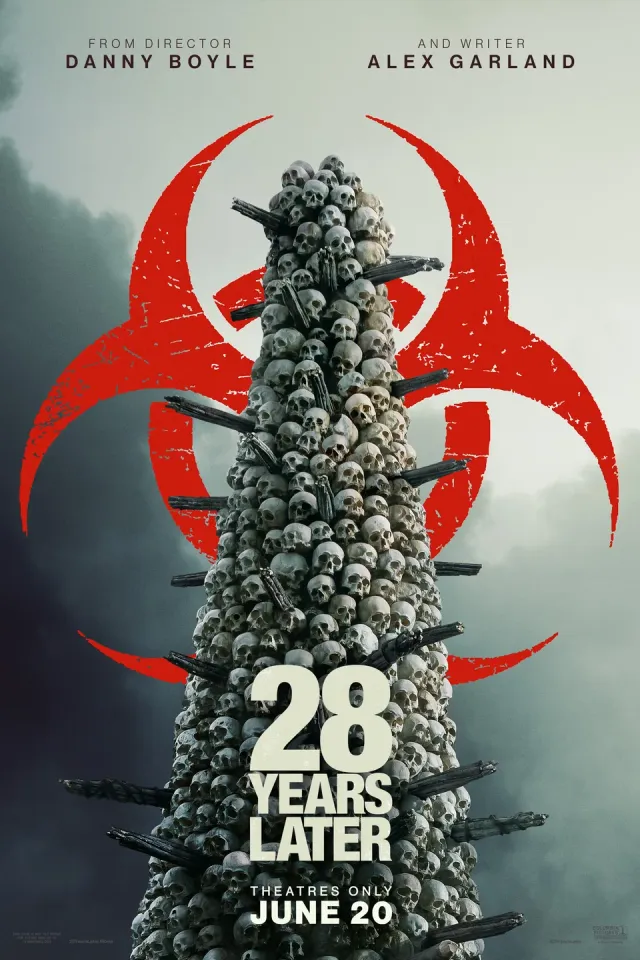
What changes Black Death: journey through infected country, village confrontation and violent moral collapse. 28 Years Later: uneven and intense.
Decades after the rage virus isolates Britain, a boy from an island community accompanies his father onto the infected mainland as a rite of passage. The journey exposes both surviving threats and uncomfortable truths about adult life. Concern for his sick mother later draws him beyond the settlement again, where a stranger's treatment of death challenges the community's fearful understanding of the world.
Based on recorded story, mood and style. Your preferences can change the order.
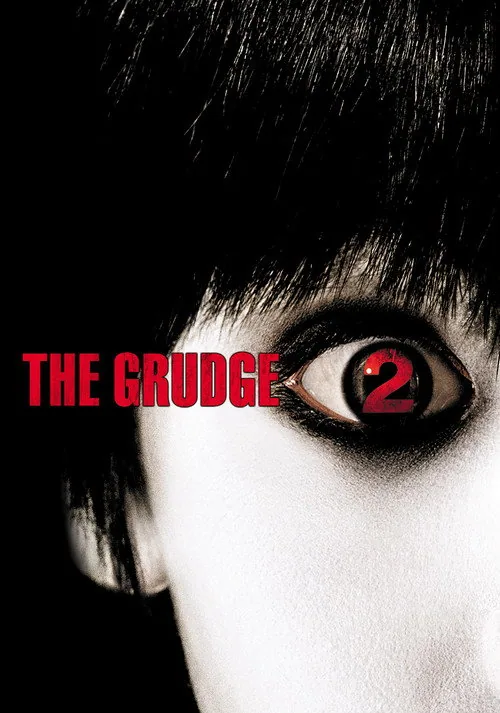
What changes Black Death: journey through infected country, village confrontation and violent moral collapse. The Grudge 2: intercut character introductions, uneasy supernatural escalation and cumulative dread.
After the curse surrounding the Saeki house reaches beyond its original victims, three intertwined stories follow people drawn into its expanding chain of terror. Karen's sister Aubrey travels to Tokyo after learning Karen is hospitalized, while a schoolgirl named Allison and two classmates enter the infamous house and encounter its ghosts. In Chicago, young Jake senses the same presence in his apartment building. Told out of sequence, the episodes show how rage and grief turn each encounter into another link in the haunting.
Based on recorded story, mood and style. Your preferences can change the order.
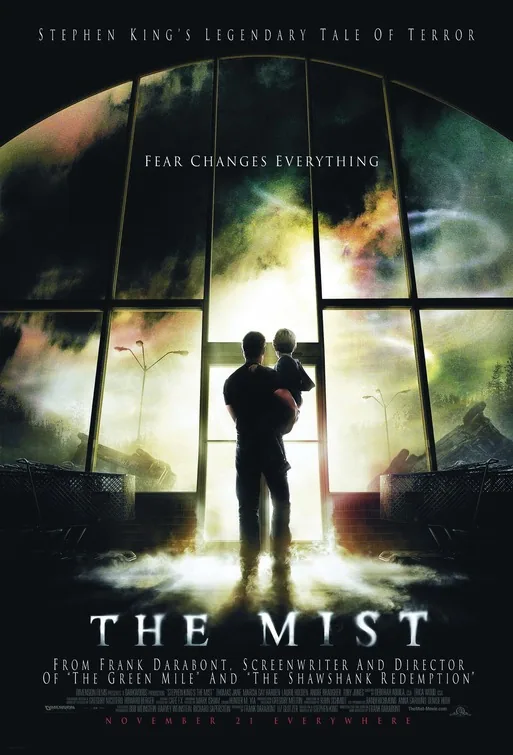
What changes Black Death: journey through infected country, village confrontation and violent moral collapse. The Mist: measured and escalating.
After a storm, a father and son become trapped in a supermarket as an unnatural mist hides lethal creatures outside. Attempts to understand the danger are frustrated by poor visibility and mounting panic. Inside, a self-appointed religious leader gains followers by turning fear into certainty, forcing the survivors to decide whether remaining together still offers protection.
Based on recorded story, mood and style. Your preferences can change the order.
Political resistance
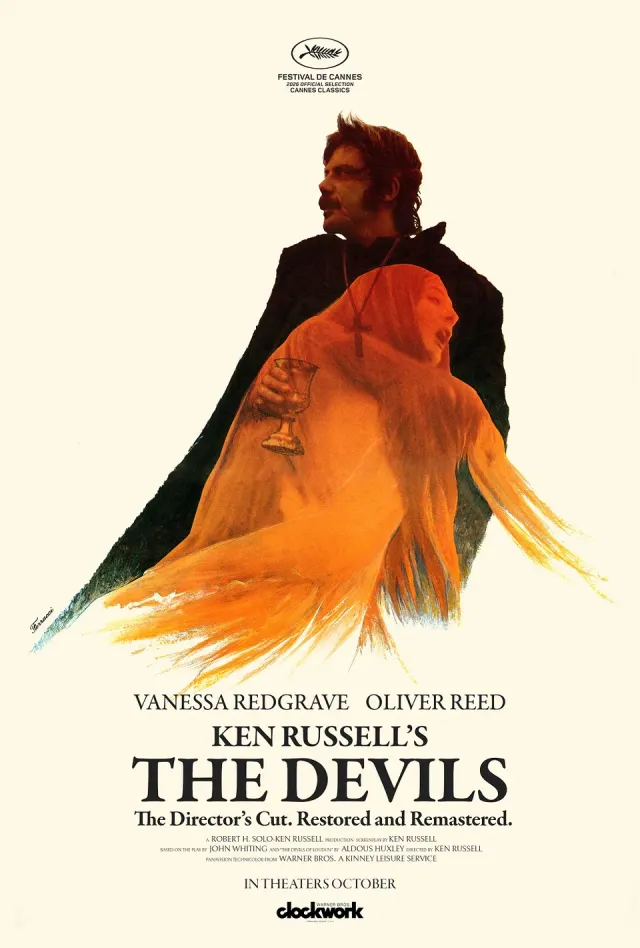
What changes Black Death: journey through infected country, village confrontation and violent moral collapse. The Devils: operatic and intense.
In seventeenth-century Loudun, the powerful priest Urbain Grandier becomes entangled in a struggle among church authority, state power, and a convent's accusations of demonic possession. Ken Russell stages the resulting campaign as a collision of political calculation, religious fervor, sexual repression, and public spectacle. The film's intense theatrical images make institutional persecution feel both intimate and civic: personal desire becomes evidence, and a town's institutions turn belief into a means of control.
Based on recorded story, mood and style. Your preferences can change the order.
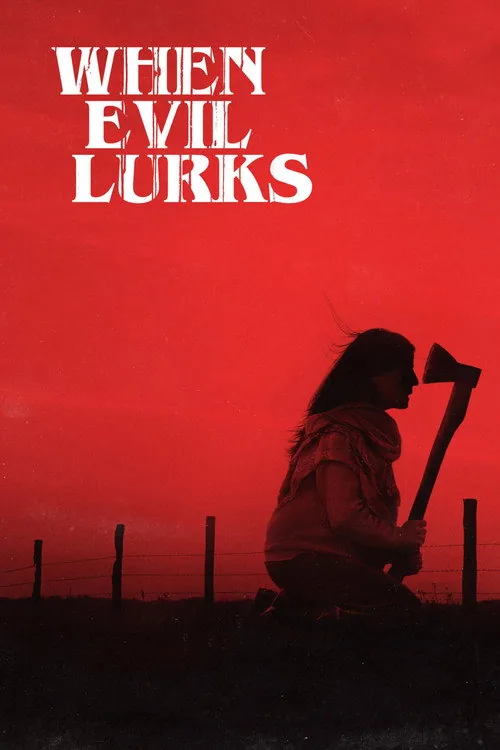
What changes Black Death: journey through infected country, village confrontation and violent moral collapse. When Evil Lurks: cumulative escalation, sudden shocks and survival-driven decisions.
Brothers Pedro and Jaime discover that a demonically possessed man is nearing a dangerous transformation in their rural Argentine community. The rules for handling the afflicted are confusing, authorities offer little help, and a hasty attempt to move the threat only spreads the danger. As possession reaches people and animals around them, the brothers struggle to protect their families while confronting the cost of fear and denial. Demián Rugna's supernatural horror is stark and unpredictable, turning a community's failed containment into a relentless survival nightmare.
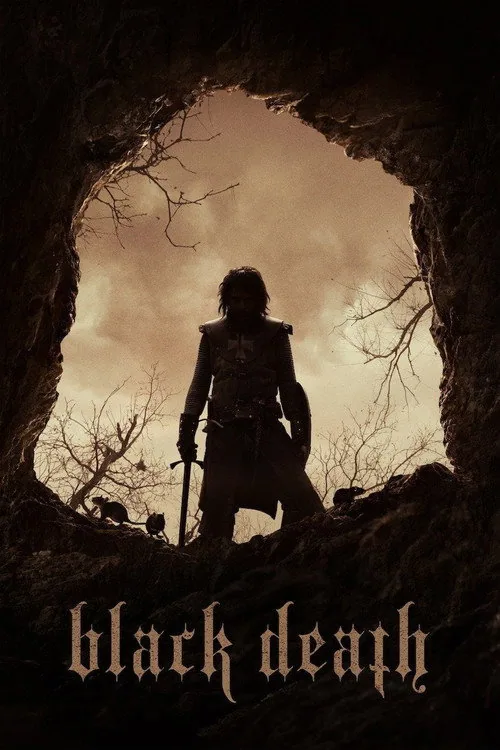
During the 1348 plague, novice monk Osmund leaves his monastery to guide a knight named Ulric and his soldiers toward a village rumored to be untouched by disease. Osmund hopes the journey will also reunite him with Averill, the woman he loves. The group finds a community led by a woman accused of witchcraft, and religious certainty gives way to suspicion and cruelty. The medieval horror drama uses the plague journey to test faith, fanaticism, and the violence people commit when they believe they are enforcing divine justice.
What drives the story
Osmund joins a bishop's envoy in search of a village beyond the plague and discovers a community shaped by different beliefs.
The people at its centre
His desire to reunite with Averill competes with his duty to Ulric and the faith that motivates the expedition.
What it feels like
A bleak historical horror film blends travel, religious debate, and visceral medieval violence.
Worth knowing
The plague creates the setting for a religious and political confrontation, rather than a medical history of the epidemic.
faith and doubtfanaticism and violencelove and moral choice
Mood
grim · muddy · foreboding
Pacing
journey through infected country · village confrontation · violent moral collapse
Visual style
muddy medieval landscapes · candlelit interiors · stark period violence
Storytelling
monk guides soldiers to plague-free village · witchcraft accusation shapes expedition · religious duty conflicts with private love