A shared television obsession becomes a challenge to Owen’s assumed identity, and his refusal to risk rupture lets routine harden into accumulating dread. Maddy’s return makes explicit the recognition Owen has been trying not to act on.
Why this matches +
These offer a related experience with a meaningful difference in story, tone, or presentation.
An adjacent discovery: a related idea with a different viewing experience.
Genres: Horror / Drama
Shared film traits
Based on recorded story, mood and style. Your preferences can change the order.
Coming of age · Memory and identity
What changes Young people's hidden identities and desires become entwined with fear, isolation and an uncanny threat.
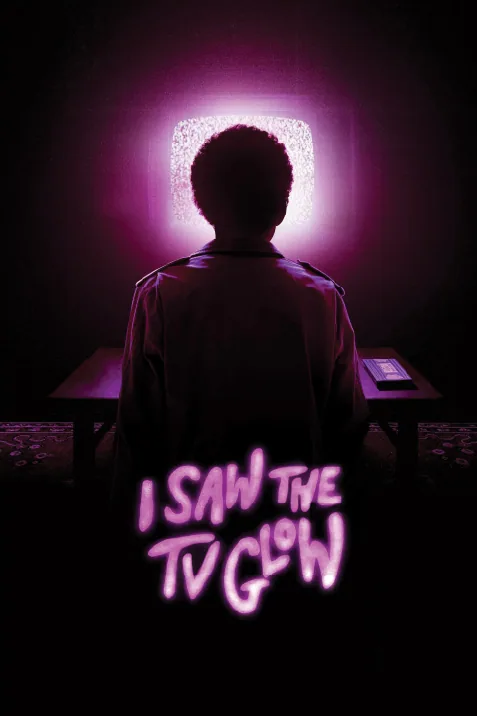
Two isolated classmates, Owen and Maddy, bond over a late-night television series that seems to offer a world more meaningful than their suburban routines. Maddy disappears after insisting that the show reveals something true about their identities; years later, she returns with a frightening explanation that Owen cannot bring himself to accept. Their unequal readiness to act turns time, memory and ordinary adulthood into sources of horror. The film’s trans allegory is closely tied to repression and recognition, while its unstable reality resists a tidy supernatural solution. Its ending is disturbing because Owen’s continued deferral has visible costs, not because it offers instructions for a viewer’s safety or identity.
Harper’s solitude creates space for grief but does not shield her from memory.
Why this matches +
These offer a related experience with a meaningful difference in story, tone, or presentation.
An adjacent discovery: a related idea with a different viewing experience.
Genres: Drama / Horror
Shared film traits
Based on recorded story, mood and style. Your preferences can change the order.
Memory and identity
What changes A person's intimate trauma becomes entwined with supernatural imagery and threatening social attitudes in unsettling horror.
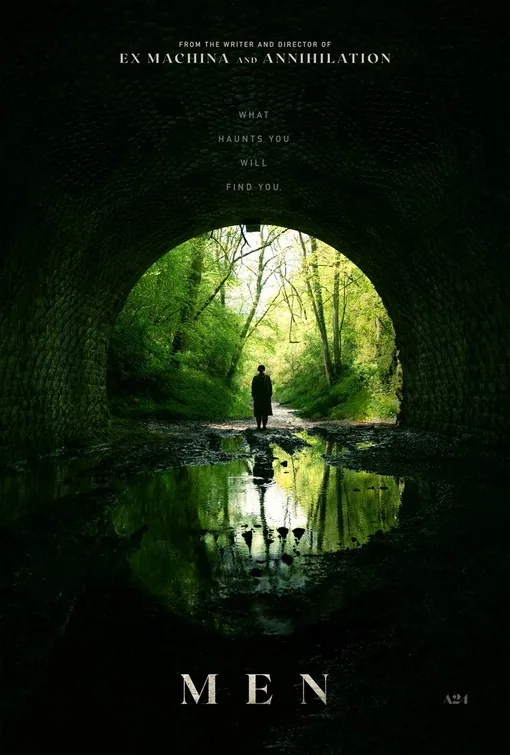
Harper rents a country house after her husband dies and spends time alone in an English village. Walks through the surrounding woods and encounters with local men blur the boundary between ordinary discomfort and the uncanny. The folk horror externalizes grief and abuse through repetition and bodily imagery, leaving viewers to interpret how memory, guilt, and gendered threat shape Harper’s experience.
An isolated household's attempt at spiritual and economic independence collapses into accusation under pressure from loss and a hostile environment.
Why this matches +
These offer a related experience with a meaningful difference in story, tone, or presentation.
An adjacent discovery: a related idea with a different viewing experience.
Genres: Horror / Drama
Shared film traits
Based on recorded story, mood and style. Your preferences can change the order.
What changes A devout isolated community treats fear and desire as evidence of evil, turning religious authority into supernatural danger.
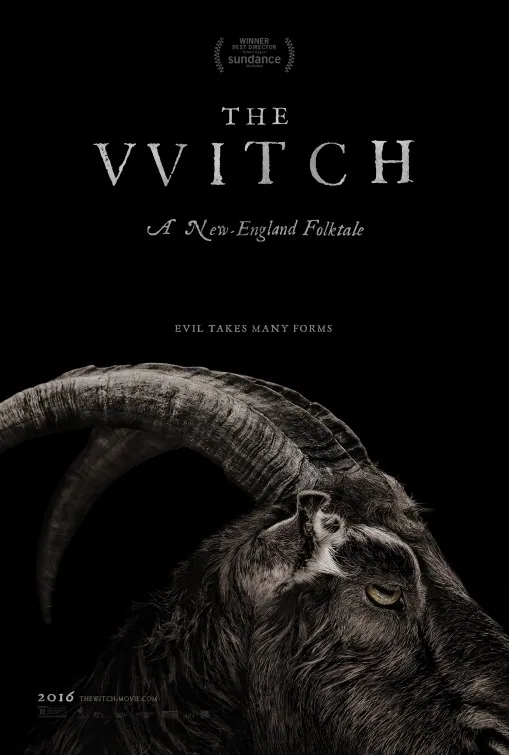
A religious family expelled from a colonial settlement tries to establish a farm beside a forbidding forest. The disappearance of an infant intensifies material hardship and turns private guilt into suspicion among the remaining household members. As religious certainty fails to explain their losses, a teenage daughter's place in the family becomes increasingly precarious within a world where supernatural danger and ordinary patriarchal fear cannot be cleanly separated.
A priest's local influence and private life become targets when political and religious authorities turn accusations of possession into a public prosecution.
Why this matches +
These offer a related experience with a meaningful difference in story, tone, or presentation.
An adjacent discovery: a related idea with a different viewing experience.
Genres: Drama / Horror
Shared film traits
Based on recorded story, mood and style. Your preferences can change the order.
Political resistance
What changes Religious authorities use fear and accusations of deviance to justify persecution in a disturbing historical horror drama.
In seventeenth-century Loudun, the powerful priest Urbain Grandier becomes entangled in a struggle among church authority, state power, and a convent's accusations of demonic possession. Ken Russell stages the resulting campaign as a collision of political calculation, religious fervor, sexual repression, and public spectacle. The film's intense theatrical images make institutional persecution feel both intimate and civic: personal desire becomes evidence, and a town's institutions turn belief into a means of control.
A winter retreat leaves Grace and the children alone with grief and troubling events that intensify their mutual distrust.
Why this matches +
These offer a related experience with a meaningful difference in story, tone, or presentation.
An adjacent discovery: a related idea with a different viewing experience.
Genres: Drama / Thriller
Shared film traits
Based on recorded story, mood and style. Your preferences can change the order.
What changes Religious guilt and isolation intensify psychological horror as a family confronts faith, punishment and trauma.
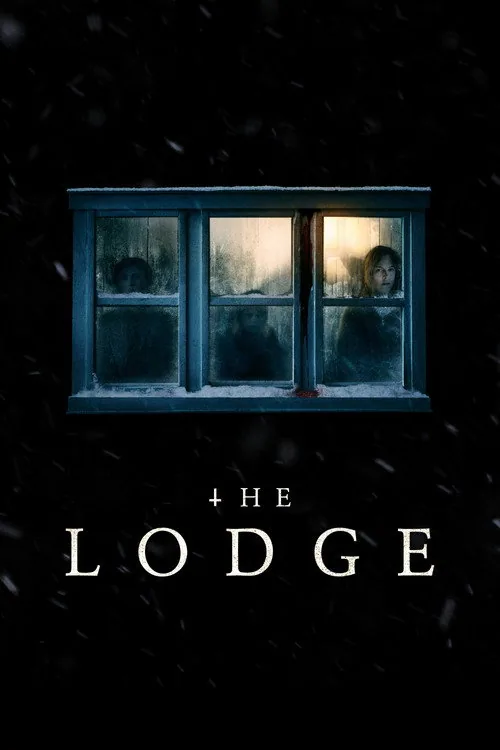
After their mother dies, siblings Aidan and Mia travel with their father and his fiancée Grace to a remote winter lodge. When the father leaves for work, Grace is alone with the children as heavy snow and a breakdown in communication isolate them. Their shared grief and Grace's history with a religious cult give the household an uneasy emotional charge, while unexplained events unsettle what each person believes. The Lodge is a slow, wintry psychological horror film that builds dread through isolation, family mistrust, and the instability of perception.
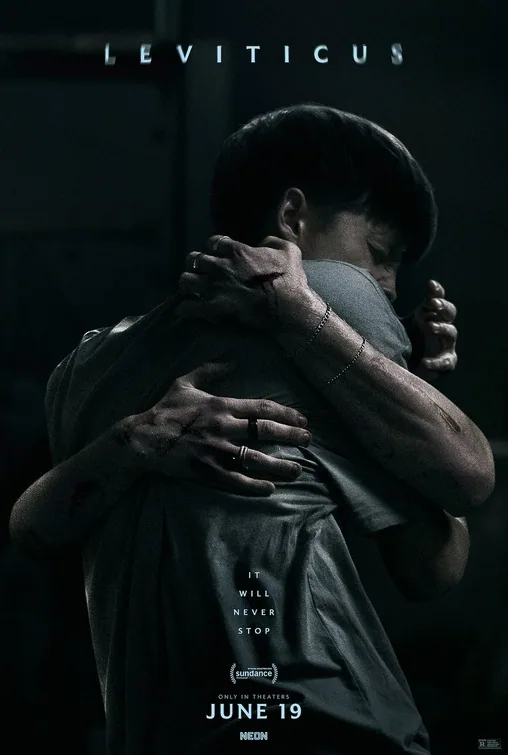
After his father dies, Naim moves with his mother into a devout religious town and falls for Ryan, another local teenager. When jealousy and shame expose their relationship, the community subjects the boys to a ritual meant to purge their desire. The supernatural horror grounds its threat in social persecution, showing how religious authority and fear can turn an intimate relationship into a source of danger.
What drives the story
Naim’s betrayal of Ryan exposes how shame can be used as social control.
The people at its centre
The healer’s ritual makes persecution literal and physically dangerous. That consequence remains central to the character’s next choice.
What it feels like
The boys’ attraction is presented as a relationship rather than a supernatural symptom.
Worth knowing
The horror draws force from the community’s power to define what counts as normal.
LoveFaithIdentity
Mood
Dread-filled · Intimate · Disturbing
Pacing
A concealed romance escalates into a community-driven supernatural ordeal
Visual style
Australian rural setting · Religious imagery · Unsettling body horror
Storytelling
Institutional persecution · Intimacy under social pressure · Inherited occult threat