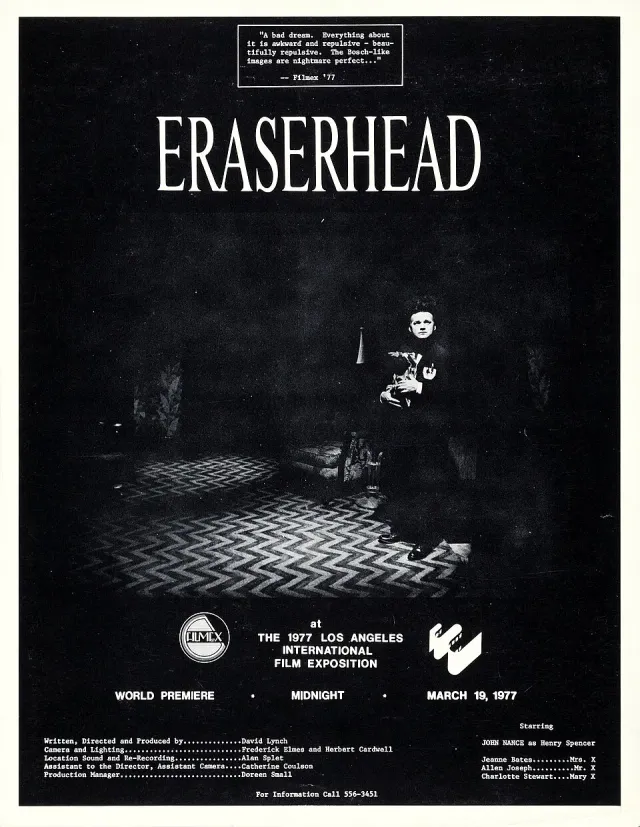
An imposed domestic responsibility produces a sequence of failed attempts at comfort or escape, while recurring images transform ordinary parenthood into an unstable bodily and psychological ordeal. Henry’s strained domestic arrangement becomes a sequence of attempted escapes whose logic shifts with his perception.
Why this matches +
These offer a related experience with a meaningful difference in story, tone, or presentation.
An adjacent discovery: a related idea with a different viewing experience.
Genres: Horror / Drama
Shared film traits
Based on recorded story, mood and style. Your preferences can change the order.
What changes Surreal bodily imagery and domestic anxiety turn isolation and fear into an unsettling psychological horror experience.
A young man's awkward encounter with his girlfriend's family leads to a household organized around an infant whose needs and bodily form he cannot comfortably understand. Sleeplessness, industrial surroundings and recurring visions make intimacy and reproduction feel inseparable from dread. Attempts to distinguish escape, desire and responsibility become less secure as the film changes the boundaries between perception and event, keeping the domestic situation distressingly immediate without supplying one stable explanatory key. The film makes domestic responsibility feel material and inescapable while refusing to stabilize the events as literal realism.
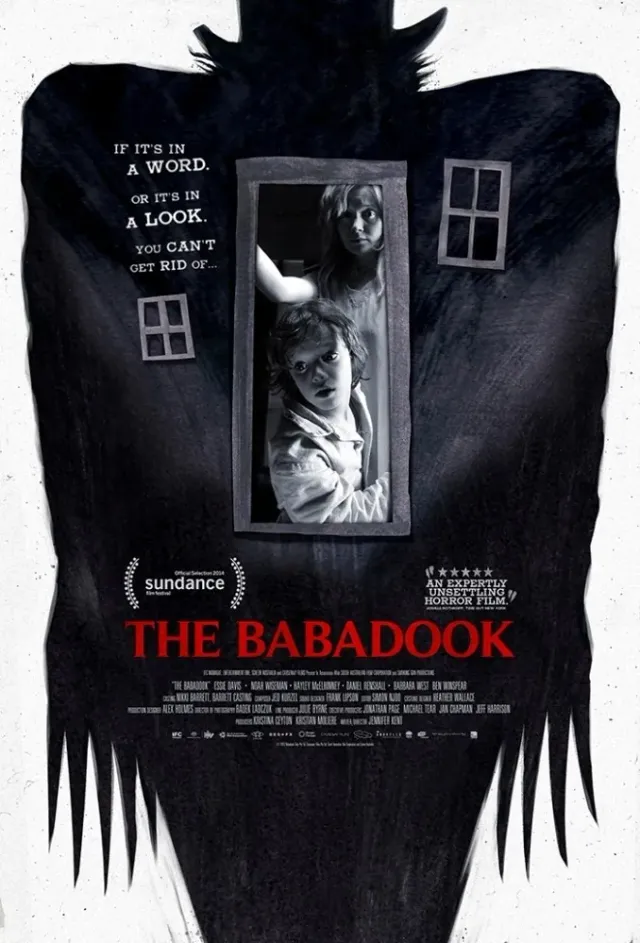
An intrusive story gives form to emotional pressures a mother and child have been unable to acknowledge or manage together.
Why this matches +
These offer a related experience with a meaningful difference in story, tone, or presentation.
An adjacent discovery: a related idea with a different viewing experience.
Genres: Horror / Drama
Shared film traits
Based on recorded story, mood and style. Your preferences can change the order.
What changes A supernatural presence gives frightening form to grief and emotional trauma within a troubled home.
A widowed mother raising a troubled young son encounters a disturbing picture book that seems to bring an unwelcome presence into their home. Exhaustion, isolation and the child's fear make ordinary caregiving increasingly difficult as neither can persuade others to understand the danger. The apparent haunting becomes inseparable from grief that has found no sustainable place in their shared life.
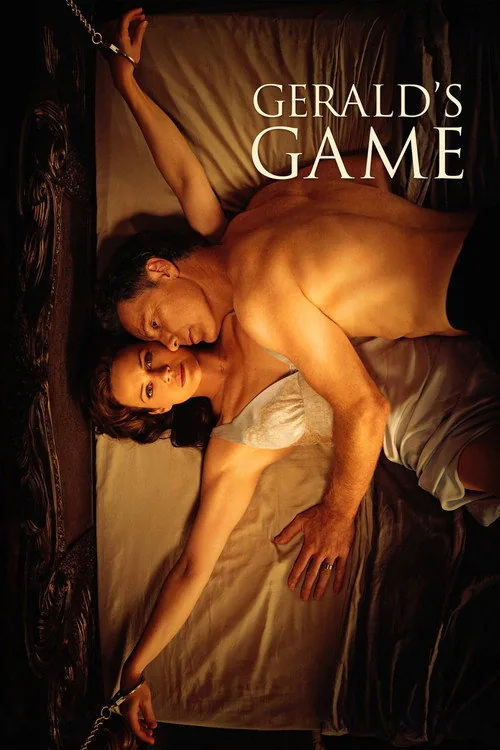
Jessie’s physical predicament forces her to find a way out while confronting memories she has long suppressed.
Why this matches +
These offer a related experience with a meaningful difference in story, tone, or presentation.
An adjacent discovery: a related idea with a different viewing experience.
Genres: Horror / Thriller
Shared film traits
Based on recorded story, mood and style. Your preferences can change the order.
Survival · Memory and identity
What changes A woman isolated after a traumatic relationship confronts physical danger and memories of past abuse.
Jessie Burlingame is left handcuffed to a bed in an isolated lake house after her husband Gerald dies during a sexual game she wanted to stop. With no immediate help, Jessie must manage thirst, injury, a stray dog, and frightening figures that may be hallucinations, while memories of childhood abuse surface. Mike Flanagan’s psychological horror film makes escape both a physical ordeal and a confrontation with the past that has shaped Jessie’s understanding of herself.
The husband's effort to structure his wife's recovery through therapy becomes a contest over who gets to interpret her grief. The retreat's symbolic world destabilizes, rather than validates, his authority.
Why this matches +
These offer a related experience with a meaningful difference in story, tone, or presentation.
An adjacent discovery: a related idea with a different viewing experience.
Genres: Horror / Drama
Shared film traits
Based on recorded story, mood and style. Your preferences can change the order.
What changes Grief, gendered conflict and disturbing bodily imagery converge during a couple's isolated stay in the countryside.
After their young son dies in an accident, a grieving couple retreat to an isolated cabin called Eden, where the husband, a therapist, tries to treat his wife's fear through exposure. His professional confidence collides with her distress, their unequal expectations and the film's increasingly violent images of nature and the body. The cabin becomes a chamber in which care, domination, guilt and desire cannot be cleanly separated. Lars von Trier's chaptered, formally extreme film uses symbolic and disputed ideas; it does not provide a trustworthy clinical account of grief or mental illness.
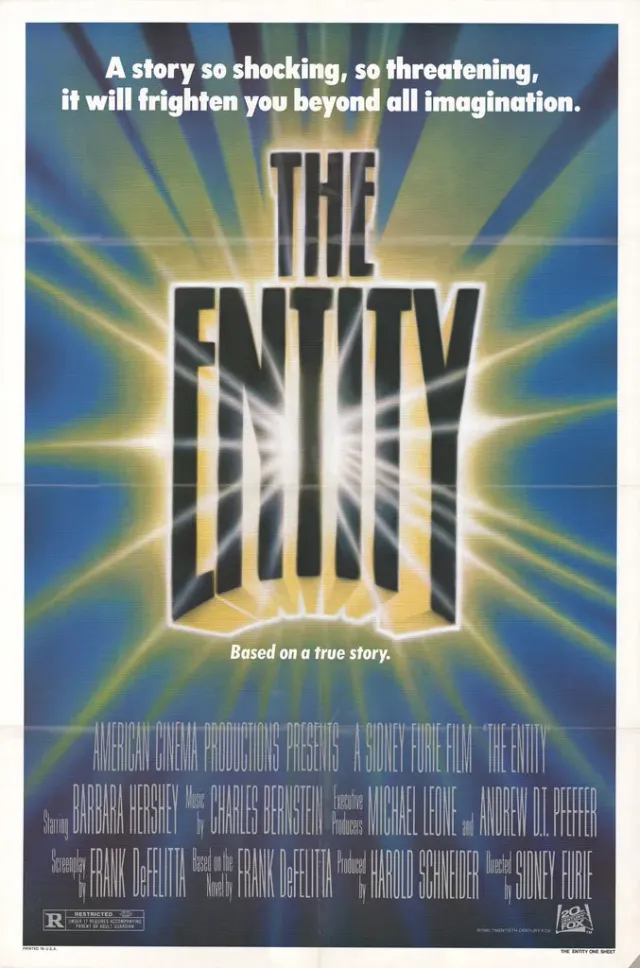
A mother seeks help after an unseen presence repeatedly attacks her.
Why this matches +
These offer a related experience with a meaningful difference in story, tone, or presentation.
An adjacent discovery: a related idea with a different viewing experience.
Genres: Horror / Drama
Shared film traits
Based on recorded story, mood and style. Your preferences can change the order.
Survival
What changes A woman facing an invasive threat struggles to have others understand her experience, with fear rooted in bodily vulnerability.
Carla Moran, a single mother in Los Angeles, reports repeated assaults by an invisible presence in her home. Doctors, family members and parapsychology researchers debate what is happening as Carla tries to protect her children and regain control of her life. The supernatural premise is treated as invasive and traumatic, making the horror less about a hidden monster than about the isolation of a person whose testimony is doubted.
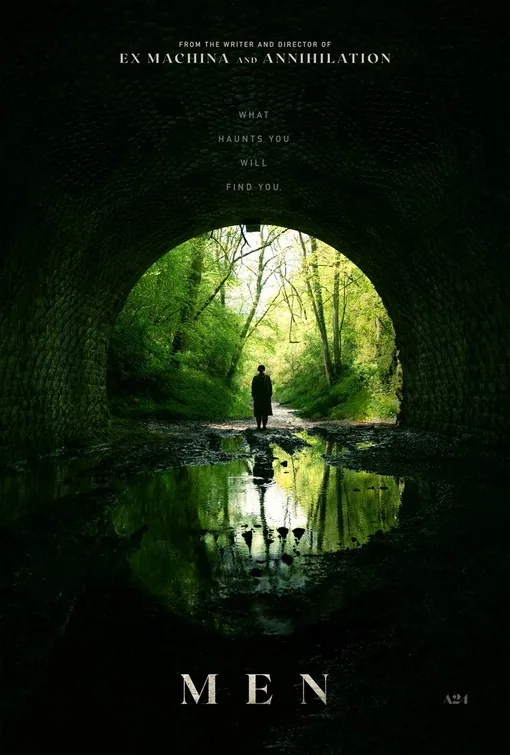
Harper rents a country house after her husband dies and spends time alone in an English village. Walks through the surrounding woods and encounters with local men blur the boundary between ordinary discomfort and the uncanny. The folk horror externalizes grief and abuse through repetition and bodily imagery, leaving viewers to interpret how memory, guilt, and gendered threat shape Harper’s experience.
What drives the story
Harper’s solitude creates space for grief but does not shield her from memory.
The people at its centre
The repeated male faces turn social familiarity into a source of unease.
What it feels like
The film uses folk horror to give abstract emotional pressures physical form.
Worth knowing
Its deliberately open imagery invites interpretation without resolving Harper’s pain neatly.
GriefTraumaGender
Mood
Dread-filled · Surreal · Disturbing
Pacing
A sparse retreat story intensifies through repeated encounters and images
Visual style
Lush countryside · Uncanny body effects · Measured compositions