Both share themes of trauma and survival, plus a claustrophobic and disturbing atmosphere.
Why this matches +
Genres: Horror / Drama
Shared film traits
Based on recorded story, mood and style. Your preferences can change the order.
Survival
What changes Gerald's Game: a confined survival problem intercuts with memory and inner dialogue. The Entity: sustained escalation.
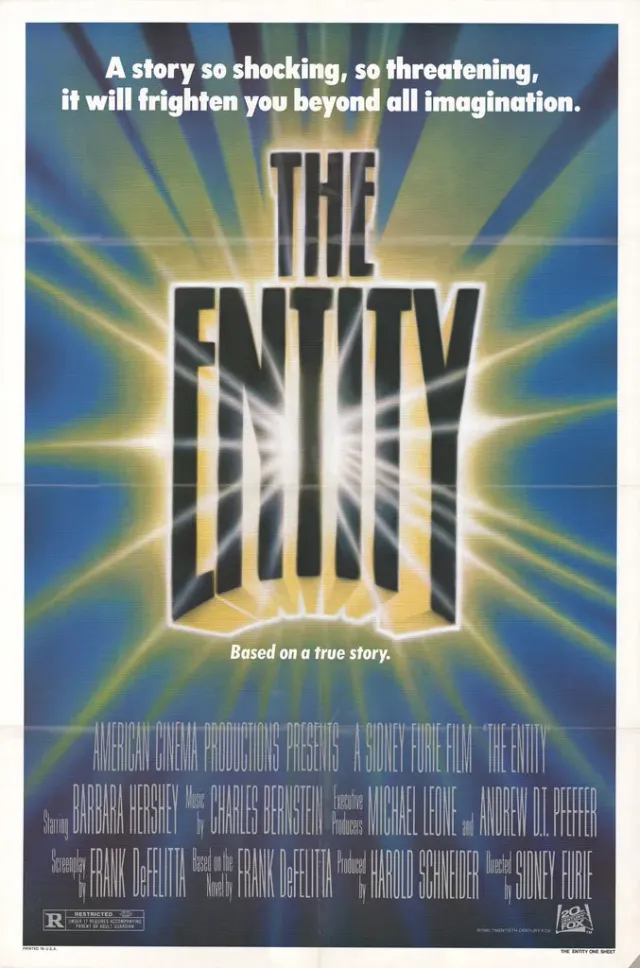
Carla Moran, a single mother in Los Angeles, reports repeated assaults by an invisible presence in her home. Doctors, family members and parapsychology researchers debate what is happening as Carla tries to protect her children and regain control of her life. The supernatural premise is treated as invasive and traumatic, making the horror less about a hidden monster than about the isolation of a person whose testimony is doubted.
Both share themes of trauma and memory, plus a claustrophobic and disturbing atmosphere.
Why this matches +
Genres: Horror / Supernatural
Shared film traits
Based on recorded story, mood and style. Your preferences can change the order.
Memory and identity
What changes Gerald's Game: a confined survival problem intercuts with memory and inner dialogue. Oculus: intercut and escalating.
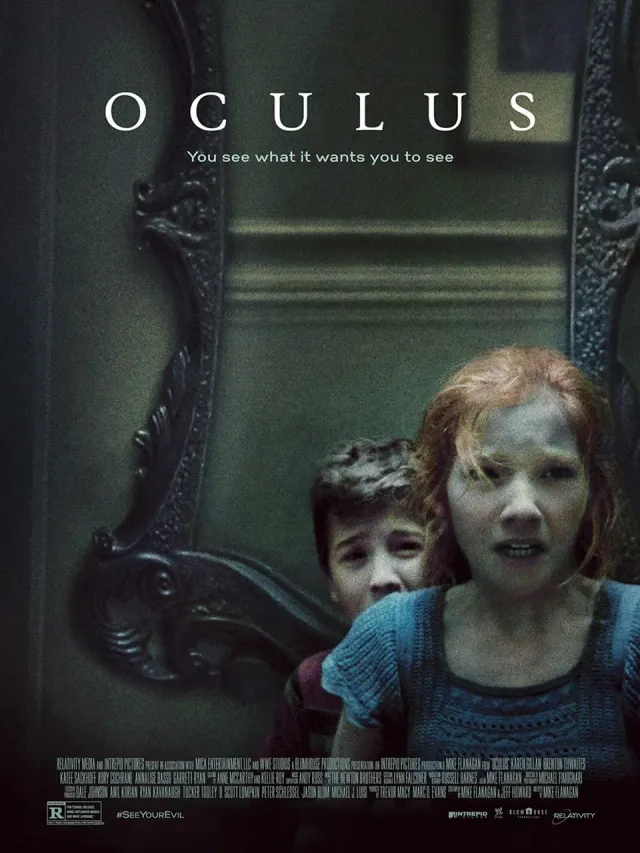
As adults, siblings Kaylie and Tim return to the house where their parents died, carrying sharply different memories of the events. Kaylie believes an antique mirror caused the family's collapse and has spent years planning to prove it, while Tim trusts the psychological explanation he accepted after treatment. Mike Flanagan cuts between the present investigation and the children's past, making the mirror's apparent power hard to separate from trauma and unreliable perception.
Both share themes of autonomy, plus a claustrophobic atmosphere.
Why this matches +
Genres: Thriller / Horror
Shared film traits
Based on recorded story, mood and style. Your preferences can change the order.
Memory and identity
What changes Gerald's Game: a confined survival problem intercuts with memory and inner dialogue. Run: a discrepancy on a prescription label leads chloe to test the boundaries of her mother’s control..
Chloe Sherman, a wheelchair-using teenager with several medical conditions, lives at home with her mother Diane and hopes to attend college. When she notices that one of her medications has been relabeled, she begins checking the facts and discovers that Diane has concealed crucial information about her health and childhood. Aneesh Chaganty’s psychological thriller turns the home and hospital into places of surveillance and escape, following Chloe’s resourcefulness as she seeks outside help and challenges the story her mother has imposed on her.
Based on recorded story, mood and style. Your preferences can change the order.
Survival
What changes Gerald's Game: a confined survival problem intercuts with memory and inner dialogue. Friday the 13th Part 2: measured and escalating.
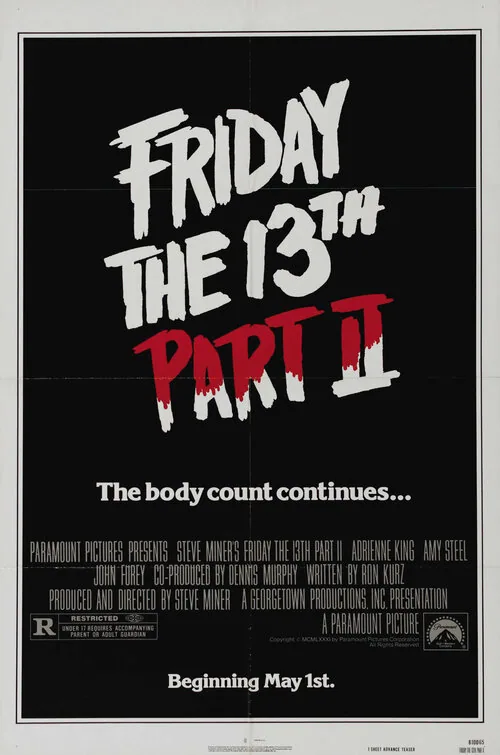
A training camp near Crystal Lake treats its neighbor's violent history as a cautionary story until the danger crosses into its own routines. Counselors who stay behind become increasingly exposed while a figure in the surrounding woods closes in. Ginny's eventual understanding of the killer's attachment to his mother offers a precarious tactic beyond simply running. The sequel moves the franchise toward Jason as an embodied pursuer while retaining uncertainty, vulnerable spaces and a survivor who must improvise with limited information.
Both share themes of trauma, plus a disturbing atmosphere.
Why this matches +
Genres: Drama / Horror
Shared film traits
Based on recorded story, mood and style. Your preferences can change the order.
Survival · Memory and identity
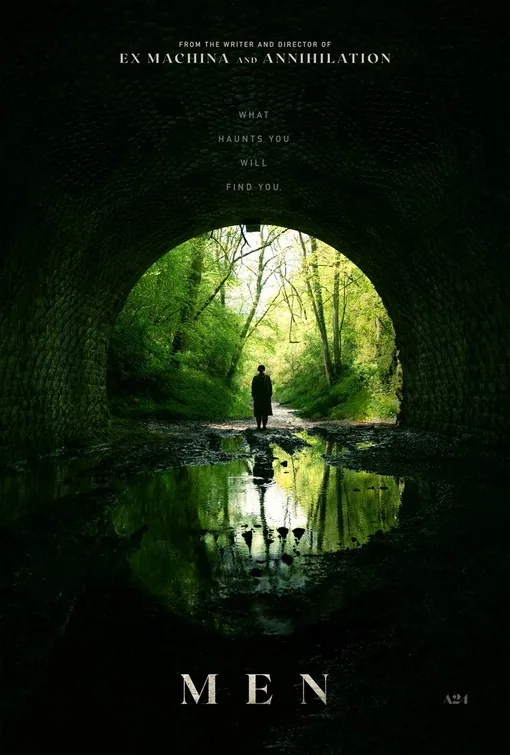
What changes Gerald's Game: a confined survival problem intercuts with memory and inner dialogue. Men: a sparse retreat story intensifies through repeated encounters and images.
Harper rents a country house after her husband dies and spends time alone in an English village. Walks through the surrounding woods and encounters with local men blur the boundary between ordinary discomfort and the uncanny. The folk horror externalizes grief and abuse through repetition and bodily imagery, leaving viewers to interpret how memory, guilt, and gendered threat shape Harper’s experience.
Based on recorded story, mood and style. Your preferences can change the order.
Survival
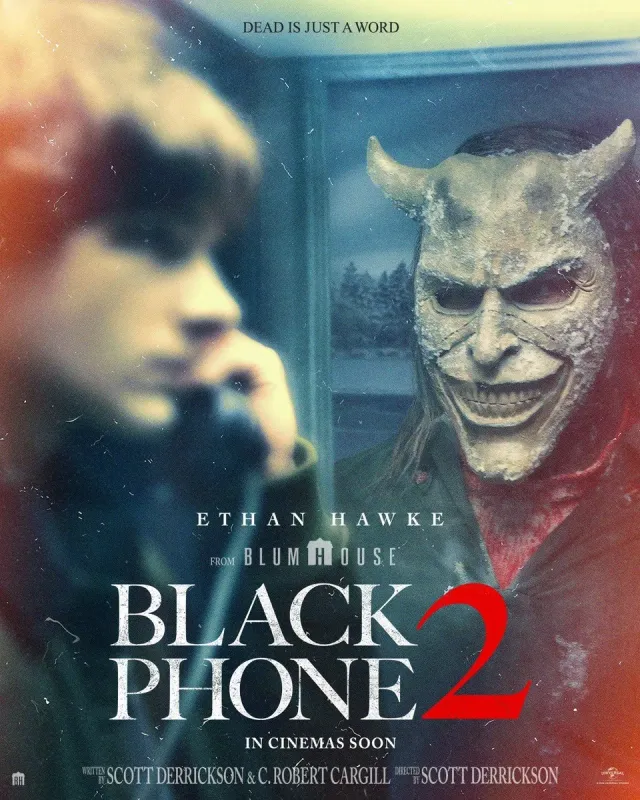
What changes Gerald's Game: a confined survival problem intercuts with memory and inner dialogue. Black Phone 2: slow-burn setup into siege.
Four years after Finney escaped the Grabber, his sister Gwen begins dreaming about children being murdered at a winter camp in 1957. The siblings travel to the remote Alpine Lake camp to investigate the visions, where a blizzard and the Grabber’s supernatural return trap them in an increasingly dangerous landscape. The sequel shifts the threat toward inherited trauma and family memory while retaining the first film’s supernatural survival premise.
Based on recorded story, mood and style. Your preferences can change the order.
Memory and identity
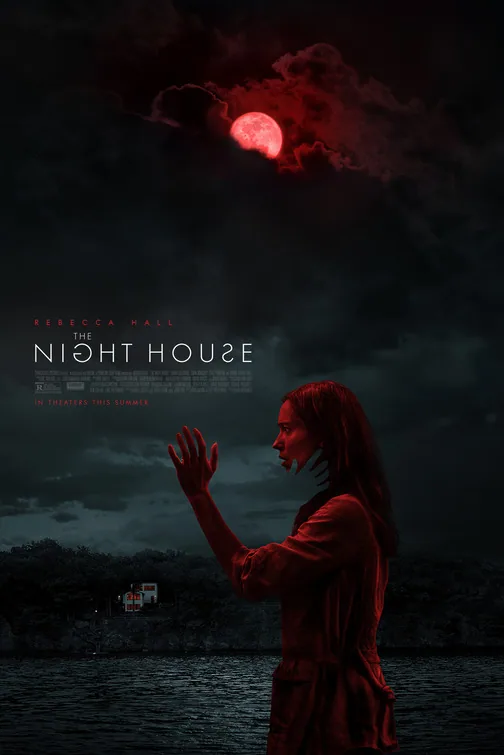
What changes Gerald's Game: a confined survival problem intercuts with memory and inner dialogue. The Night House: a solitary inquiry turns domestic space into a puzzle.
After her husband dies by suicide, Beth begins experiencing disturbances in the lake house they built together. Unusual sounds, inverted spaces and hidden designs lead her to investigate what her husband may have concealed. The supernatural thriller makes grief and architecture interact, as Beth struggles to separate haunting from memory and to understand the unsettling pattern around her marriage.
Based on recorded story, mood and style. Your preferences can change the order.
Survival
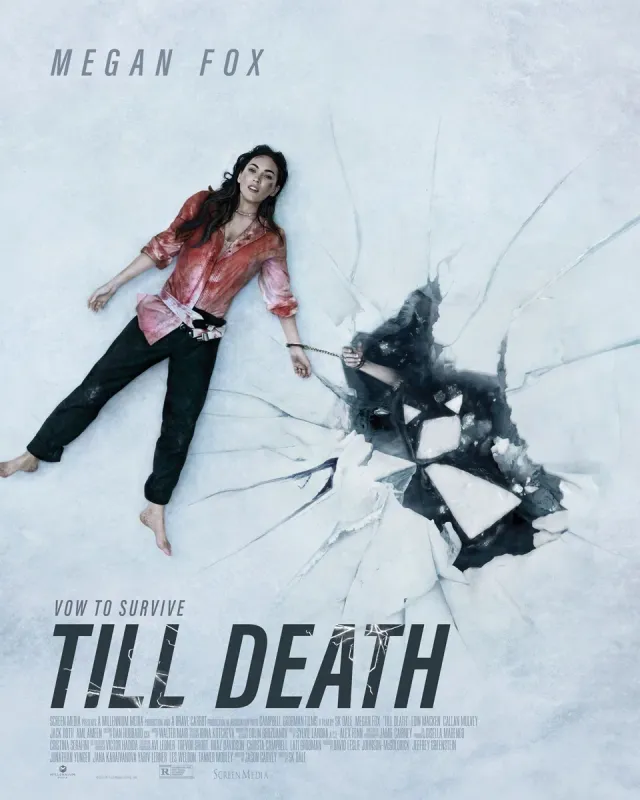
What changes Gerald's Game: a confined survival problem intercuts with memory and inner dialogue. Till Death: a remote anniversary trip becomes a trap, emma discovers the handcuff and body, pursuers arrive and and she uses the environment to seek a way out.
Emma’s marriage to Mark has become emotionally distant when he takes her to a remote lakeside house for an anniversary surprise. The next morning she wakes handcuffed to his body and discovers that he has died. Cut off from help and pursued by men who arrive at the property, Emma must navigate the physical restraints, the house, and the dangerous plan her husband set in motion.
Both share themes of survival, plus a claustrophobic and disturbing atmosphere.
Why this matches +
Genres: Horror / Thriller
Shared film traits
Based on recorded story, mood and style. Your preferences can change the order.
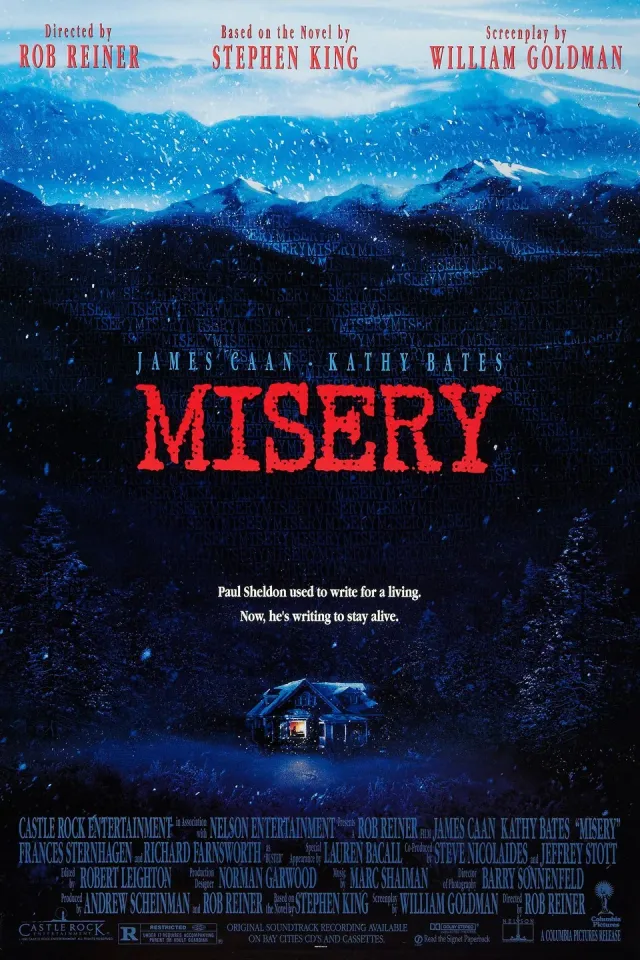
What changes Gerald's Game: a confined survival problem intercuts with memory and inner dialogue. Misery: slow burn.
After finishing a novel, writer Paul Sheldon crashes his car in a blizzard and is rescued by Annie Wilkes, a nurse who says she is his devoted fan. She discovers that Paul has killed her favorite character and keeps him at her isolated home, forcing him to write a new book that restores Misery Chastain. His injuries and Annie's control over medicine, movement and information turn writing into a means of staying alive. As her unstable mood shifts from care to punishment, Paul looks for chances to escape without alerting the captor who knows his work best.
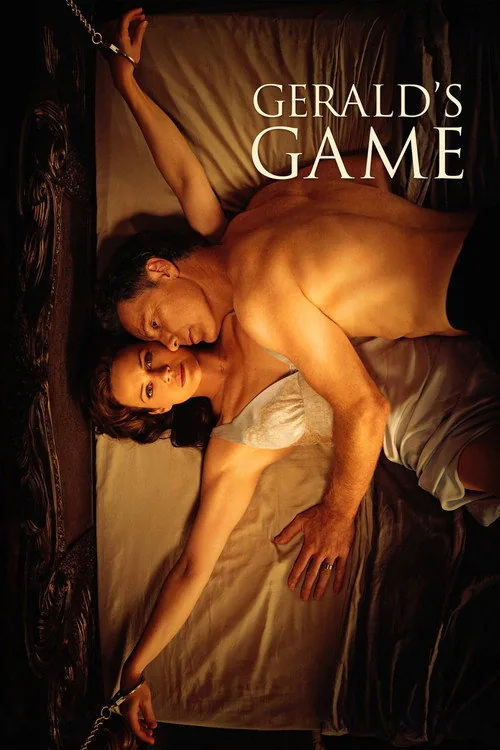
Jessie Burlingame is left handcuffed to a bed in an isolated lake house after her husband Gerald dies during a sexual game she wanted to stop. With no immediate help, Jessie must manage thirst, injury, a stray dog, and frightening figures that may be hallucinations, while memories of childhood abuse surface. Mike Flanagan’s psychological horror film makes escape both a physical ordeal and a confrontation with the past that has shaped Jessie’s understanding of herself.
What drives the story
Jessie’s physical predicament forces her to find a way out while confronting memories she has long suppressed.
The people at its centre
Imagined versions of Gerald and Jessie’s younger self give opposing voices to her fear, shame, and emerging resolve.
What it feels like
The film contains sexual abuse, trauma, graphic self-injury, and a dead body, creating intense psychological and physical horror.
Worth knowing
It is a contained psychological survival adaptation, not a conventional slasher or a haunted-house mystery.
SurvivalTraumaMemory
Mood
Claustrophobic · Disturbing · Resilient
Pacing
A confined survival problem intercuts with memory and inner dialogue
Visual style
Restrained domestic space · Night shadows · Subjective hallucinations