Explore films connected to Friday the 13th Part 2 through Survival, Trauma, Maternal fixation. Choose the qualities you want to carry into your next watch.
Related films and versions
Friday the 13th films
The 2009 film reimagines the early films; Freddy vs. Jason is a crossover. · Catalogue films in release order
Both share themes of survival, plus an uneasy and tense atmosphere.
Why this matches +
Genres: Horror / LGBTQ-related
Shared film traits
Based on recorded story, mood and style. Your preferences can change the order.
Survival
What changes Friday the 13th Part 2: measured and escalating. Sleepaway Camp: gradual escalation, alternating camp routines and attacks, mystery-led and abrupt final revelation.
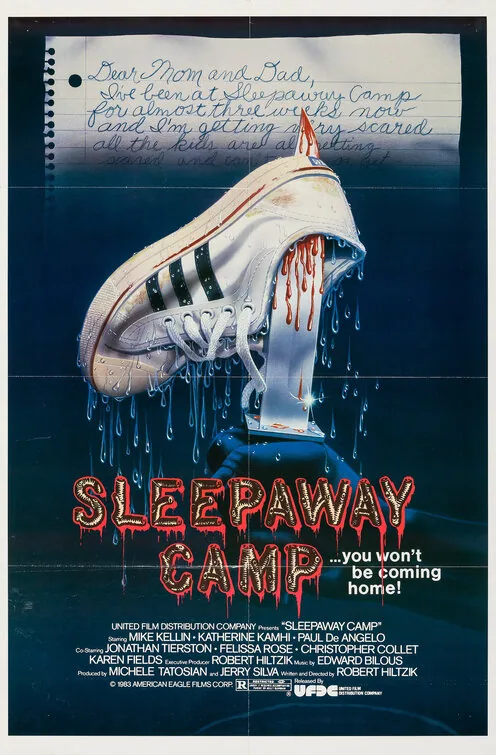
After a boating accident leaves Angela without her father and one sibling, she grows up in the care of her eccentric aunt and cousin Ricky. As a teenager, she is sent with Ricky to Camp Arawak, where her quiet manner attracts bullying from campers and staff. Ricky tries to shield her, while a gentle connection with camper Paul offers a brief alternative to the camp’s cruelty. People who humiliate or threaten others begin dying in incidents first dismissed as accidents. The camp’s owner and counselors struggle to make sense of the pattern as a summer of pranks turns into a fight to survive.
Based on recorded story, mood and style. Your preferences can change the order.
Survival
What changes Friday the 13th Part 2: measured and escalating. The Strangers: Prey at Night: set-piece pursuits create a direct and relentless structure.
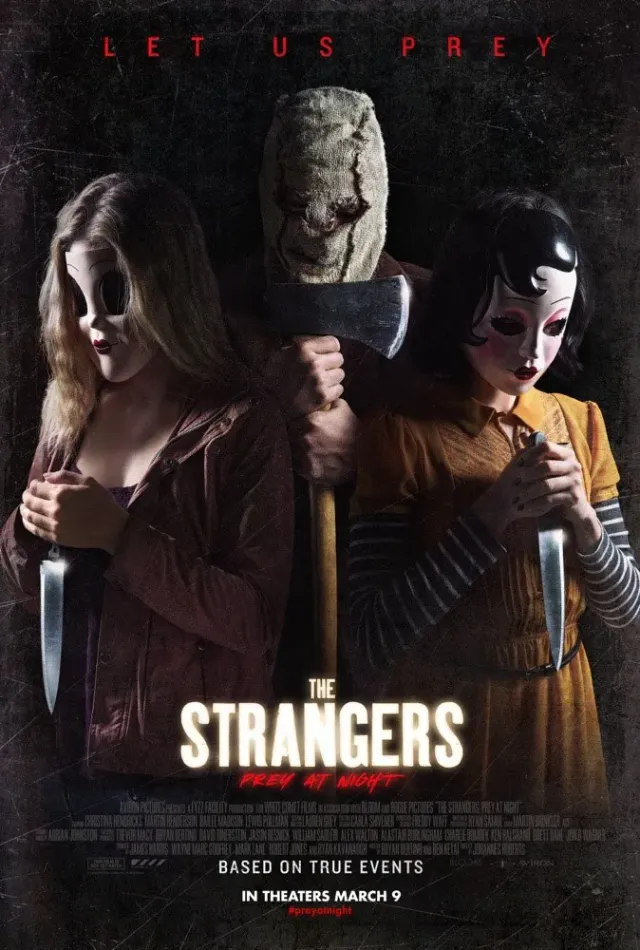
A family traveling to visit relatives stops at a nearly empty mobile-home park and encounters three masked intruders. Their attempts to protect one another unfold through isolated cabins, dark roads and narrow interiors, with little explanation for the attackers’ choices. The sequel emphasizes sustained pursuit and survival, turning a routine family trip into a sequence of immediate decisions under threat.
Both centre on creature threat and isolated survival.
Why this matches +
Genres: Horror / Adventure
Shared film traits
Based on recorded story, mood and style. Your preferences can change the order.
Survival
What changes Friday the 13th Part 2: measured and escalating. The Descent: exploration into siege and escalating survival horror.
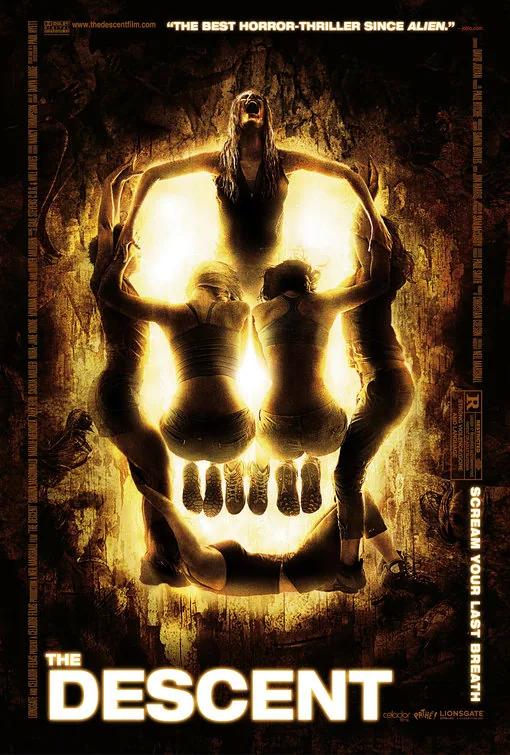
A year after a car crash kills her husband and daughter, Sarah joins friends for a caving trip in the Appalachian Mountains. Their leader Juno takes them into an unexplored system instead of the route filed with authorities, leaving no reliable rescue plan when a collapse blocks their way back. A humanoid creature attacks the group, and the search for an exit becomes a desperate struggle in narrow tunnels. Sarah's grief and Juno's choices deepen the danger as the survivors lose trust in one another.
Both centre on creature threat and isolated survival.
Why this matches +
Genres: Thriller / Horror
Shared film traits
Based on recorded story, mood and style. Your preferences can change the order.
Survival
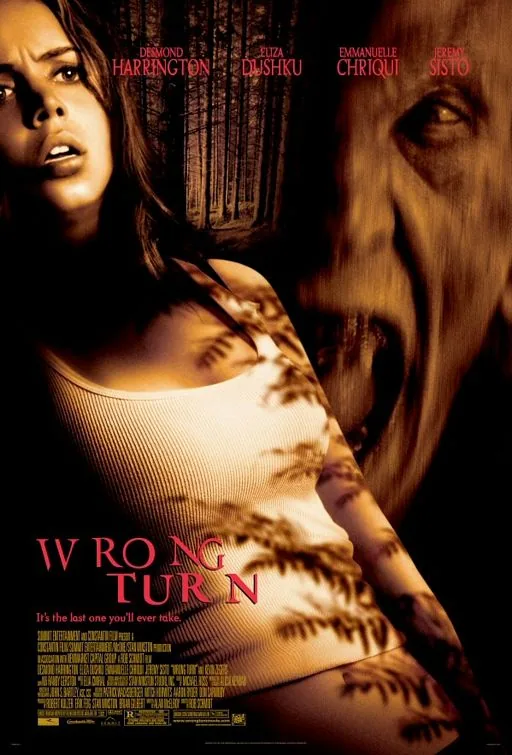
What changes Friday the 13th Part 2: measured and escalating. Wrong Turn: fast and continuous chase.
After taking an isolated road through the Appalachian hills of West Virginia, a group of young travelers become stranded and realize they are being hunted by violent men who live in the surrounding woods. With their vehicle unusable and rescue unlikely, the survivors must move through unfamiliar terrain while trying to stay quiet and protect one another. The film’s short running time and remote setting keep the threat close, using the fear of being watched and pursued to drive its slasher structure. Limited visibility and uncertain routes keep escape attempts from feeling safe. The strangers' cooperation shifts between concealment and sudden flight as the hunters close in.
Both share themes of survival, plus a menacing atmosphere.
Why this matches +
Genres: Horror / Mystery
Shared film traits
Based on recorded story, mood and style. Your preferences can change the order.
Survival
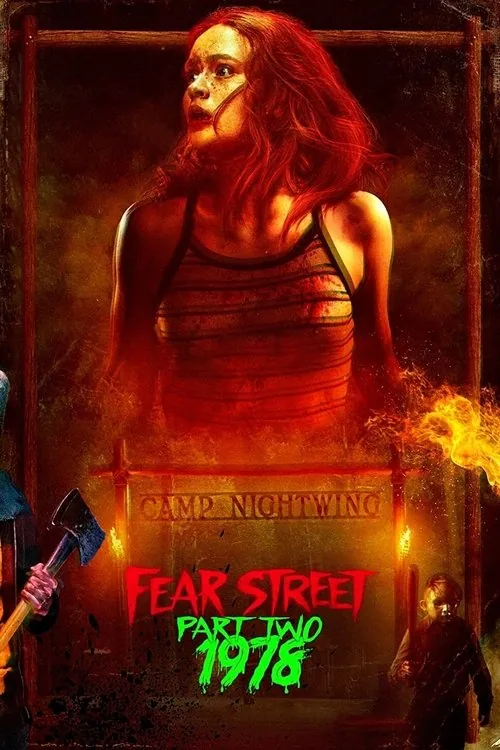
What changes Friday the 13th Part 2: measured and escalating. Fear Street Part 2: 1978: rising, ensemble pursuit and cliffhanger-driven.
In 1994, Deena and Josh ask C. Berman to explain the Camp Nightwing massacre, and she recounts what happened in 1978. At summer camp, sisters Cindy and Ziggy Berman are caught in conflict between teenagers from Shadyside and Sunnyvale. When a counselor becomes possessed and begins killing campers, the siblings try to survive the night and uncover the history behind the curse. Leigh Janiak’s middle chapter shifts the trilogy into a summer-camp slasher setting while linking its violence to the larger Shadyside story.
Based on recorded story, mood and style. Your preferences can change the order.
Survival
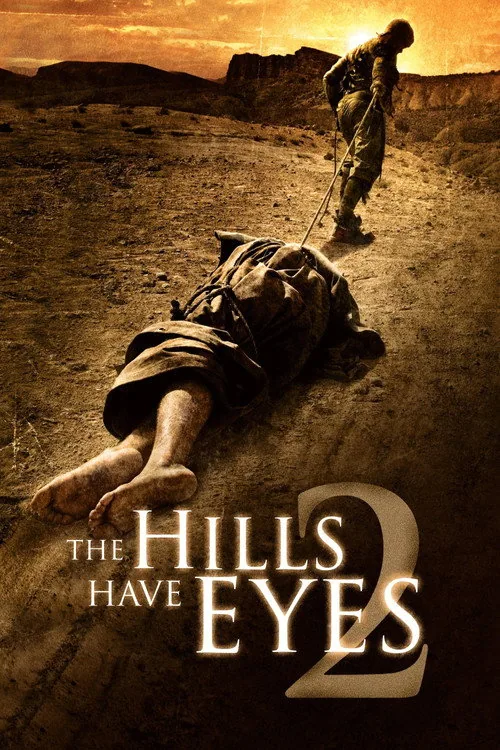
What changes Friday the 13th Part 2: measured and escalating. The Hills Have Eyes 2: mission setup, siege escalation and graphic survival action.
A National Guard unit on a training exercise in the New Mexico desert receives a distress signal from researchers at a remote outpost. When the soldiers arrive, the base appears abandoned and a group of mutated attackers begins hunting them through the terrain. Their equipment and training offer little protection as the unit is separated and forced to search for a way out. Martin Weisz’s horror sequel continues the 2006 remake’s setting and uses military survival tactics in a graphic desert siege.
Based on recorded story, mood and style. Your preferences can change the order.
Survival
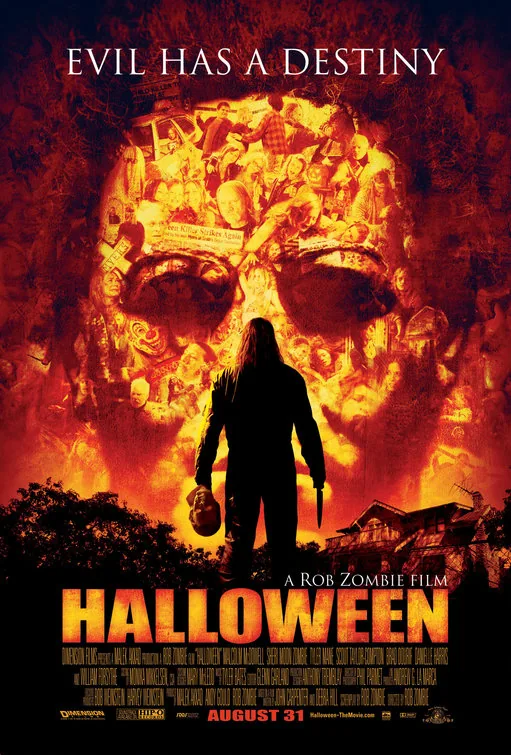
What changes Friday the 13th Part 2 is tagged menacing and tense; Halloween is tagged disturbing and grim.
This reimagining follows Michael Myers from a violent childhood through institutional confinement and eventual return to Haddonfield, where Laurie Strode becomes a target. It gives more attention to the killer’s background than the 1978 original before shifting to stalking and survival. Its grim approach emphasizes trauma, isolation and the repetition of violence.
Based on recorded story, mood and style. Your preferences can change the order.
Survival
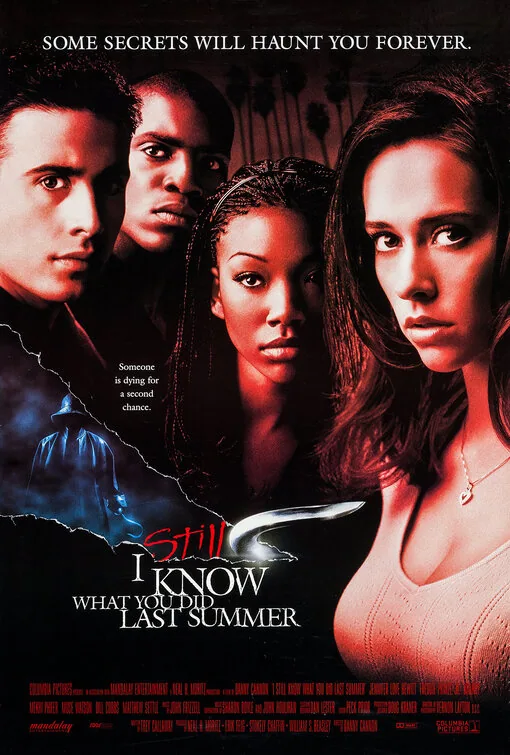
What changes Friday the 13th Part 2 is tagged menacing and tense; I Still Know What You Did Last Summer is tagged suspenseful and dark.
Julie James tries to move beyond a deadly accident from the previous summer, but an anonymous invitation takes her and friends to a remote island resort. When a killer begins targeting them, old secrets and current mistrust narrow their options. The slasher sequel turns vacation isolation into a trap and asks whether survivors can rebuild trust while being forced to repeat the fear they hoped to escape.
Both centre on creature threat and isolated survival.
Why this matches +
Genres: Horror / Thriller
Shared film traits
Based on recorded story, mood and style. Your preferences can change the order.
Survival
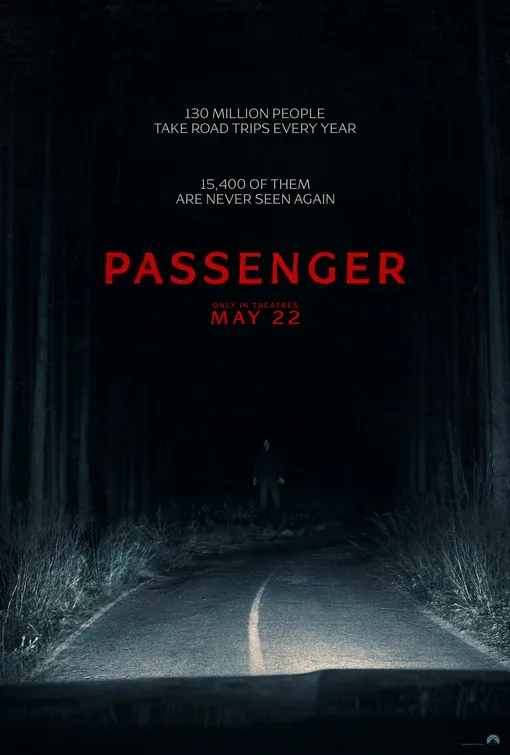
What changes Friday the 13th Part 2: measured and escalating. Passenger: a road-trip premise tightens into a pursuit across remote locations.
After a friend is killed during a road trip, Lucas continues traveling with a couple who have embraced van life. A supernatural presence begins following them, turning the open road into a series of temporary stops where no one feels safe. The horror film links a group’s escape from ordinary routines with the fear that movement cannot outrun an unseen pursuer, using the vehicle as both shelter and trap.
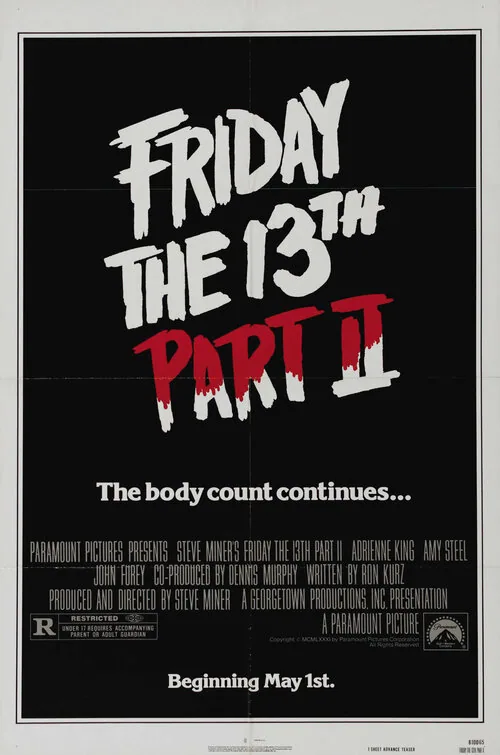
A training camp near Crystal Lake treats its neighbor's violent history as a cautionary story until the danger crosses into its own routines. Counselors who stay behind become increasingly exposed while a figure in the surrounding woods closes in. Ginny's eventual understanding of the killer's attachment to his mother offers a precarious tactic beyond simply running. The sequel moves the franchise toward Jason as an embodied pursuer while retaining uncertainty, vulnerable spaces and a survivor who must improvise with limited information.
What drives the story
A new camp repeats the conditions of an earlier disaster, then a survivor uses the killer's emotional fixation to interrupt his pursuit.
The people at its centre
Ginny's attentiveness and interpretation become practical resources, contrasting with a group that initially consumes the local history as campfire entertainment.
What it feels like
Woodland stalking, domestic intrusions and a rougher masked figure sustain intimate suspense before the series develops its more monumental monster persona.
Worth knowing
This is Jason's early sack-masked incarnation; preserve the maternal deception tactic rather than flattening every sequel into identical hockey-mask spectacle.
SurvivalTraumaMaternal fixation
Mood
Menacing · Tense · Uneasy
Pacing
Measured · Escalating
Visual style
Woodland stalking · Confined confrontation
Storytelling
Camp training siege · Legend becomes threat · Psychological distraction