one encounter triggering a sustained pursuit. This pressure determines what the protagonist must do next and which risks become unavoidable.
Why this matches +
Related viewing experiences with the specific differences recorded for each pair.
An adjacent discovery: a related idea with a different viewing experience.
Genres: Horror / Thriller
Shared film traits
Based on recorded story, mood and style. Your preferences can change the order.
Survival
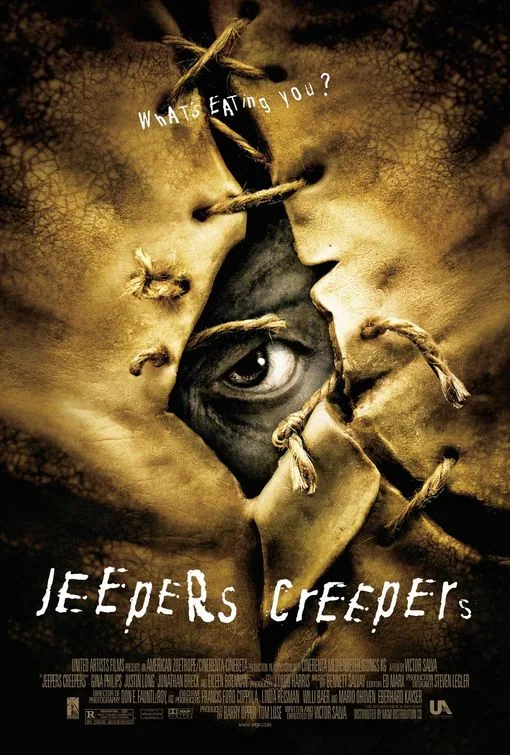
What changes Jeepers Creepers follows young travelers pursued by a seemingly unstoppable supernatural predator, without the duel between rival killers.
On a spring-break drive through rural Florida, a brother and sister witness a frightening encounter on an isolated road and investigate. Their curiosity brings them face to face with a relentless creature and disappearances that make the landscape increasingly unsafe. The horror film begins as a road thriller, then becomes a supernatural survival story defined by pursuit and grotesque discovery.
The dolls enlist a couple to drive them toward an amulet while leaving a trail of murders and escalating complications.
Why this matches +
Related viewing experiences with the specific differences recorded for each pair.
An adjacent discovery: a related idea with a different viewing experience.
Genres: Horror / Comedy
Shared film traits
Based on recorded story, mood and style. Your preferences can change the order.
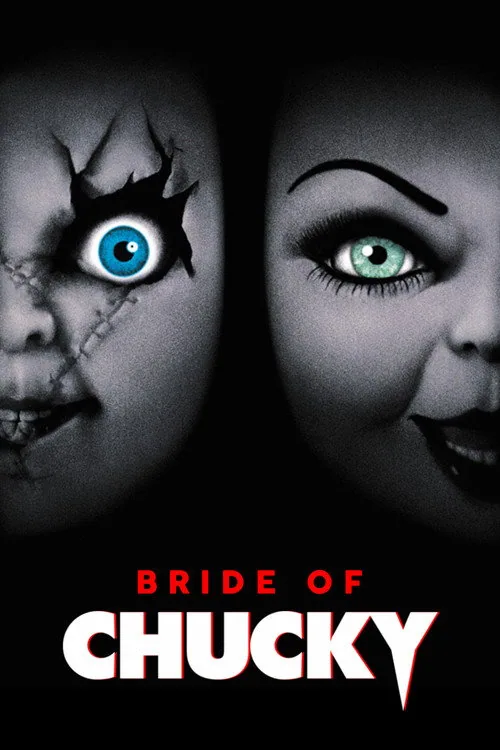
What changes Established supernatural slashers become bickering protagonists in a self-aware, gory horror-comedy; killer dolls and a road trip replace the Freddy–Jason struggle over teenage victims.
Tiffany, Chucky’s former partner, retrieves the killer doll’s remains and uses a ritual to bring him back, hoping to reconnect with him. Their reunion quickly turns violent, and Tiffany’s own death leads to another transfer of a human soul into a doll. The pair then manipulate a young couple into helping them travel while they pursue a way to become human again. Ronny Yu’s entry in the Child’s Play series leans into self-aware slasher humor, a bickering killer partnership, and comic horror set pieces.
A group of friends becomes trapped inside a slasher film and learns that its genre rules can be bent but not ignored.
Why this matches +
Related viewing experiences with the specific differences recorded for each pair.
An adjacent discovery: a related idea with a different viewing experience.
Genres: Comedy / Horror
Shared film traits
Based on recorded story, mood and style. Your preferences can change the order.
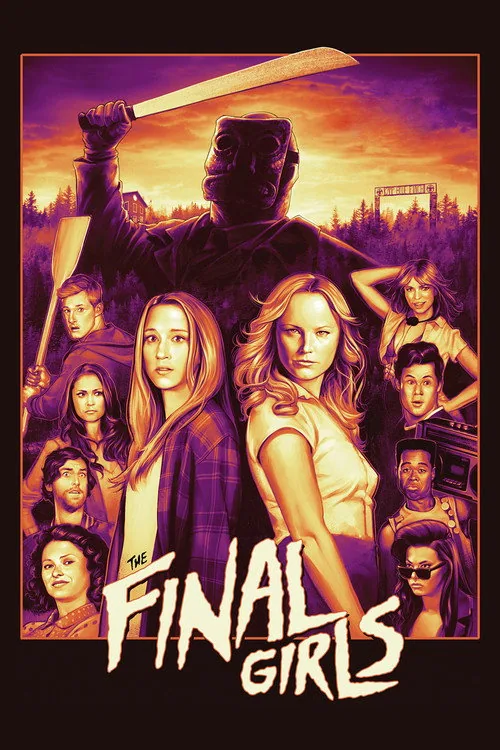
What changes The Final Girls traps young people in a slasher-film world with a relentless masked killer, using affectionate meta-comedy instead of a violent crossover between Freddy and Jason.
Years after her actress mother dies, Max attends a screening of the cult slasher film that made her mother famous. A fire drives Max and her friends through the movie screen, where they find themselves inside the 1980s horror film Camp Bloodbath. They must follow and disrupt the slasher's familiar rules while trying to protect the fictional characters, including the young woman played by Max's mother. The comedy-horror uses its meta premise to explore grief, genre conventions, and the desire for one more conversation.
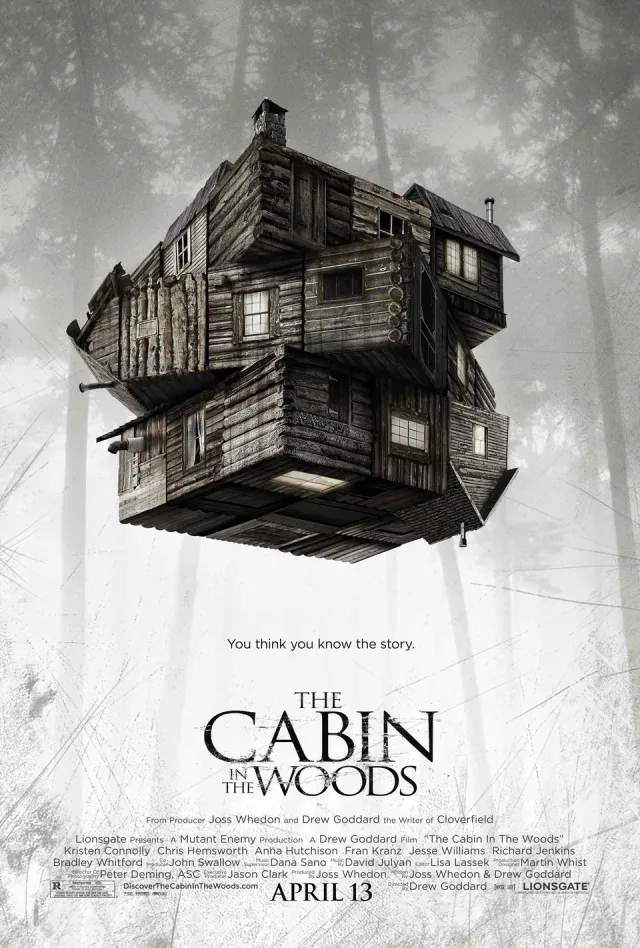
A controlled horror scenario becomes unstable when its intended victims discover the machinery and ideological bargain organising their apparently accidental danger.
Why this matches +
Related viewing experiences with the specific differences recorded for each pair.
An adjacent discovery: a related idea with a different viewing experience.
Genres: Horror / Comedy
Shared film traits
Based on recorded story, mood and style. Your preferences can change the order.
Survival
What changes The Cabin in the Woods puts young adults against multiple horror threats while hidden authorities manipulate events, using genre satire rather than the established villains' rivalry.
Five friends visit a remote cabin while technicians elsewhere monitor their behaviour and arrange the conditions for a lethal sequence of events. The visitors' apparently free choices activate threats selected through a concealed ritual system, making familiar horror situations part of an administered performance. As signs of manipulation accumulate, escaping the expected roles exposes an institution that regards individual suffering as necessary maintenance for a larger order.
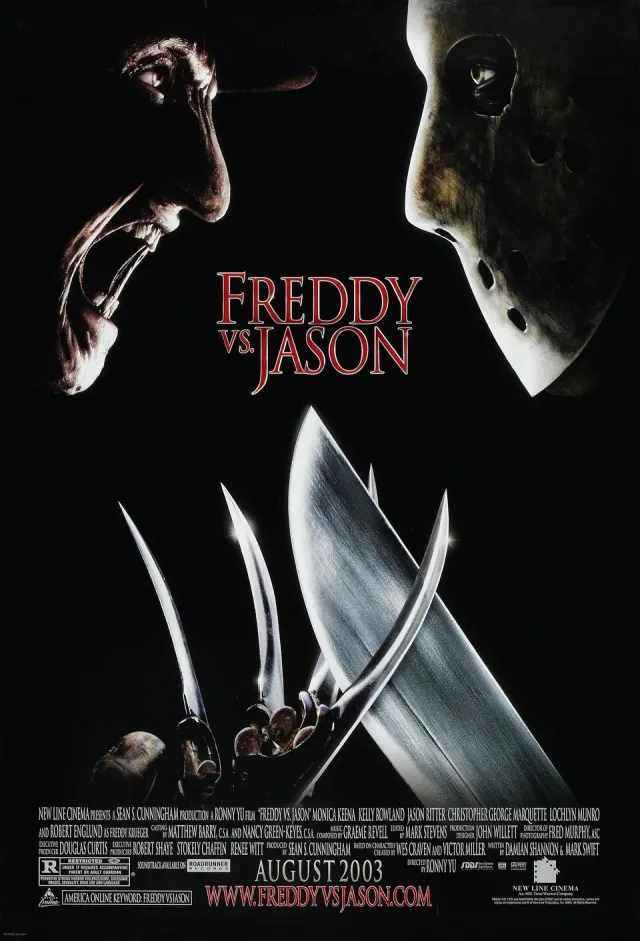
Forgotten by the teenagers whose fear sustained him, Freddy manipulates Jason into restarting violence in Springwood. His plan works too well when the borrowed killer continues taking victims Freddy wants for himself. Teen survivors must understand two different threats while adults conceal the town's history and suppress access to dreams. Their attempt to move the confrontation onto survivable terms makes the crossover a contest over fear, territory and control rather than a straightforward alliance of monsters.
What drives the story
One killer engineers another's return to rebuild his power, then loses control of the violence he has outsourced.
The people at its centre
The teenagers navigate adult concealment while the monsters' unequal partnership becomes a rivalry that can be exploited but never safely trusted.
What it feels like
Explicit slasher violence, dream imagery and knowingly excessive confrontations emphasize crossover spectacle alongside a small group's attempts to survive.
Worth knowing
Keep dream-based predation distinct from physical pursuit; the appeal depends on their collision, not treating either killer as a generic supernatural villain.