A secluded summer camp turns the everyday social pecking order into a source of danger as attacks go unexplained.
Why this matches +
Selected for the central appeal: Slasher horror about isolated young people targeted by a concealed killer with a connection to the past.
Genres: Horror / LGBTQ-related
Shared film traits
Based on recorded story, mood and style. Your preferences can change the order.
Survival
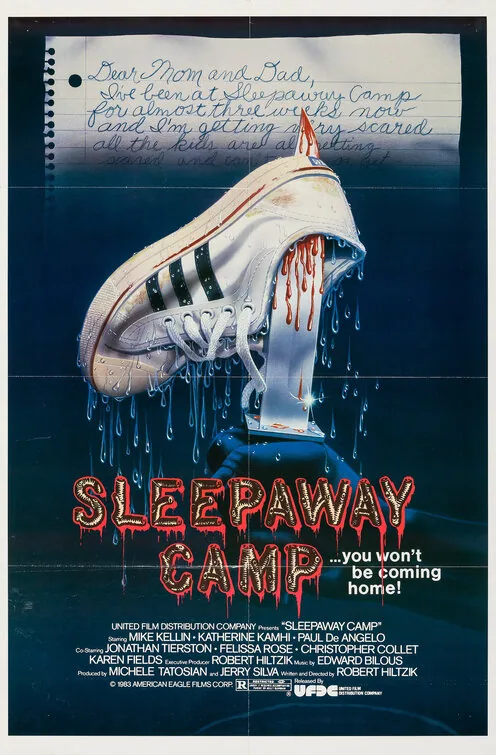
What changes Sleepaway Camp places young people at an isolated camp where a hidden killer attacks them one by one.
After a boating accident leaves Angela without her father and one sibling, she grows up in the care of her eccentric aunt and cousin Ricky. As a teenager, she is sent with Ricky to Camp Arawak, where her quiet manner attracts bullying from campers and staff. Ricky tries to shield her, while a gentle connection with camper Paul offers a brief alternative to the camp’s cruelty. People who humiliate or threaten others begin dying in incidents first dismissed as accidents. The camp’s owner and counselors struggle to make sense of the pattern as a summer of pranks turns into a fight to survive.
The film's engine follows the origin opening reframes the masked threat through childhood violence; this keeps the stakes tied to observable choices.
Why this matches +
Selected for the central appeal: Slasher horror about isolated young people targeted by a concealed killer with a connection to the past.
Genres: Horror / Thriller
Shared film traits
Based on recorded story, mood and style. Your preferences can change the order.
Survival
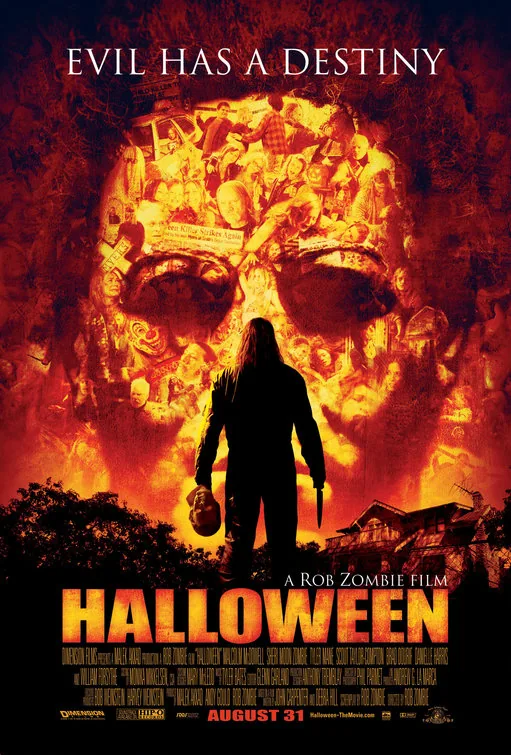
What changes Halloween follows an unseen killer stalking young people in familiar surroundings.
This reimagining follows Michael Myers from a violent childhood through institutional confinement and eventual return to Haddonfield, where Laurie Strode becomes a target. It gives more attention to the killer’s background than the 1978 original before shifting to stalking and survival. Its grim approach emphasizes trauma, isolation and the repetition of violence.
A survivor recounts the 1978 camp massacre that connects the present-day mystery to Shadyside’s recurring curse.
Why this matches +
Selected for the central appeal: Slasher horror about isolated young people targeted by a concealed killer with a connection to the past.
Genres: Horror / Mystery
Shared film traits
Based on recorded story, mood and style. Your preferences can change the order.
Survival
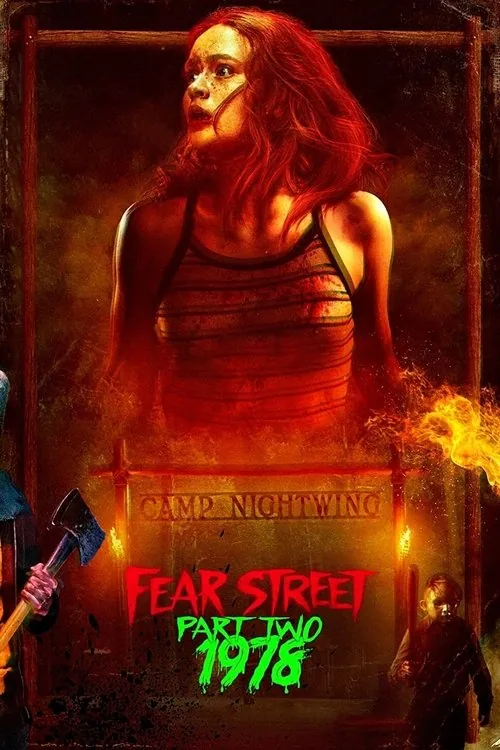
What changes Fear Street Part 2: 1978 revisits a summer-camp massacre and the secrets behind it.
In 1994, Deena and Josh ask C. Berman to explain the Camp Nightwing massacre, and she recounts what happened in 1978. At summer camp, sisters Cindy and Ziggy Berman are caught in conflict between teenagers from Shadyside and Sunnyvale. When a counselor becomes possessed and begins killing campers, the siblings try to survive the night and uncover the history behind the curse. Leigh Janiak’s middle chapter shifts the trilogy into a summer-camp slasher setting while linking its violence to the larger Shadyside story.
The secret binds the friends even as their different accounts pull them apart.
Why this matches +
These offer a related experience with a meaningful difference in story, tone, or presentation.
An adjacent discovery: a related idea with a different viewing experience.
Genres: Horror / Mystery
Shared film traits
Based on recorded story, mood and style. Your preferences can change the order.
Survival
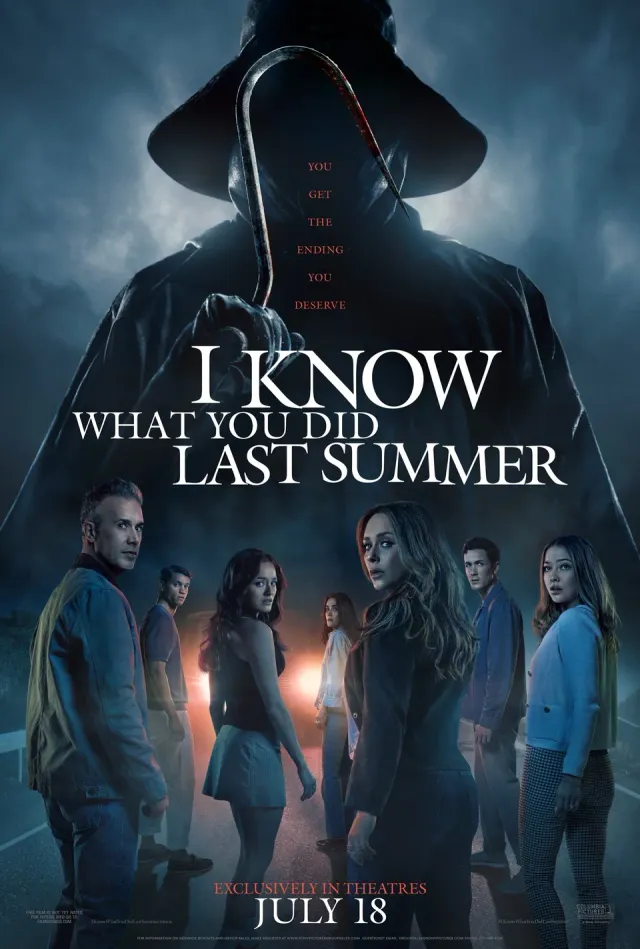
What changes I Know What You Did Last Summer follows young friends stalked by a killer tied to a concealed past event.
A year after a deadly accident, a group of friends reunite in Southport and find themselves targeted by someone who knows what they concealed. As threats escalate, they seek help from survivors of an earlier killing spree and investigate how their past actions have returned. The legacy sequel revisits guilt, secrecy, and slasher convention while placing a new group of young adults inside an inherited cycle of violence.
A wrong turn removes the group’s access to help, turning every attempt to leave the forest into another encounter with the hunters.
Why this matches +
These offer a related experience with a meaningful difference in story, tone, or presentation.
An adjacent discovery: a related idea with a different viewing experience.
Genres: Thriller / Horror
Shared film traits
Based on recorded story, mood and style. Your preferences can change the order.
Survival
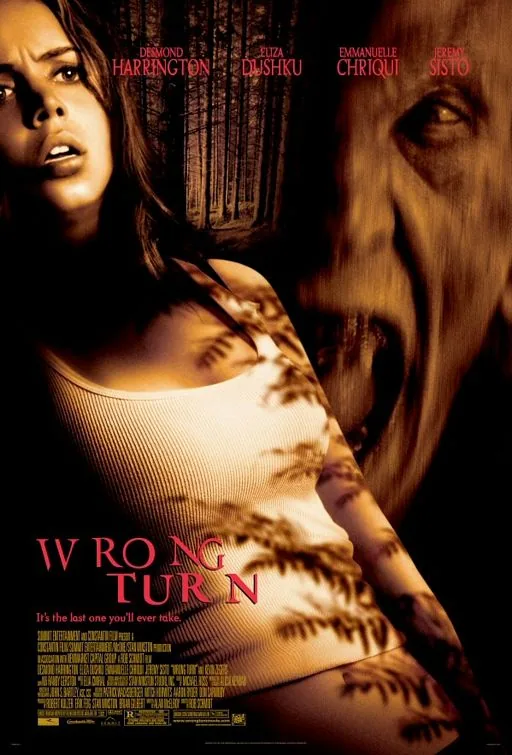
What changes Wrong Turn isolates young travelers in unfamiliar woods with violent pursuers.
After taking an isolated road through the Appalachian hills of West Virginia, a group of young travelers become stranded and realize they are being hunted by violent men who live in the surrounding woods. With their vehicle unusable and rescue unlikely, the survivors must move through unfamiliar terrain while trying to stay quiet and protect one another. The film’s short running time and remote setting keep the threat close, using the fear of being watched and pursued to drive its slasher structure. Limited visibility and uncertain routes keep escape attempts from feeling safe. The strangers' cooperation shifts between concealment and sudden flight as the hunters close in.
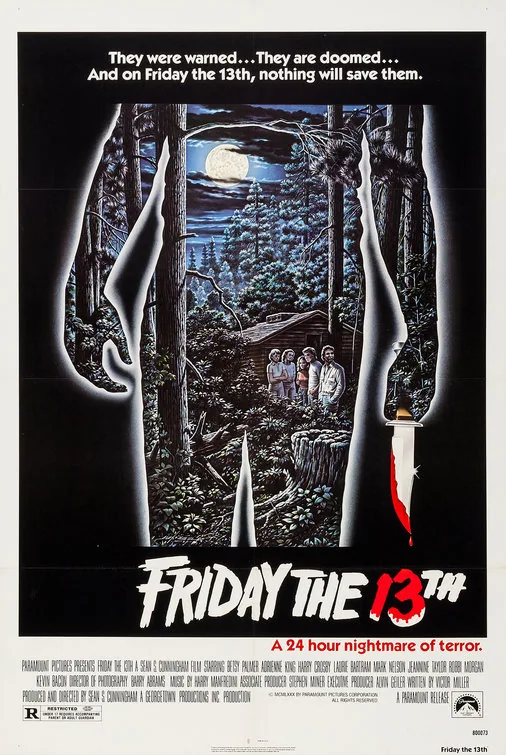
Young counselors preparing a lakeside camp for reopening become isolated targets as an unseen attacker turns ordinary work and flirtation into opportunities for murder. Local warnings supply a history of disaster without initially explaining who is acting in the present. As companions vanish, the remaining survivor must recognize that the familiar setting offers little protection. The film's mechanism is a concealed assailant exploiting separation and delayed discovery, culminating in an encounter tied to the camp's neglected past.
What drives the story
An unseen killer eliminates separated counselors while the surviving group remains slow to recognize that disappearances form an organized threat.
The people at its centre
The counselors' casual trust in the workplace contrasts with a killer whose grievance attaches blame to the camp's institutional history.
What it feels like
Patient stalking, offscreen uncertainty and sudden practical gore give a modest rural setting a rhythm of anticipation followed by violent interruption.
Worth knowing
The original's killer is not adult Jason; distinguish its concealed identity structure from the franchise's later established monster and pursuit formulas.