Explore films connected to Sleepaway Camp through Trauma and identity, Bullying, Belonging and exclusion. Choose the qualities you want to carry into your next watch.
What should feel similar?
Find your next favourite
9 films · Closest overall matches
Hide films you’ve seen or don’t want. Saved on this device.
No matches for this combination yet.
Try another option or reset your choices to see more films.
Both share themes of survival, plus an uneasy and tense atmosphere.
Why this matches +
Genres: Horror / Thriller
Shared film traits
Based on recorded story, mood and style. Your preferences can change the order.
Survival
What changes Sleepaway Camp: gradual escalation, alternating camp routines and attacks, mystery-led and abrupt final revelation. Friday the 13th Part 2: measured and escalating.
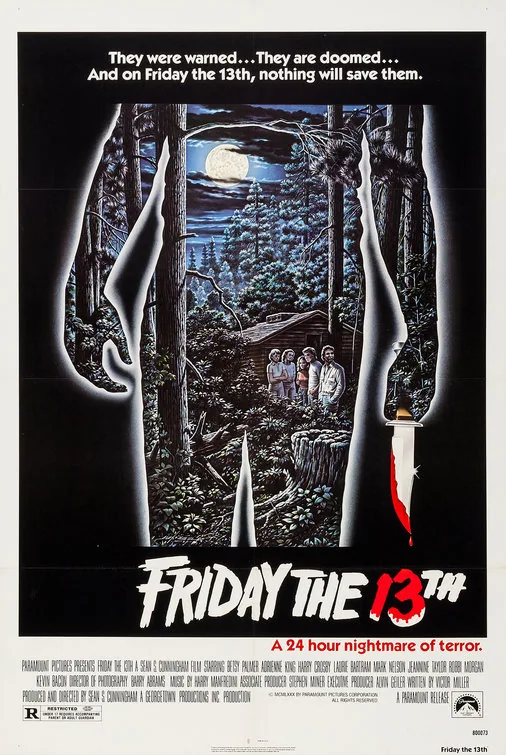
A training camp near Crystal Lake treats its neighbor's violent history as a cautionary story until the danger crosses into its own routines. Counselors who stay behind become increasingly exposed while a figure in the surrounding woods closes in. Ginny's eventual understanding of the killer's attachment to his mother offers a precarious tactic beyond simply running. The sequel moves the franchise toward Jason as an embodied pursuer while retaining uncertainty, vulnerable spaces and a survivor who must improvise with limited information.
Both share themes of survival, plus a tense atmosphere.
Why this matches +
Genres: Horror / Thriller
Shared film traits
Based on recorded story, mood and style. Your preferences can change the order.
Survival
What changes Sleepaway Camp: gradual escalation, alternating camp routines and attacks, mystery-led and abrupt final revelation. Friday the 13th: measured and escalating.
Young counselors preparing a lakeside camp for reopening become isolated targets as an unseen attacker turns ordinary work and flirtation into opportunities for murder. Local warnings supply a history of disaster without initially explaining who is acting in the present. As companions vanish, the remaining survivor must recognize that the familiar setting offers little protection. The film's mechanism is a concealed assailant exploiting separation and delayed discovery, culminating in an encounter tied to the camp's neglected past.
Both share themes of survival, plus a tense atmosphere.
Why this matches +
Genres: Horror / Adventure
Shared film traits
Based on recorded story, mood and style. Your preferences can change the order.
Escape and pursuit · Survival
What changes Sleepaway Camp: gradual escalation, alternating camp routines and attacks, mystery-led and abrupt final revelation. The Descent: exploration into siege and escalating survival horror.
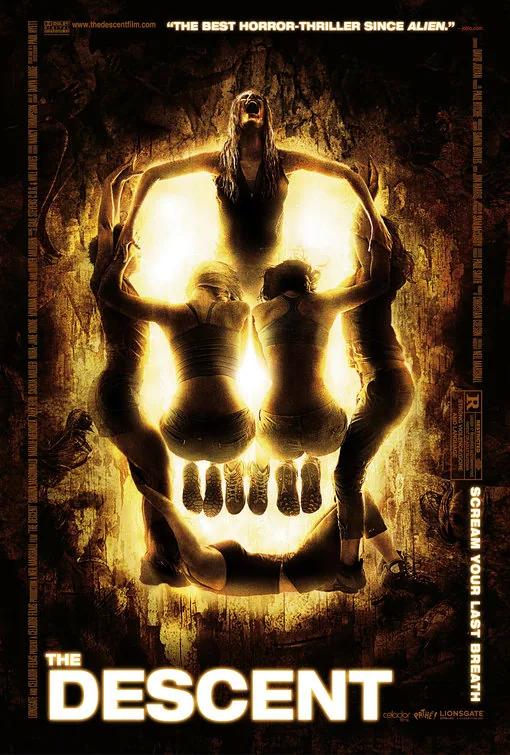
A year after a car crash kills her husband and daughter, Sarah joins friends for a caving trip in the Appalachian Mountains. Their leader Juno takes them into an unexplored system instead of the route filed with authorities, leaving no reliable rescue plan when a collapse blocks their way back. A humanoid creature attacks the group, and the search for an exit becomes a desperate struggle in narrow tunnels. Sarah's grief and Juno's choices deepen the danger as the survivors lose trust in one another.
Both share summer-camp slasher, plus themes of survival.
Why this matches +
Genres: Horror / Mystery
Shared film traits
Based on recorded story, mood and style. Your preferences can change the order.
Coming of age · Survival
What changes Sleepaway Camp: gradual escalation, alternating camp routines and attacks, mystery-led and abrupt final revelation. Fear Street Part 2: 1978: rising, ensemble pursuit and cliffhanger-driven.
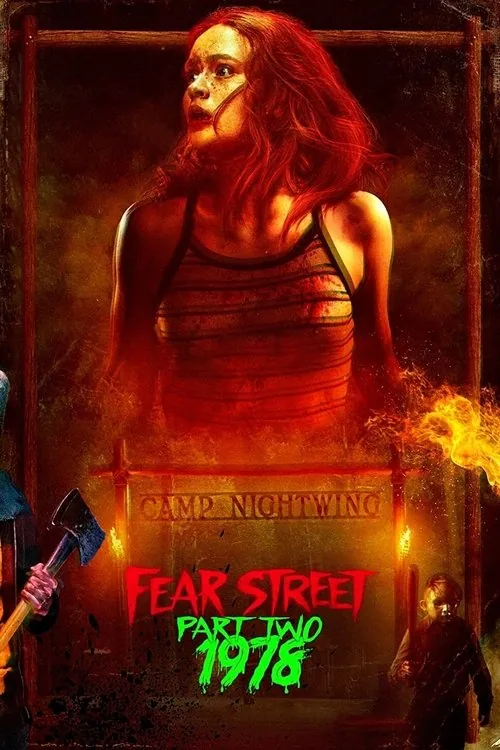
In 1994, Deena and Josh ask C. Berman to explain the Camp Nightwing massacre, and she recounts what happened in 1978. At summer camp, sisters Cindy and Ziggy Berman are caught in conflict between teenagers from Shadyside and Sunnyvale. When a counselor becomes possessed and begins killing campers, the siblings try to survive the night and uncover the history behind the curse. Leigh Janiak’s middle chapter shifts the trilogy into a summer-camp slasher setting while linking its violence to the larger Shadyside story.
Both share themes of survival, plus a campy atmosphere.
Why this matches +
Genres: Horror / Comedy
Shared film traits
Based on recorded story, mood and style. Your preferences can change the order.
Survival
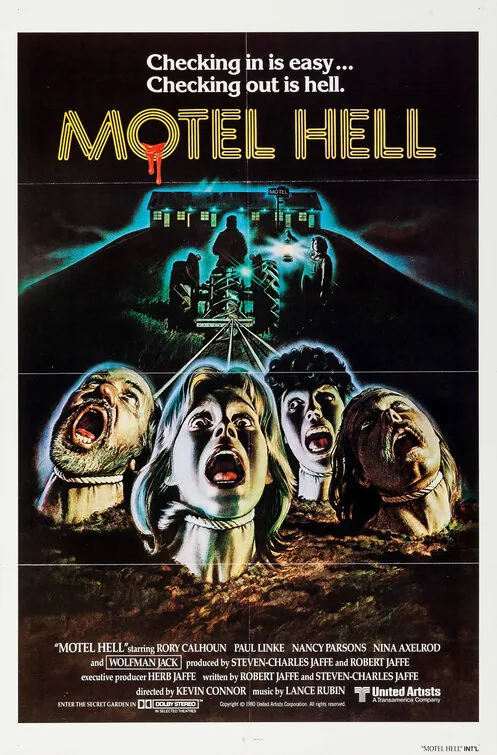
What changes Sleepaway Camp: gradual escalation, alternating camp routines and attacks, mystery-led and abrupt final revelation. Motel Hell: slow-burn and shock-driven.
A brother and sister run a roadside motel and sell smoked meat to travelers, hiding a gruesome secret behind their success. When a young woman is brought to the property, the brother's control over his operation is challenged by her survival and his own divided impulses. The horror comedy mixes grotesque violence with rural satire and an intentionally absurd take on hospitality.
Based on recorded story, mood and style. Your preferences can change the order.
Survival
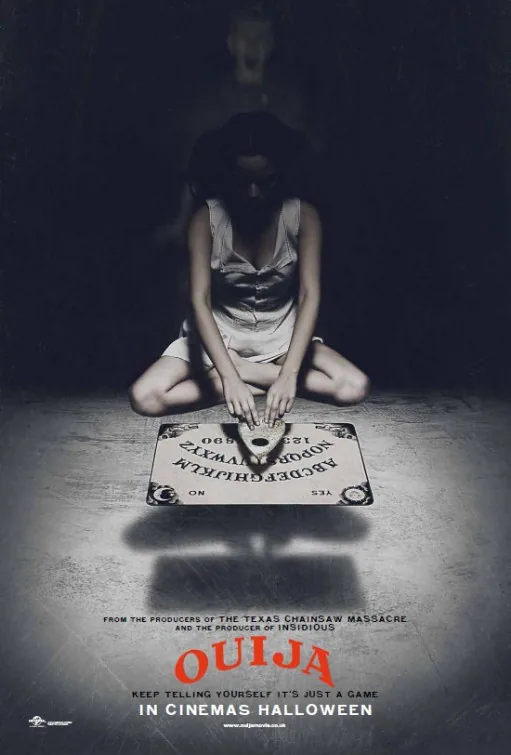
What changes Sleepaway Camp: gradual escalation, alternating camp routines and attacks, mystery-led and abrupt final revelation. Ouija: slow reveal followed by escalating scares.
After a young woman’s unexplained death, her friends use a spirit board to contact her and instead awaken a presence that grows more dangerous with each attempt. Their investigation leads them through a house and its history, turning grief into a horror story about curiosity and unseen consequences. The film builds tension through familiar supernatural rules and a group of young characters facing a threat they do not understand.
Both share themes of survival, plus a tense atmosphere.
Why this matches +
Genres: Horror / Thriller
Shared film traits
Based on recorded story, mood and style. Your preferences can change the order.
Survival
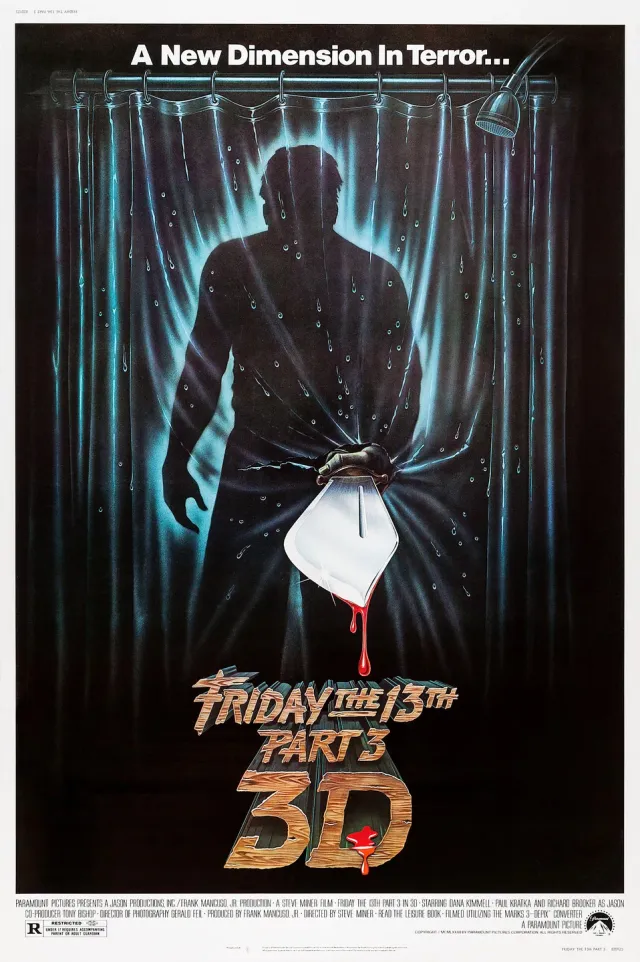
What changes Sleepaway Camp: gradual escalation, alternating camp routines and attacks, mystery-led and abrupt final revelation. Friday the 13th Part III: steady and escalating.
A young woman returns to a lakeside property associated with an earlier frightening encounter, hoping to face what drove her away. Her friends' holiday and a conflict with local bikers instead place more people near Jason's hiding place. As ordinary leisure gives way to disappearance, the setting becomes a network of vulnerable rooms, outbuildings and paths. The installment joins a survivor's return to a source of fear with a succession of elaborate attacks designed around immediate physical exposure.
Based on recorded story, mood and style. Your preferences can change the order.
Coming of age · Escape and pursuit
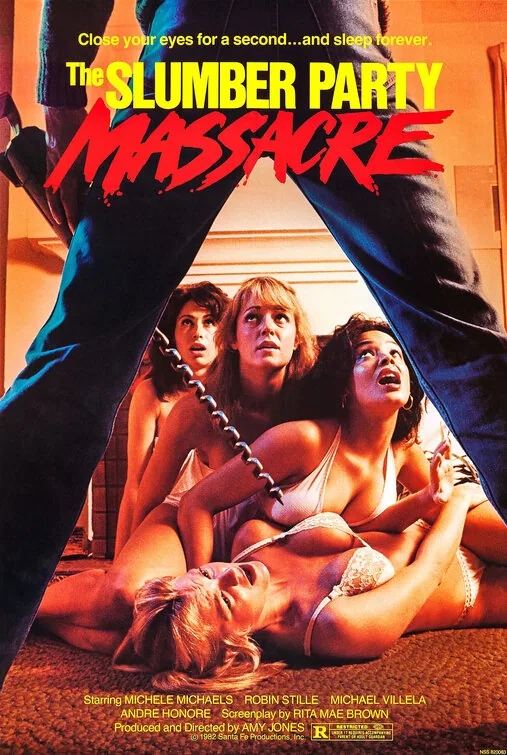
What changes Sleepaway Camp: gradual escalation, alternating camp routines and attacks, mystery-led and abrupt final revelation. The Slumber Party Massacre: compact setup, escalating attacks, short reprieves and final survival struggle.
High-school senior Trish invites friends to spend a night at her home while her parents are away, with neighbor David asked to keep watch. Across the street, Valerie looks after her younger sister and declines the invitation after an earlier slight. An escaped serial killer, Russ Thorn, begins stalking the girls with a power drill, turning a private gathering into a night of escalating danger. Pranks and assumptions about who is nearby delay recognition of the threat. As the group is isolated and help remains distant, the young women must decide whom to trust and how to defend one another.
Based on recorded story, mood and style. Your preferences can change the order.
Coming of age
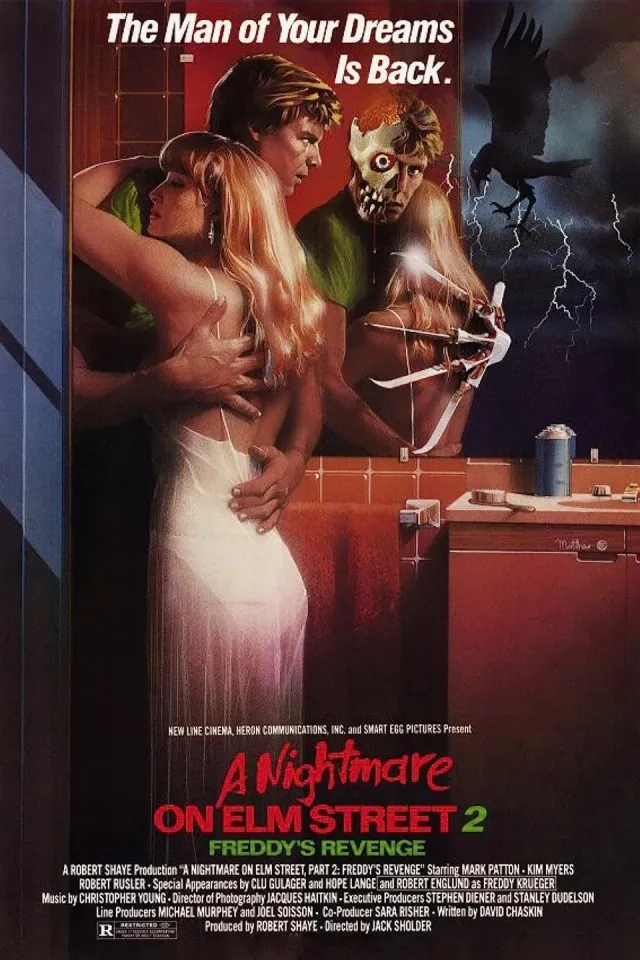
What changes Sleepaway Camp: gradual escalation, alternating camp routines and attacks, mystery-led and abrupt final revelation. A Nightmare on Elm Street 2: Freddy's Revenge: escalating.
Jesse and his family move into the house where Nancy Thompson faced Freddy Krueger, and Jesse's nightmares begin turning into waking acts he cannot remember or control. Rather than simply hunting sleepers, Freddy appears to use Jesse's body as the means of escape, making the teenager fear both the killer and his own capacity to harm. Lisa's affection offers a fragile counterweight, but Jesse's secrecy and fear strain the trust that might help him. The sequel turns supernatural attack into a crisis of bodily agency and self-recognition.
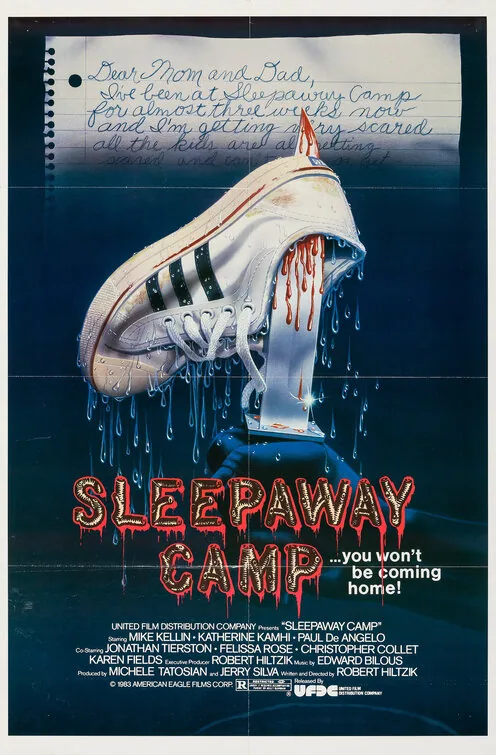
After a boating accident leaves Angela without her father and one sibling, she grows up in the care of her eccentric aunt and cousin Ricky. As a teenager, she is sent with Ricky to Camp Arawak, where her quiet manner attracts bullying from campers and staff. Ricky tries to shield her, while a gentle connection with camper Paul offers a brief alternative to the camp’s cruelty. People who humiliate or threaten others begin dying in incidents first dismissed as accidents. The camp’s owner and counselors struggle to make sense of the pattern as a summer of pranks turns into a fight to survive.
What drives the story
A secluded summer camp turns the everyday social pecking order into a source of danger as attacks go unexplained.
The people at its centre
Ricky’s loyalty and Paul’s kindness offer Angela limited support where adults repeatedly discount warning signs.
What it feels like
The contrast between playful camp routines and sudden violence gives the film its uneasy low-budget slasher rhythm.
Worth knowing
This is a camp-set teen slasher whose mystery depends on hidden identity, not an expansive supernatural mythology.
Trauma and identityBullyingBelonging and exclusion
Mood
Uneasy · Campy · Tense · Shocking
Pacing
Gradual escalation · Alternating camp routines and attacks · Mystery-led · Abrupt final revelation