Explore films connected to Fear Street Part 2: 1978 through Sisterhood, Class conflict, Survival. Choose the qualities you want to carry into your next watch.
What should feel similar?
Find your next favourite
9 films · Closest overall matches
Hide films you’ve seen or don’t want. Saved on this device.
No matches for this combination yet.
Try another option or reset your choices to see more films.
Based on recorded story, mood and style. Your preferences can change the order.
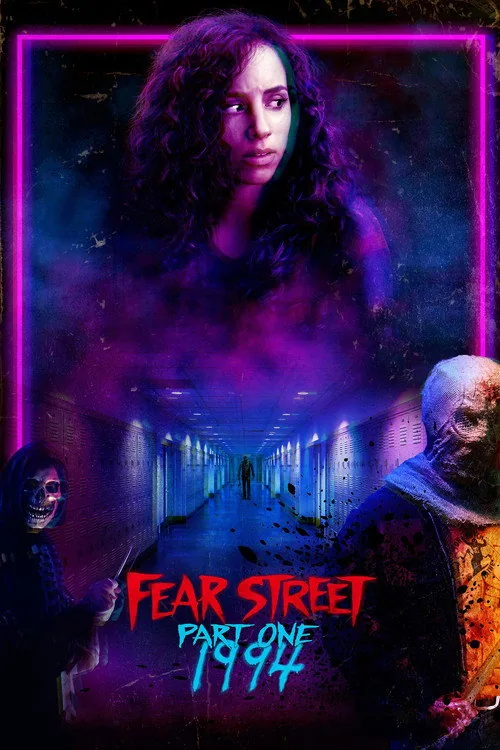
What changes Fear Street Part 2: 1978: rising, ensemble pursuit and cliffhanger-driven. Fear Street Part 1: 1994: a drop of blood at a grave reconnects a present-day teen group to old town murders..
In 1994, a massacre at a mall reinforces Shadyside’s reputation as a town plagued by violence, while neighboring Sunnyvale prospers. Teenager Deena reunites with her former girlfriend Sam after a crash near the cemetery appears to awaken several killers from Shadyside’s past. Deena, her brother Josh, and their friends connect the attacks to the legend of Sarah Fier and try to stop the killers before they reach Sam. Leigh Janiak’s slasher opens a trilogy and mixes a modern teen story with a curse spanning several centuries.
Both share themes of survival, plus a menacing atmosphere.
Why this matches +
Genres: Horror / Thriller
Shared film traits
Based on recorded story, mood and style. Your preferences can change the order.
Survival
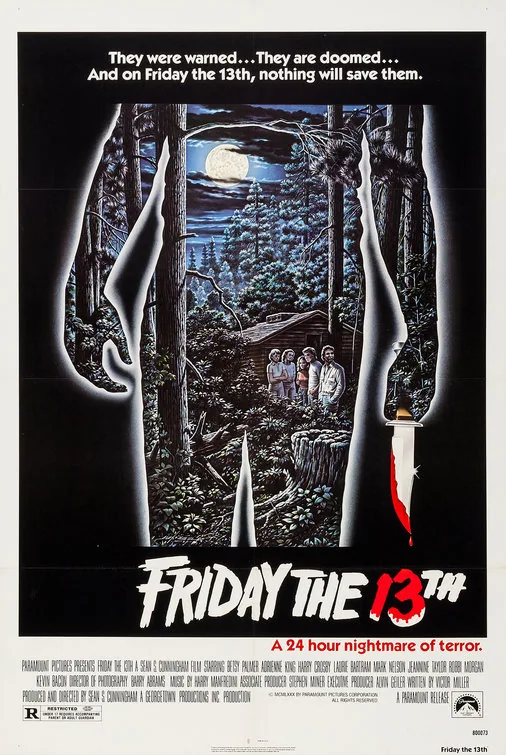
What changes Fear Street Part 2: 1978: rising, ensemble pursuit and cliffhanger-driven. Friday the 13th: measured and escalating.
Young counselors preparing a lakeside camp for reopening become isolated targets as an unseen attacker turns ordinary work and flirtation into opportunities for murder. Local warnings supply a history of disaster without initially explaining who is acting in the present. As companions vanish, the remaining survivor must recognize that the familiar setting offers little protection. The film's mechanism is a concealed assailant exploiting separation and delayed discovery, culminating in an encounter tied to the camp's neglected past.
Both share summer-camp slasher, plus themes of survival.
Why this matches +
Genres: Horror / LGBTQ-related
Shared film traits
Based on recorded story, mood and style. Your preferences can change the order.
Survival · Coming of age
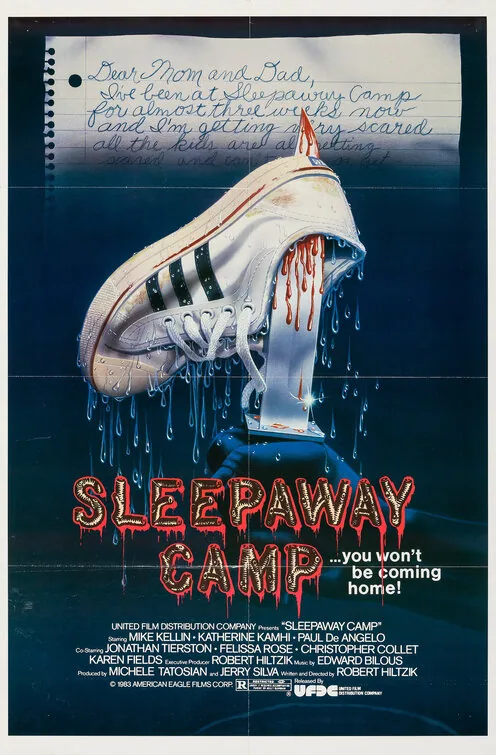
What changes Fear Street Part 2: 1978: rising, ensemble pursuit and cliffhanger-driven. Sleepaway Camp: gradual escalation, alternating camp routines and attacks, mystery-led and abrupt final revelation.
After a boating accident leaves Angela without her father and one sibling, she grows up in the care of her eccentric aunt and cousin Ricky. As a teenager, she is sent with Ricky to Camp Arawak, where her quiet manner attracts bullying from campers and staff. Ricky tries to shield her, while a gentle connection with camper Paul offers a brief alternative to the camp’s cruelty. People who humiliate or threaten others begin dying in incidents first dismissed as accidents. The camp’s owner and counselors struggle to make sense of the pattern as a summer of pranks turns into a fight to survive.
Based on recorded story, mood and style. Your preferences can change the order.
Coming of age
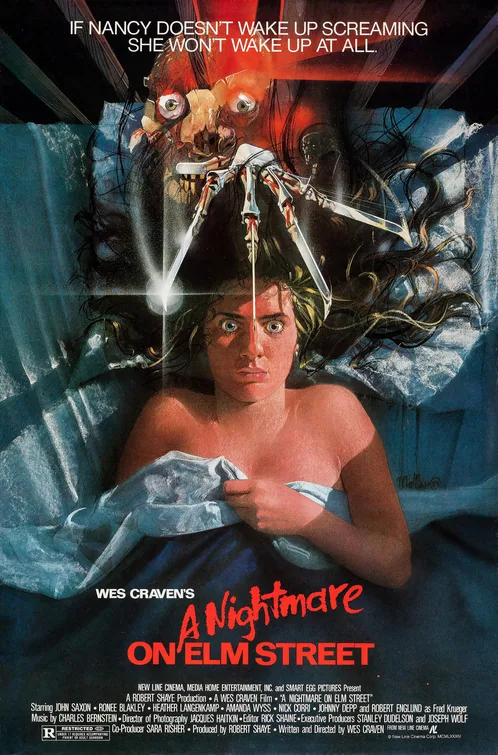
What changes Fear Street Part 2: 1978: rising, ensemble pursuit and cliffhanger-driven. A Nightmare on Elm Street: escalating.
Teenagers on the same suburban street begin encountering a burned attacker in their dreams, and injuries cross into waking life. Nancy investigates the connection while adults dismiss the danger or withhold knowledge of its origins. As sleep becomes unavoidable, she must devise a way to confront an enemy protected by the gap between what the children experience and what their parents are willing to acknowledge.
Both share themes of survival, plus a menacing atmosphere.
Why this matches +
Genres: Horror / Mystery
Shared film traits
Based on recorded story, mood and style. Your preferences can change the order.
Survival
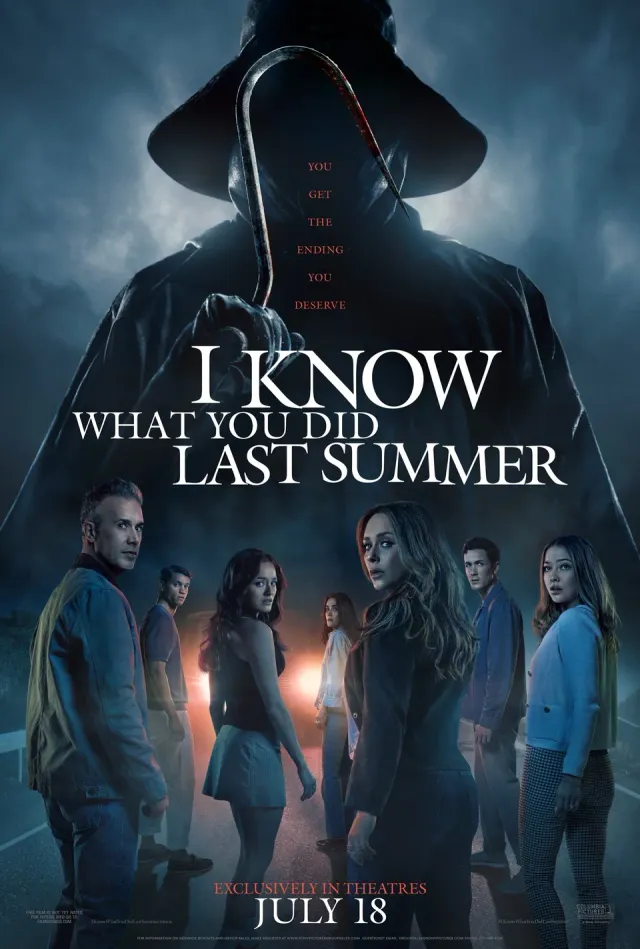
What changes Fear Street Part 2: 1978: rising, ensemble pursuit and cliffhanger-driven. I Know What You Did Last Summer: a slasher mystery alternates pursuit with revelations about past events.
A year after a deadly accident, a group of friends reunite in Southport and find themselves targeted by someone who knows what they concealed. As threats escalate, they seek help from survivors of an earlier killing spree and investigate how their past actions have returned. The legacy sequel revisits guilt, secrecy, and slasher convention while placing a new group of young adults inside an inherited cycle of violence.
Both share themes of survival, plus a menacing atmosphere.
Why this matches +
Genres: Horror / Thriller
Shared film traits
Based on recorded story, mood and style. Your preferences can change the order.
Survival
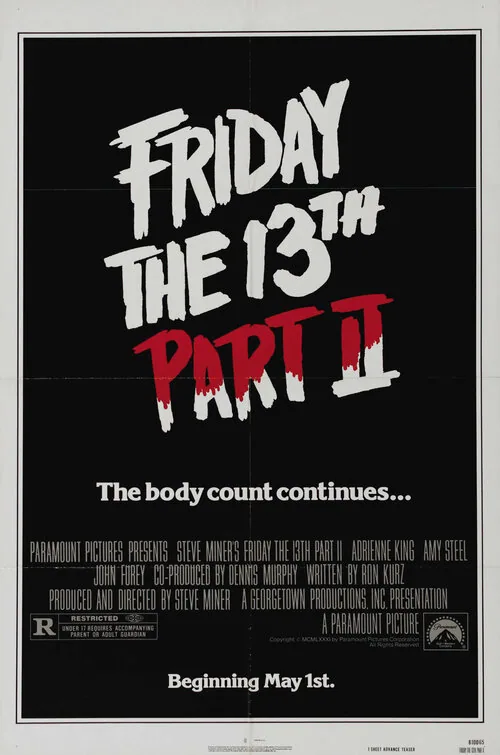
What changes Fear Street Part 2: 1978: rising, ensemble pursuit and cliffhanger-driven. Friday the 13th Part 2: measured and escalating.
A training camp near Crystal Lake treats its neighbor's violent history as a cautionary story until the danger crosses into its own routines. Counselors who stay behind become increasingly exposed while a figure in the surrounding woods closes in. Ginny's eventual understanding of the killer's attachment to his mother offers a precarious tactic beyond simply running. The sequel moves the franchise toward Jason as an embodied pursuer while retaining uncertainty, vulnerable spaces and a survivor who must improvise with limited information.
Based on recorded story, mood and style. Your preferences can change the order.
Coming of age
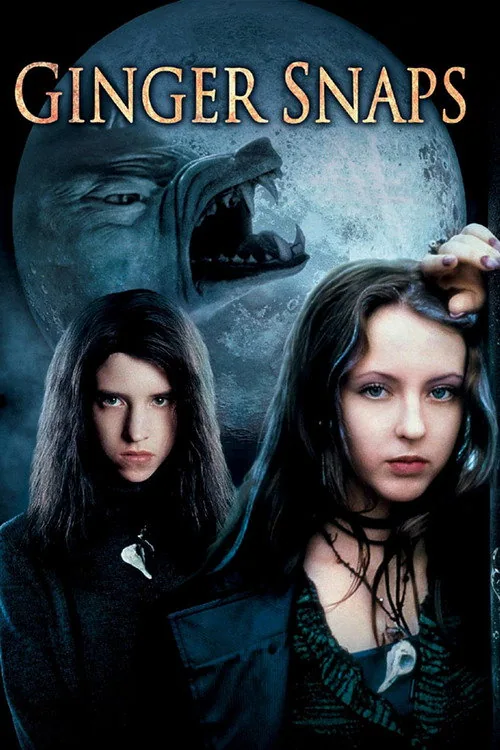
What changes Fear Street Part 2: 1978: rising, ensemble pursuit and cliffhanger-driven. Ginger Snaps: teenage domestic setup, gradual transformation and horror escalation.
Teenage sisters Ginger and Brigitte Fitzgerald share an intense bond and a fascination with death in their suburban neighborhood. After a creature attacks Ginger on the night she gets her first period, her body and behavior begin to change. The sisters try to understand the transformation while local dog killings and their strained family life add pressure. Their loyalty is tested as Ginger's new appetite becomes harder to control and Brigitte searches for a cure.
Based on recorded story, mood and style. Your preferences can change the order.
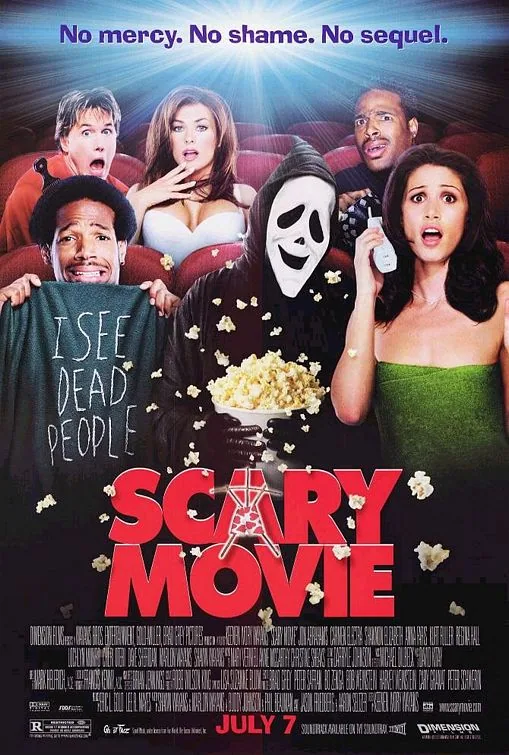
What changes Fear Street Part 2: 1978: rising, ensemble pursuit and cliffhanger-driven. Scary Movie: rapid, parodic and reversal-driven.
A year after a fatal hit-and-run, Cindy Campbell and her friends are stalked by a masked killer whose calls and attacks echo the slasher films they know. The group’s attempts to hide their own connections to the earlier accident collide with a news crew eager to sensationalize the murders and a school administration focused on its own reputation. Cindy’s uncertainty about her boyfriend Bobby and her friends keeps the mystery moving, but each clue is also an opportunity to spoof the conventions of teen horror. The comedy is fast, vulgar and deliberately irreverent about both the genre and its characters.
Both share themes of survival, plus a relentless atmosphere.
Why this matches +
Genres: Horror / Zombie
Shared film traits
Based on recorded story, mood and style. Your preferences can change the order.
Survival
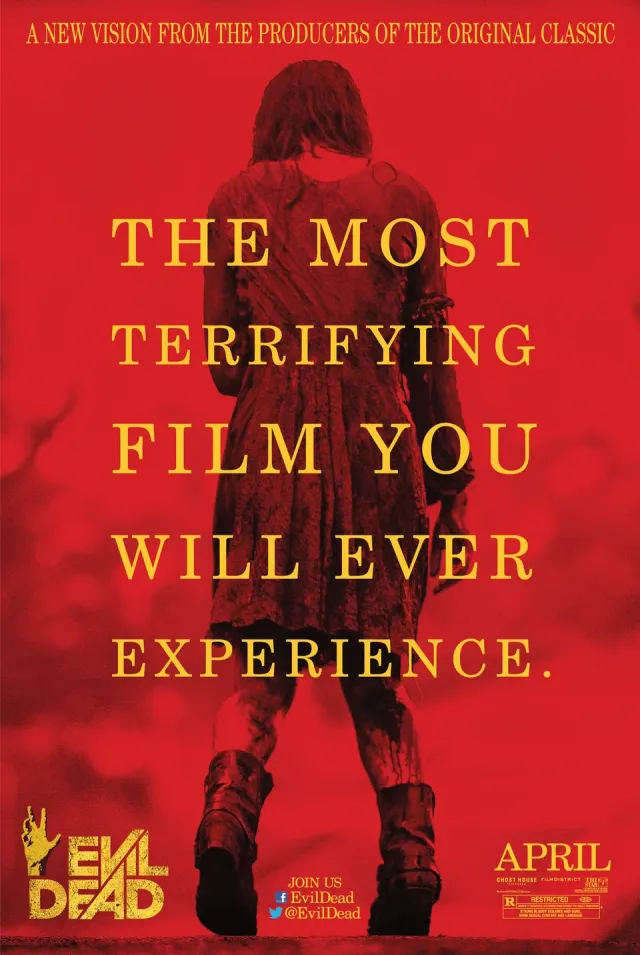
What changes Fear Street Part 2: 1978: rising, ensemble pursuit and cliffhanger-driven. Evil Dead: escalating and relentless.
Mia arrives at a remote cabin with her brother David and friends as she attempts to withdraw from drugs. A book discovered in the basement is read aloud despite warnings, releasing a demonic force that begins attacking the group. Isolation and distrust make it difficult to decide whether Mia is ill, possessed or both, and the friends' effort to survive becomes increasingly brutal.
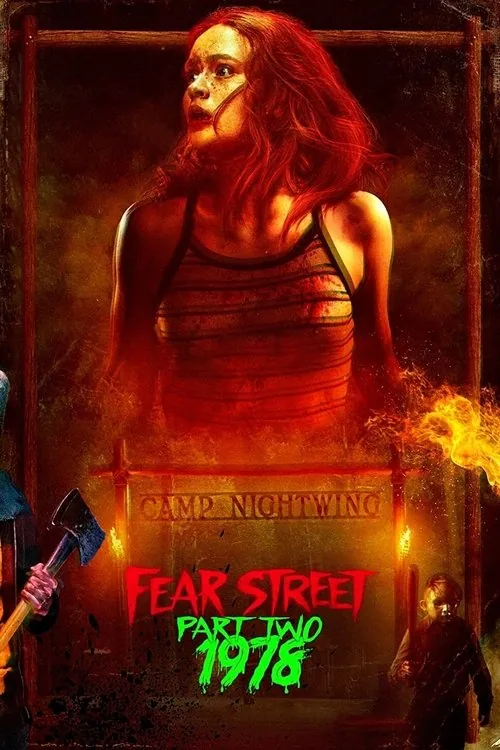
In 1994, Deena and Josh ask C. Berman to explain the Camp Nightwing massacre, and she recounts what happened in 1978. At summer camp, sisters Cindy and Ziggy Berman are caught in conflict between teenagers from Shadyside and Sunnyvale. When a counselor becomes possessed and begins killing campers, the siblings try to survive the night and uncover the history behind the curse. Leigh Janiak’s middle chapter shifts the trilogy into a summer-camp slasher setting while linking its violence to the larger Shadyside story.
What drives the story
A survivor recounts the 1978 camp massacre that connects the present-day mystery to Shadyside’s recurring curse.
The people at its centre
Cindy and Ziggy’s strained sisterhood is tested by a night of danger, fear, and conflicting ideas about escape.
What it feels like
Contains graphic slasher violence, killings, blood, strong language, teen peril, and supernatural horror.
Worth knowing
The film combines a period summer-camp slasher with a continuing trilogy mystery and a survivor’s recollection.
SisterhoodClass conflictSurvival
Mood
Menacing · Adolescent · Relentless
Pacing
Rising · Ensemble pursuit · Cliffhanger-driven
Visual style
1970s horror pastiche · Campground night scenes · Practical gore