Explore films connected to When Evil Lurks through fear and denial, family under supernatural threat, contagion and responsibility. Choose the qualities you want to carry into your next watch.
What should feel similar?
Find your next favourite
9 films · Closest overall matches
Hide films you’ve seen or don’t want. Saved on this device.
No matches for this combination yet.
Try another option or reset your choices to see more films.
Based on recorded story, mood and style. Your preferences can change the order.
Survival
What changes When Evil Lurks: cumulative escalation, sudden shocks and survival-driven decisions. The Unborn: escalating and suspense-led.
A young woman begins experiencing disturbing visions and discovers that a family history she barely understands may be connected to a hostile supernatural presence. As the episodes intensify, she seeks help from people who recognize the danger but cannot offer easy certainty. The horror story links inherited trauma and identity to a possession threat, using the protagonist’s search for an explanation as the route into escalating peril.
Based on recorded story, mood and style. Your preferences can change the order.
Survival
What changes When Evil Lurks: cumulative escalation, sudden shocks and survival-driven decisions. It Comes at Night: slow burn.
A family survives an unexplained contagious threat through isolation, strict rules and the willingness to exclude outsiders. Accepting another household seems to increase their chance of survival, but incomplete information and a disturbing breach of routine turn cooperation back into suspicion. The adolescent son experiences the enclosure through desire, dreams and terror that provide no reliable map of danger. The horror concentrates on decisions made without certainty, showing how the effort to protect a family can become destructive before anyone establishes what actually happened.
Based on recorded story, mood and style. Your preferences can change the order.
Survival
What changes When Evil Lurks: cumulative escalation, sudden shocks and survival-driven decisions. Amityville II: The Possession: gradual haunting into crisis.
The Montelli family moves into a house with a history of violence, where the father's abuse and a demonic presence turn domestic life into a nightmare. Their son becomes vulnerable to the force within the house, and attempts to seek help expose both supernatural danger and the family's isolation. The prequel-like horror story uses religious imagery and escalating household violence to explore how a home can become an inescapable threat.
Based on recorded story, mood and style. Your preferences can change the order.
Survival
What changes When Evil Lurks: cumulative escalation, sudden shocks and survival-driven decisions. Marrowbone: family arrival and loss, domestic mystery deepens and secrets and past violence converge.
After moving with their mother from England to a rural Maine estate, four siblings try to remain together after her death, hiding what has happened until the eldest can claim legal guardianship. Jack takes responsibility for the household and begins a relationship with Allie, while strange sounds and covered mirrors reinforce the children's belief that a dangerous presence is trapped in the house. As money and official scrutiny threaten their secret, the siblings must face the family's violent past and determine whether the haunting is supernatural or something more painful.
Based on recorded story, mood and style. Your preferences can change the order.
Survival
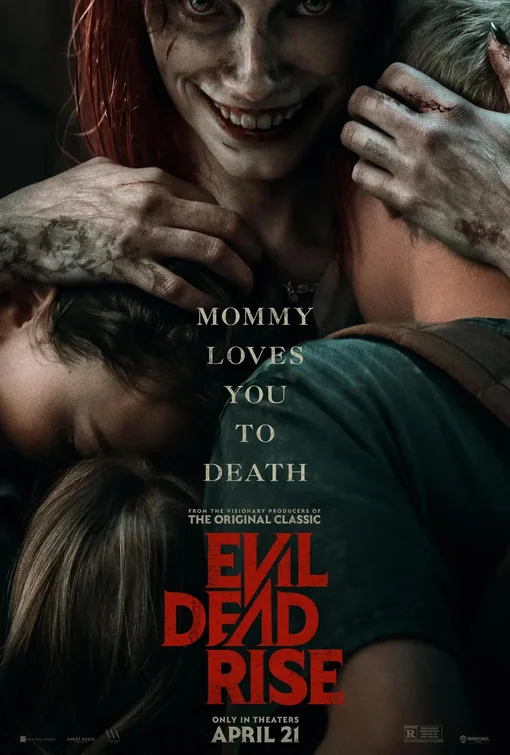
What changes When Evil Lurks: cumulative escalation, sudden shocks and survival-driven decisions. Evil Dead Rise: relentless and escalating.
An estranged mother and her sister reconnect just as a mysterious book unleashes a demonic force inside a crowded apartment building. Once the threat takes hold of one of them, the family is trapped in a familiar place that offers no safe room and no easy way to protect the children. The horror turns sibling care into an increasingly brutal survival problem.
Based on recorded story, mood and style. Your preferences can change the order.
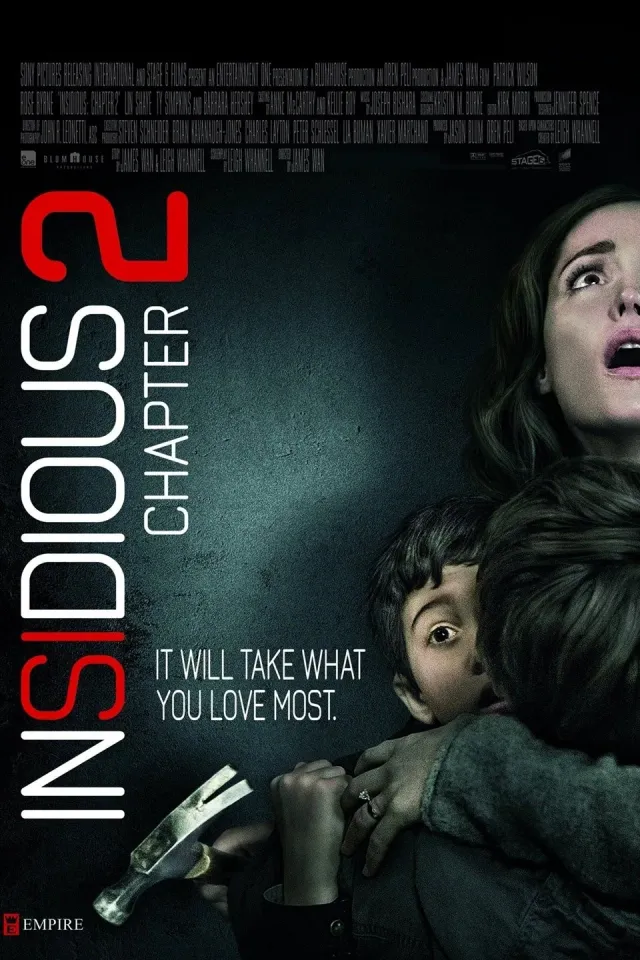
What changes When Evil Lurks: cumulative escalation, sudden shocks and survival-driven decisions. Insidious: Chapter 2: escalating and reveal-driven.
After a family survives a haunting, the danger follows them into a new house and begins attaching itself to the father’s unexplained behavior. Relatives and investigators revisit memories and old recordings to understand the link between the family and a violent presence. The sequel builds its scares around the possibility that home is no longer separate from the supernatural world.
Both share a dread-filled and unpredictable atmosphere.
Why this matches +
Genres: Crime / Horror
Shared film traits
Based on recorded story, mood and style. Your preferences can change the order.
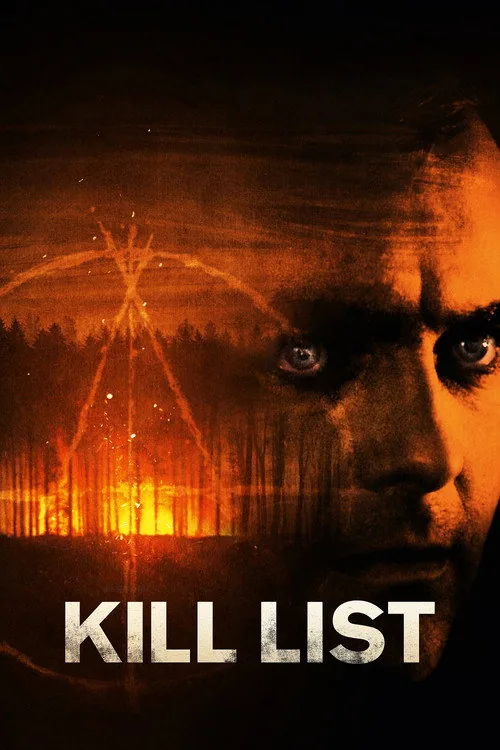
What changes When Evil Lurks: cumulative escalation, sudden shocks and survival-driven decisions. Kill List: marital conflict precedes the contract, each assignment grows more disturbing and conspiracy and violence converge in a shocking climax.
Former soldier Jay is struggling financially and emotionally after a failed mission, while his wife Shel urges him and old friend Gal to accept contract work. Their new employer gives them a list of targets, and the jobs grow increasingly disturbing as the men encounter a librarian and other victims. Strange symbols and hostile reactions suggest a wider design around the killings, while Jay's anger and violence intensify until the job leads him toward an unsettling final revelation.
Based on recorded story, mood and style. Your preferences can change the order.
Survival
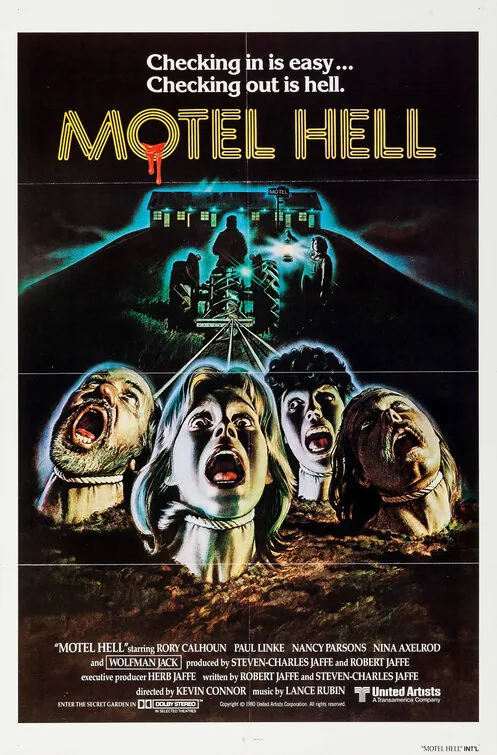
What changes When Evil Lurks: cumulative escalation, sudden shocks and survival-driven decisions. Motel Hell: slow-burn and shock-driven.
A brother and sister run a roadside motel and sell smoked meat to travelers, hiding a gruesome secret behind their success. When a young woman is brought to the property, the brother's control over his operation is challenged by her survival and his own divided impulses. The horror comedy mixes grotesque violence with rural satire and an intentionally absurd take on hospitality.
Based on recorded story, mood and style. Your preferences can change the order.
Survival
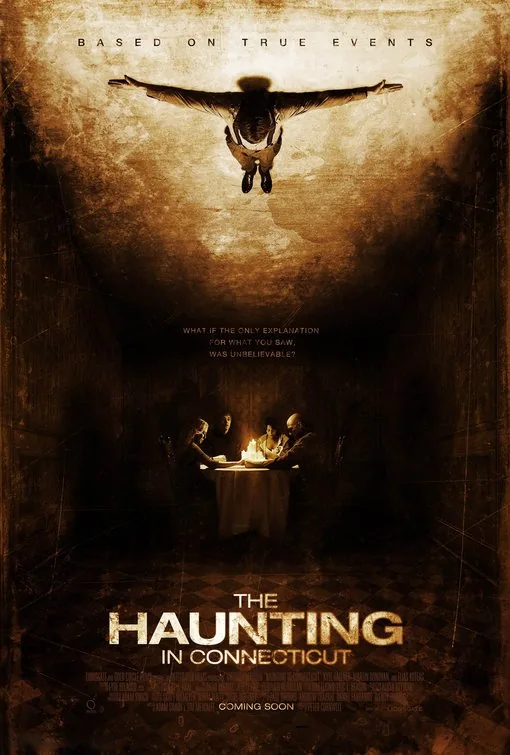
What changes When Evil Lurks: cumulative escalation, sudden shocks and survival-driven decisions. The Haunting in Connecticut: escalating and supernatural suspense.
A family moves into a house near a hospital so their ill son can receive treatment, but strange events gradually suggest the building has a disturbing history. As the parents try to protect their children and understand the haunting, the boy’s illness and the family’s fear become part of the emotional pressure. The supernatural horror combines domestic vulnerability with a mystery about the home’s former use and the danger tied to its past.
Brothers Pedro and Jaime discover that a demonically possessed man is nearing a dangerous transformation in their rural Argentine community. The rules for handling the afflicted are confusing, authorities offer little help, and a hasty attempt to move the threat only spreads the danger. As possession reaches people and animals around them, the brothers struggle to protect their families while confronting the cost of fear and denial. Demián Rugna's supernatural horror is stark and unpredictable, turning a community's failed containment into a relentless survival nightmare.
What drives the story
An attempt to remove a possessed man fails, leaving the brothers to respond as the threat moves through their community.
The people at its centre
Pedro and Jaime's different judgments shape their choices, while family ties make every delay and sacrifice more personal.
What it feels like
A grim, unpredictable horror film pairs quiet rural spaces with abrupt violence and a sense that safety rules cannot be trusted.
Worth knowing
Its possession follows a particular demonic contagion mythology, not a conventional exorcism case or a puzzle with stable rules.
fear and denialfamily under supernatural threatcontagion and responsibility