Explore films connected to Kill List through trauma and violence, complicity and control, ritual and hidden belief. Choose the qualities you want to carry into your next watch.
What should feel similar?
Find your next favourite
9 films · Closest overall matches
Hide films you’ve seen or don’t want. Saved on this device.
No matches for this combination yet.
Try another option or reset your choices to see more films.
Based on recorded story, mood and style. Your preferences can change the order.
Criminal underworld
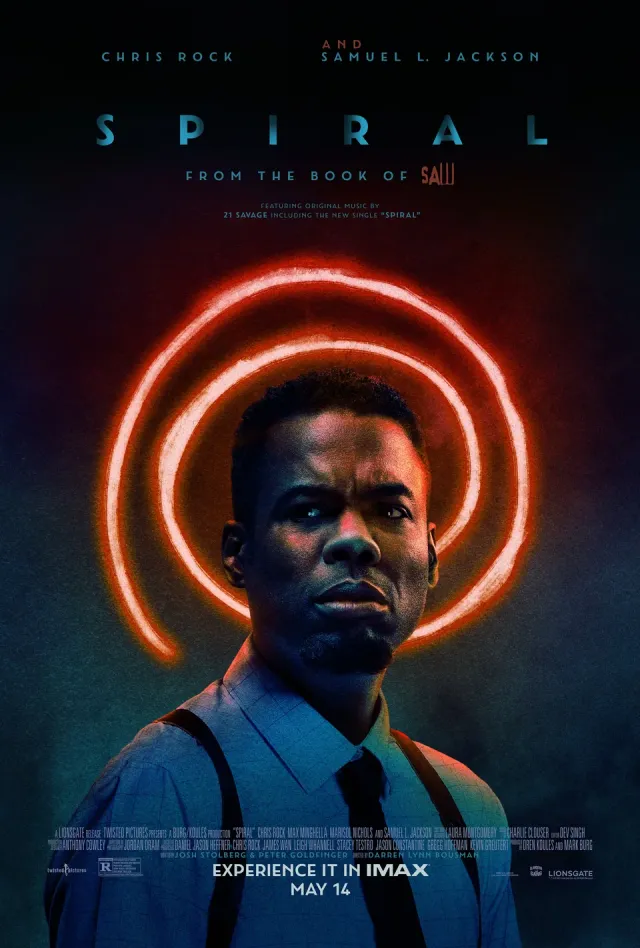
What changes Kill List: marital conflict precedes the contract, each assignment grows more disturbing and conspiracy and violence converge in a shocking climax. Spiral: case-driven and escalating.
A veteran detective investigating a series of staged murders realizes that the killer is targeting members of his own police department. The clues evoke an infamous pattern but point toward a new agenda involving police conduct and institutional rot. As he and his partner move closer to the source, the investigation becomes personal, and the case asks who gets to define justice when the system is part of the harm.
Both share an unpredictable and dread-filled atmosphere.
Why this matches +
Genres: Horror / Supernatural horror
Shared film traits
Based on recorded story, mood and style. Your preferences can change the order.
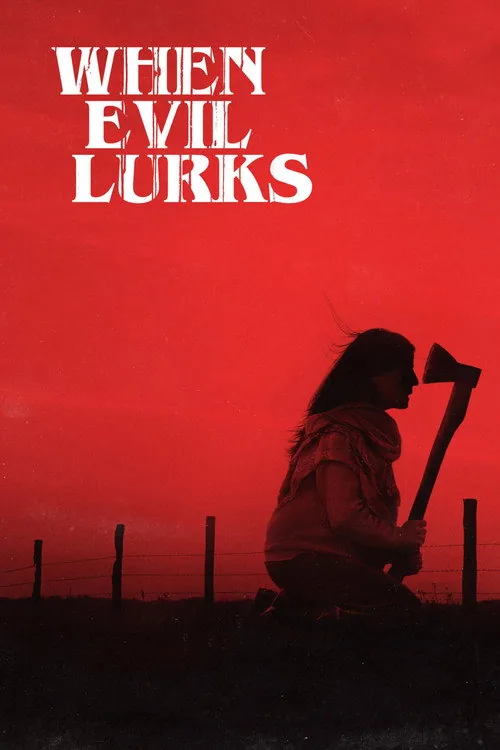
What changes Kill List: marital conflict precedes the contract, each assignment grows more disturbing and conspiracy and violence converge in a shocking climax. When Evil Lurks: cumulative escalation, sudden shocks and survival-driven decisions.
Brothers Pedro and Jaime discover that a demonically possessed man is nearing a dangerous transformation in their rural Argentine community. The rules for handling the afflicted are confusing, authorities offer little help, and a hasty attempt to move the threat only spreads the danger. As possession reaches people and animals around them, the brothers struggle to protect their families while confronting the cost of fear and denial. Demián Rugna's supernatural horror is stark and unpredictable, turning a community's failed containment into a relentless survival nightmare.
Based on recorded story, mood and style. Your preferences can change the order.
Criminal underworld
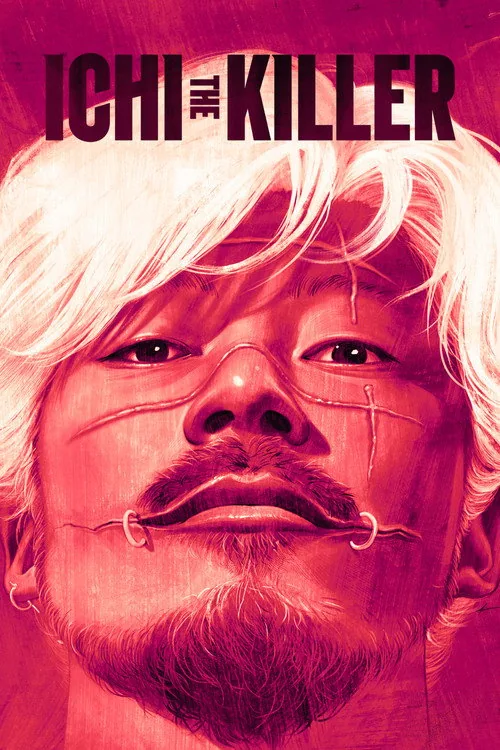
What changes Kill List: marital conflict precedes the contract, each assignment grows more disturbing and conspiracy and violence converge in a shocking climax. Ichi the Killer: escalating violence, intercut pursuits and surreal disruptions.
When yakuza boss Anjo disappears, his sadomasochistic lieutenant Kakihara searches through rival gangs and a trail of extreme violence to find him. A manipulative handler named Jijii steers the investigation toward Ichi, a psychologically damaged man used as a weapon against the underworld. The characters' conflicting appetites for control and pain make the story deliberately grotesque and unstable. Takashi Miike adapts the manga as a transgressive crime horror film whose graphic violence and surreal tone are central to its impact, rather than incidental effects.
Based on recorded story, mood and style. Your preferences can change the order.
Criminal underworld
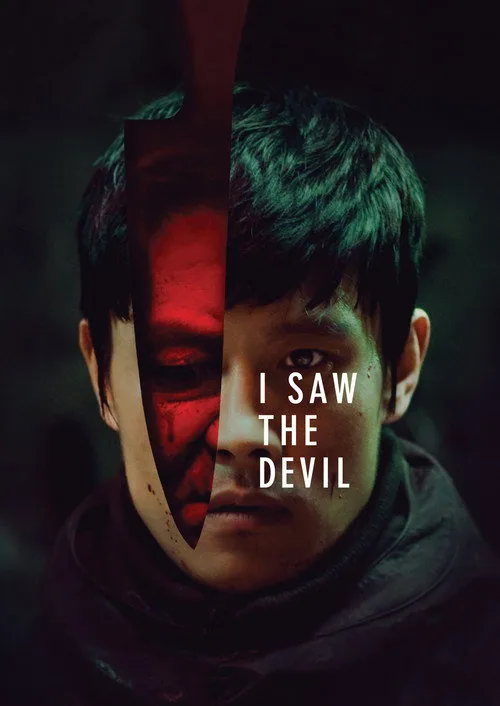
What changes Kill List: marital conflict precedes the contract, each assignment grows more disturbing and conspiracy and violence converge in a shocking climax. I Saw the Devil: repeated confrontations with little relief.
After a serial killer murders his fiancée, intelligence agent Kim Soo-hyun sets out to punish the man himself rather than leave justice to the police. His repeated pursuit and release of the killer becomes a contest that erodes the distinction between investigation and revenge. The South Korean thriller is known for graphic violence and an unflinching treatment of cruelty; its central question is what retaliation does to the person who chooses it.
Based on recorded story, mood and style. Your preferences can change the order.
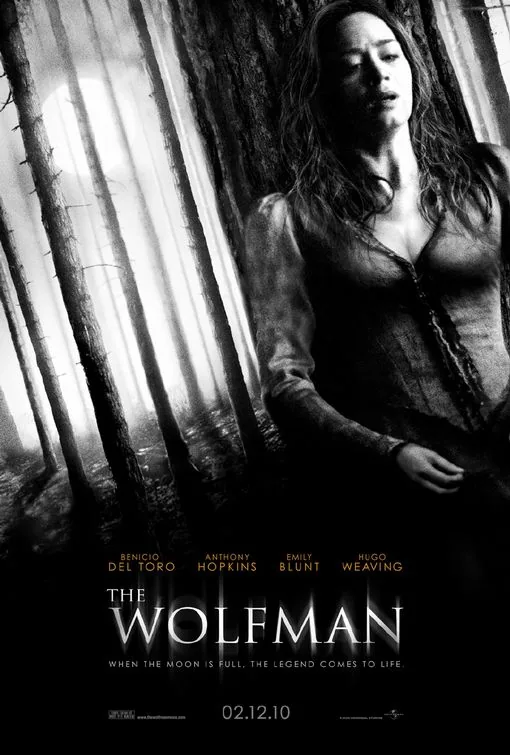
What changes Kill List: marital conflict precedes the contract, each assignment grows more disturbing and conspiracy and violence converge in a shocking climax. The Wolfman: brooding and violent eruptions.
An actor returns to his family's English estate after his brother is killed and becomes involved in the search for the attacker. A wound inflicted during another assault links the investigation to frightening changes in his own body. Old family memories and official suspicion compound the threat, turning the attempted explanation of a local monster into a gothic struggle with inheritance, violence and loss of control.
Based on recorded story, mood and style. Your preferences can change the order.
Criminal underworld
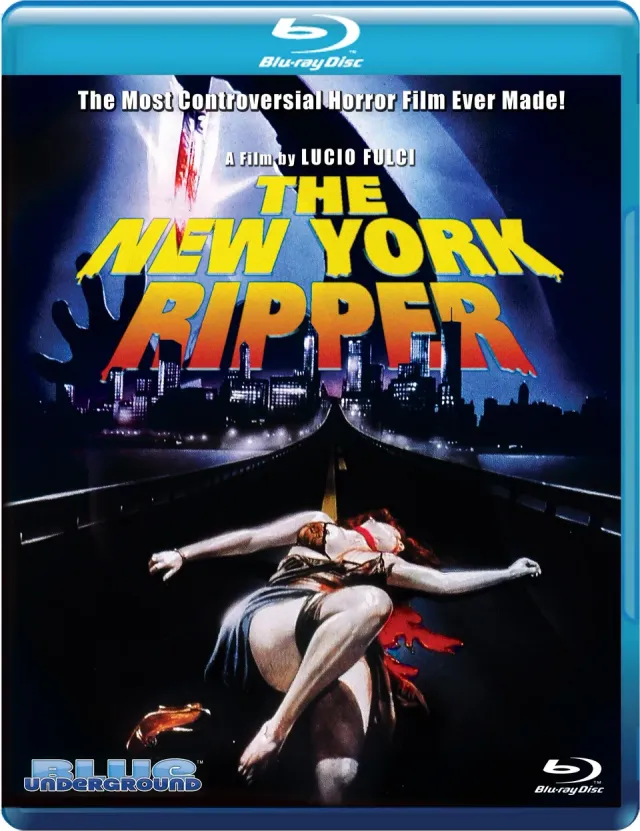
What changes Kill List: marital conflict precedes the contract, each assignment grows more disturbing and conspiracy and violence converge in a shocking climax. The New York Ripper: procedural clues, fragmented encounters, rising pressure and abrupt violence.
New York detective Fred Williams investigates a series of murders marked by a killer’s strange duck-like voice and shifting methods. With police leadership concerned about public panic, Williams works with psychotherapist Paul Davis and follows clues through ferry terminals, apartments, nightlife and the adult-entertainment district. Witnesses offer fragments rather than a dependable account, and the killer’s taunting calls make the investigation feel personal. The case exposes Williams to a city where violence is both hidden and publicized, while the film’s harsh presentation makes its portrait of misogyny and urban fear central to the experience.
Based on recorded story, mood and style. Your preferences can change the order.
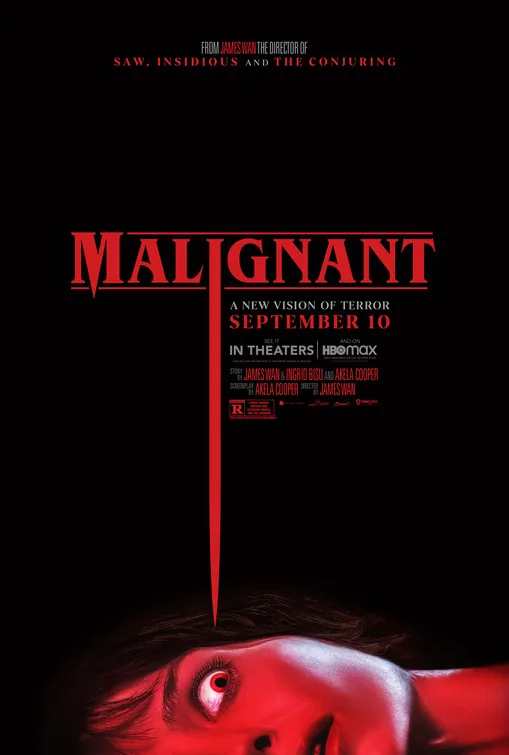
What changes Kill List: marital conflict precedes the contract, each assignment grows more disturbing and conspiracy and violence converge in a shocking climax. Malignant: a procedural investigation breaks into escalating supernatural spectacle.
Madison is tormented by visions of murders she appears to witness as they happen, while investigators connect the killings to an unknown figure from her past. As the violence escalates, her memories and sense of self become increasingly uncertain. James Wan’s horror film begins as a police mystery and shifts into a highly stylized confrontation with a hidden history, using body horror and identity questions to unsettle genre expectations.
Based on recorded story, mood and style. Your preferences can change the order.
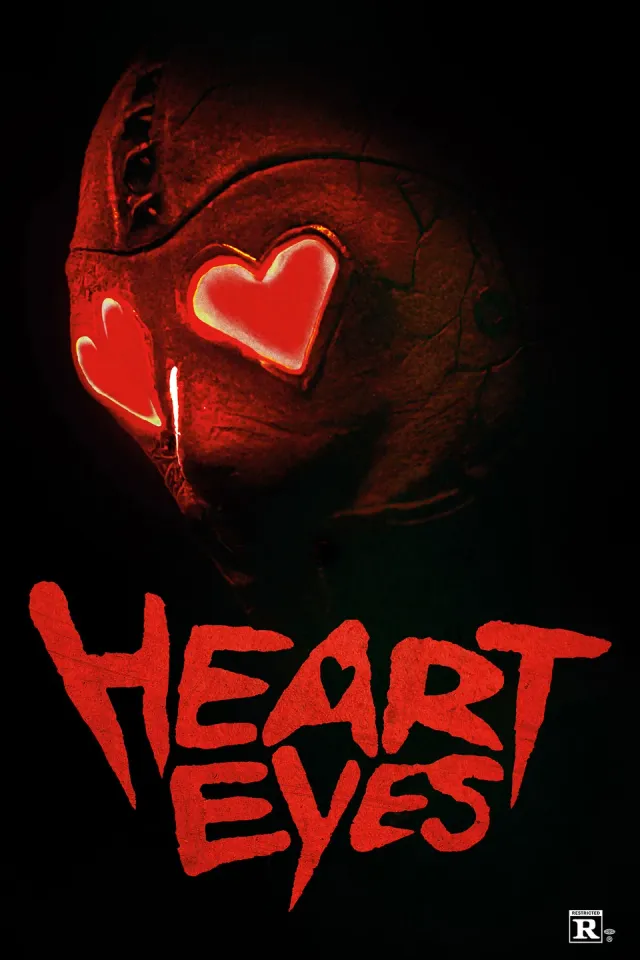
What changes Kill List: marital conflict precedes the contract, each assignment grows more disturbing and conspiracy and violence converge in a shocking climax. Heart Eyes: a killer’s holiday pattern drives a flirtatious mystery and chase.
On Valentine’s Day, a serial killer known as the Heart Eyes Killer targets couples in Seattle. Marketing professional Ally and cynical coworker Jay become entangled in the investigation as attacks intensify and clues point toward someone close to the case. The horror comedy pairs a slasher pursuit with a workplace romance, using the holiday’s familiar symbols to satirize dating while still building genuine suspense around trust and survival.
Based on recorded story, mood and style. Your preferences can change the order.
Criminal underworld
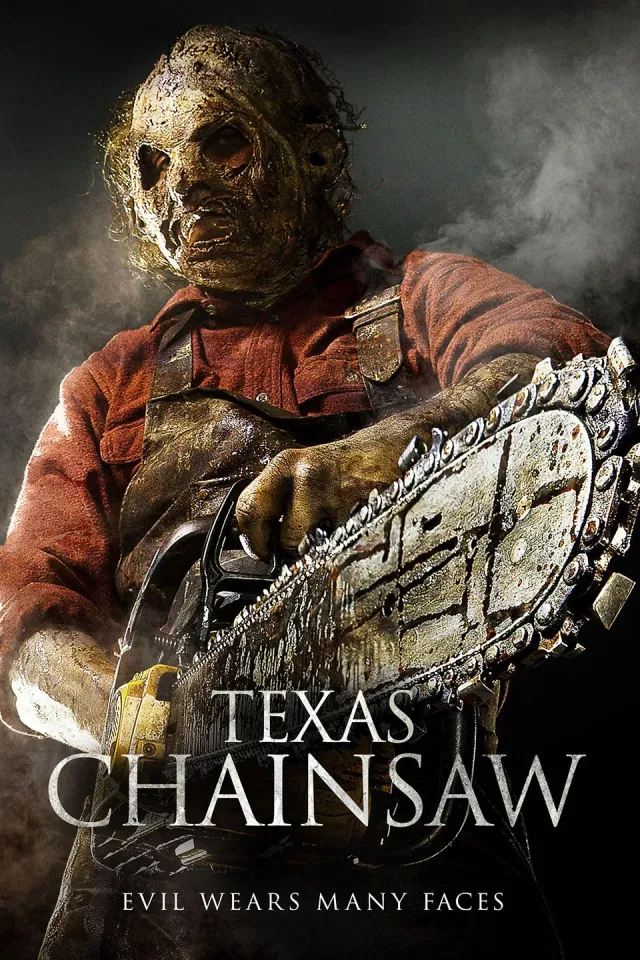
What changes Kill List: marital conflict precedes the contract, each assignment grows more disturbing and conspiracy and violence converge in a shocking climax. Texas Chainsaw 3D: fast pursuit punctuated by graphic attacks.
A young woman inherits a rural Texas property and discovers that the legacy she has been given is bound to a notorious family and a masked killer. The story returns to the franchise’s rural violence while asking whether blood ties can offer belonging or only danger. Its exploitation-horror style favors harsh confrontations and graphic threat over mystery or psychological subtlety.
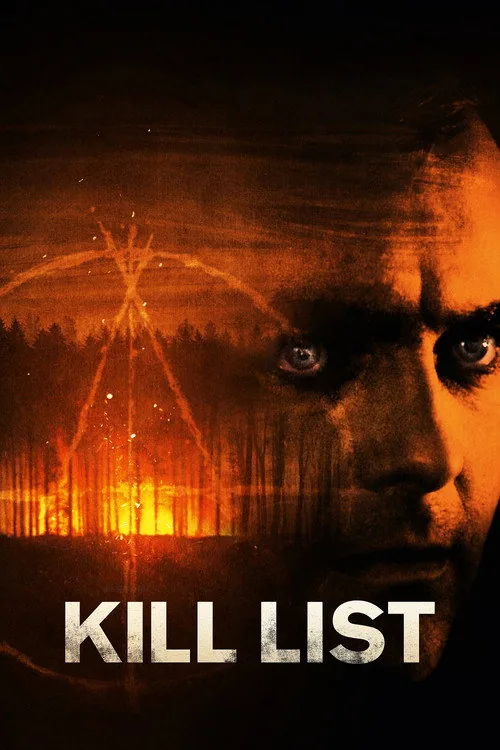
Former soldier Jay is struggling financially and emotionally after a failed mission, while his wife Shel urges him and old friend Gal to accept contract work. Their new employer gives them a list of targets, and the jobs grow increasingly disturbing as the men encounter a librarian and other victims. Strange symbols and hostile reactions suggest a wider design around the killings, while Jay's anger and violence intensify until the job leads him toward an unsettling final revelation.
What drives the story
Jay and Gal accept a list of contract targets whose apparent connections gradually draw them into a larger and more disturbing design.
The people at its centre
Jay's volatility strains his marriage to Shel and his partnership with Gal, even as the two men depend on one another professionally.
What it feels like
A grounded crime story gradually mutates into psychological horror through silence, ritual clues, and sudden extreme violence.
Worth knowing
The hitman premise serves a slow transformation into folk horror, making the final assignment central to the film's effect.
trauma and violencecomplicity and controlritual and hidden belief
Mood
oppressive · unpredictable · dread-filled
Pacing
marital conflict precedes the contract · each assignment grows more disturbing · conspiracy and violence converge in a shocking climax
Visual style
naturalistic British interiors · abrupt bursts of graphic violence · ritual imagery embedded in ordinary settings
Storytelling
former soldiers take contract killings · routine targets conceal an occult structure · domestic strain follows the work home