Explore films connected to The New York Ripper through Misogyny and violence, Urban alienation, Investigation under pressure. Choose the qualities you want to carry into your next watch.
What should feel similar?
Find your next favourite
9 films · Closest overall matches
Hide films you’ve seen or don’t want. Saved on this device.
No matches for this combination yet.
Try another option or reset your choices to see more films.
Based on recorded story, mood and style. Your preferences can change the order.
Investigation · Survival
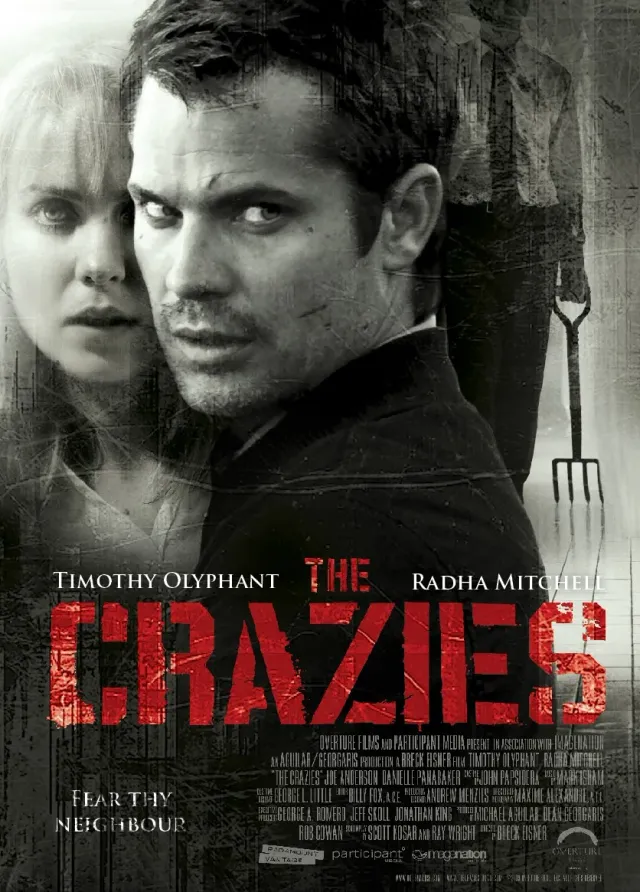
What changes The New York Ripper: procedural clues, fragmented encounters, rising pressure and abrupt violence. The Crazies: steady escalation into pursuit.
After strange behavior spreads through Ogden Marsh, Sheriff David Dutton and his deputy uncover a connection between the town’s violence and a contaminated water supply. David tries to protect his doctor wife Judy as residents lose trust in authorities and in one another. The horror remake turns a community’s ordinary routines into a survival problem, using quarantine and flight to explore how fear dismantles social bonds.
Based on recorded story, mood and style. Your preferences can change the order.
Criminal underworld · Investigation
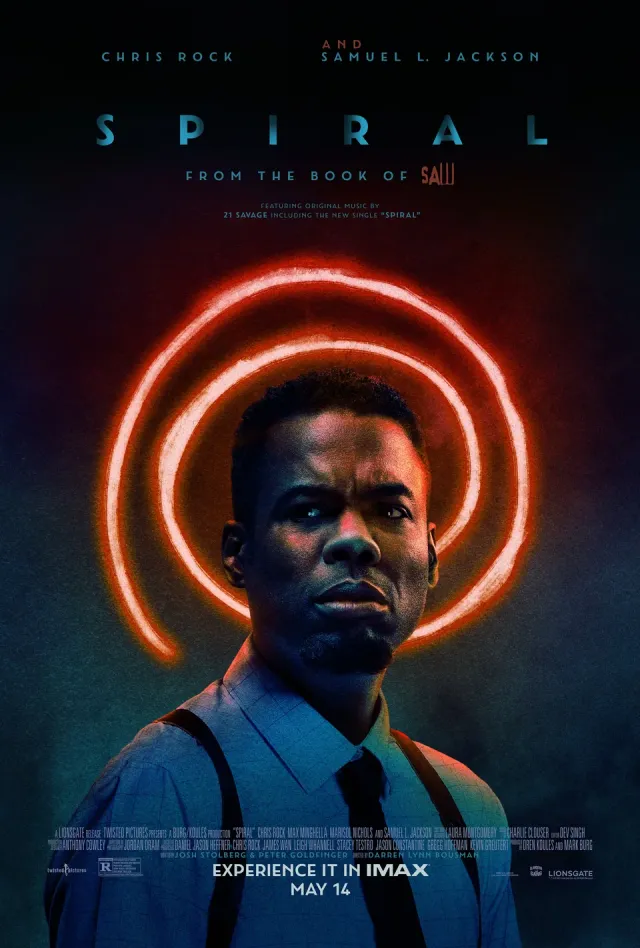
What changes The New York Ripper: procedural clues, fragmented encounters, rising pressure and abrupt violence. Spiral: case-driven and escalating.
A veteran detective investigating a series of staged murders realizes that the killer is targeting members of his own police department. The clues evoke an infamous pattern but point toward a new agenda involving police conduct and institutional rot. As he and his partner move closer to the source, the investigation becomes personal, and the case asks who gets to define justice when the system is part of the harm.
Based on recorded story, mood and style. Your preferences can change the order.
Investigation · Power and authority
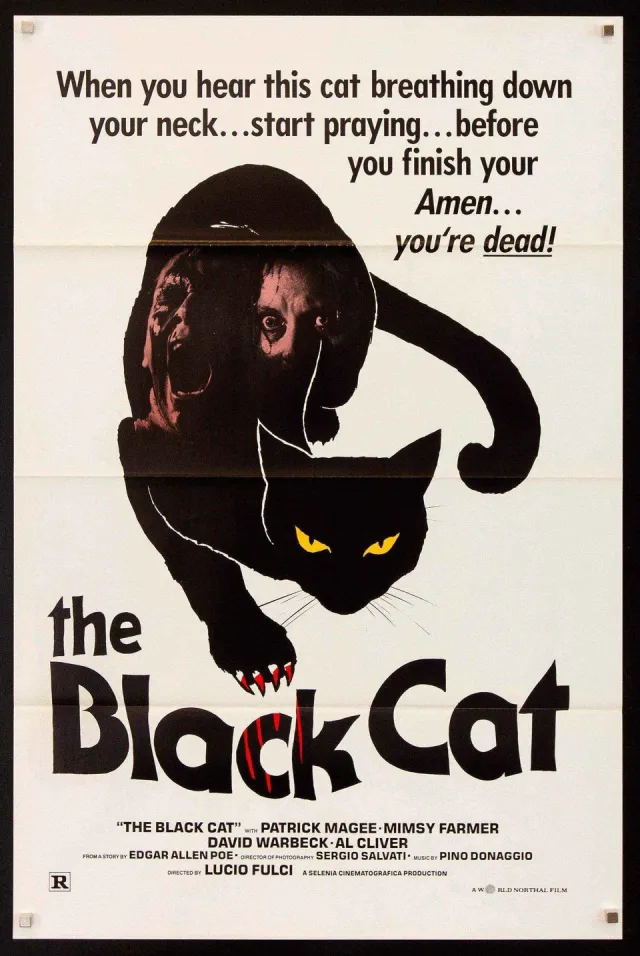
What changes The New York Ripper: procedural clues, fragmented encounters, rising pressure and abrupt violence. The Black Cat: mystery-led, episodic attacks, atmospheric and violent resolution.
In an English village, deaths begin to follow encounters with a black cat owned by Robert Miles, a former professor who studies the supernatural and records the voices of the dead. American photographer Jill Trevers crosses paths with the animal while investigating a crypt and becomes entangled in a series of frightening incidents. Local police attempt to connect the victims, while Miles’s belief in the cat’s power makes him both a source of knowledge and a possible threat. The film shifts between detective work, occult theory, and horror as the animal’s apparent intelligence drives the mystery forward.
Based on recorded story, mood and style. Your preferences can change the order.
Investigation
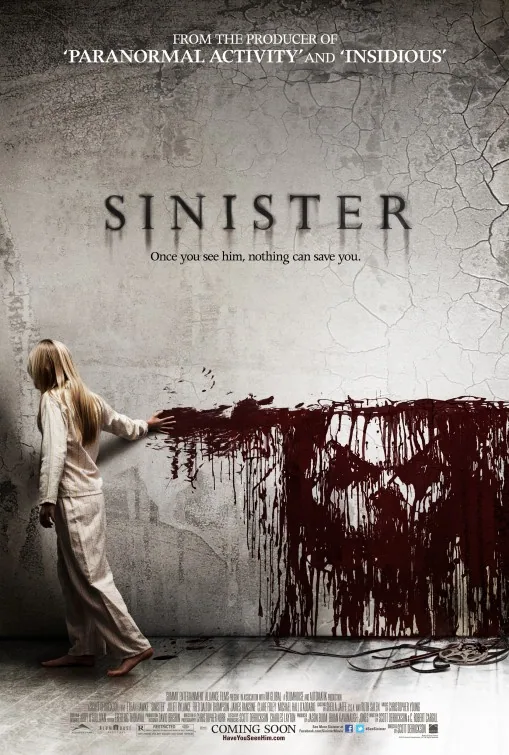
What changes The New York Ripper: procedural clues, fragmented encounters, rising pressure and abrupt violence. Sinister: slow-building and investigation-led.
A true-crime writer moves his family into a house connected to an unsolved murder, concealing the reason from his wife. The discovery of disturbing home movies offers material that might revive his career, but his investigation begins to suggest a pattern reaching beyond ordinary crime. Professional ambition keeps him close to evidence that threatens the household, making the urge to watch and interpret part of the danger itself.
Based on recorded story, mood and style. Your preferences can change the order.
Investigation · Survival
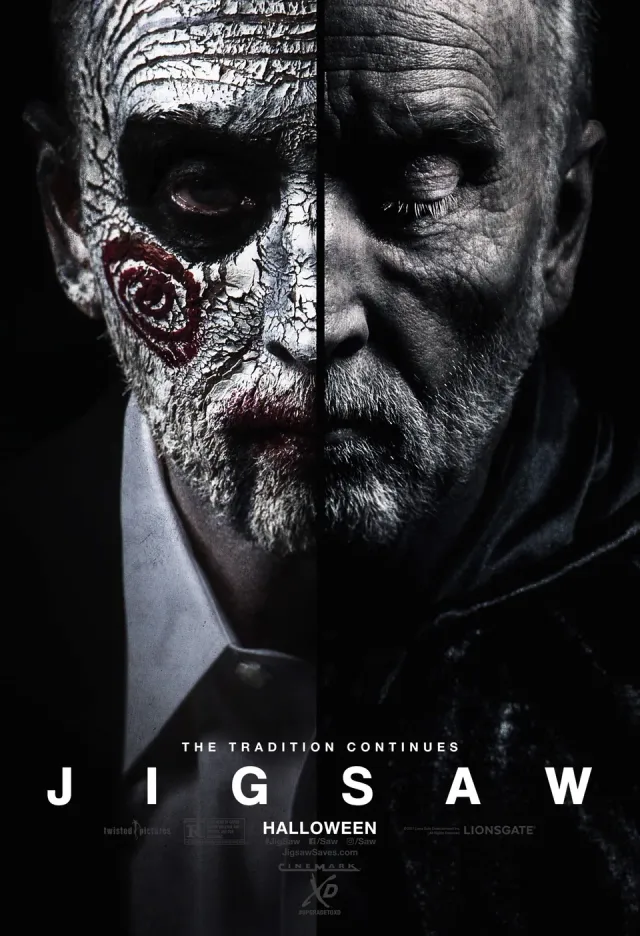
What changes The New York Ripper: procedural clues, fragmented encounters, rising pressure and abrupt violence. Jigsaw: puzzle-driven and escalating.
A new series of elaborate murders appears to imitate the methods of John Kramer, the serial killer known as Jigsaw, years after his reported death. As detectives investigate, several captives awaken in a barn and are forced through tests built around their past choices. The film alternates between the police inquiry and the deadly games, using hidden connections and delayed revelations to extend the franchise's puzzle-box structure.
Based on recorded story, mood and style. Your preferences can change the order.
Criminal underworld · Investigation
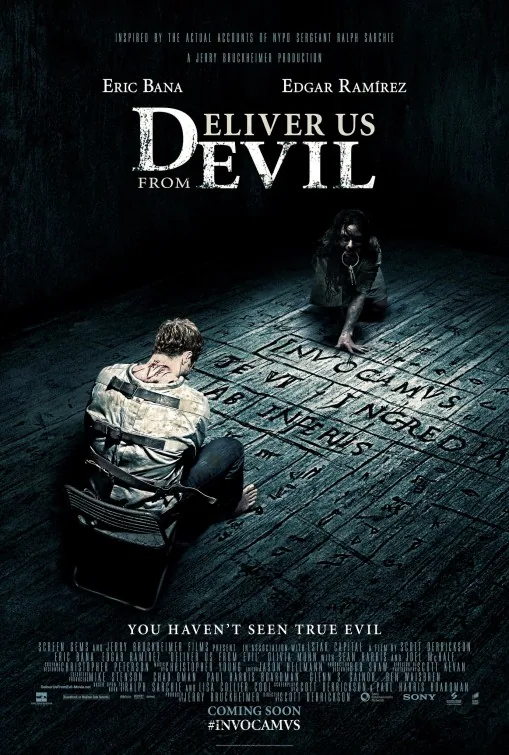
What changes The New York Ripper: procedural clues, fragmented encounters, rising pressure and abrupt violence. Deliver Us from Evil: procedural cases intensify into supernatural confrontation.
A New York police officer investigating a string of disturbing crimes meets a priest who believes the cases have a supernatural cause. Their uneasy partnership joins police procedure with religious ritual as the evidence points beyond ordinary criminal explanation. The horror thriller moves between family life and violent investigation, building its tension around whether skeptical institutions can respond to a threat they cannot classify.
Based on recorded story, mood and style. Your preferences can change the order.
Investigation
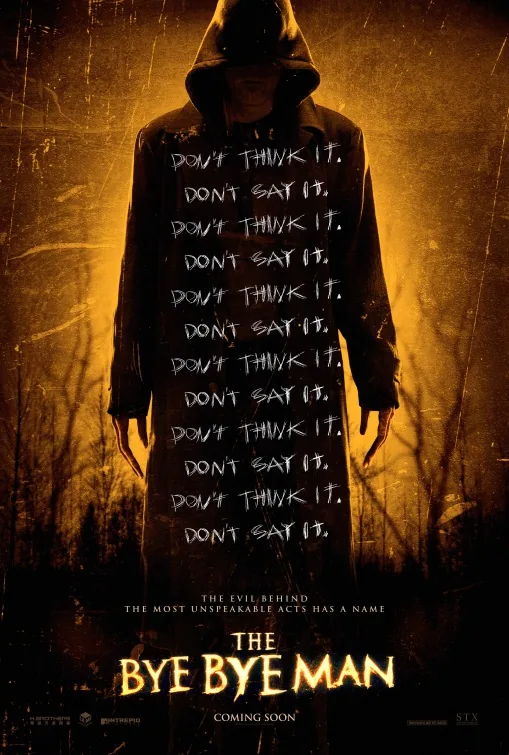
What changes The New York Ripper: procedural clues, fragmented encounters, rising pressure and abrupt violence. The Bye Bye Man: mystery discovery builds toward psychological and physical danger.
Three college students uncover a supernatural figure connected to a rule about not speaking or thinking his name. Their attempts to understand the legend make the threat harder to escape, while suspicion fractures their relationships. The horror film uses a contagious idea as its central mechanism, combining occult mystery with a story about how fear and doubt can spread through a close group.
Based on recorded story, mood and style. Your preferences can change the order.
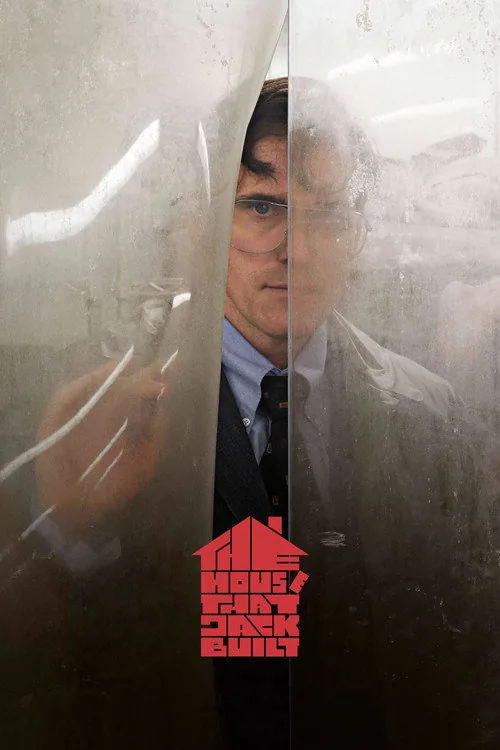
What changes The New York Ripper: procedural clues, fragmented encounters, rising pressure and abrupt violence. The House That Jack Built: jack’s account of his crimes becomes an argument with the figure guiding him toward judgment..
Serial killer Jack recounts a series of murders to a companion he calls Verge, presenting each killing as one of several formative “incidents.” His efforts to hide evidence become increasingly elaborate and sometimes grotesque, while he tries to build a house from the bodies he has collected. Lars von Trier’s psychological horror film shifts between crime episodes, art-history arguments, and a final journey through a vision of Hell. It is formally self-conscious and deliberately provocative, framing Jack’s explanations as unreliable and morally repellent rather than asking viewers to admire his crimes.
Based on recorded story, mood and style. Your preferences can change the order.
Investigation · Power and authority
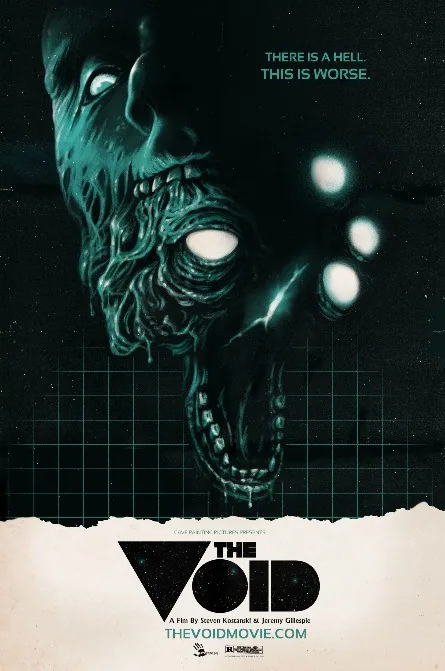
What changes The New York Ripper: procedural clues, fragmented encounters, rising pressure and abrupt violence. The Void: crisis-driven, rapid escalation and contained siege structure.
Police officer Daniel Carter brings an injured stranger to a nearly empty hospital on the edge of town. Once inside, patients and staff find themselves surrounded by hooded figures and cut off from help. As disturbing changes spread through the hospital, Carter and the survivors try to find a way out while uncovering a cult’s connection to the place. Jeremy Gillespie and Steven Kostanski build the film around a single besieged location and increasingly grotesque body-horror imagery.
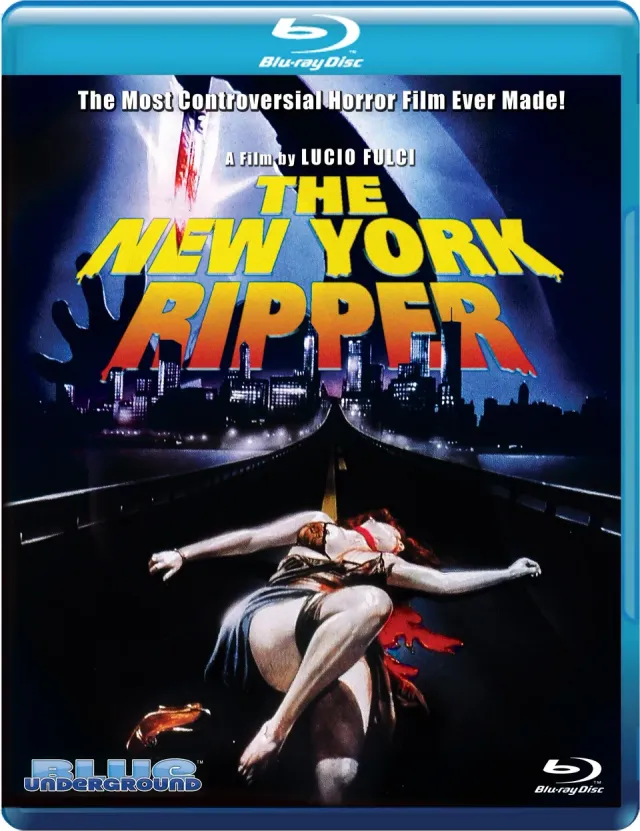
New York detective Fred Williams investigates a series of murders marked by a killer’s strange duck-like voice and shifting methods. With police leadership concerned about public panic, Williams works with psychotherapist Paul Davis and follows clues through ferry terminals, apartments, nightlife and the adult-entertainment district. Witnesses offer fragments rather than a dependable account, and the killer’s taunting calls make the investigation feel personal. The case exposes Williams to a city where violence is both hidden and publicized, while the film’s harsh presentation makes its portrait of misogyny and urban fear central to the experience.
What drives the story
The case follows a killer whose distinctive voice turns police work into a taunting exchange.
The people at its centre
Williams’s work with Davis brings psychological interpretation into conflict with a case under public scrutiny.
What it feels like
Urban locations create a restless, abrasive atmosphere, and the film presents violence in a deliberately confrontational way.
Worth knowing
This is an extreme Italian horror thriller about a serial-killer case and urban misogyny, not a reassuring detective puzzle.
Misogyny and violenceUrban alienationInvestigation under pressure