Justine’s bodily changes disrupt the good-student identity she brought from home.
Why this matches +
Selected for the central appeal: A violent young woman adopts another identity and forms an unexpected bond with a grieving father amid bodily transformation.
Genres: Drama / Horror
Shared film traits
Based on recorded story, mood and style. Your preferences can change the order.
What changes Julia Ducournau uses graphic bodily transformation and family relationships to explore identity, appetite and the need for belonging.
Justine begins veterinary school as a lifelong vegetarian, following her older sister Alexia into a demanding student community. During a hazing ritual, Justine is pressured to eat raw meat, and she soon develops a craving that unsettles her sense of identity and family history. Her changing appetite affects her relationship with Alexia and roommate Adrien as the school’s initiation culture grows more dangerous. Julia Ducournau’s French body-horror drama frames a young woman’s passage into adulthood through bodily transformation, shame, and sisterly rivalry.
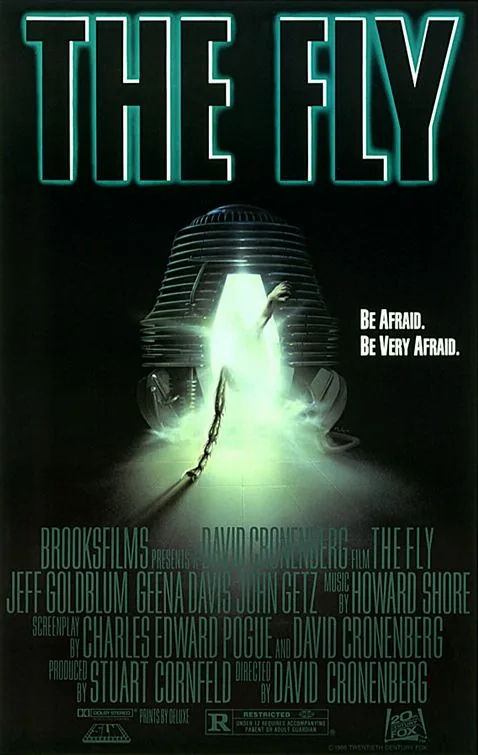
The teleportation accident begins as a technical mishap, then becomes a slow biological crisis that neither observation nor affection can halt.
Why this matches +
These offer a related experience with a meaningful difference in story, tone, or presentation.
An adjacent discovery: a related idea with a different viewing experience.
Genres: Science fiction / Drama
Shared film traits
Based on recorded story, mood and style. Your preferences can change the order.
What changes An extreme physical transformation links body horror with intimacy, vulnerability and fear of what a person is becoming.
Scientist Seth Brundle invites journalist Veronica Quaife to document his experiments with teleportation. When he tests the device on himself without noticing a fly has entered the pod, his body begins changing in stages. At first Seth mistakes the increased strength and appetite for improvement; Veronica recognizes the physical and emotional deterioration before he can accept it. As the transformation becomes irreversible, their intimacy turns into a struggle over care, fear and whether there is anything left to save. The film treats scientific ambition as the trigger, but its central horror is watching a person remain emotionally present while his body becomes frighteningly unfamiliar.
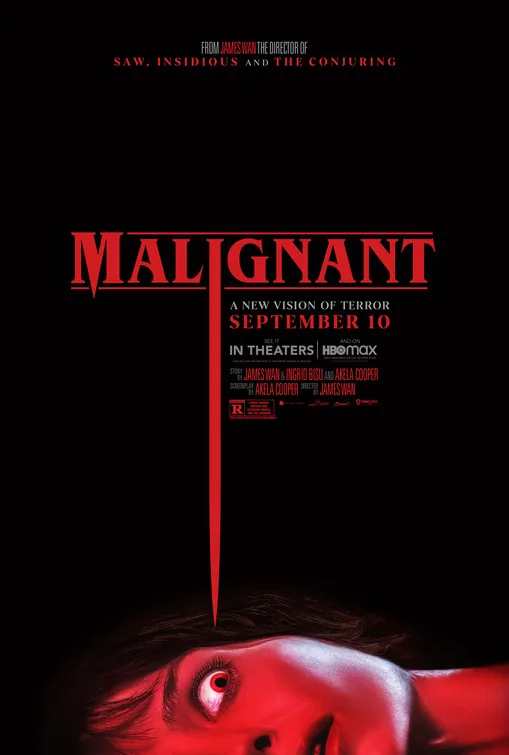
Madison’s visions provide investigators with a disturbing link between her and the murders.
Why this matches +
These offer a related experience with a meaningful difference in story, tone, or presentation.
An adjacent discovery: a related idea with a different viewing experience.
Genres: Horror / Thriller
Shared film traits
Based on recorded story, mood and style. Your preferences can change the order.
What changes A violent body-horror mystery connects identity and family history through grotesque physical revelations.
Madison is tormented by visions of murders she appears to witness as they happen, while investigators connect the killings to an unknown figure from her past. As the violence escalates, her memories and sense of self become increasingly uncertain. James Wan’s horror film begins as a police mystery and shifts into a highly stylized confrontation with a hidden history, using body horror and identity questions to unsettle genre expectations.
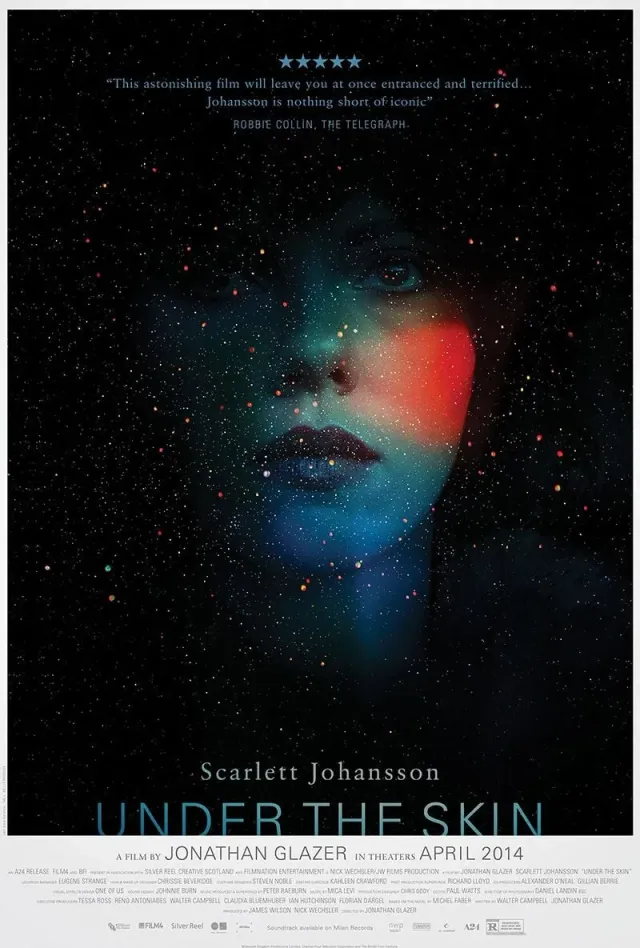
The woman’s repeated encounters gradually disrupt the purpose behind her routine.
Why this matches +
These offer a related experience with a meaningful difference in story, tone, or presentation.
An adjacent discovery: a related idea with a different viewing experience.
Genres: Science Fiction / Drama
Shared film traits
Based on recorded story, mood and style. Your preferences can change the order.
Memory and identity
What changes A disorienting story of bodily difference and assumed human identity uses unsettling imagery to examine intimacy and alienation.
An enigmatic woman drives through Scotland and approaches men who are isolated or receptive to her attention. Her encounters point toward an inhuman purpose, but the woman’s routine begins to change as she experiences vulnerability and human contact. Jonathan Glazer tells the science-fiction story through sparse dialogue, observational images and an unsettling soundscape, making perception and bodily identity more central than explanation. The result is an atmospheric, adult film that leaves many motives deliberately unresolved.
A newly married woman experiences severe despair in a rural society with few ways to seek help.
Why this matches +
These offer a related experience with a meaningful difference in story, tone, or presentation.
An adjacent discovery: a related idea with a different viewing experience.
Genres: Drama / Historical drama
Shared film traits
Based on recorded story, mood and style. Your preferences can change the order.
What changes A woman whose body and emotions do not fit imposed social roles is portrayed through a disturbing, intimate historical horror story.
In eighteenth-century Austria, Agnes enters marriage with Wolf expecting a meaningful life but finds herself isolated in a rigid rural household. Religious doctrine, heavy labor and social convention leave little room to speak about despair or desire. As Agnes's distress deepens, the film observes a community whose beliefs give suffering a terrifying framework, turning a personal crisis into a stark study of historical gender roles, faith and mental anguish.
After surviving a childhood accident, Alexia develops an unsettling physical connection to machines and grows into an adult whose life is shaped by performance and violence. A series of events forces her to assume another person's identity and enter a household where a grieving father is desperate for a missing son. Julia Ducournau's body-horror drama moves between extremes to examine transformation, care and the need to belong.
What drives the story
A violent young person adopts a missing man's identity and finds unexpected care in the household that accepts them.
The people at its centre
Alexia's self-protective concealment meets a father's grief and willingness to believe.
What it feels like
The film's physical transformations make questions of gender, identity and intimacy visceral.
Worth knowing
Its abrupt tonal changes move from abrasive horror toward a fragile, uneasy form of tenderness.